Cookie Sheet Buyer’s Guide: Aluminum, Nonstick, or Insulated — Which Is Best?
A cookie sheet is a cookie sheet, right?
While most cookie sheets look similar, the material and construction can have a surprising impact on your results. Everything from how quickly a pan heats to how it browns the bottoms of cookies can influence the finished bake. Aluminum, nonstick, and insulated cookie sheets each perform a little differently, which is why choosing the right pan matters.
Here’s a closer look at aluminum, nonstick, and insulated cookie sheets and what each brings to your favorite cookie recipes.
TABLE OF CONTENTS
- Understanding Cookie Sheet Materials
- Comparing Baking Outcomes
- Durability and Lifespan of Cookie Sheets
- Choosing the Right Cookie Sheet for You
- User Tips for Maximizing Cookie Sheet Potential
- Conclusion
- Frequently Asked Questions
Understanding Cookie Sheet Materials
First, a tiny terminology lesson: Cookie sheets and baking sheets aren’t always technically the same thing.
Traditional cookie sheets may have one or more rimless edges designed to make sliding cookies on and off easier, while rimmed baking sheets contain juices and ingredients. In everyday conversation, however, the terms are often used interchangeably. More important than the name is what the pan is made of.
Aluminum: The Classic Choice
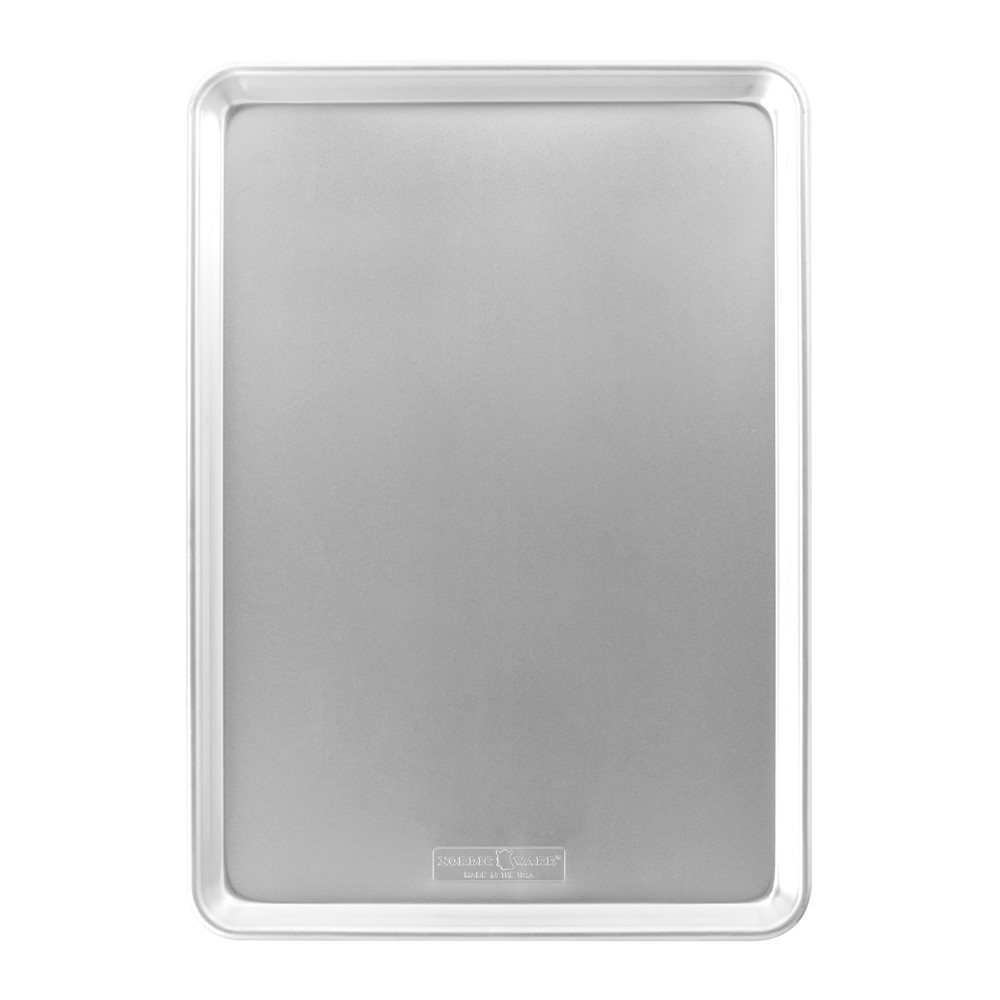
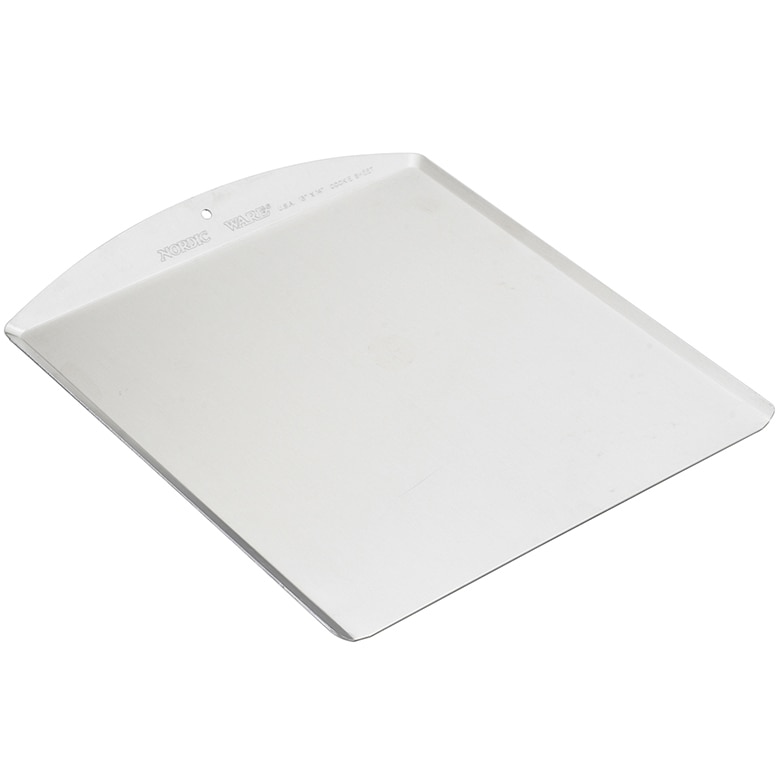
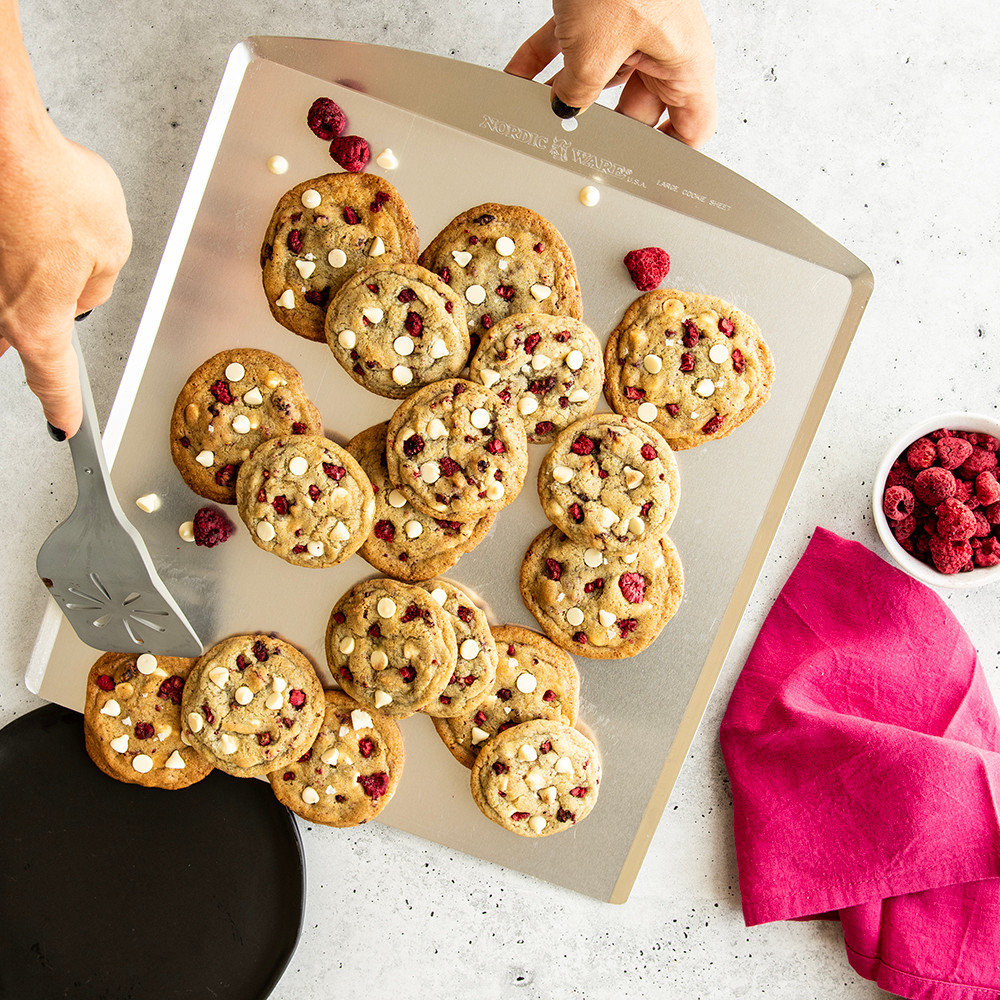
Aluminum has been a trusted baking material for generations thanks to its excellent heat conductivity. It heats quickly and distributes heat efficiently, helping cookies bake evenly and brown consistently.
Lightweight, durable, and naturally rust-resistant, aluminum cookie sheets are a versatile choice for everyday baking. Whether you’re making chocolate chip cookies, sugar cookies, oatmeal cookies, or holiday favorites, an aluminum baking sheet delivers reliable performance across a wide range of recipes.
One thing to keep in mind: aluminum bakeware should be hand washed to help preserve its appearance and performance over time. While many bakers consider this a worthwhile tradeoff for the material’s baking performance, it may not be the best fit for those who prefer dishwasher-safe cookware and bakeware.
Nonstick: Easy Release and Maintenance
Nonstick cookie sheets offer an obvious advantage: Release.
Cookies are less likely to cling stubbornly to the pan, and cleanup can be relatively easy. For frequent bakers who prioritize convenience, that’s appealing.
But nonstick surfaces also change baking behavior. Darker finishes tend to absorb more radiant heat than shiny, light-colored surfaces, which can lead to faster or deeper browning—particularly on cookie bottoms.
The coating also requires care. Metal utensils, abrasive scrubbers, and temperatures beyond the manufacturer’s recommendations can damage many nonstick surfaces. Unlike bare metal, a coated pan has a finite coating lifespan.
Does that make nonstick bad? No. It means you need to know what you’re buying and treat it accordingly.
Insulated: Consistent Baking Results
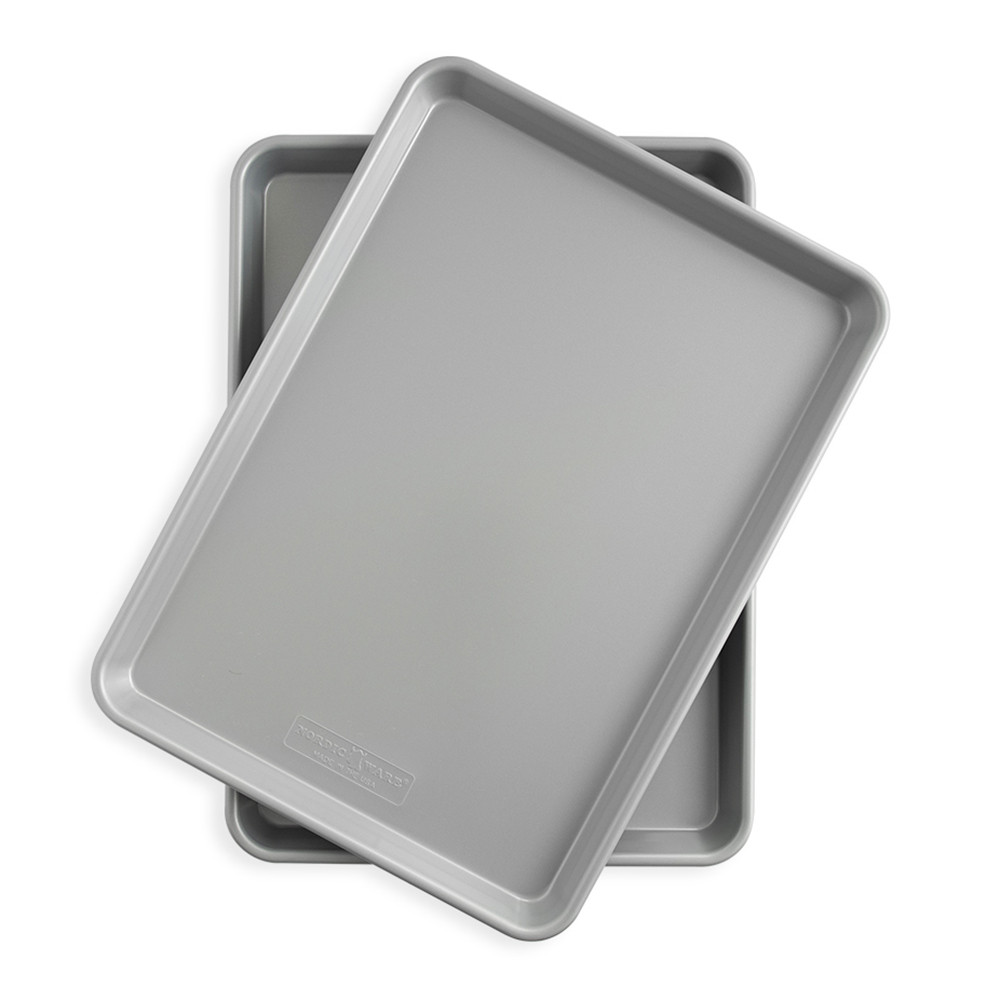
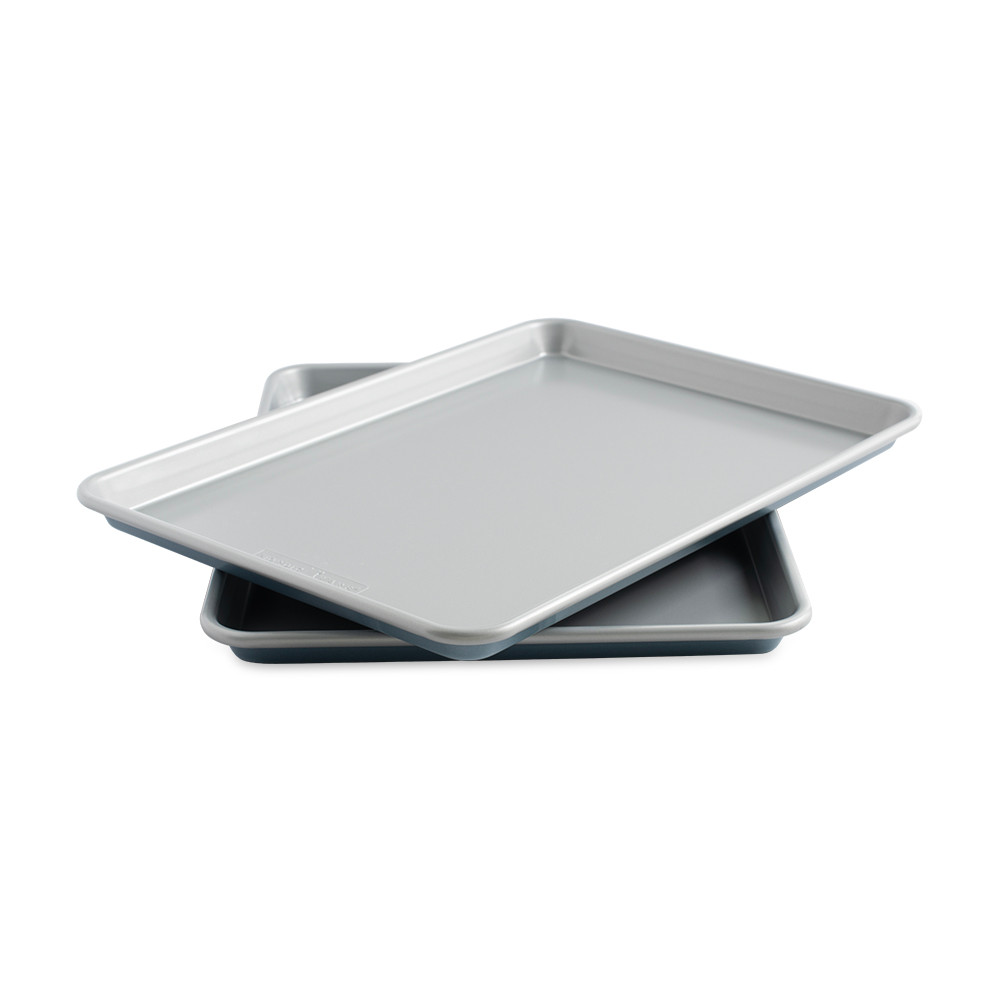
Insulated cookie sheets usually contain two layers of metal separated by an air space. That layer slows heat transfer to the bottom of the cookies. The result? Gentler bottom browning.
That can be helpful for delicate cookies, shortbread, sugar cookies, or recipes where you’re constantly wondering why the bottoms are getting dark while the tops still look pale.
There’s a trade-off, though. Because heat reaches the dough more gradually, cookies may take longer to bake and can remain softer or paler than they would on a conventional aluminum sheet.
If you live for aggressively crisp cookie edges, insulated probably isn’t your soulmate.
Product image gallery with 9 items. Use the thumbnail buttons below the main image to navigate between images and videos. Each thumbnail button is labeled with its content type and position. The main images can be zoomed by using the "View full size" link below each image. Use arrow keys to navigate when thumbnails have focus.
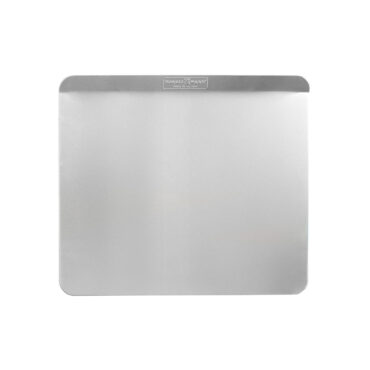
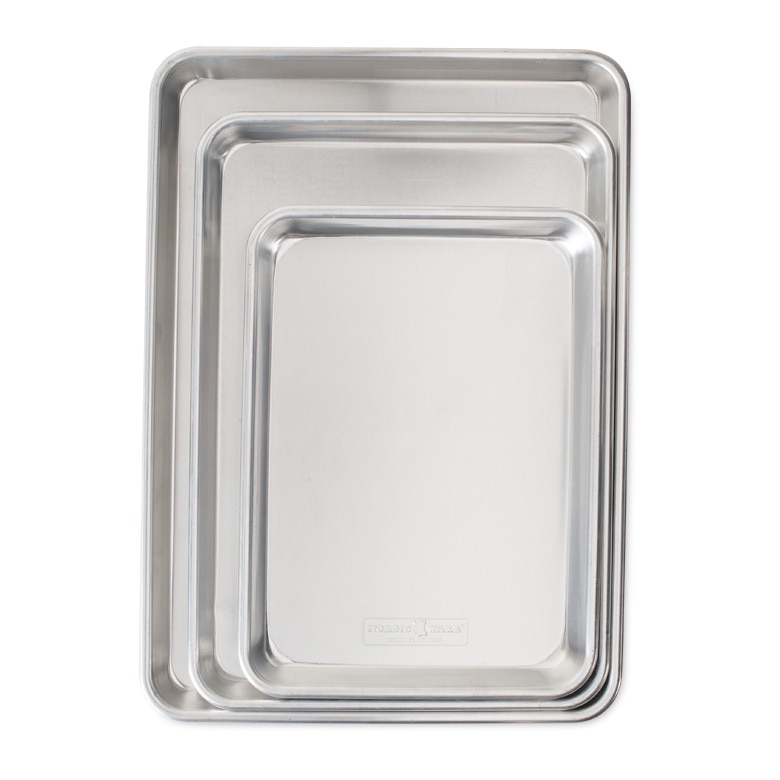
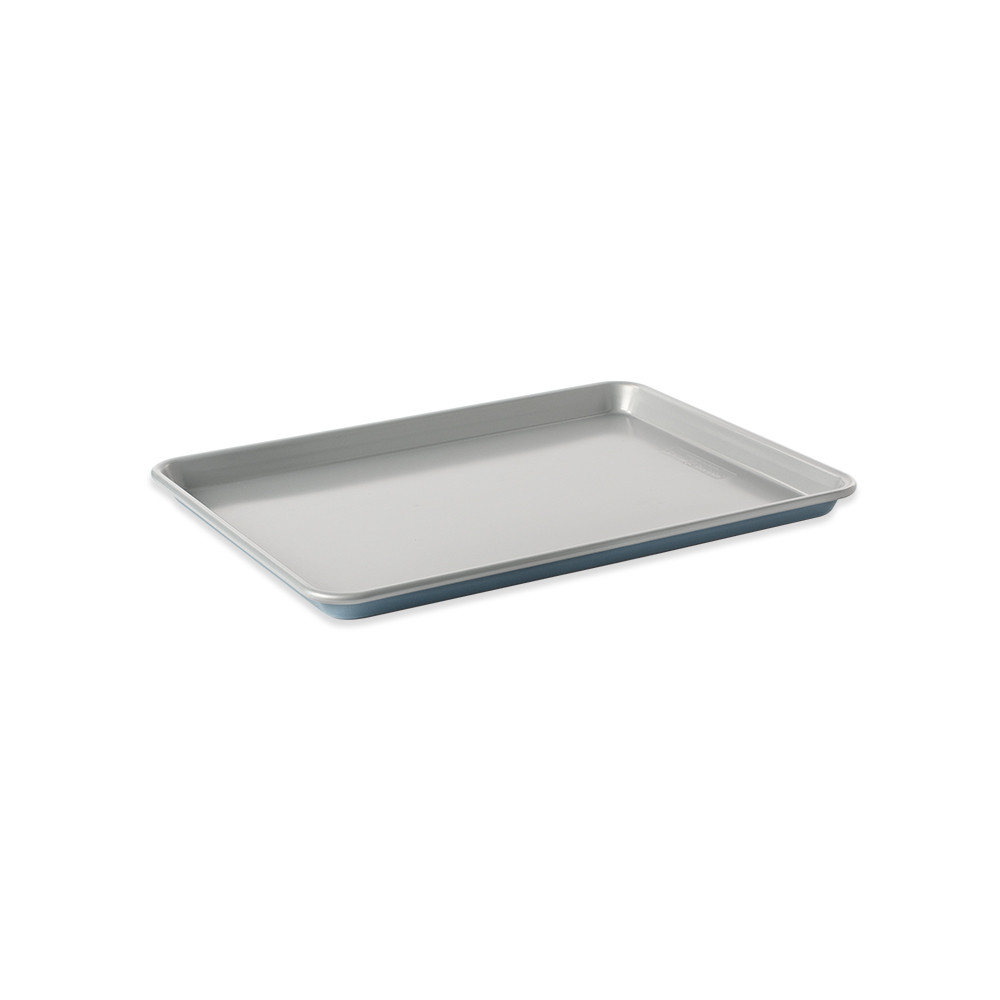
Product image 1 of 9: Nordic Ware Naturals aluminum insulated baking sheet, rectangular with raised rim, natural silver finish
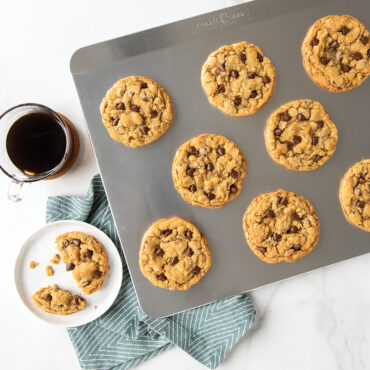
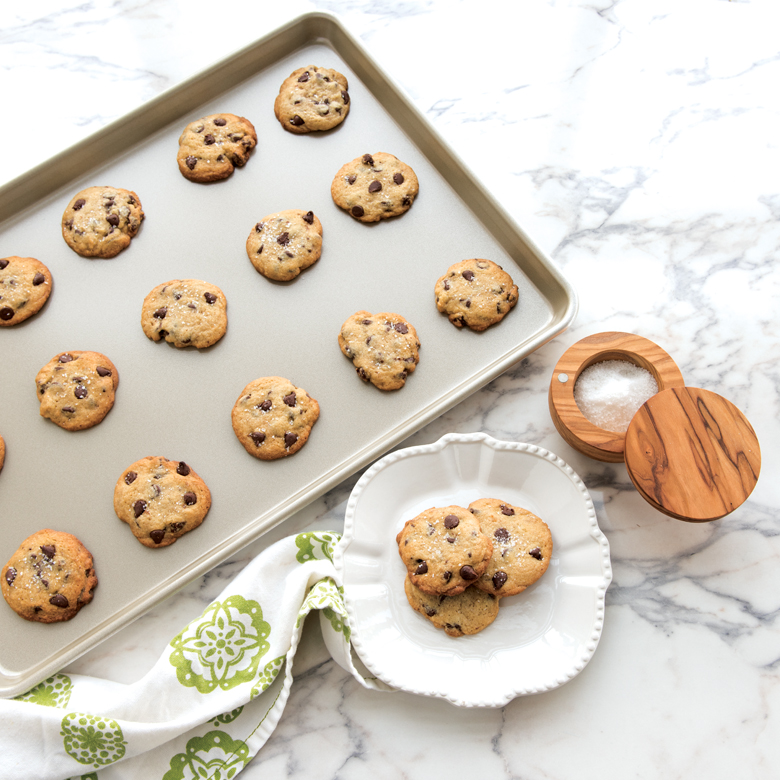
Product image 2 of 9: Golden baked chocolate chip cookies on Nordic Ware aluminum insulated baking sheet, one cookie cut in half on plate
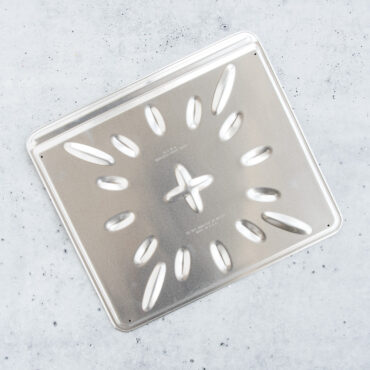
Product image 3 of 9: Nordic Ware Naturals aluminum insulated baking sheet, rectangular pan showing underside air gap construction
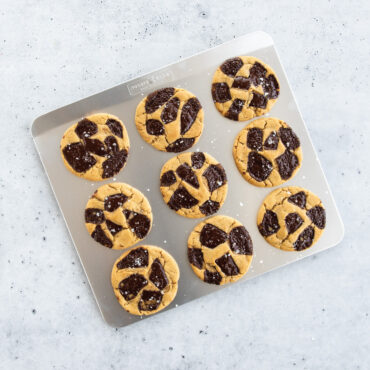
Product image 4 of 9: Golden baked chocolate chip cookies on Nordic Ware aluminum insulated baking sheet, one cookie cut in half on plate
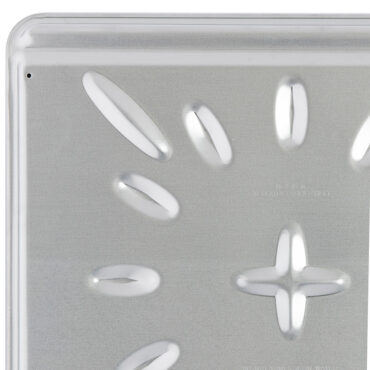
Product image 5 of 9: Nordic Ware aluminum insulated baking sheet showing double-layer construction underneath, natural silver finish
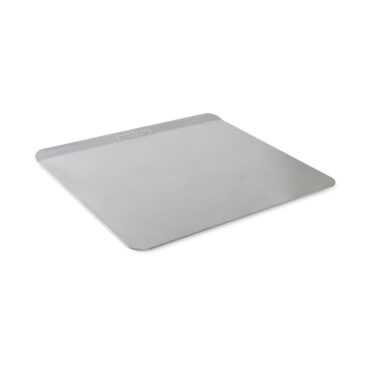
Product image 6 of 9: Nordic Ware Naturals aluminum insulated baking sheet, rectangular with double-wall construction, natural finish
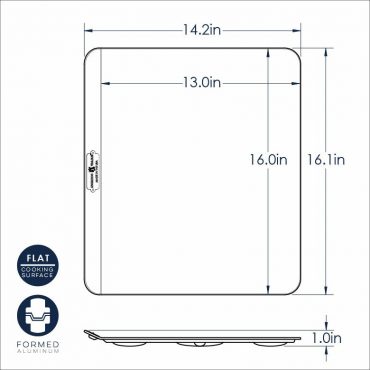
Product image 7 of 9: Nordic Ware Naturals aluminum insulated baking sheet with dimensional measurements and specifications diagram
Thumbnail navigation: Use these buttons to view different product images and videos. Use arrow keys to navigate between thumbnails when focused.
Comparing Baking Outcomes
Changing the pan while keeping the dough, oven temperature, and baking time identical can still change the finished cookie.
That’s because baking isn’t just about the temperature of the oven. It’s about how efficiently heat gets from the oven into the food.
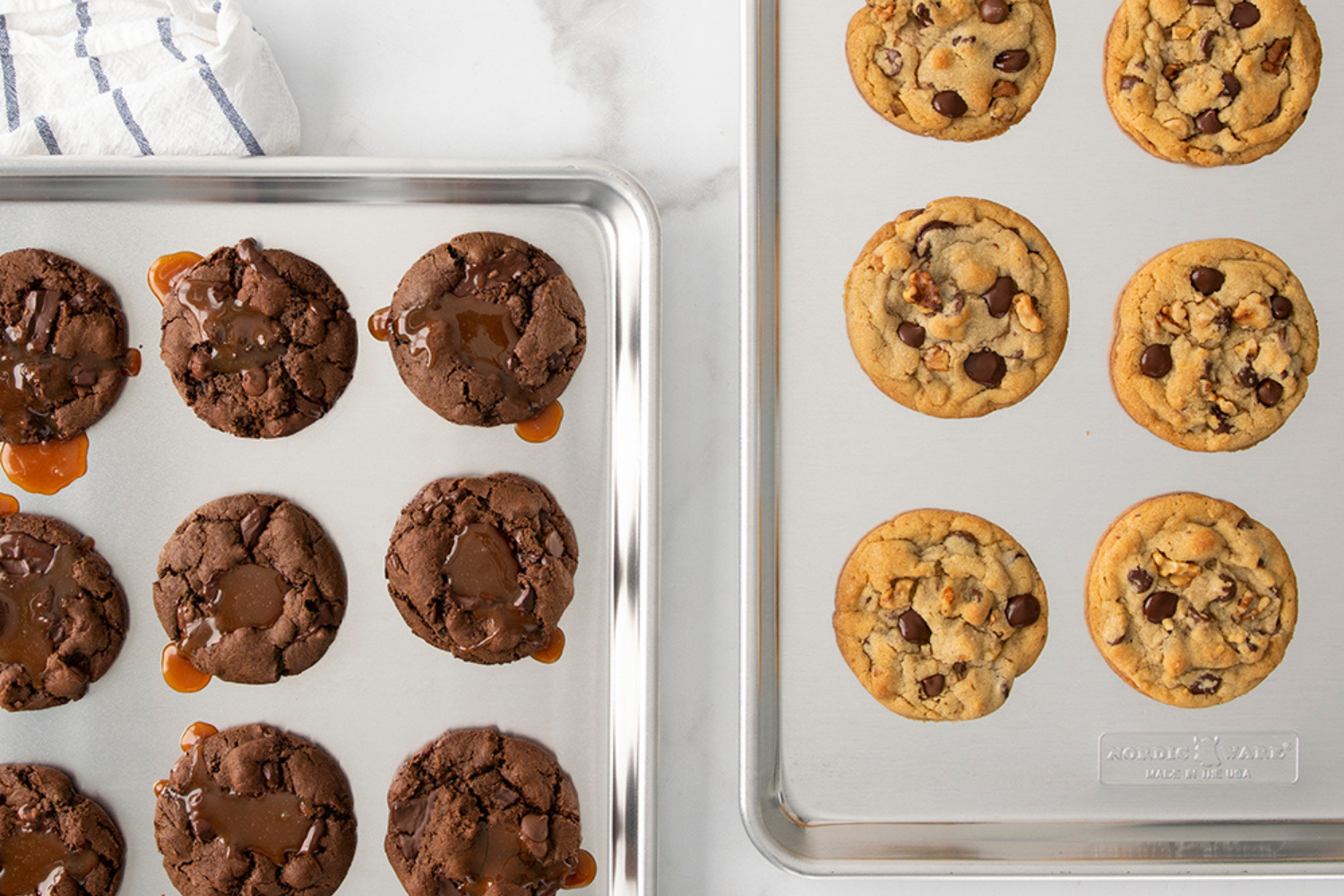
Browning and Texture Differences
Light-colored aluminum generally promotes relatively controlled, even browning, making it a useful baseline for many recipes.
Dark nonstick pans may brown cookie bottoms and edges more quickly. That can be great if you like crisp edges, but less desirable if you’re baking delicate cookies or using a recipe developed on a lighter pan.
Insulated sheets slow heat transfer from below, often producing lighter bottoms and softer textures.
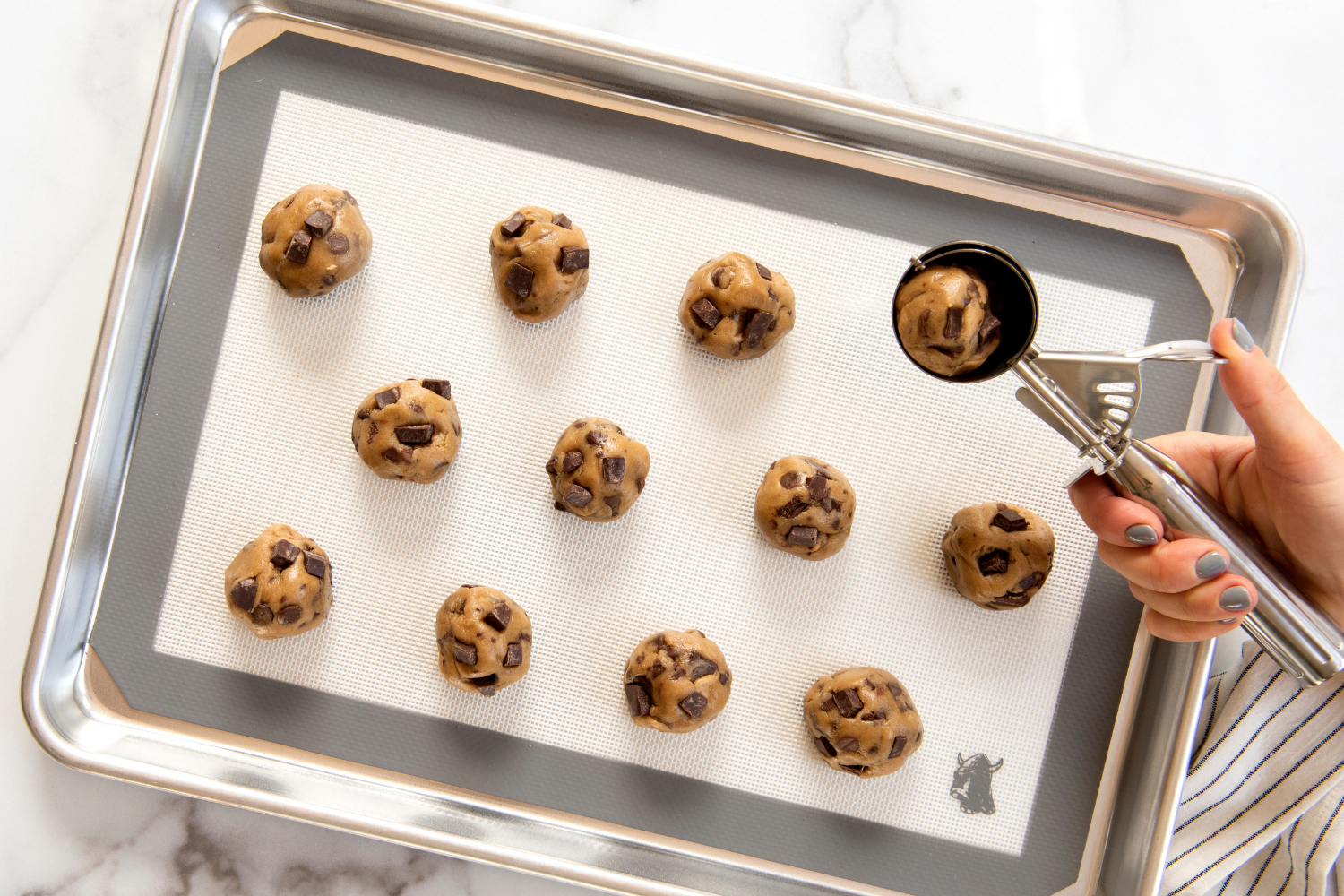
Parchment paper creates a barrier between dough and metal and can affect spread and browning. Silicone baking mats insulate the dough differently and may produce results that aren’t identical to either parchment or a bare pan.
In other words, if you found your perfect chocolate chip cookie setup, write it down. “Same recipe” doesn’t necessarily mean the same cookie when you change the equipment.
Consistency in Baking Results
Material is only part of consistency.
Pan thickness, surface color, placement in the oven, dough temperature, portion size, and oven accuracy all matter. Even two batches baked on the same pan can differ if the second batch goes onto a sheet that’s still hot from the first.
For repeatable results, let pans cool between batches, portion dough consistently, and use the same type of pan and liner whenever possible.
Also, rotate pans only if necessary to compensate for oven hot spots. Every time you open the oven door, heat escapes. Your cookies would like some privacy.
Durability and Lifespan of Cookie Sheets
A quality cookie sheet can survive years of holiday baking, school bake sales, midnight chocolate-chip emergencies, and the annual moment when somebody decides they’re absolutely making homemade Christmas cookies this year. But care matters.
Preventing Damage
Avoid exposing a screaming-hot pan to cold water. Let it cool first. Likewise, follow manufacturer instructions about temperature limits and broiler use.
Storage matters, too. Don’t wedge pans into a cabinet so tightly that they’re constantly being bent or battered. Vertical dividers are useful, as is stacking similarly sized pans without putting enormous weight on top.
For nonstick pans, avoid stacking rough metal surfaces directly against the coating. A pan protector or towel between pieces can help prevent scratches.
Cleaning and Care Insights
Bare aluminum often does well with warm water, dish soap, and non-abrasive cleaning tools. Some discoloration is normal and doesn’t necessarily affect performance.
Nonstick can be easier to clean thanks to the kip abrasive scrubbers and metal tools unless the manufacturer specifically says they’re safe.
Insulated pans can require additional attention because water may become trapped if the construction is damaged or submerged contrary to care instructions. Follow the directions for your specific product.
And before tossing any cookie sheet into the dishwasher, check whether the manufacturer recommends it. “Technically dishwasher safe” and “will look beautiful after 200 dishwasher cycles” are not always the same statement.
Want more cleaning tips? Learn the best way to clean you baking sheets here.
Choosing the Right Cookie Sheet for You
There isn’t one universally perfect cookie sheet because bakers don’t all want the same result.
Factors Influencing Choice
If you want a dependable all-purpose pan and don’t mind using parchment when needed, light-colored uncoated aluminum is difficult to beat.
If easy release and cleanup are your biggest priorities, nonstick may make more sense, provided you’re willing to care for the coating properly.
If you routinely struggle with overbrowned bottoms or frequently bake delicate cookies, insulated sheets are worth considering.
Frequent bakers should also pay attention to construction and durability. A sturdier pan that performs consistently over hundreds of batches may offer better long-term value than repeatedly replacing cheaper pans.
Product Recommendations
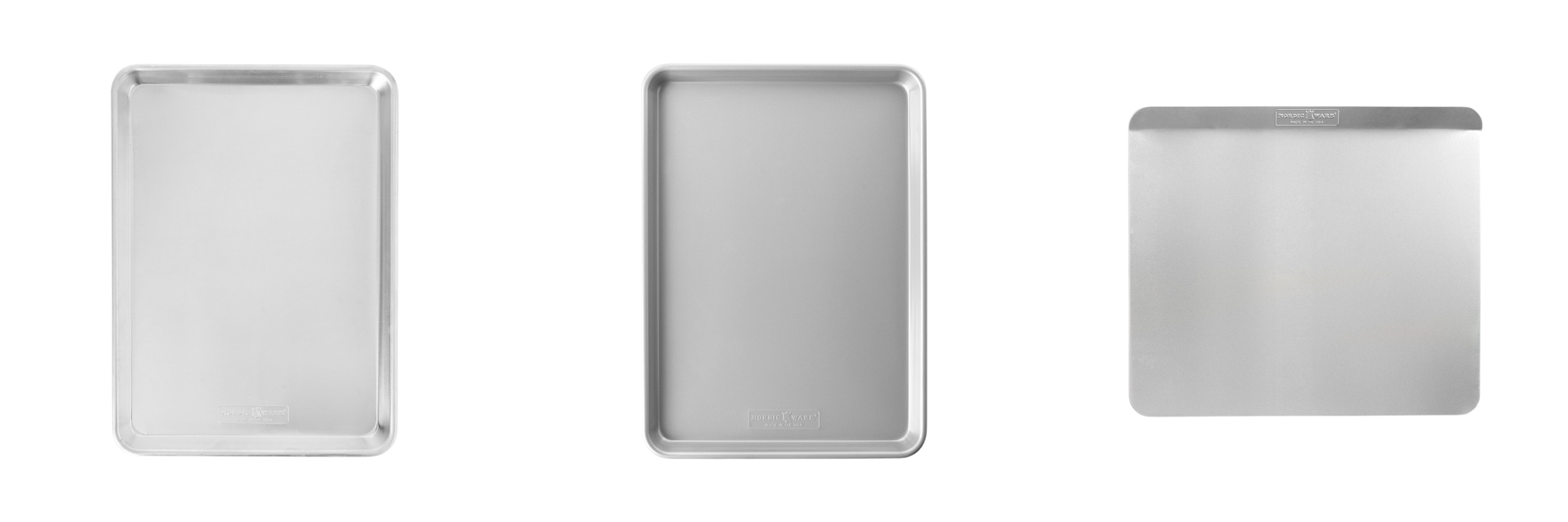
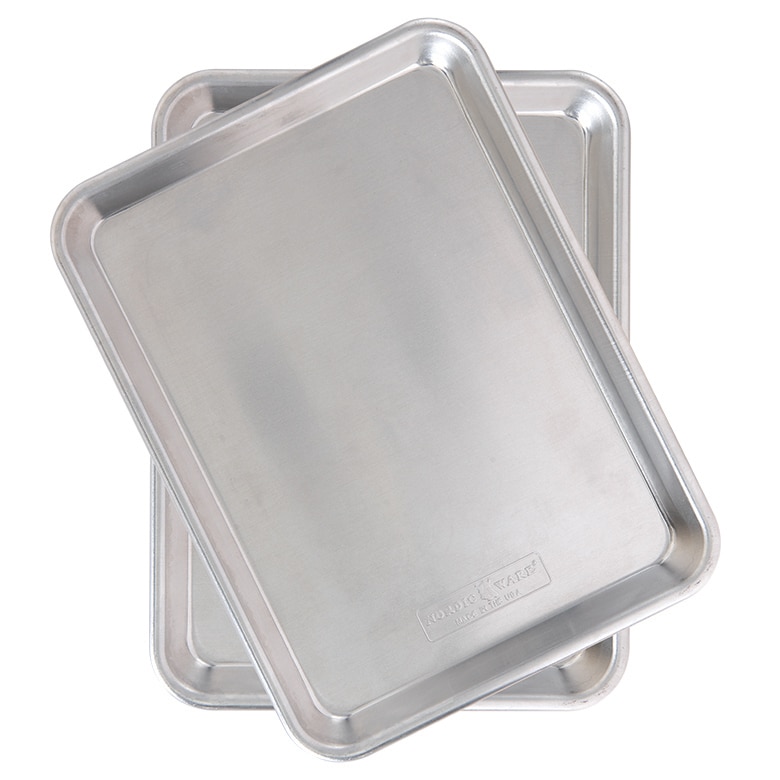
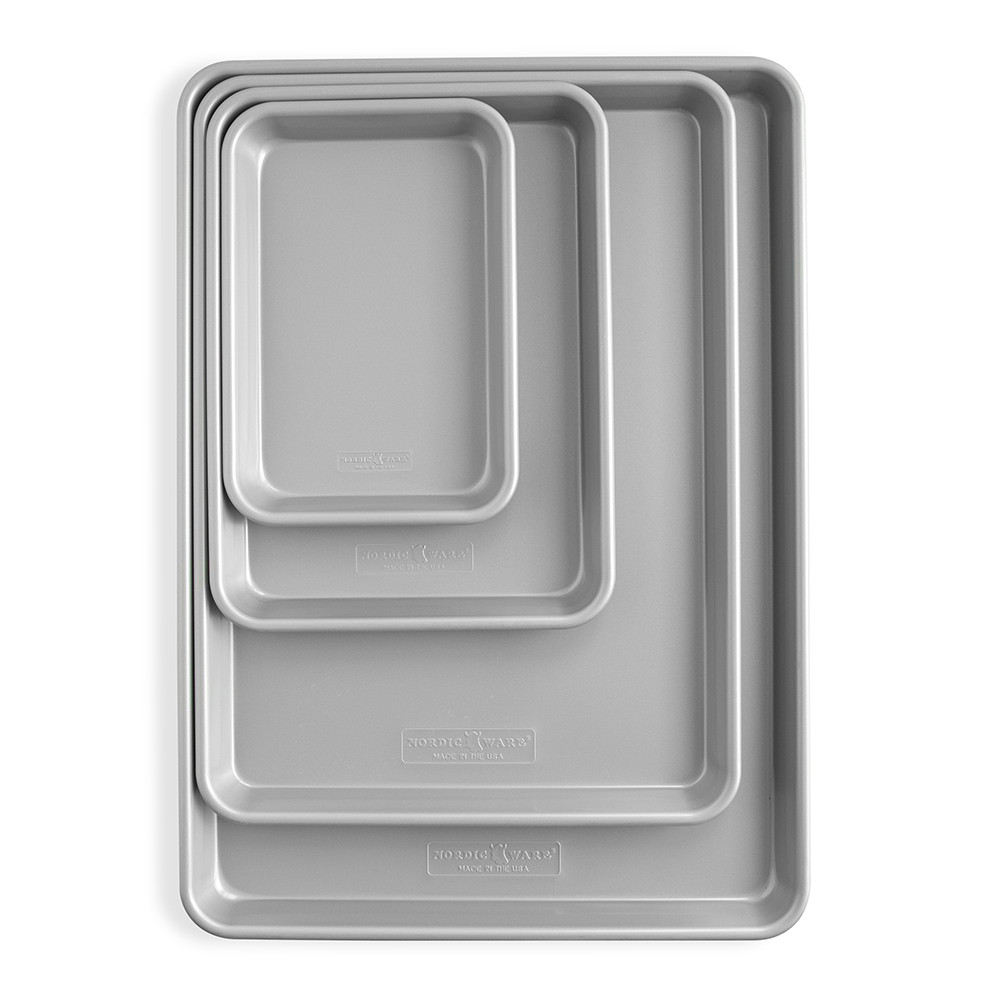
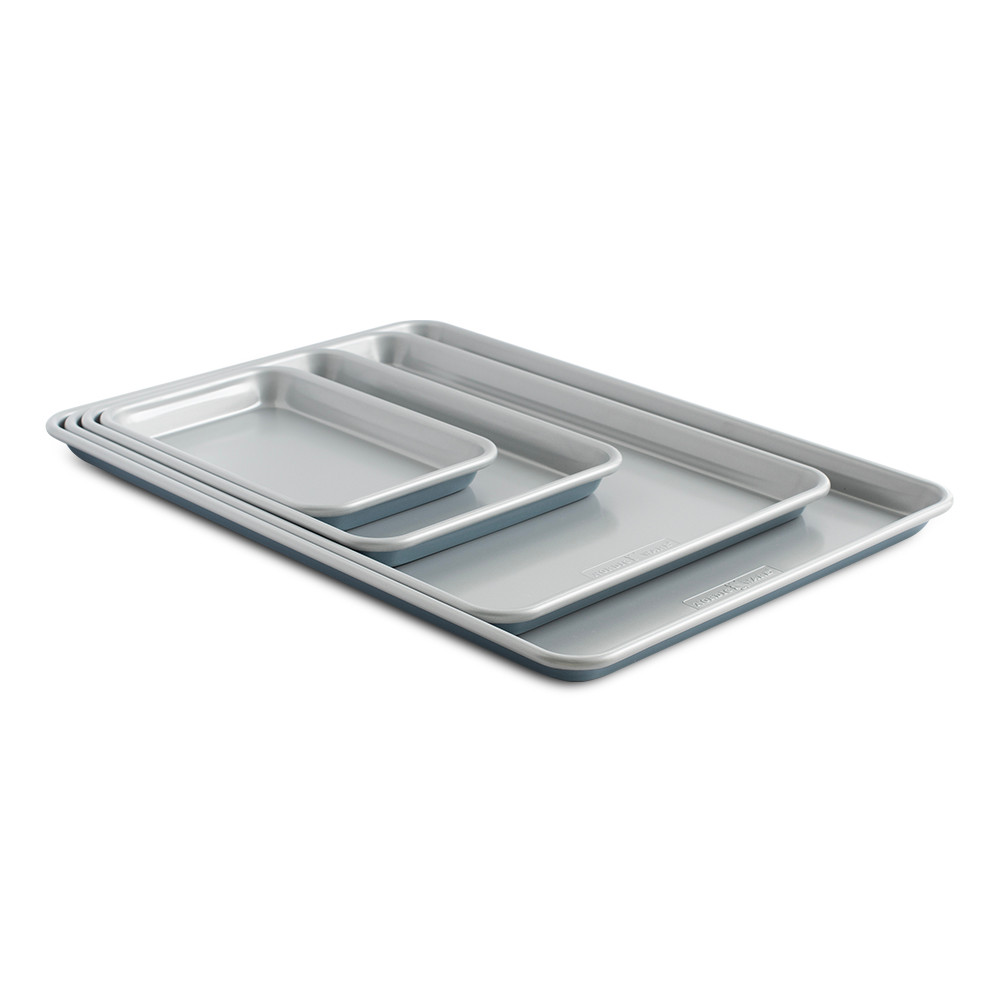
Nordic Ware’s Naturals® aluminum baking sheets are a trusted choice for everyday baking, with multiple sizes available for everything from small batches to family meals and larger baking projects.
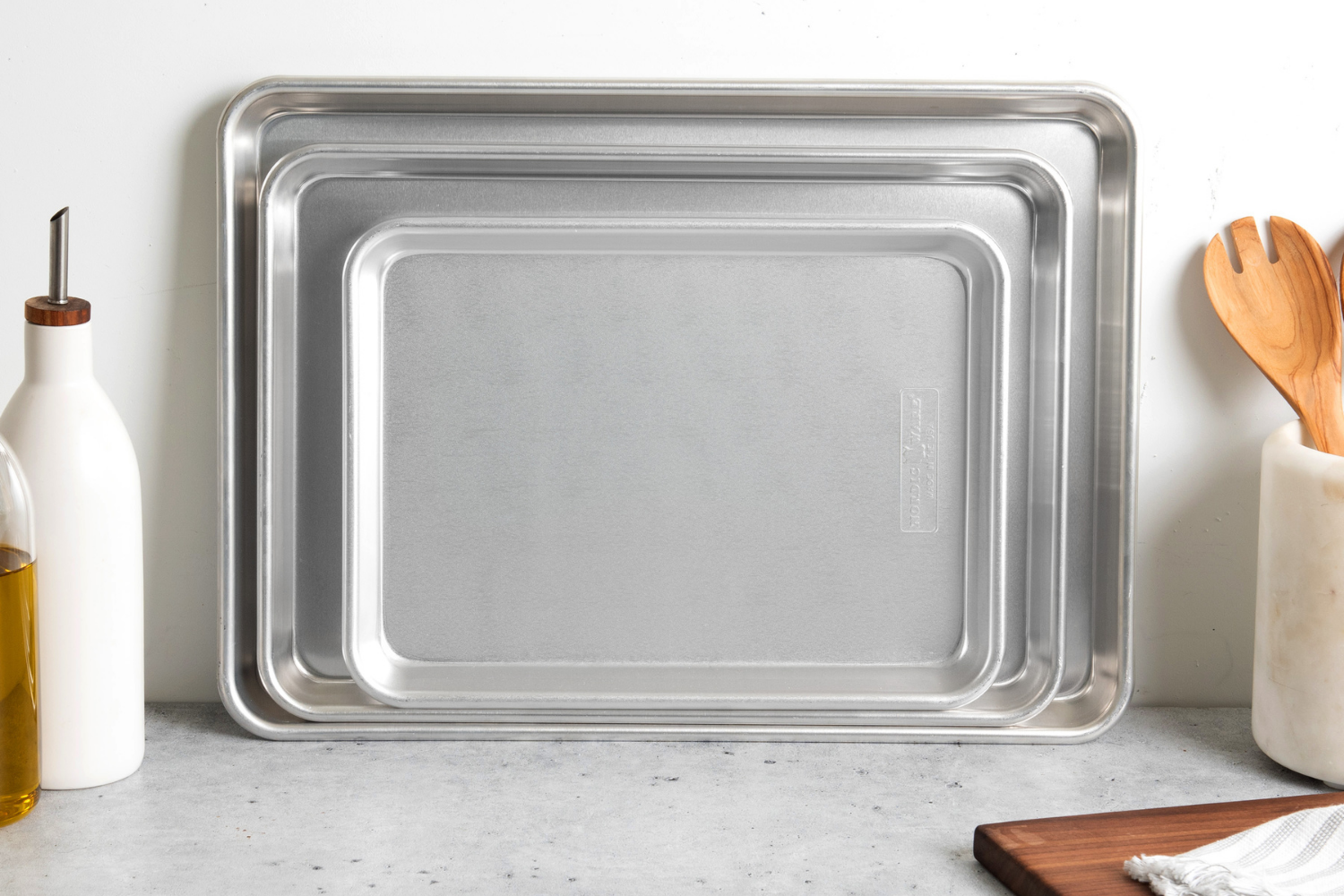
For a versatile kitchen staple, the Naturals® Baker’s Half Sheet is a go-to size for cookies, sheet pan meals, and roasting. The Naturals® Quarter Sheet is a convenient choice for smaller batches and everyday oven tasks, while the Naturals® Big Sheet provides extra room when you’re baking for a crowd.
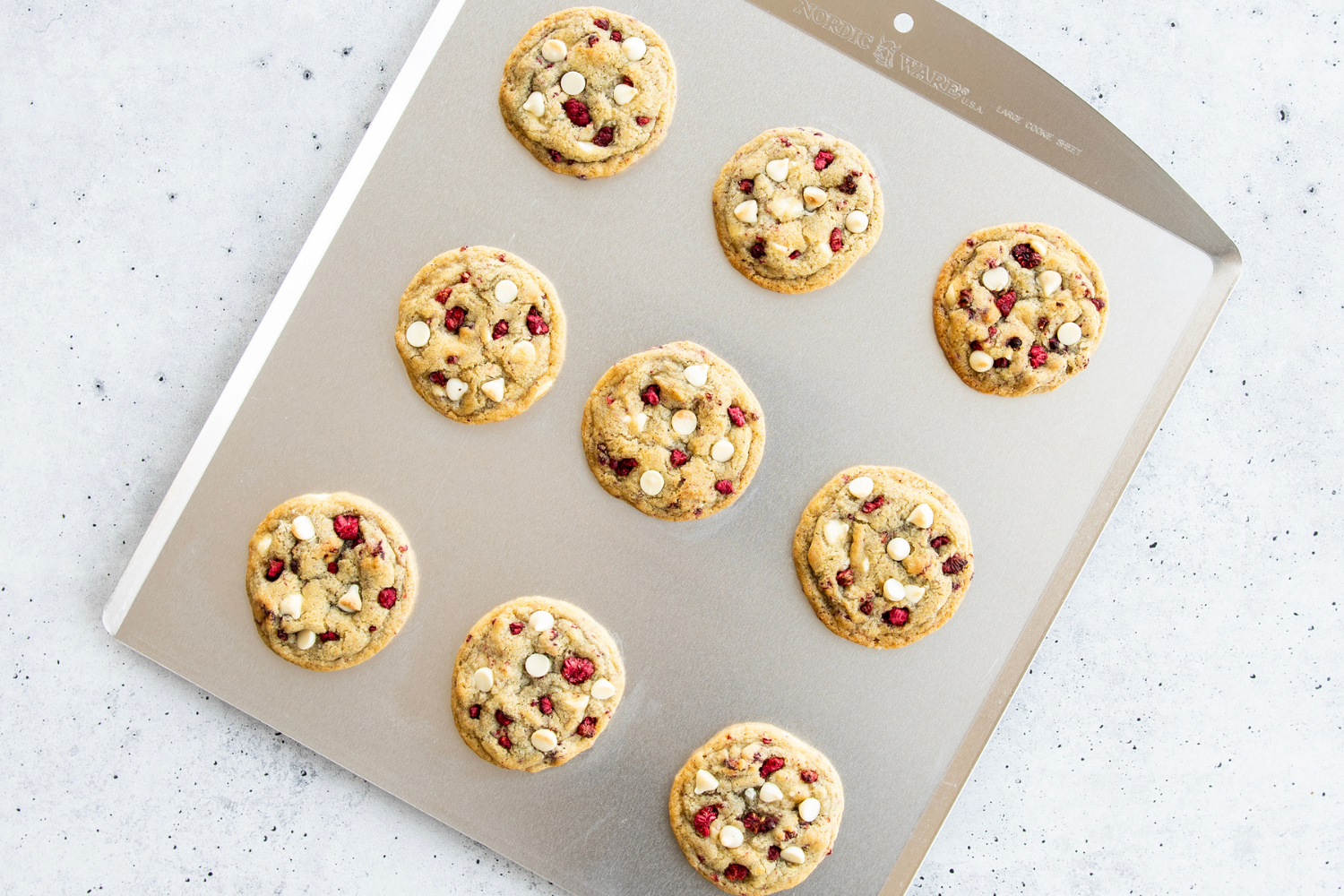
The Naturals® Large Classic Cookie Sheet a generous baking surface and an open-sided design for easily sliding cookies on and off the pan, while the Naturals® Insulated Baking Sheet is a great option for bakers who prefer consistent, gentle browning.
Bakers who prefer easy release and cleanup can also explore Nordic Ware’s nonstick baking sheets.
When choosing a baking sheet, consider the material, construction, coating, dimensions, maximum oven temperature, care instructions, and warranty, along with the types of recipes you make most often.
The best baking sheet is ultimately the one that fits the way you cook and bake, whether that’s weekly batches of cookies, roasted vegetables, sheet pan dinners, or something in between.
User Tips for Maximizing Cookie Sheet Potential
Once you’ve found your pan, a few techniques can make it perform even better.
Enhancing Heat Distribution
If cookie bottoms consistently brown too quickly, parchment or a reusable silicon mat can provide a little separation from the hot metal.
Another old-school baking trick is double-panning: stacking one baking sheet beneath another to create additional insulation from bottom heat. It’s useful for delicate baked goods when the bottom is cooking faster than the top.
Don’t automatically double every pan, though. You’re intentionally changing heat transfer, which means baking time may change as well.
Also, don’t put raw cookie dough onto a hot pan from the previous batch. The dough may begin melting immediately, affecting spread before it even reaches the oven.
Alternative Uses for Cookie Sheets
Cookie sheets don’t need to spend the other 11 months of the year waiting for holiday baking.
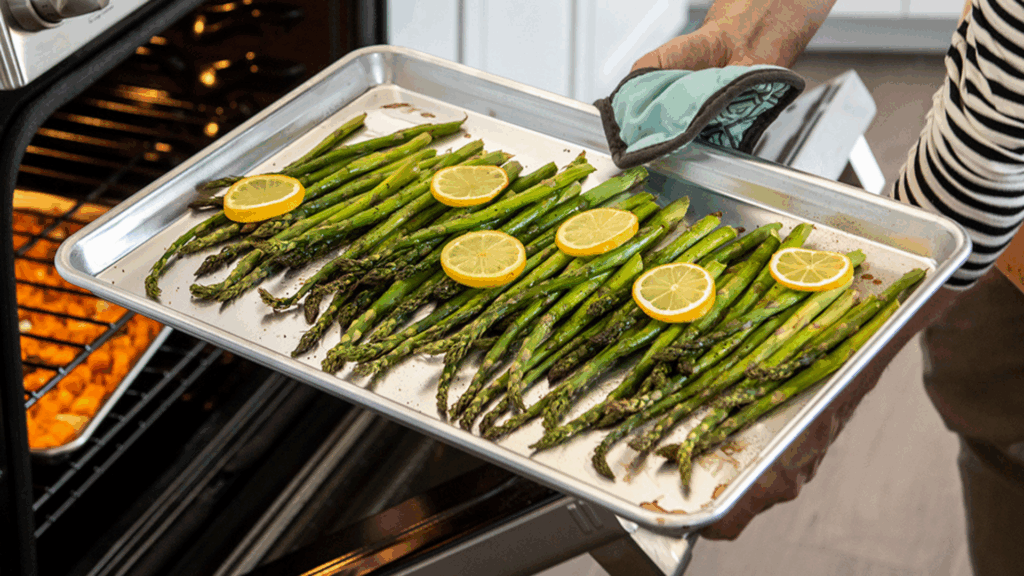
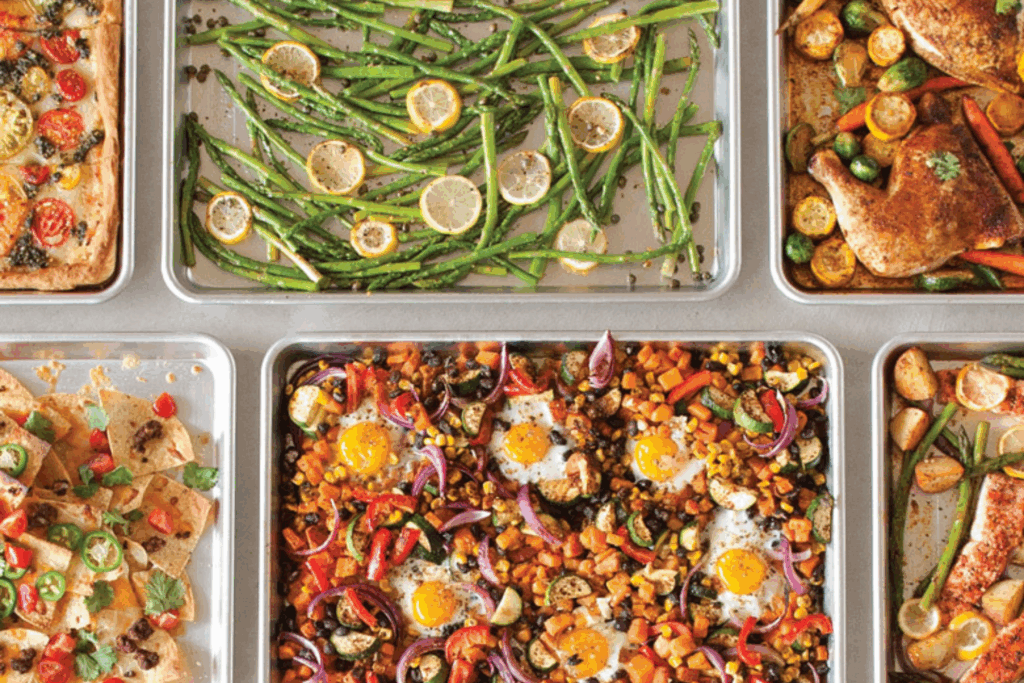
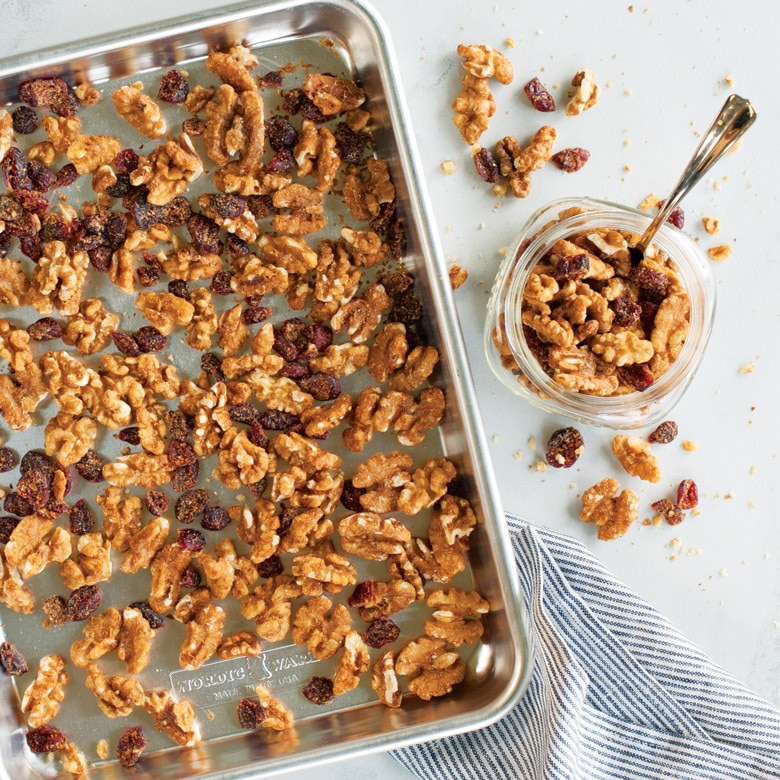
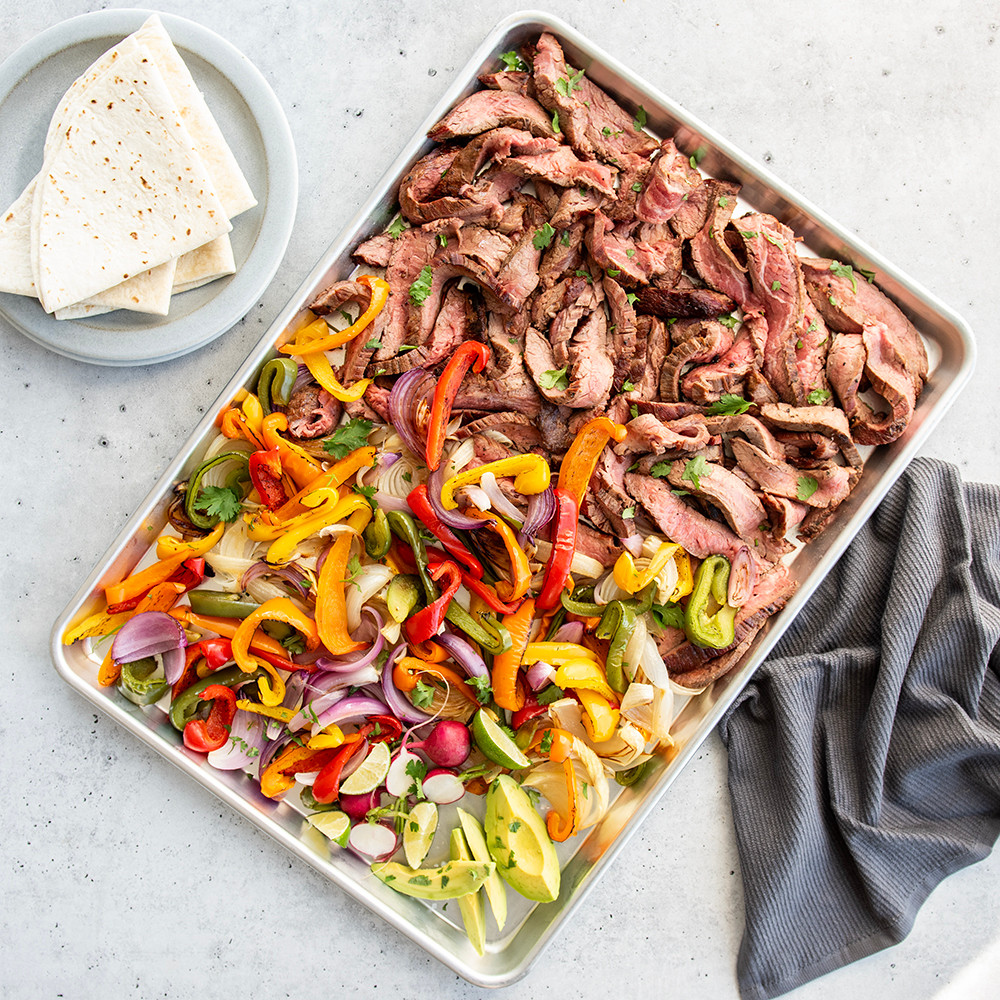
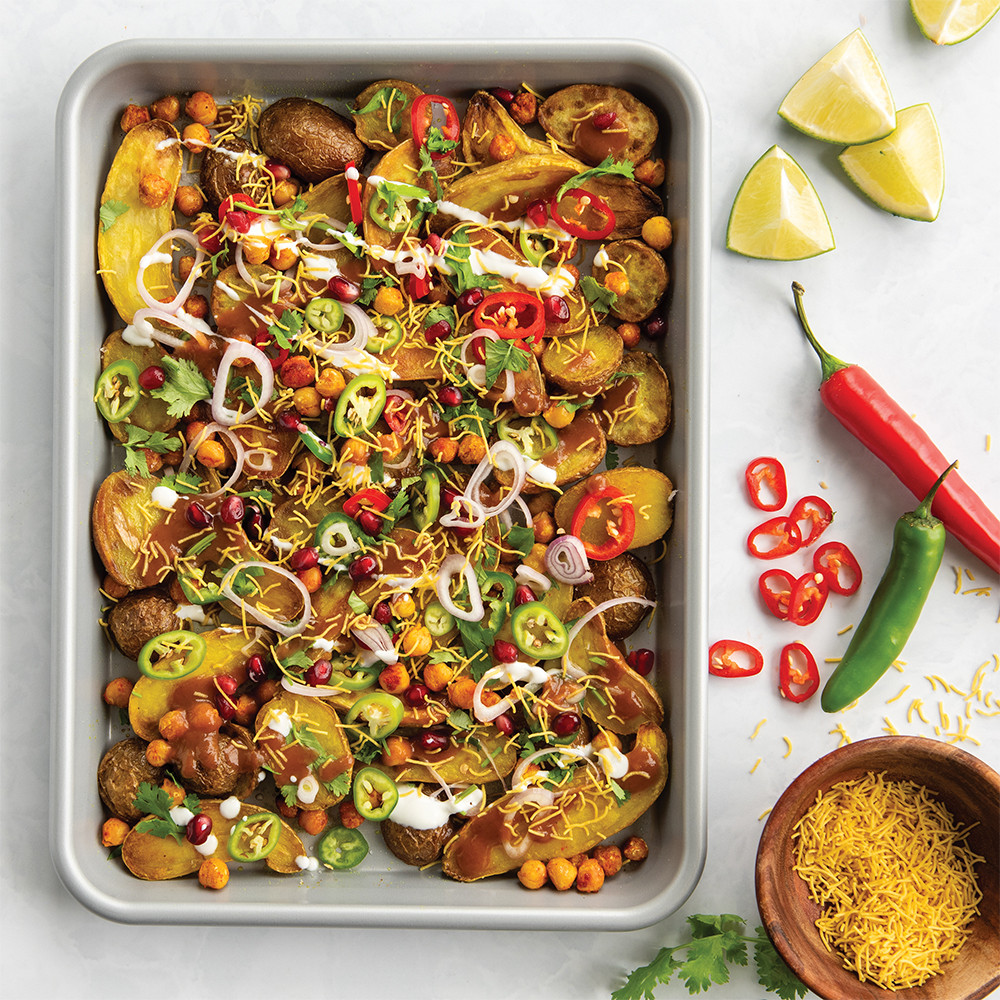
Rimmed baking sheets, in particular, are excellent for roasting vegetables, toasting nuts, cooking sheet-pan dinners, baking granola, roasting chickpeas, reheating pizza, and organizing meal-prep ingredients.
Rimless cookie sheets are less appropriate for foods that release fat or liquid because there’s nothing stopping those juices from escaping into your oven.
They can, however, be useful for baking cookies, breads, and other relatively dry foods—and even for staging ingredients while you’re cooking.
Conclusion
For most bakers, a sturdy, light-colored aluminum pan offers the best balance of heat conduction, versatility, durability, and predictable browning.
But that’s not the same as saying all aluminum pans are automatically best for everyone.
Nonstick makes sense when easy release and cleanup matter most. Insulated sheets can solve a real problem for bakers battling dark bottoms and delicate cookies. And whichever pan you choose, construction and proper care matter just as much as the category name printed on the package.
The best cookie sheet isn’t necessarily the fanciest one; it’s the one that gives you the cookie you actually want to eat.
Frequently Asked Questions
Q: What is the highest rated bakeware?
There isn’t a single bakeware line that’s objectively highest-rated for every use. In published equipment reviews, heavy-duty light-colored aluminum sheet pans frequently perform well because they conduct heat efficiently and provide predictable browning. Nordic Ware’s aluminum baking sheets are particularly common among expert recommendations.
Q: What cookie sheet does America’s Test Kitchen recommend?
America’s Test Kitchen has historically recommended heavy-duty aluminum sheet pans, including Nordic Ware’s Naturals Baker’s Half Sheet in its equipment testing.
Q: What is the best material for a cookie pan?
For a versatile everyday cookie sheet, light-colored aluminum is an excellent choice because it conducts heat efficiently and promotes relatively even browning. Nonstick offers easier release and cleanup but requires more careful handling, while insulated sheets are useful for delicate cookies and bakers trying to reduce bottom browning.