How to Use a Dutch Oven: 9 Cooking and Baking Ideas for a 6 Quart Dutch Oven
There are a handful of kitchen tools that earn their place. And then there’s the Dutch oven, the overachiever of cookware that quietly does the job of five other pots without asking for applause.
If you’ve ever wondered why people are borderline evangelical about theirs, it’s because a Dutch oven doesn’t just cook, it transforms how you cook. It handles slow braises, high-heat searing, deep frying, roasting, and yes, that perfect crackly loaf of bread you keep seeing all over your feed. It holds heat like a dream, cooks evenly, and makes one-pot meals feel like an actual strategy, not a compromise.
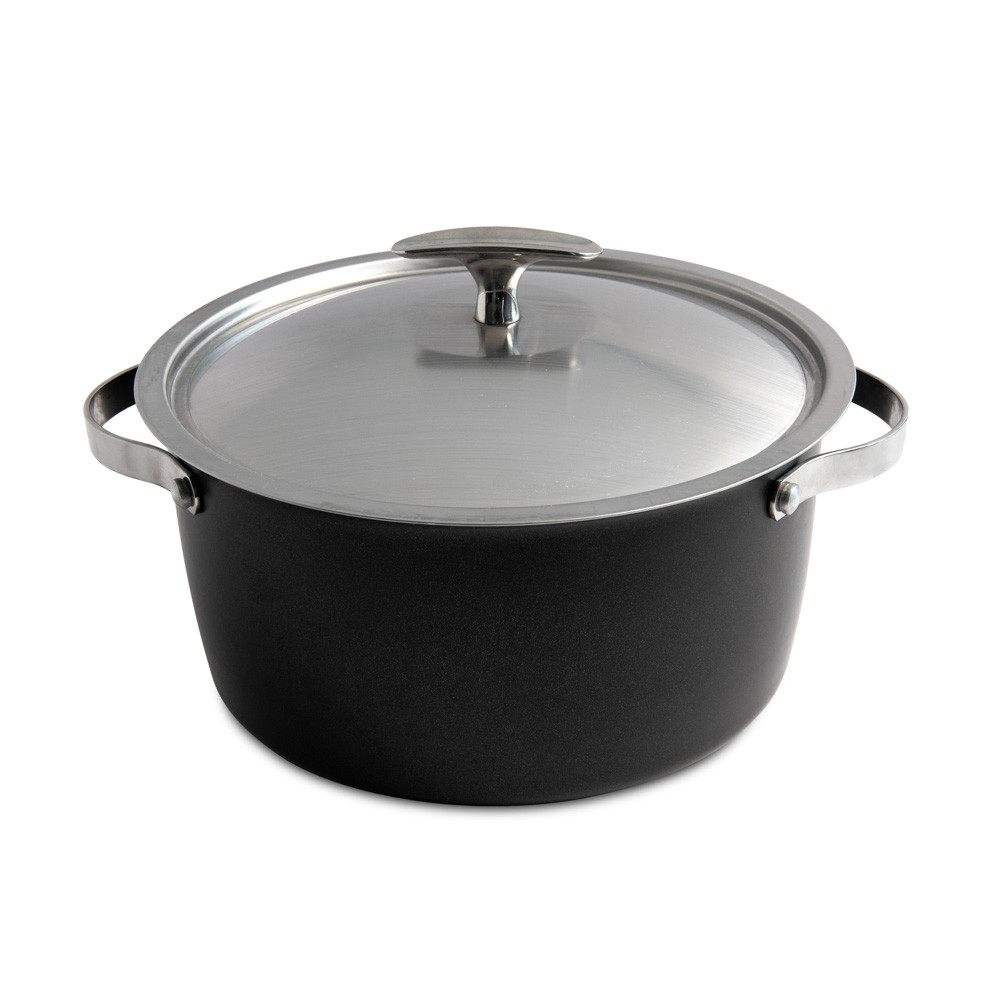
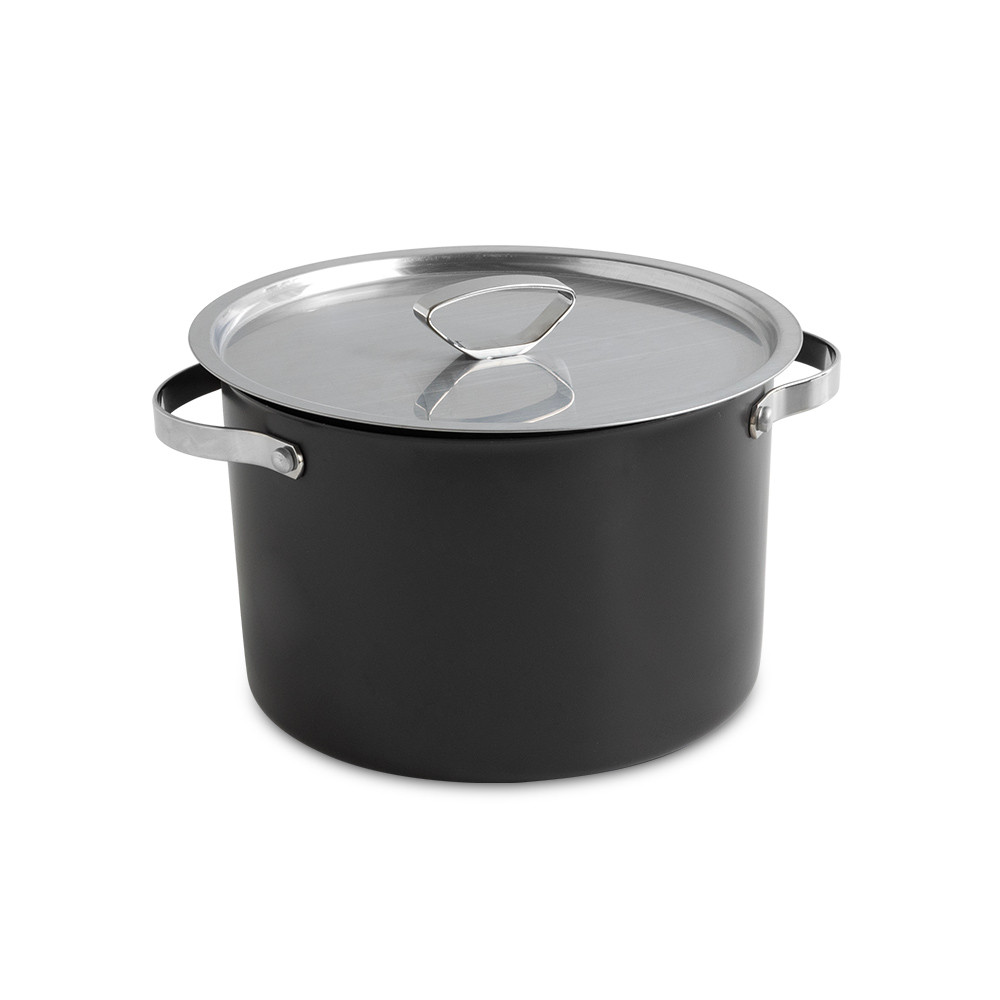
Most home cooks land on a 6 qt Dutch oven for a reason. It’s big enough for soups, roasts, and sourdough, but not so massive that it feels like you’re cooking for a dinner party every night. Something like the Nordic Ware Basalt 6 QT Dutch Oven hits that sweet spot—durable, consistent, and versatile enough to go from stovetop to oven without drama. Which, frankly, is the whole point.
Table of Contents:
- What Is a Dutch Oven and Why Use One?
- Why a 6 QT Dutch Oven Is a Kitchen Essential
- 9 Practical Dutch Oven Uses for Cooking and Baking
- Baking Bread in a Dutch Oven (Sourdough & Artisan Loaves)
- Can You Use a Dutch Oven on the Stove?
- How to Use a Dutch Oven for the First Time
- Tips for Cooking and Baking with a Dutch Oven
- Frequently Asked Questions About Dutch Oven Uses
What Is a Dutch Oven and Why Use One?
What Is a Dutch Oven?
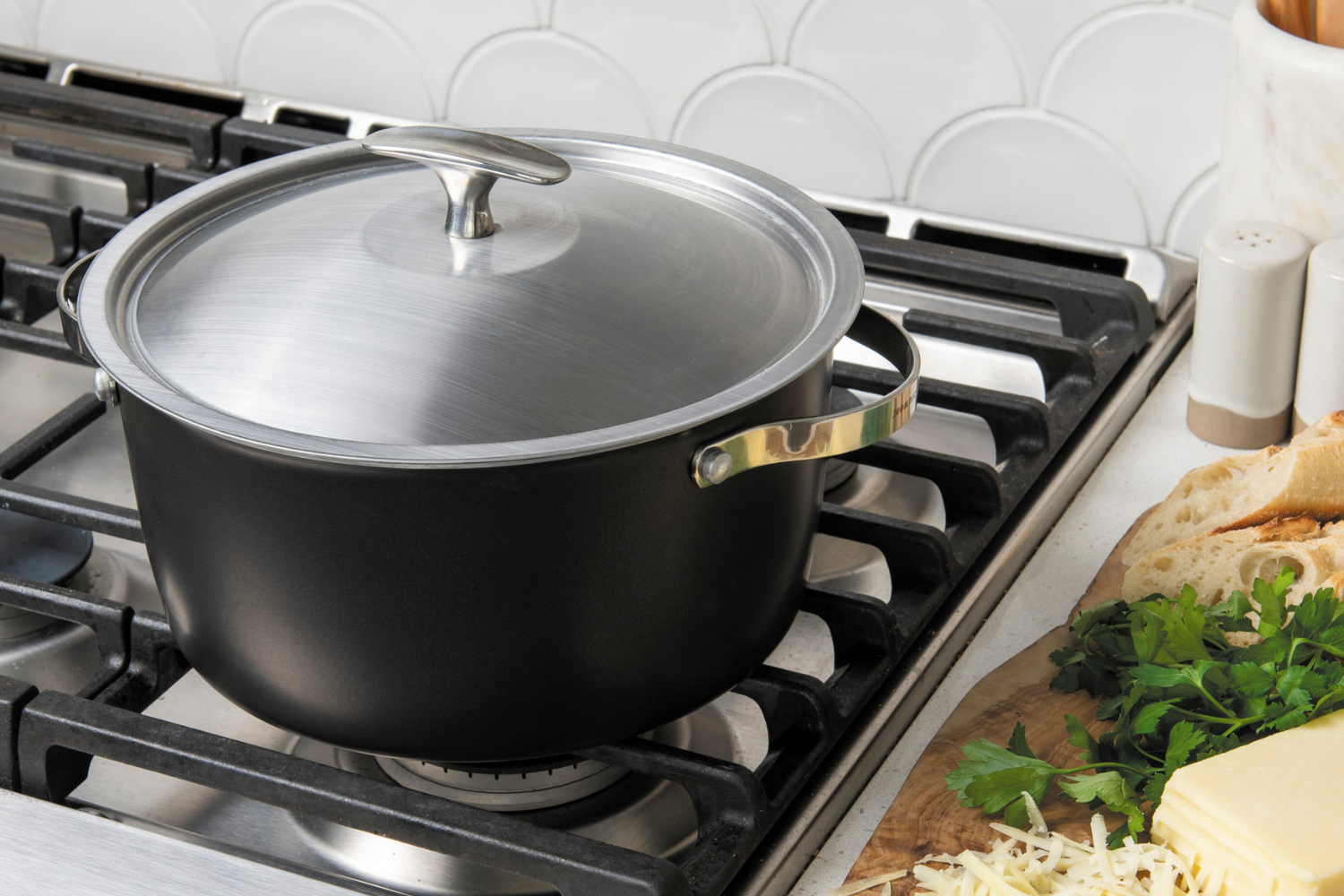
A Dutch oven is a heavy, thick-walled pot with a tight-fitting lid designed to handle everything from slow cooking and braising to frying and baking bread. Whether it’s cast iron, enameled, or ceramic Dutch oven construction, the defining feature is its ability to retain and distribute heat evenly while trapping moisture inside.
In practical terms, it’s the pot that does the job you wish your other pots could do better.
Benefits of a Dutch Oven
The appeal of a Dutch oven isn’t theoretical—it’s functional. The heavy construction allows it to retain heat exceptionally well, which means once it’s hot, it stays hot, creating a stable cooking environment. That stability translates to even cooking, especially for dishes like braises and roasts that rely on low, steady heat. Other benefits include:
- Even cooking for braising and roasting
- Tight-fitting lid traps moisture and steam
- Works on the stovetop and in the oven
- Ideal for bread baking and slow cooking
Why a 6 Quart Dutch Oven Is One of the Most Versatile Sizes
A 6 qt Dutch oven is the quiet workhorse size that manages to feel both practical and capable. It’s large enough to handle a pot roast, a whole chicken, or a batch of soup for the week, but not so oversized that it becomes inconvenient for everyday use.
In real life, that means it can comfortably handle everything from a Sunday braise to a weeknight pasta without forcing you to adjust portions or rethink your plan. It fits in most ovens, works beautifully for bread baking, and has enough capacity for batch cooking without crossing into “too much pot” territory.
It’s the size people reach for because it works—consistently, predictably, and without requiring you to overthink it.
What Can You Cook in a 6 Quart Dutch Oven?
Examples:
- Pot roast
- Whole chicken
- Soups and stews
- One-pot meals
- Bread
- Baked pastas and desserts
- Casseroles
Why Many Home Cooks Choose a 6 Quart Dutch Oven
A 6 qt Dutch oven is the quiet workhorse size that manages to feel both practical and capable. It’s large enough to handle a pot roast, a whole chicken, or a batch of soup for the week, but not so oversized that it becomes inconvenient for everyday use.
In real life, that means it can comfortably handle everything from a Sunday braise to a weeknight pasta without forcing you to adjust portions or rethink your plan. It fits in most ovens, works beautifully for bread baking, and has enough capacity for batch cooking without crossing into “too much pot” territory.
It’s the size people reach for because it works—consistently, predictably, and without requiring you to overthink it.
9 Practical Dutch Oven Uses for Cooking and Baking
Unsure of what to make in your Dutch oven? Here are a few ideas to help get you started.
1. Braise Tender Pot Roast
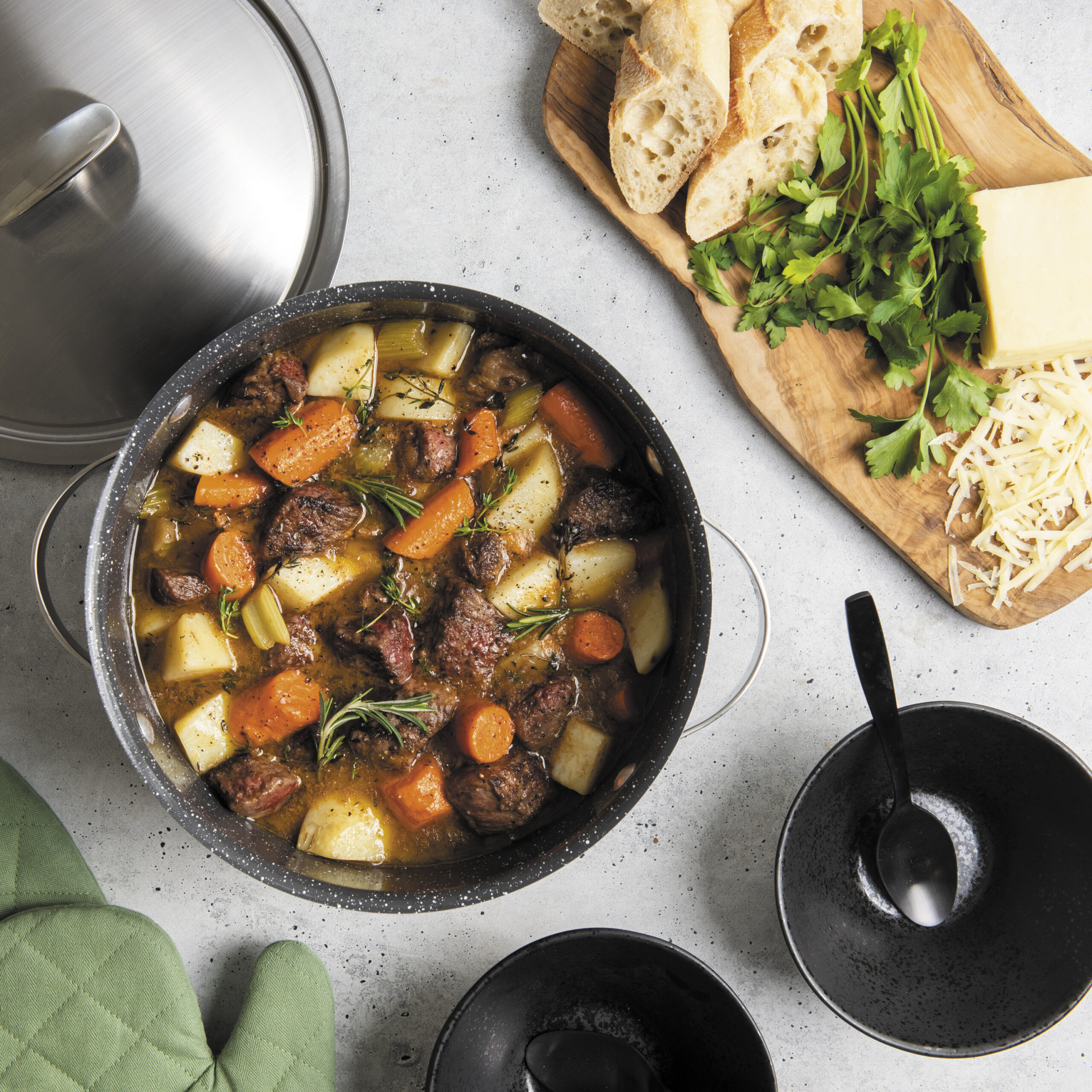
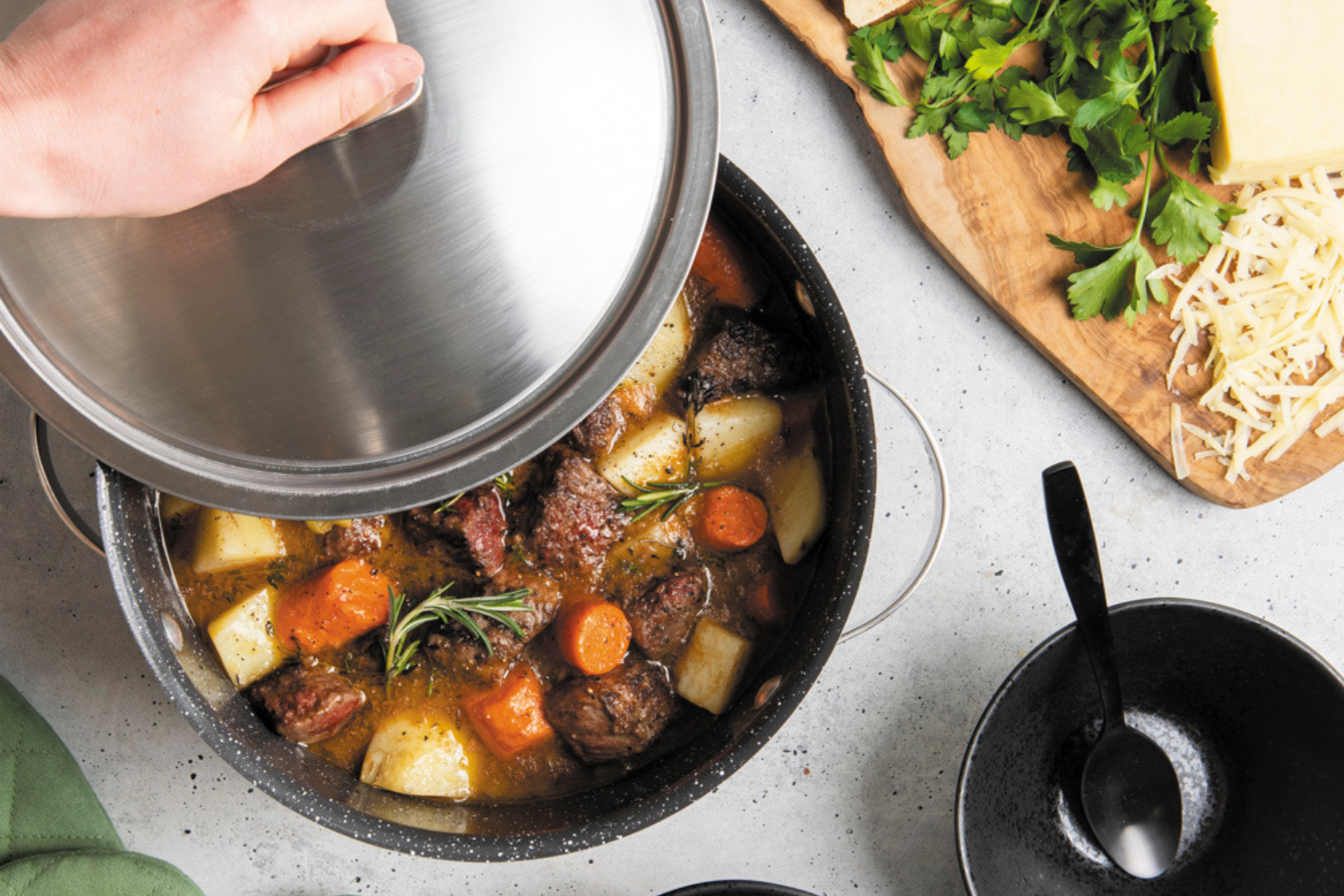
A Dutch oven is, quite frankly, built for pot roast. The process starts by searing the meat directly in the pot, building flavor before anything else goes in. From there, broth, herbs, and vegetables are added, and the whole thing moves into the oven to cook low and slow. The heavy walls of the Dutch oven maintain a consistent temperature, allowing the connective tissue in the meat to break down gradually. The result is exactly what you want—tender, pull-apart meat that feels like it took more effort than it actually did. Looking for inspiration? Try our French-Style Beef Stew recipe or hearty Beef Stew recipe.
2. Roast a Whole Chicken
Roasting a chicken in a Dutch oven is one of those things that makes you feel more capable than you actually are—in the best way. The enclosed environment helps the meat stay juicy while still allowing the skin to crisp. Adding vegetables underneath turns it into a full meal with minimal effort. Basting occasionally helps, but even if you forget, the structure of the pot does most of the work. Letting the chicken rest before serving is non-negotiable, but otherwise, it’s a straightforward path to a very impressive result. For even more tips, read our guide to the Best Pans for Baking Whole Chicken.
3. Simmer Soups and Stews
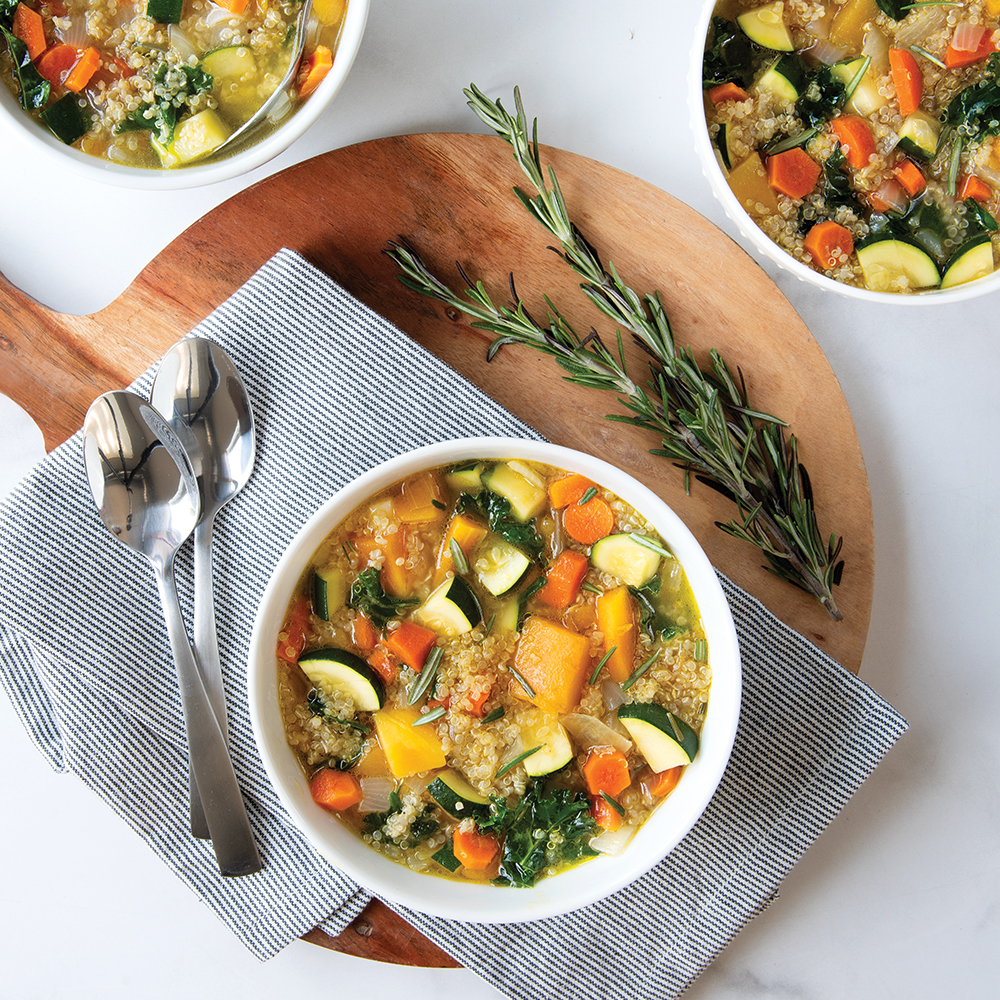
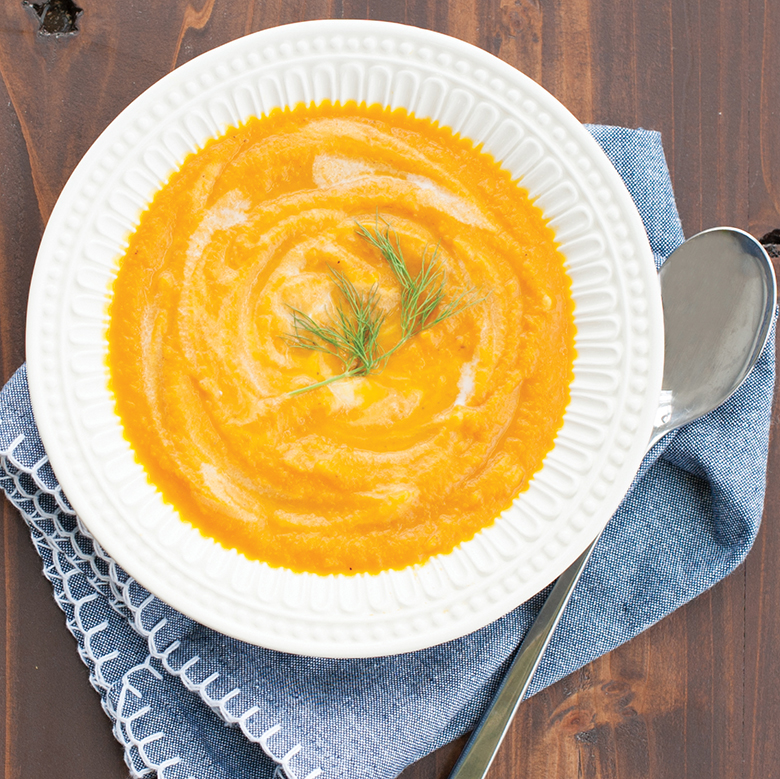
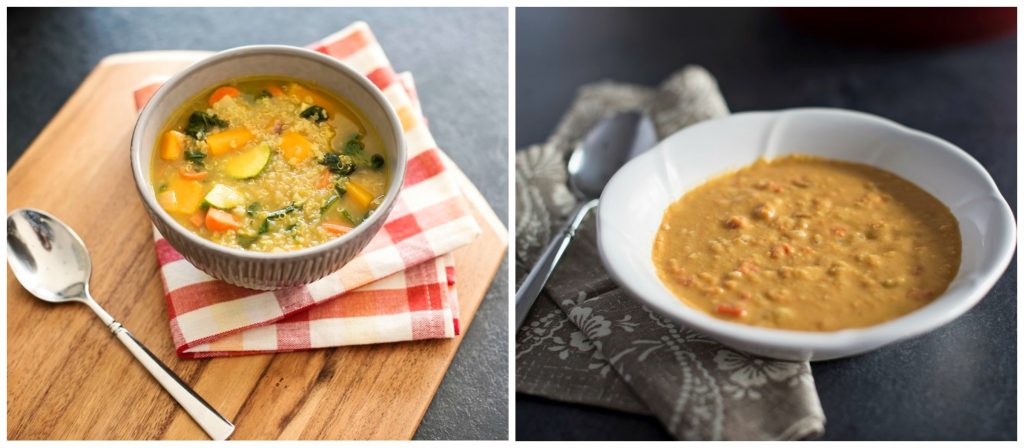
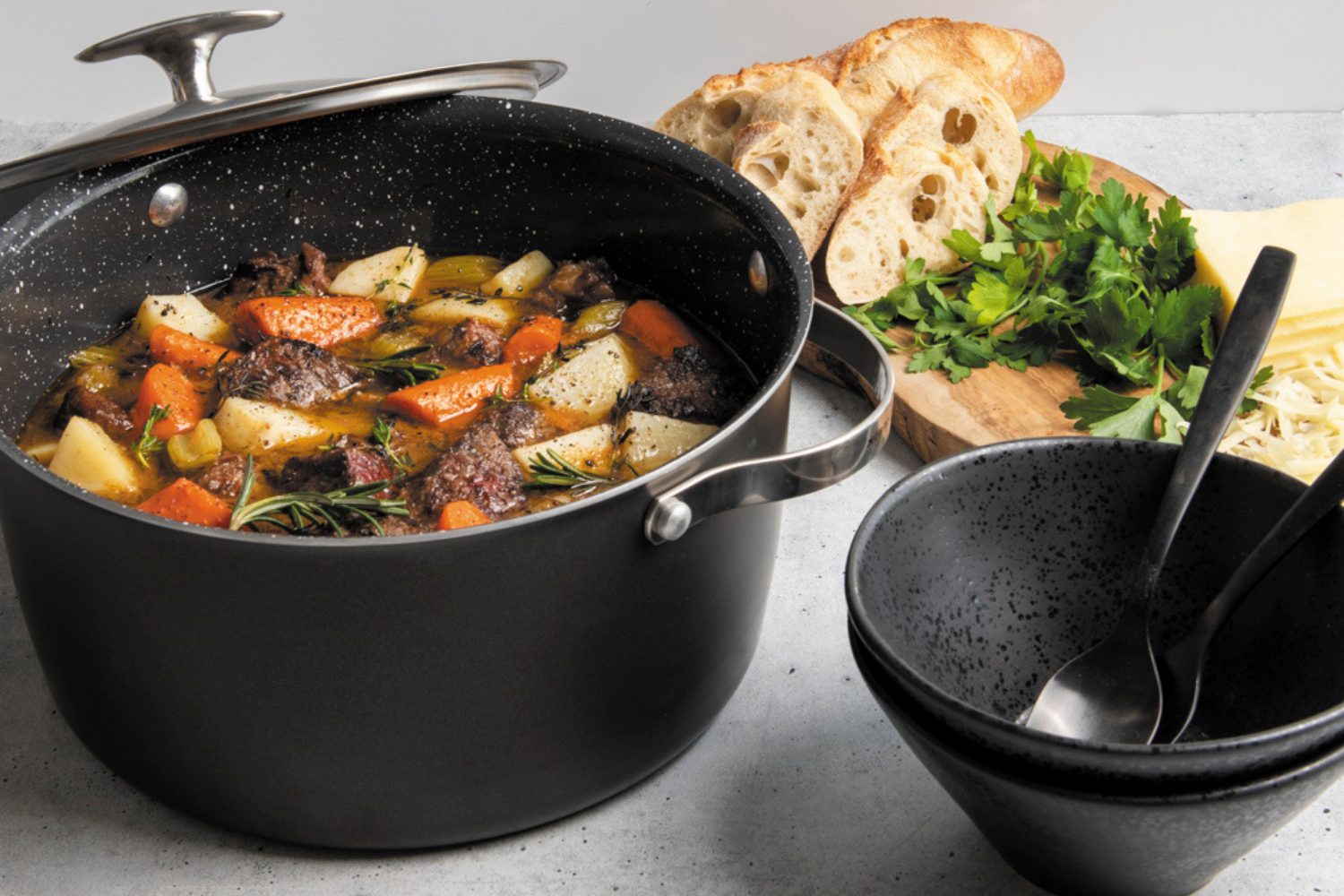
Dutch ovens excel at maintaining a gentle, consistent simmer, which is exactly what soups and stews need. Whether it’s a beef stew, chicken soup, vegetable chili, or seafood-based dish, the pot’s heat retention keeps everything cooking evenly without constant adjustment. You’re not fighting hot spots or babysitting the burner just letting the ingredients do what they’re supposed to do over time. If you’re looking for a cozy recipe to get started, try our Rosemary Butternut Squash, Quinoa & Vegetable Soup, Carrot Soup with Lemon & Dill, or French-Style Beef Stew.
4. Bake Sourdough Bread
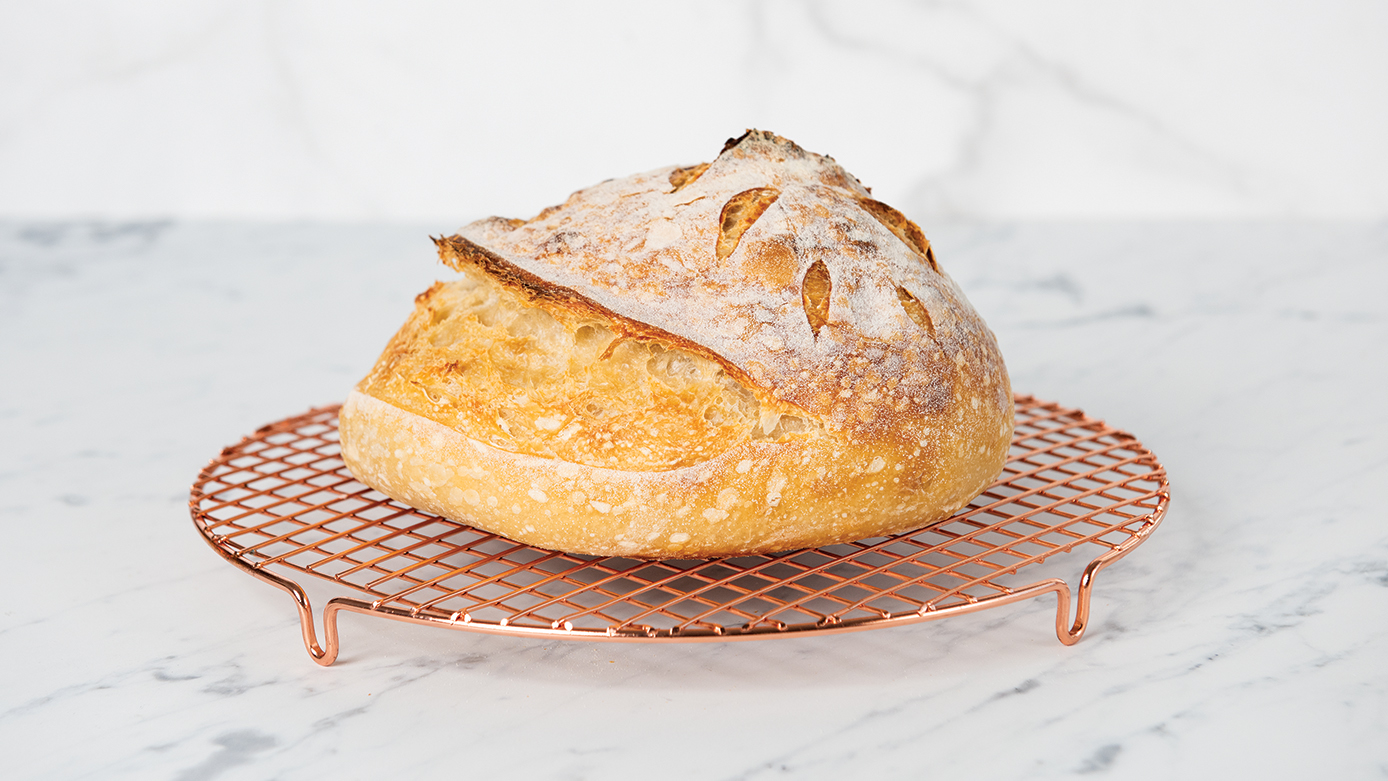
If you’ve ever wondered how people are getting bakery-level sourdough at home, the answer is almost always a Dutch oven. It traps steam during the initial baking phase, which allows the dough to expand fully before the crust sets. That’s what creates that signature crispy exterior and airy interior. It’s not magi, —it’s physics, and the Dutch oven is doing the heavy lifting. Ready to bake your first loaf? Follow along with the Simply Sourdough Guide for step-by-step instructions and recipes.
5. Bake No-Knead Artisan Bread
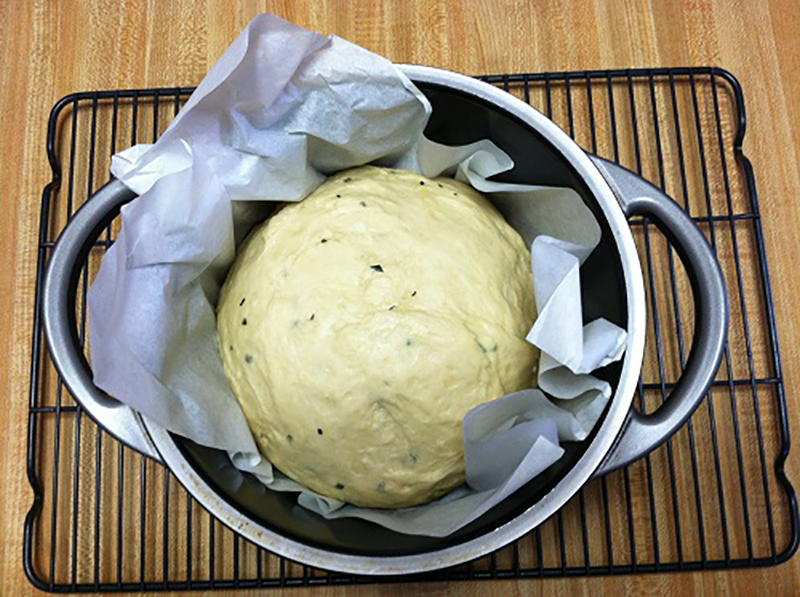
Even if sourdough feels like a commitment, a Dutch oven makes no-knead bread incredibly accessible. The same steam-trapping effect applies, helping create rustic, crusty loaves without specialized equipment. It’s one of the easiest ways to feel like you’ve leveled up your baking without actually complicating your life. If you’re ready to build your bread-baking skills, the Simply Sourdough Guide includes beginner-friendly techniques that can help you achieve beautiful homemade loaves.
6. Cook One-Pot Meals
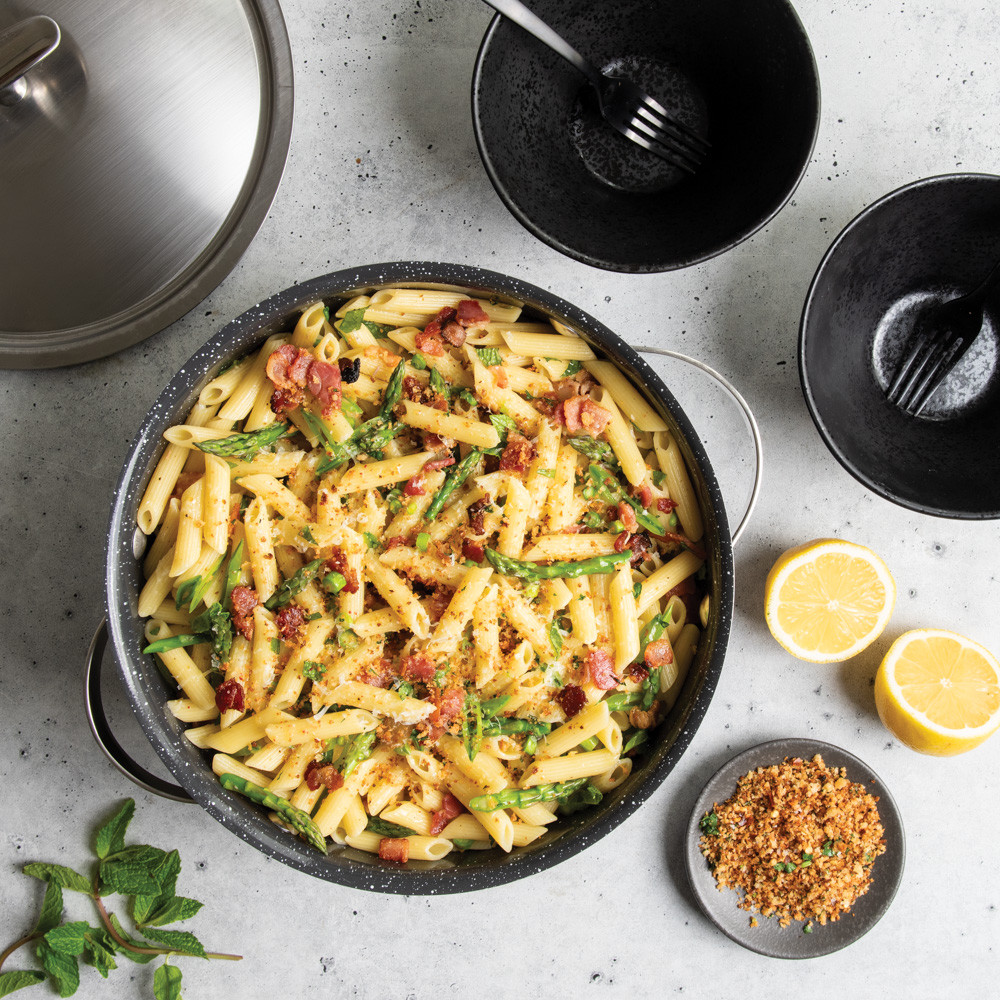
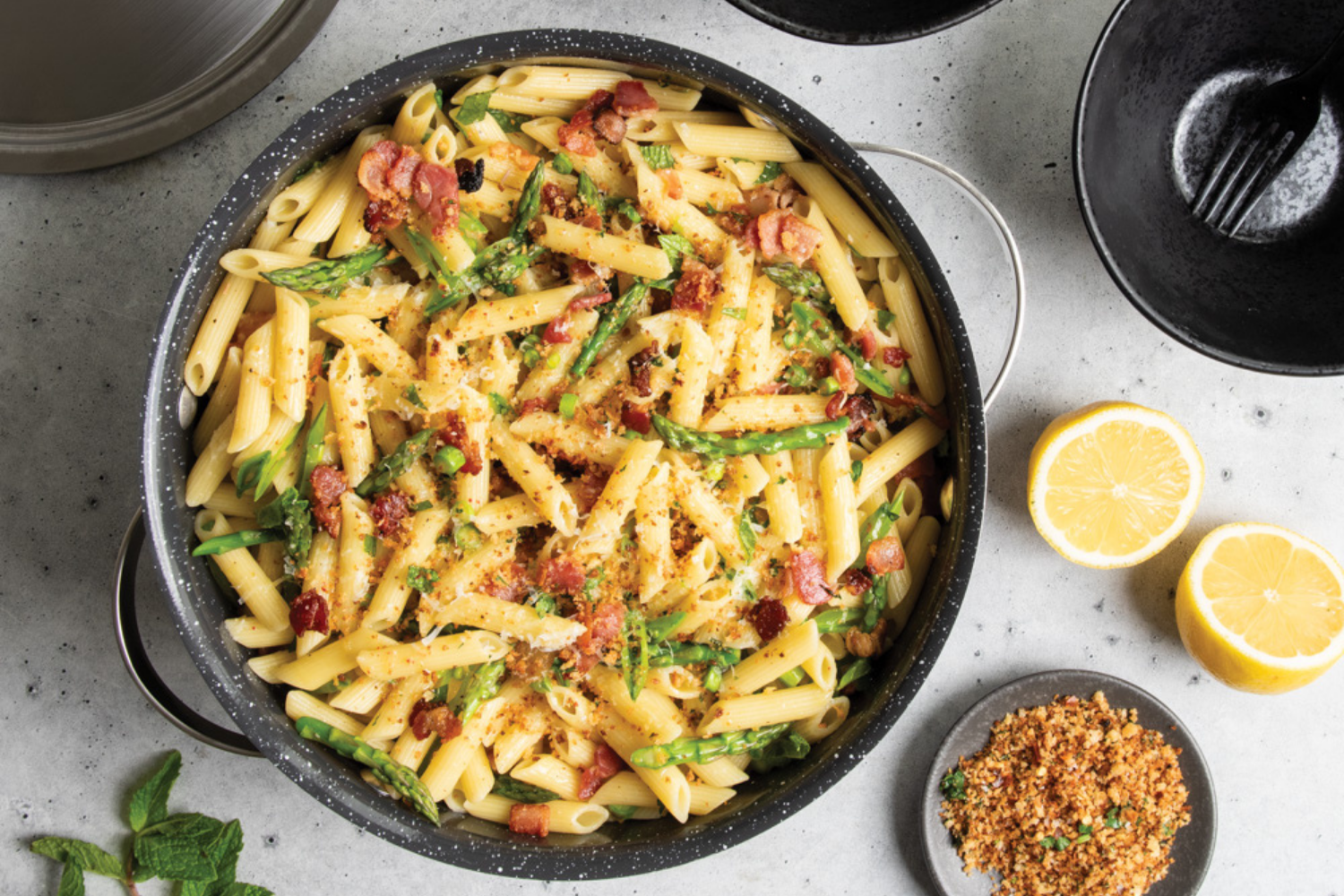
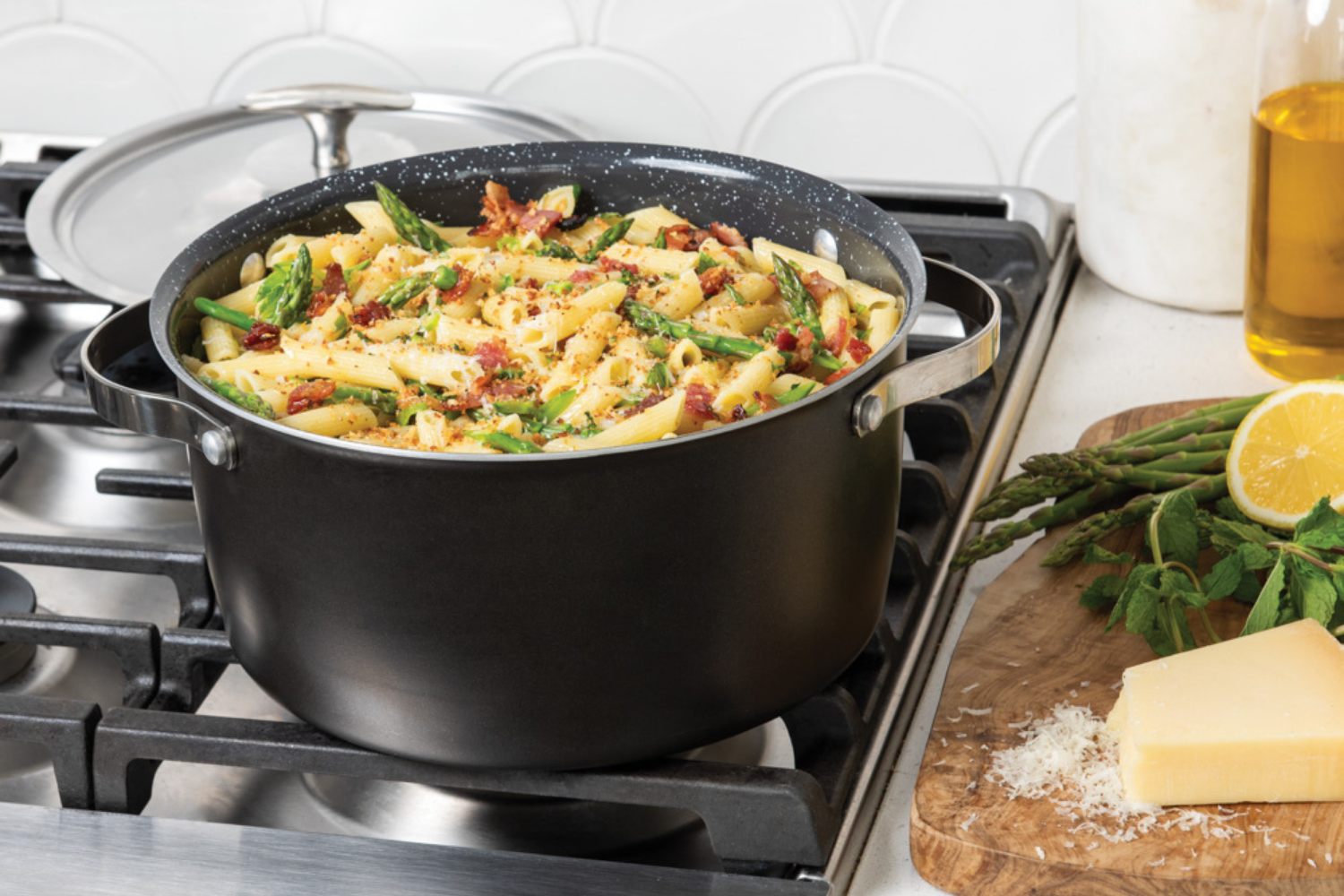
One-pot meals are where the Dutch oven quietly shines. Chili, pasta dishes, rice-based meals, and skillet-style dinners all benefit from the even heat and generous capacity. Everything cooks in one place, flavors build naturally, and cleanup is minimal. It’s efficient without feeling like you’re cutting corners. For an easy weeknight dinner, try our One-Pot Pasta recipe for a flavorful meal with minimal cleanup.
7. Fry Foods with Better Temperature Control
Frying is one of those things people avoid because it feels unpredictable. A Dutch oven fixes that. The heavy base stabilizes oil temperature, which is crucial for consistent results. Whether you’re making fried chicken, donuts, or fritters, you’re working with a more controlled environment, which means fewer surprises.
8. Roast Meat and Vegetables
A Dutch oven can easily stand in for a roasting pan, with the added benefit of better heat retention. Smaller cuts of meat, root vegetables, and braised dishes all benefit from the enclosed environment, which helps caramelize the exterior while keeping the interior tender. It’s a more forgiving way to roast, especially if you’re not looking to hover over the oven.
9. Bake Comfort Food and Desserts
This is where things get fun. Baked mac and cheese, fruit cobblers, bread pudding, and baked pasta all thrive in a Dutch oven. The even heat ensures everything cooks through without drying out, while the structure of the pot keeps edges from over-browning too quickly. It’s comfort food that actually turns out the way you want it to. Looking for a delicious place to start? Check out all of our favorite soup and stews recipes.
Baking Bread in a Dutch Oven (Why It Works)
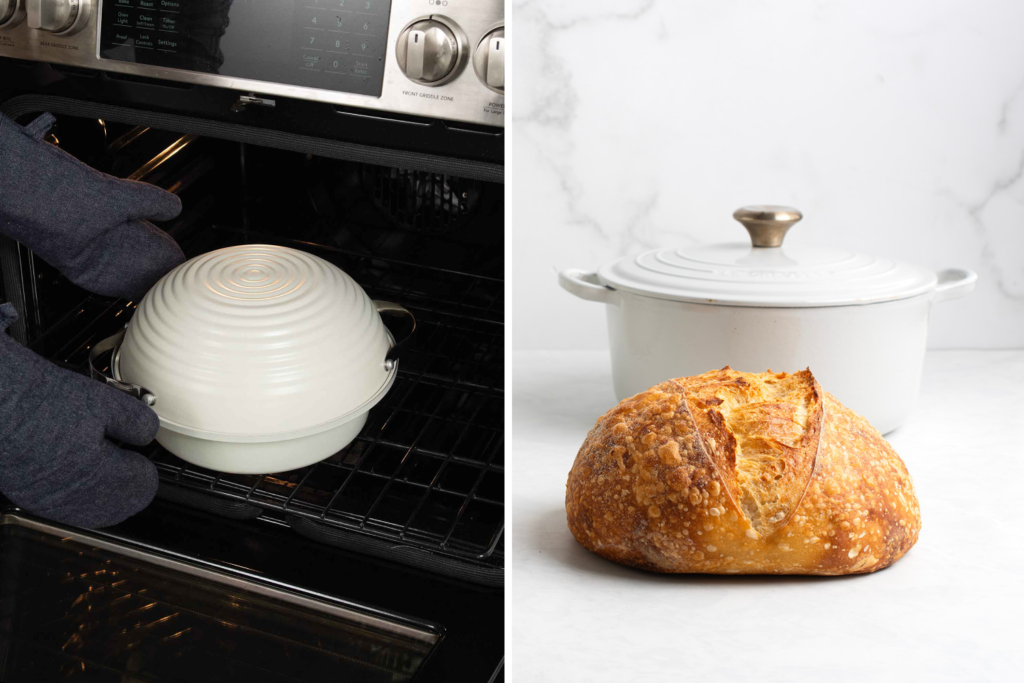
A Dutch oven mimics the environment of a professional bread oven by trapping steam, which is essential for proper crust formation and oven spring. That steam keeps the surface of the dough flexible during the early stages of baking, allowing it to expand before setting into a crisp crust.
The process itself is straightforward: preheat the Dutch oven, place your dough inside, cover it to trap steam, and then remove the lid partway through baking to allow the crust to develop. The result is consistent, bakery-quality bread without needing specialized equipment.
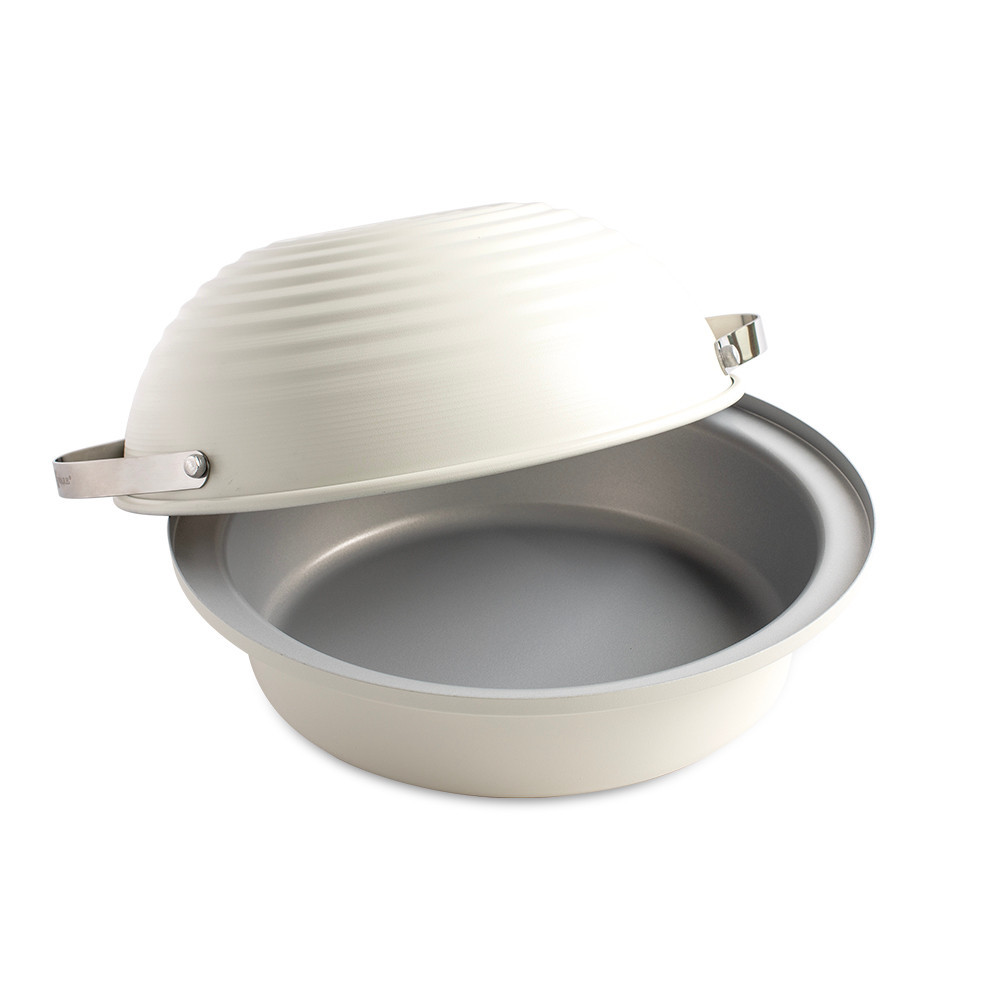
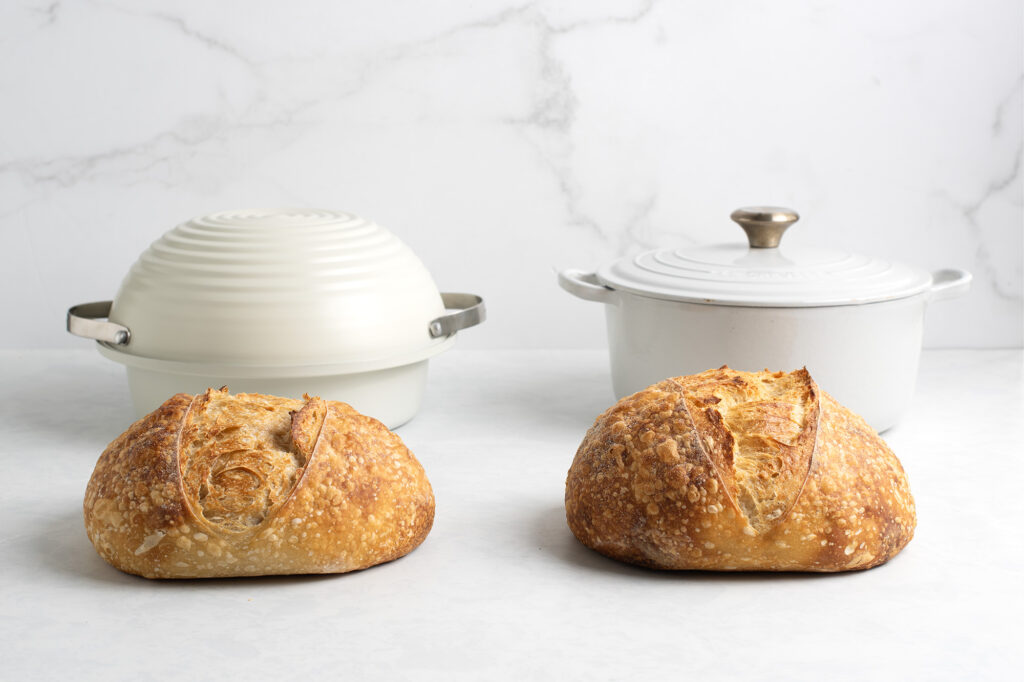
Curious how a Dutch oven compares to a dedicated sourdough bread baker? Explore our guide on Dutch Oven vs. Sourdough Bread Baker to learn the differences and find the right option for your baking style. You can also dive deeper into the science behind bakeware materials with our comparison of Aluminized Steel vs. Cast Iron for Sourdough Bread Baking.
Can You Use a Dutch Oven on the Stove?
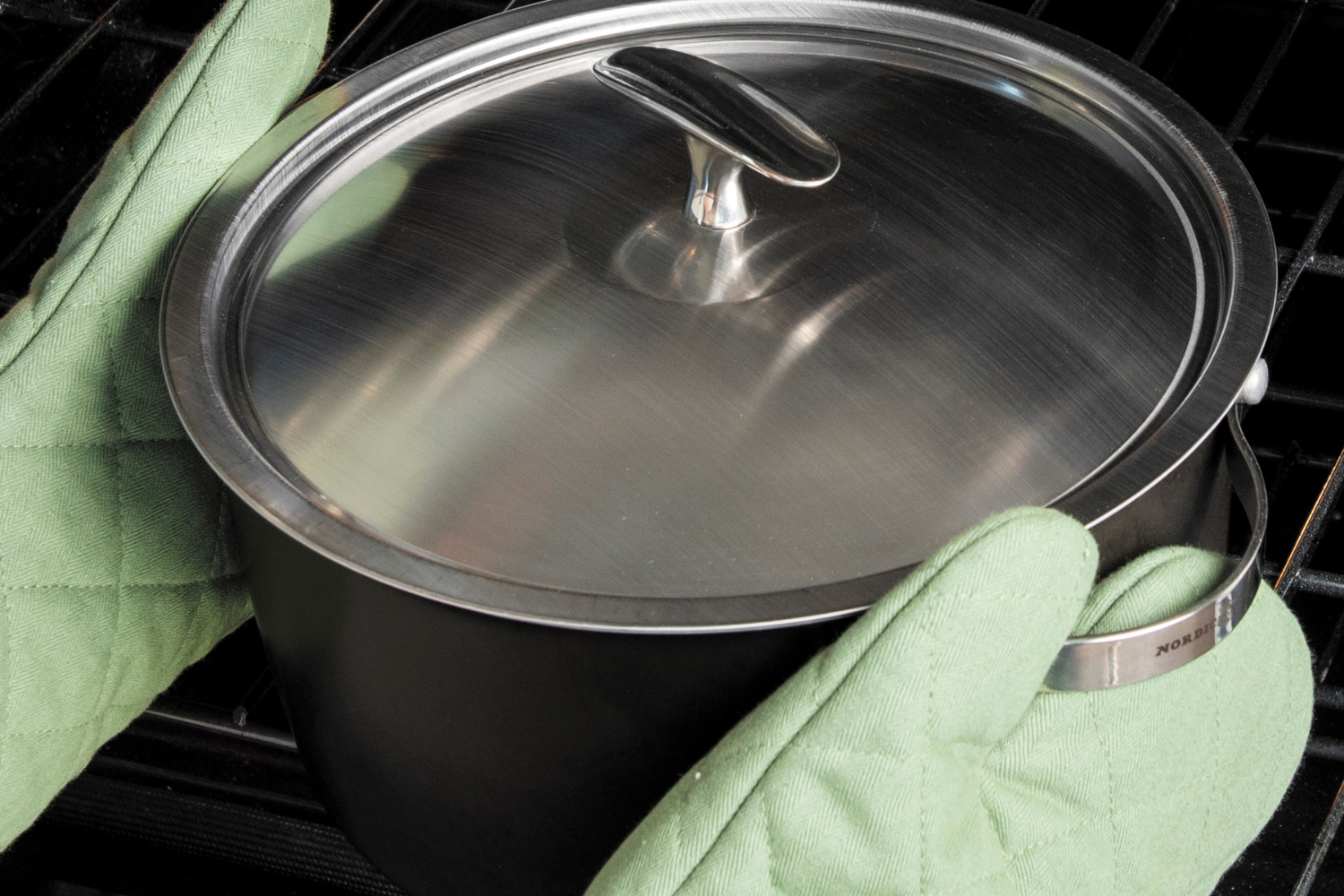
Yes, and you absolutely should. A Dutch oven works on gas, and electric stovetops, making it one of the most versatile pieces of cookware you can own. On a glass top stove, the key is to lift rather than drag the pot to avoid scratching the surface. On an electric stove, gradual heating is important to prevent thermal shock. The short version: it works everywhere, just treat it with a little respect.
How to Use a Dutch Oven for the First Time
Using a Dutch oven for the first time doesn’t require a learning curve so much as a shift in mindset. Start by washing and drying it thoroughly, then heat it gradually rather than cranking the burner to high. Medium heat is usually more than enough for most tasks. Avoid sudden temperature changes like moving a hot pot directly into cold water and stick to wood or silicone utensils to protect the surface. It’s not fragile, but it does reward a little care.
Tips for Cooking and Baking with a Dutch Oven
- Preheating the pot before searing meat helps build better flavor from the start.
- Keeping heat at a moderate level prevents scorching, especially with thicker materials that retain heat longer than expected.
- Letting bread dough rest properly before baking ensures better structure, and avoiding overcrowding ingredients allows everything to cook evenly.
- After cooking, giving the pot time to cool before cleaning helps maintain its integrity and prevents damage over time.
Frequently Asked Questions About Dutch Oven Uses
What do you use a Dutch oven for?
A Dutch oven is used for a wide range of cooking methods, including braising meat, simmering soups and stews, roasting chicken, baking bread, and frying foods.
Do you have to use a Dutch oven for sourdough?
While you don’t have to use a Dutch oven for sourdough, it significantly improves results by creating the steam environment needed for a proper crust.
What can I use instead of a Dutch oven?
If you don’t have one, a heavy oven-safe pot with a lid, a braiser, or a covered roasting pan can work as alternatives, though they may not deliver the same consistency.