Dutch Oven vs. Sourdough Bread Baker
TABLE OF CONTENTS
- Key Takeaways: Dutch Oven vs. Sourdough Bread Baker
- What Does a Dutch Oven Do for Sourdough?
- What Is a Sourdough Bread Baker (and How Is It Different)?
- Dutch Oven vs. Sourdough Bread Baker: Side-by-Side Comparison
- Steam Retention: Which Produces Better Oven Spring?
- Weight and Ease of Use: A Practical Comparison
- Does a Sourdough Bread Baker Produce the Same Crust?
- Can You Proof Dough in a Sourdough Bread Baker?
- Which Is Better for Beginner Sourdough Bakers?
- Which Should You Buy: Dutch Oven or Sourdough Bread Baker?
- FAQs: Dutch Oven vs. Sourdough Bread Baker
- Final Thoughts
Key Takeaways: Dutch Oven vs. Sourdough Bread Baker
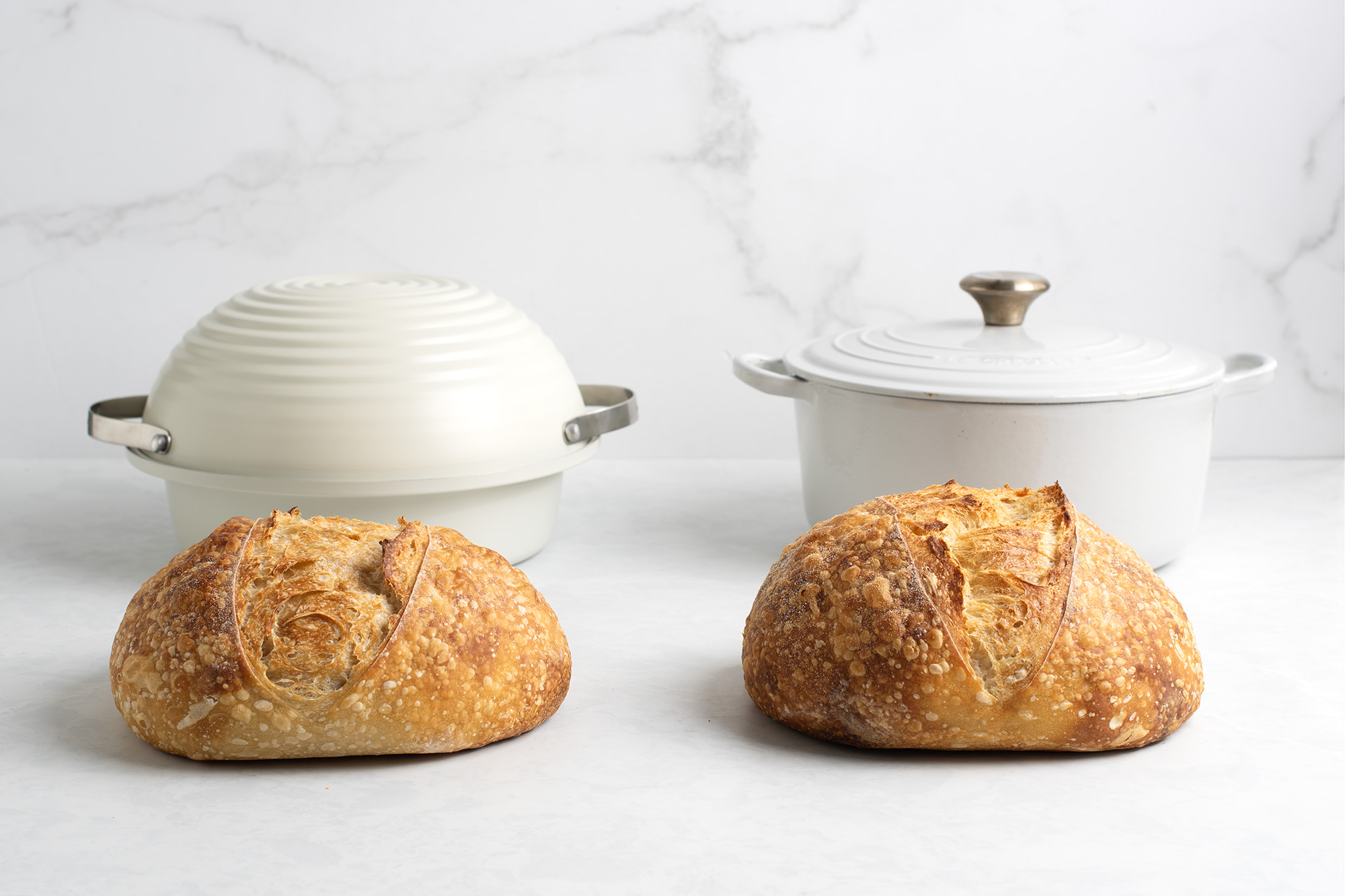
Both a Dutch oven and a sourdough bread pan trap steam for oven spring and a crispy crust, but a dedicated sourdough bread baker is lighter, easier to handle, and often allows you to proof and bake in the same vessel.
A Dutch oven is excellent for bread because it holds heat beautifully and creates the steamy environment sourdough needs, but it is heavy, requires a separate proofing basket, and usually needs a long preheat. A sourdough bread baker, like the Nordic Ware Simply Sourdough Bread Baker, is designed specifically for the bread-baking process. It traps steam during the first phase of baking, is oven-safe to 500°F, and removes some of the awkwardness that comes with transferring delicate dough into a screaming-hot cast iron pot. For beginners especially, that matters. Bread baking already has enough personality. Your pan does not need to add drama.
In Summary:
- Dutch ovens: excellent heat retention, heavy, requires separate proofing step
- Sourdough bread baker: lightweight aluminum, proofs and bakes in one system
- Both trap steam during the first phase of baking — the key to oven spring
- The Simply Sourdough Bread Baker is oven-safe to 500°F
- For beginners: a sourdough bread baker removes the Dutch oven learning curve
What Does a Dutch Oven Do for Sourdough?
A Dutch oven traps steam released by the dough during the first phase of baking, which keeps the surface moist, allows maximum oven spring, and creates that thin, blistered, crackly crust everyone wants and pretends not to be obsessed with.
Home ovens are not built like professional bread ovens. They vent steam quickly, which is rude but true. Sourdough needs moisture early in the bake so the outside of the dough stays flexible long enough for the loaf to rise fully. If you’re still learning fermentation timing, our guide on What To Do After Your Sourdough Bread is Done Baking: Bread Baking Analysis and Storage Tips breaks down how to evaluate and improve your baked loaf of bread. A covered Dutch oven solves that problem by sealing in the dough’s own moisture. You do not need to add water, toss ice cubes into a tray, or create a miniature weather event in your kitchen. The lid does the work.
The traditional method is to preheat the Dutch oven until it is extremely hot, usually for 20 to 30 minutes, then carefully lower the dough inside, cover it, and bake. After the first portion of the bake, the lid comes off and the loaf finishes in dry heat, allowing the crust to deepen, brown, and crisp. It works beautifully. It also involves handling a very hot, very heavy pot, which is where some home bakers start to question their life choices.
What Is a Sourdough Bread Baker (and How Is It Different)?
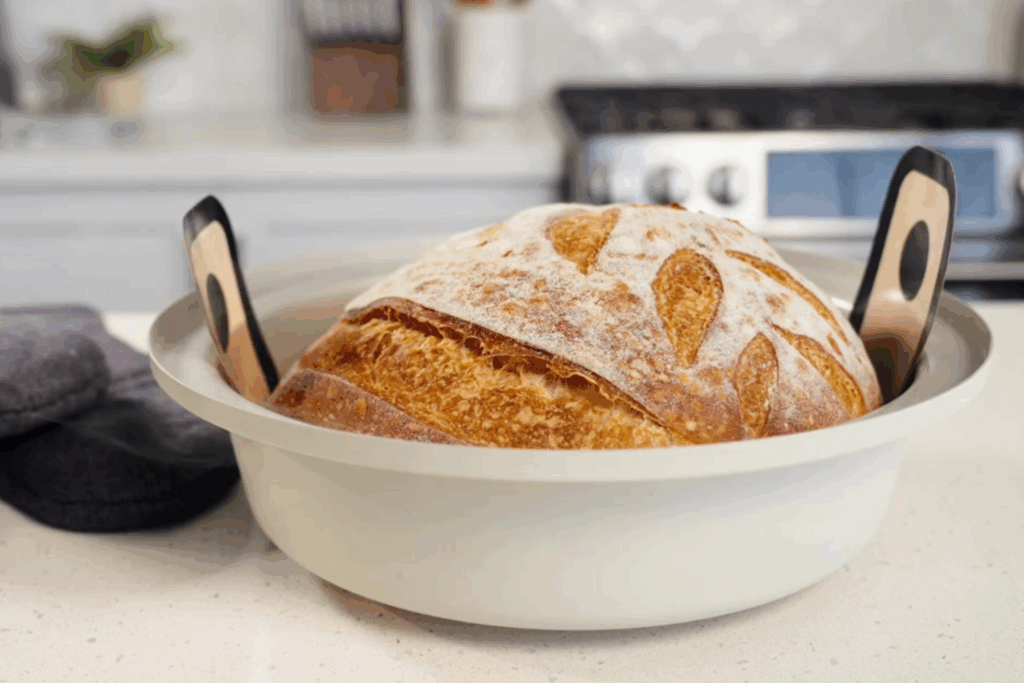
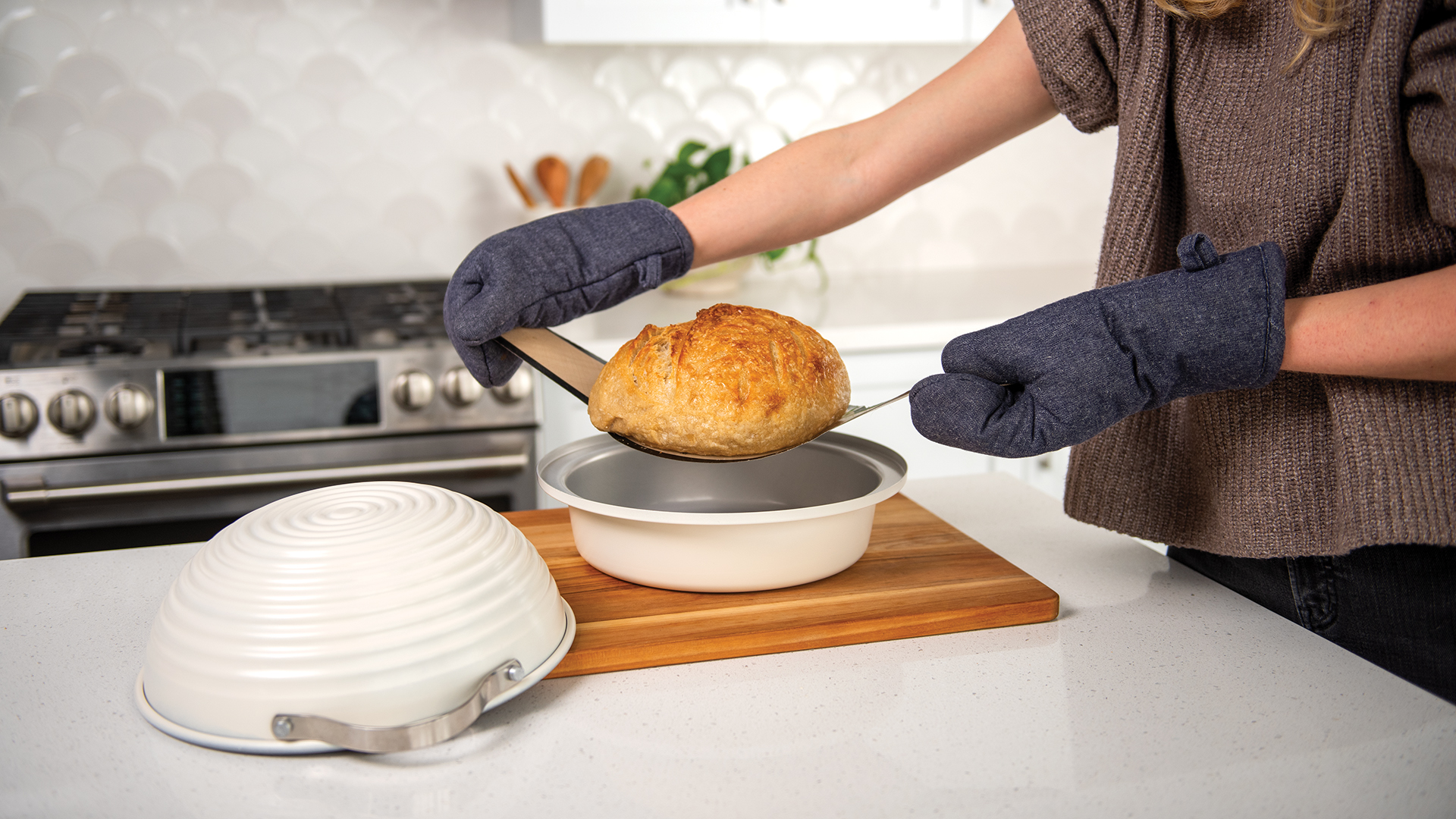
A sourdough bread baker is a purpose-built lidded pan system designed specifically for baking artisan bread. It provides the same essential steam-trapping function as a Dutch oven, but it is typically lighter, easier to handle, and often designed to simplify the proof-to-bake process.
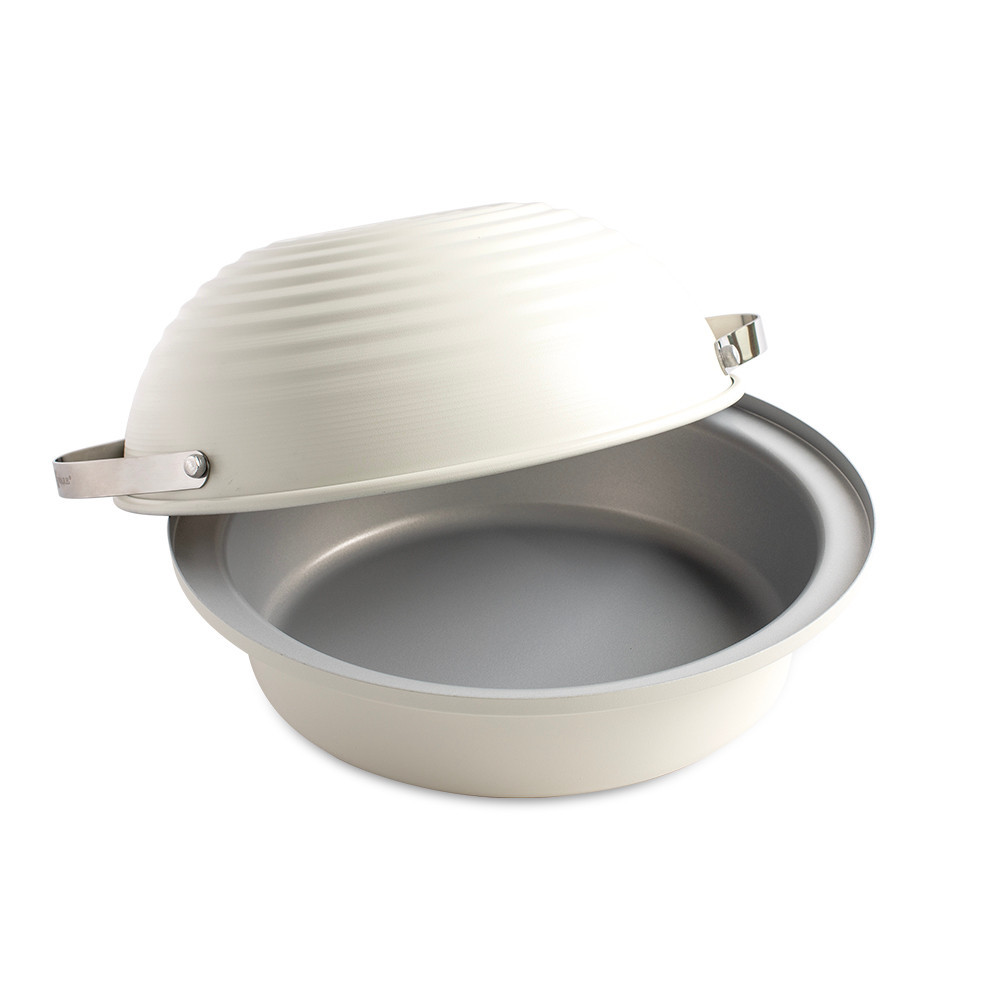
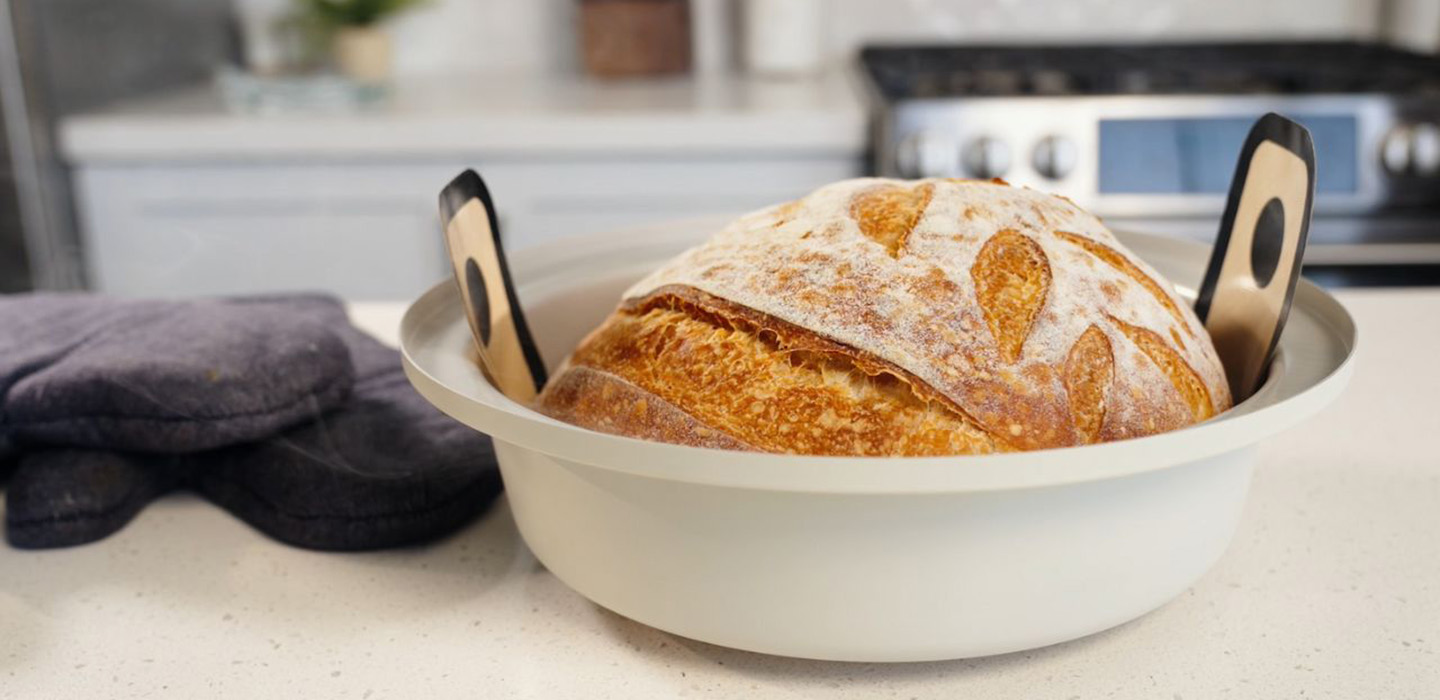
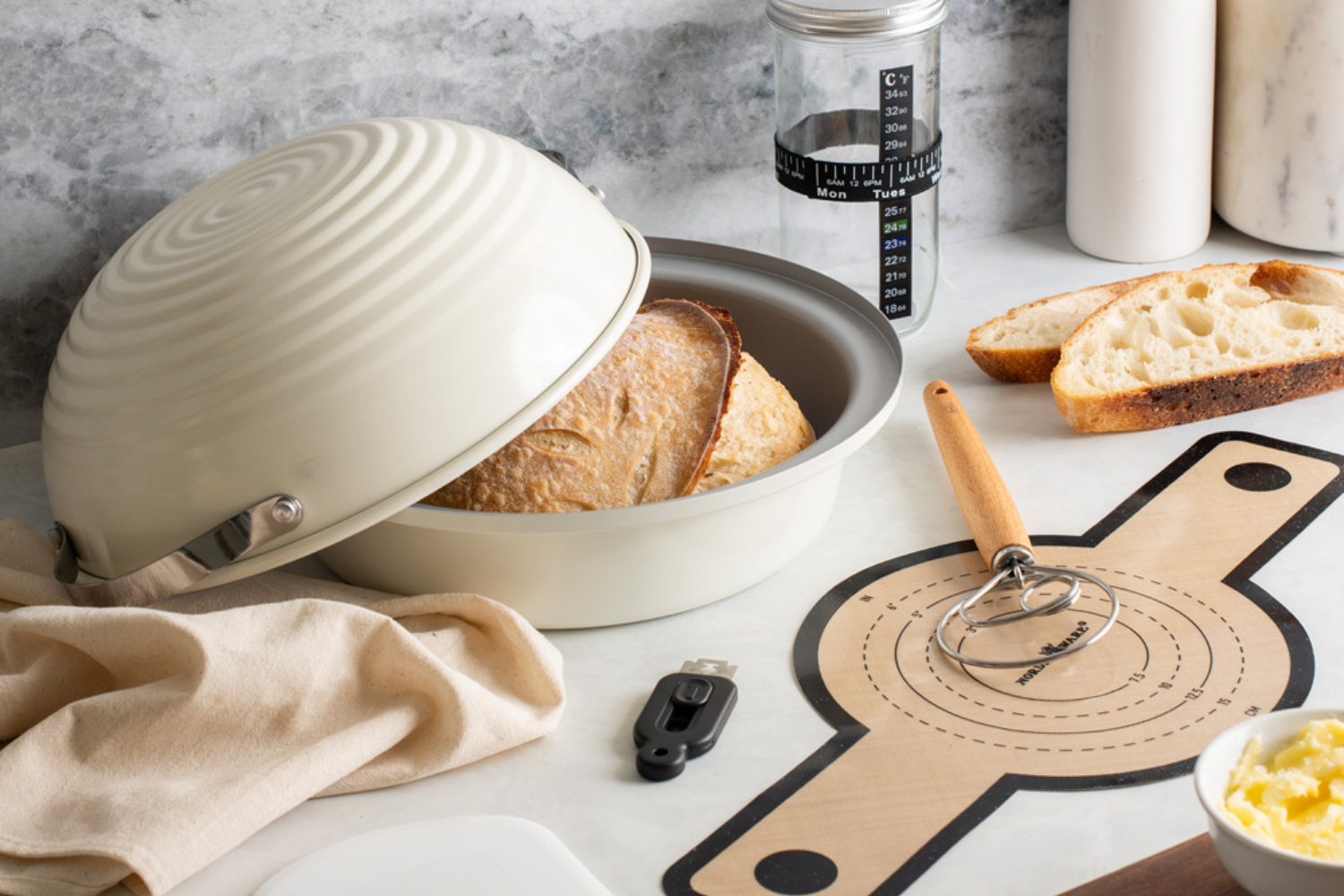
The Nordic Ware Simply Sourdough Bread Baker is a two-piece system made with an aluminized steel baking base and a proofing/baking lid. The lid doubles as a banneton, which means you can proof the dough directly in it, then flip it into the baking base when you’re ready to bake. That may sound like a small convenience, but if you’ve ever tried to transfer a delicate, slightly sticky loaf into a preheated Dutch oven without deflating it, burning yourself, or whispering threats at your dough, you understand why this is actually a big deal.
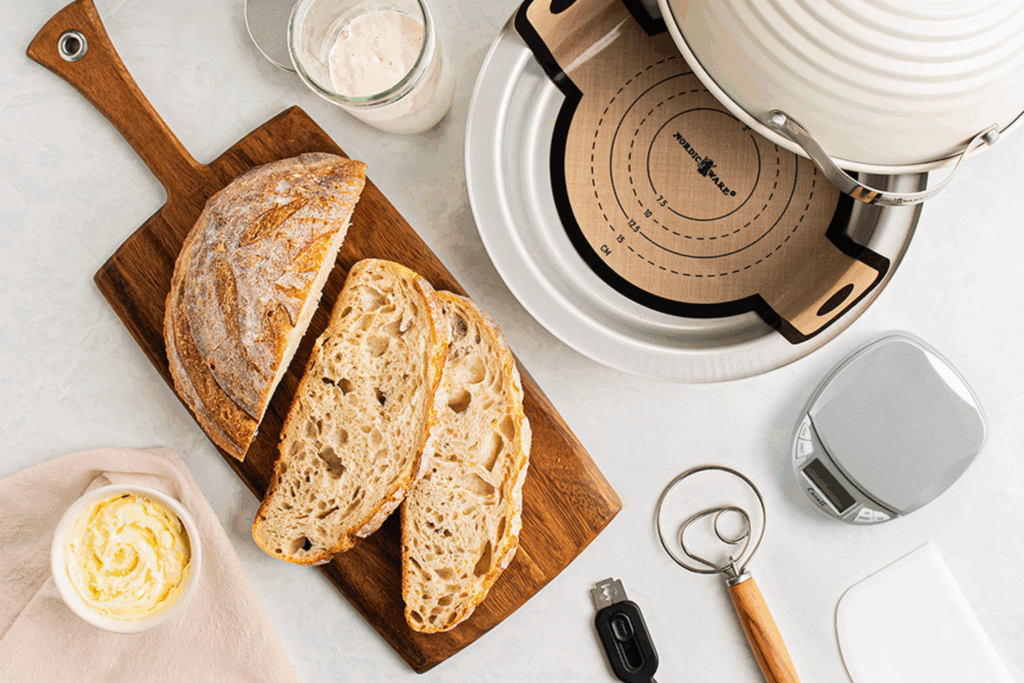
If you’re building your sourdough setup, our guide to Baking Homemade Sourdough Bread: The Tools You Need & How to Use Them explains the role of each tool you need to bake sourdough bread at home.
Because the Simply Sourdough Bread Baker is lighter than cast iron, it is easier to lift in and out of a hot oven. It also does not require the same lengthy preheat that cast iron does, since aluminized steel heats quickly and efficiently. The silicone nonstick interior helps with release, while stainless steel handles make it easier to manage. It is oven-safe to 500°F, which puts it right in the zone for serious bread baking without the arm workout.
Dutch Oven vs. Sourdough Bread Baker: Side-by-Side Comparison
Feature |
Dutch Oven |
Sourdough Bread Baker |
|---|---|---|
Steam Retention |
Excellent (sealed lid traps dough steam) |
Excellent (same principle, aluminized steel lid) |
Weight |
Heavy — 5–8+ lbs for cast iron |
Lightweight aluminum, easier to handle |
Preheating Required |
Yes, 20–30 min for optimal oven spring |
No lengthy preheat required |
Proofing Function |
No, separate proofing basket required |
Yes , lid doubles as proofing basket (banneton) |
Loaf Shape |
Round or oval depending on pot |
Rectangular, ideal for sandwich-style bread |
Oven-Safe Temp |
Typically 450–500°F |
500°F (Simply Sourdough) |
Stovetop Use |
Yes |
No (baking only) |
Versatility |
Soups, braises, frying, bread |
Bread-focused |
Price Range |
$50–$400+ |
$63 (pan & lid only) |
Steam Retention: Which Produces Better Oven Spring?
Both a Dutch oven and a sourdough bread baker can produce excellent oven spring when used correctly. The key is steam retention during the first 20 minutes or so of baking, and both systems achieve that with a tight-fitting lid.
Cast iron does have a slight advantage in heat retention because it holds onto high temperatures extremely well. That can be useful for very high-hydration doughs or bakers who are chasing a deeply blistered artisan crust. But aluminized steel heats quickly and efficiently, which is more than enough for most home sourdough bakes. In real-world kitchens, the difference between the two is often much smaller than people expect.
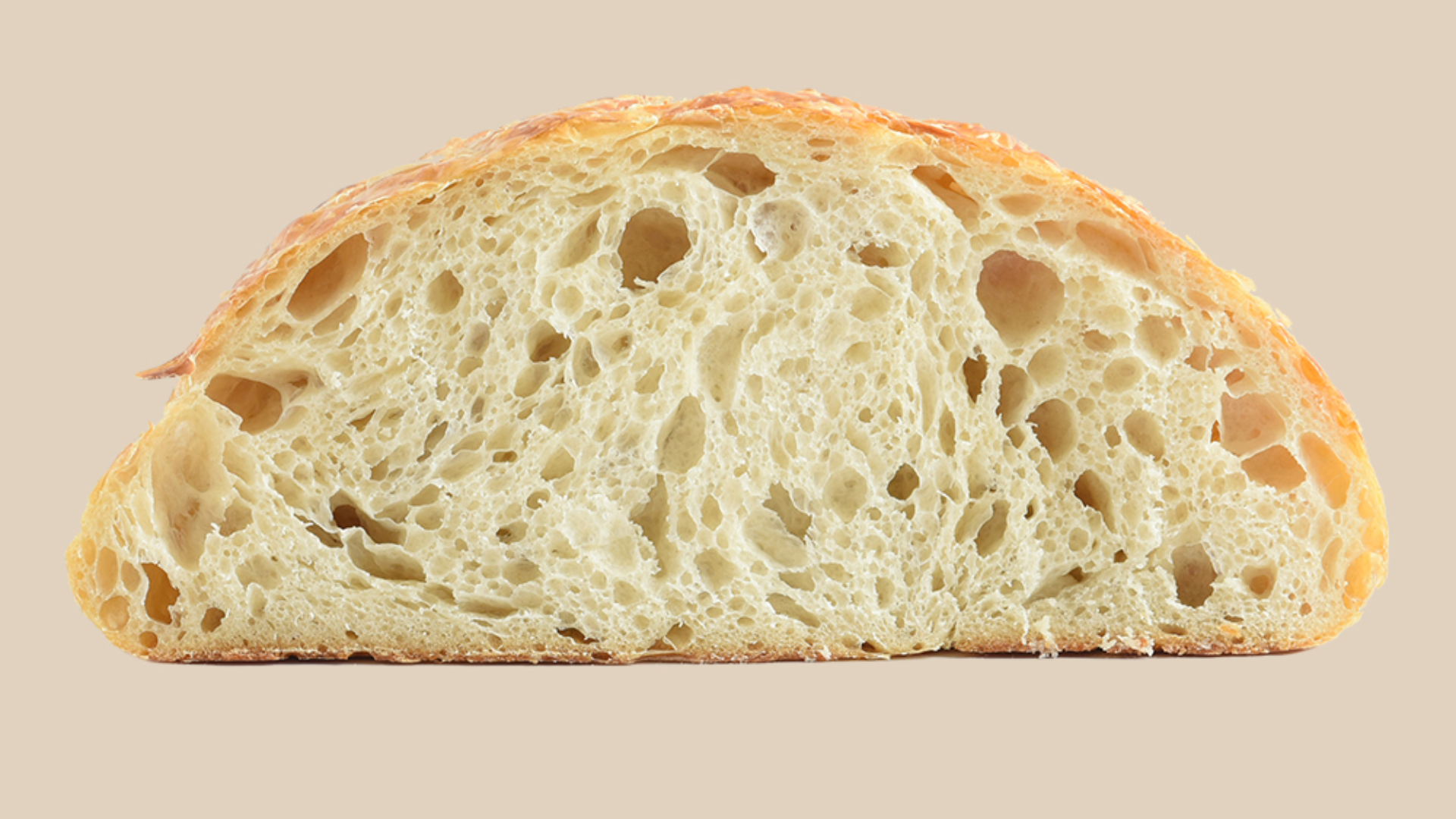
The truth is that crust and crumb quality depend less on whether the vessel is cast iron or aluminized steel, and more on whether the dough is properly fermented, shaped, proofed, and baked in a steamy environment. The vessel matters, but it is not a magic wand. Annoying, but liberating.
Weight and Ease of Use: A Practical Comparison
This is where the sourdough bread baker has a clear advantage. A cast iron Dutch oven can be heavy on a normal day. Add dough, preheat it to 500°F, and suddenly you’re performing a tiny culinary obstacle course in your own kitchen.
A lighter bread baker is easier to lower into the oven, easier to remove, and easier to handle safely. That matters for anyone, but especially for frequent bakers, beginners, or anyone who does not want their sourdough routine to include a risk assessment. Standard oven mitts are usually enough with a lighter pan, and you are not wrestling with a heavy pot and lid while trying to move quickly.
The lack of a long preheat is another practical win. With a Dutch oven, you need to factor in the time it takes to bring the pot up to temperature. With the Simply Sourdough Bread Baker, the process is more direct. Less waiting, less lifting, fewer opportunities for chaos. Beautiful.
Does a Sourdough Bread Baker Produce the Same Crust?
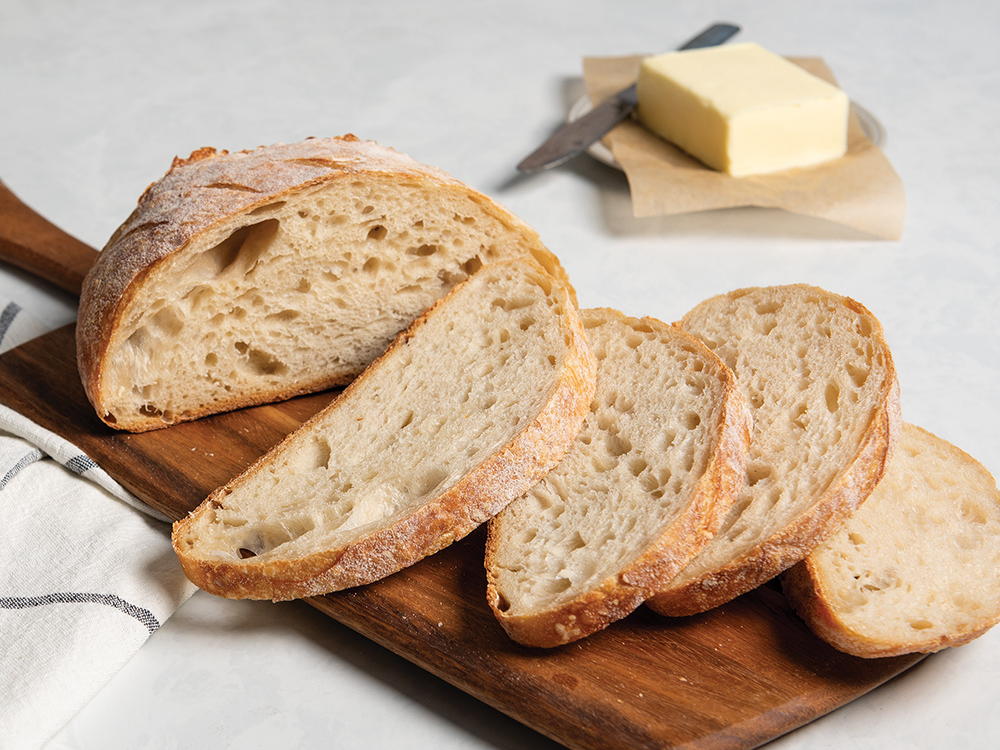
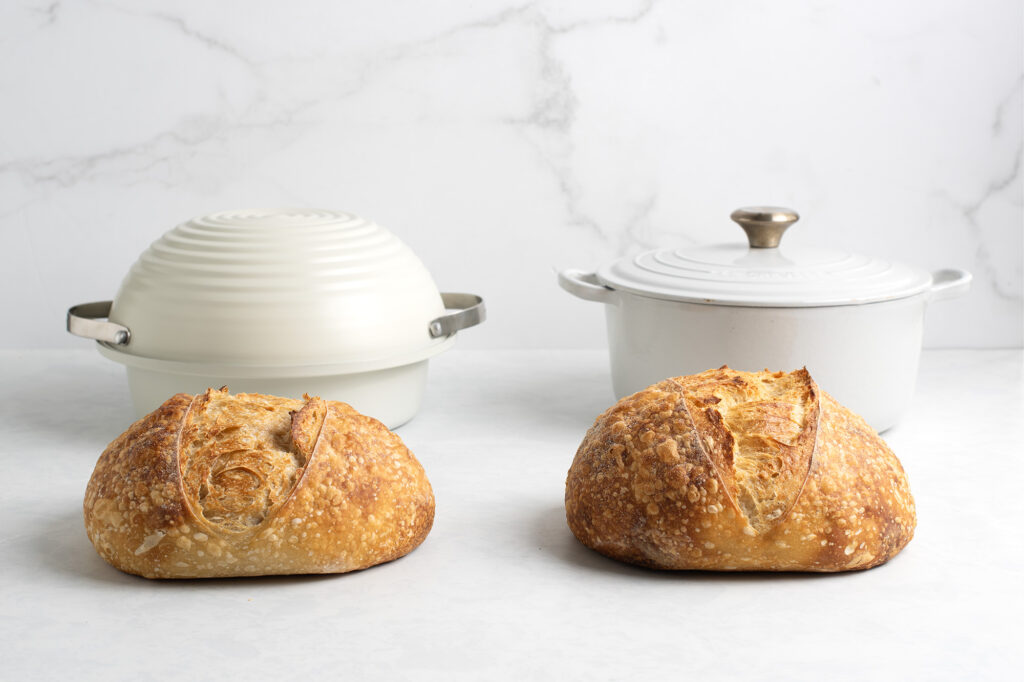
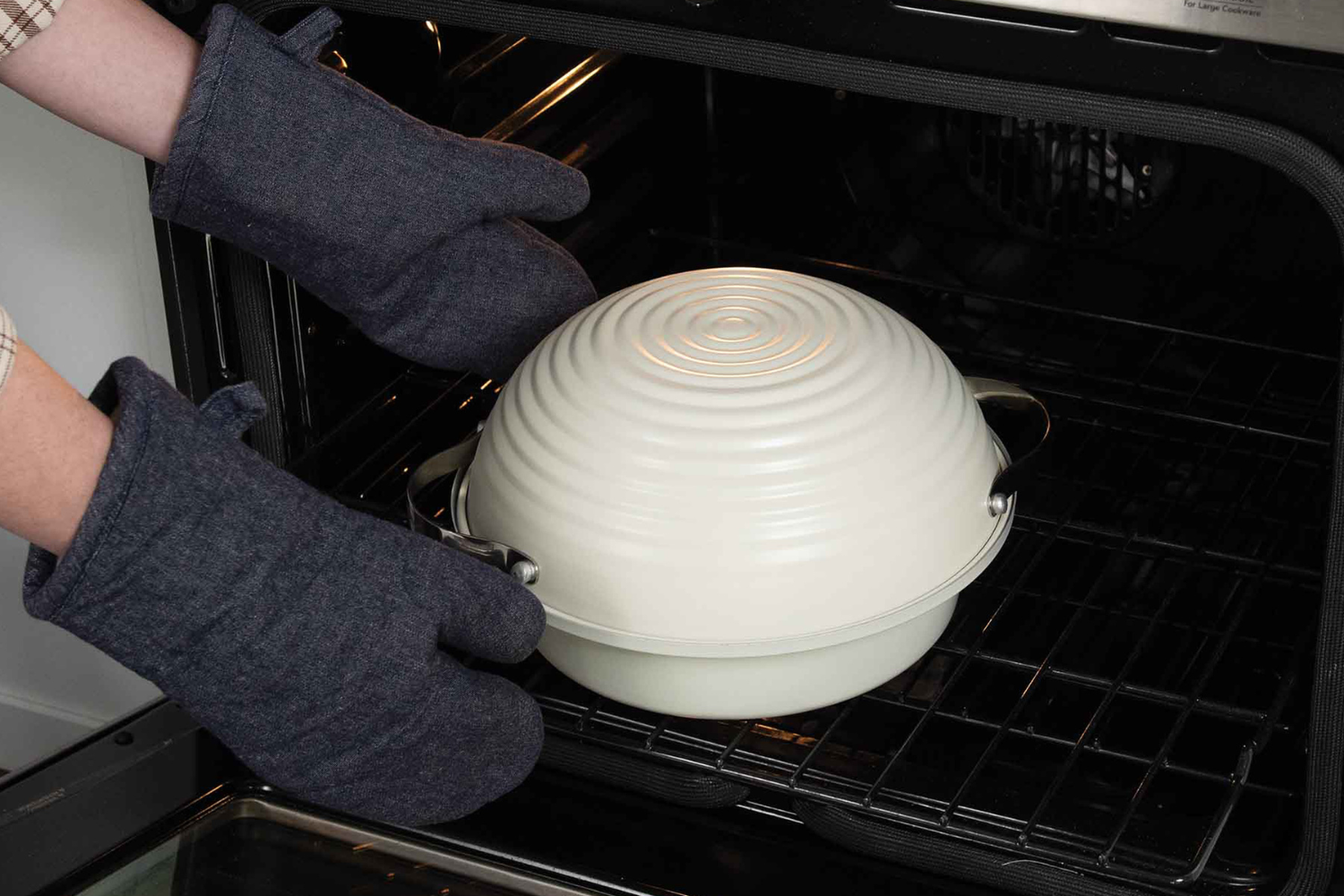
Yes, when used correctly, a dedicated sourdough bread baker can produce the same characteristic crackly, blistered crust as a Dutch oven. The critical variable is steam retention, not the material of the pan.
Crust development happens in two phases. In the first phase, steam keeps the dough surface moist so the loaf can expand before the crust sets. In the second phase, dry heat finishes the crust, deepening the color and crispness. The Simply Sourdough lid seals effectively enough to create that steamy environment, while the aluminized steel base promotes even browning on the bottom crust.
For most home bakers, especially those baking standard sourdough loaves, the results are highly comparable. The Dutch oven may feel more traditional, but the bread baker is not some consolation prize. It is a legitimate tool designed to solve specific pain points in the sourdough process.
Can You Proof Dough in a Sourdough Bread Baker?
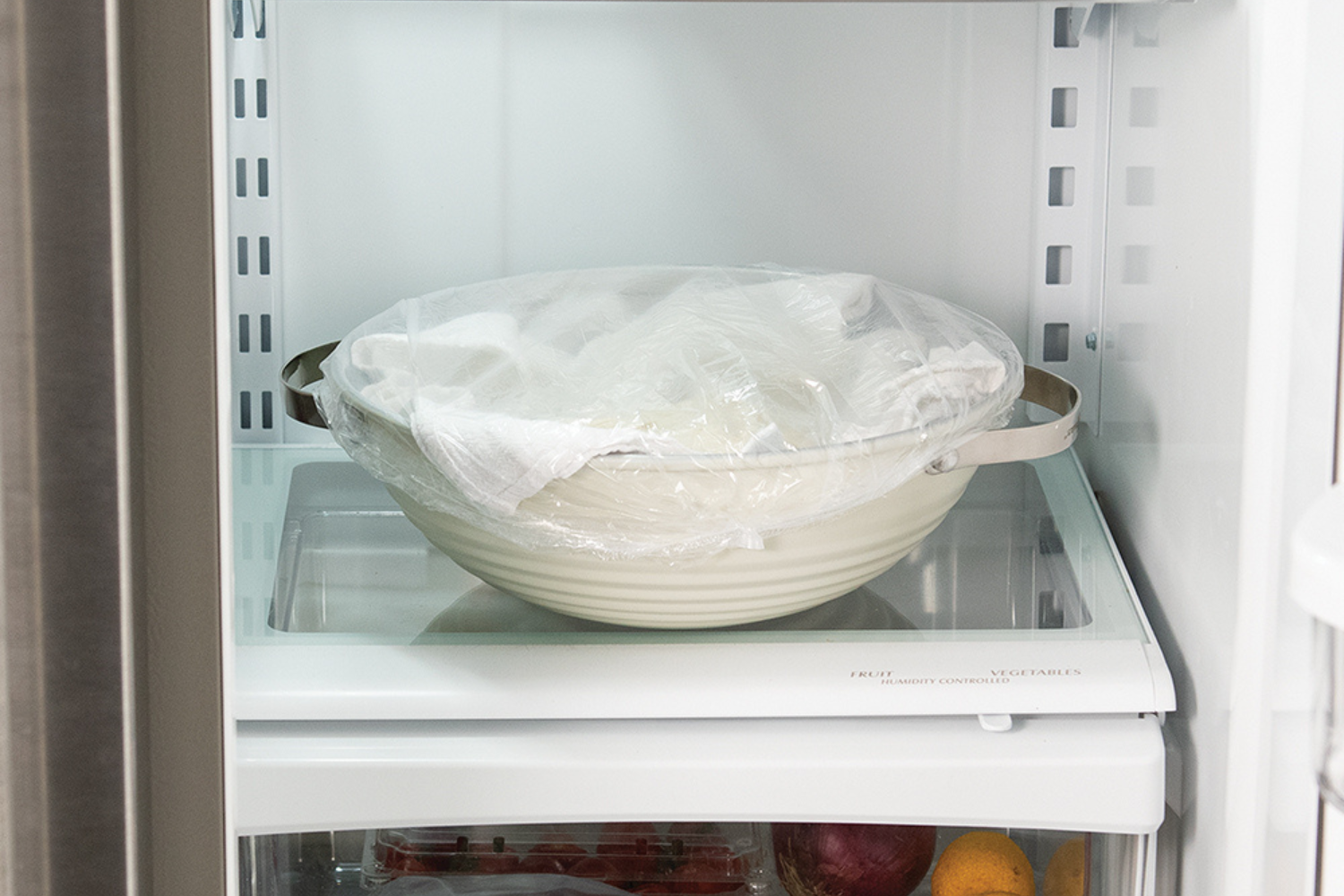
Yes, and this is one of the biggest advantages of the Nordic Ware Simply Sourdough Bread Baker. It is specifically designed to proof and bake in the same system. The lid functions as a banneton, which means you can line it with the included cotton proofing towel, place your shaped dough inside, and let it proof at room temperature or in the refrigerator.
When you’re ready to bake, you flip the lid so the dough drops into the baking base. Then the lid goes on top, and the whole system moves into the oven. This eliminates the need for a separate wicker banneton and reduces the number of tools involved in the process.
For experienced bakers, that is convenient. For beginners, it is sanity-saving. Dough transfer is one of the moments where things often go sideways, especially if the dough is delicate or slightly overproofed. Reducing that handling step makes the process feel more controlled and less like a trust fall with gluten.
Which Is Better for Beginner Sourdough Bakers?
For most beginners, a sourdough bread baker is the better starting point because it removes two of the most annoying parts of Dutch oven bread baking: lowering wet dough into a hot, heavy pot and managing a separate proofing basket.
A Dutch oven absolutely works, and many bakers already have one. But it comes with a learning curve. You need to preheat it, transfer the dough without deflating it, avoid burning yourself, and get comfortable handling heavy cookware at high temperatures. None of that is impossible, but it can be intimidating when you’re already trying to understand fermentation, shaping, scoring, and why your starter suddenly has the personality of a houseplant in crisis.
A sourdough bread baker streamlines the process. The dough proofs in the lid, flips into the base, and bakes in the same system. Nordic Ware’s Simply Sourdough Kits also include the tools a beginner needs, which lowers the barrier even more. It does not make sourdough effortless, because sourdough refuses to be chill, but it does make it more approachable.
If you’re just getting started, our Sourdough Baking Made Simple: Tips, Tools & Solutions for Beginners walks through the entire process from starter to finished loaf.
Which Should You Buy: Dutch Oven or Sourdough Bread Baker?
Buy a Dutch oven if you want one piece of cookware that can do a lot. A Dutch oven is the right choice if you want to make soups, stews, braises, roasts, fried foods, and bread in the same pot. It is versatile, durable, and useful well beyond sourdough.
Buy a sourdough bread baker if your main goal is better, easier bread baking. If you bake sourdough regularly, want to proof and bake in the same vessel, prefer a lighter pan, or like the idea of a rectangular loaf for sandwiches, the Simply Sourdough Bread Baker makes a lot of sense. It is more specialized, but that specialization is the point.
The real question is not which one is “better” in a universal sense. The question is what kind of baker you are. If you want multi-purpose cookware, go Dutch oven. If you want a streamlined bread system that removes friction from the process, go bread baker.
FAQs: Dutch Oven vs. Sourdough Bread Baker
Can I use a sourdough bread baker instead of a Dutch oven?
Yes. A sourdough bread baker functions on the same principle as a Dutch oven trapping steam during baking to promote oven spring and a crispy crust. The Nordic Ware Simply Sourdough Bread Baker is specifically designed as a Dutch oven alternative and is oven-safe to 500°F.
What is the best pan to bake sourdough bread?
The best pan for sourdough bread is one that traps steam during the first phase of baking. A Dutch oven and a dedicated sourdough bread baker both achieve this. The Simply Sourdough Bread Baker adds the advantage of proofing and baking in one vessel.
Do I need to preheat a sourdough bread baker?
Unlike cast iron Dutch ovens, the Nordic Ware Simply Sourdough Bread Baker does not require lengthy preheating. The aluminized steel heats quickly and efficiently, reducing total baking prep time.
Can you bake sourdough without a Dutch oven?
Yes. A dedicated sourdough bread baker, like the Simply Sourdough pan, provides the same steam-trapping environment without the weight or preheating requirements of cast iron. Other alternatives include a covered roasting pan or a clay baker.
Final Thoughts: Dutch Oven vs. Sourdough Bread Baker
Both a Dutch oven and a sourdough bread baker can produce excellent bread. The difference is not whether they work. They do. The difference is convenience, weight, workflow, and how much equipment you want involved.
A Dutch oven is fantastic if you want multi-purpose cookware that can handle bread plus everything else. A sourdough bread baker is the more streamlined choice if bread is your priority. It gives you the steam-trapping environment sourdough needs while solving two major pain points: heavy cookware and awkward dough transfer.
And if you are just starting out, that simplicity matters. Because sourdough baking already asks enough of you. Your pan should help, not haze you.
Explore the Simply Sourdough Bread Baker and Baking Kits at nordicware.com.