Best Sheet Pan for Roasting Vegetables: Our Picks
You chop the veggies, toss them with olive oil, season like a pro and somehow still end up with half-burnt brussels and sad, soggy sweet potatoes. Sound familiar? You’re not alone. Roasting vegetables should be easy and satisfying, but it can quickly turn frustrating if your sheet pan isn’t up to the task. Maybe yours warps with a dramatic pop every time it hits a hot oven, or the coating has started peeling off like it’s shedding its winter coat. Even worse? You’re not sure which pan is the right one and now your “simple” weeknight side dish feels like a full-blown science project.
If you’re a first-time roaster (hi! welcome!) or just tired of babysitting underperforming bakeware, you’re in the right place. A great sheet pan makes all the difference. Think crisp, golden edges and perfectly caramelized centers, with none of the drama. But not all pans are created equal, and knowing what to look for is key.
In this guide, we’ll explain what makes a great sheet pan for roasting vegetables, highlight the best options out there, and help you pick the one that fits your kitchen and your roasted veggie dreams. Let’s get into it.
Table of Contents:
- What makes a pan great for roasting vegetables?
- Does it need to be nonstick?
- Common mistakes when choosing a sheet pan
- Our expert picks for the best sheet pans for roasting
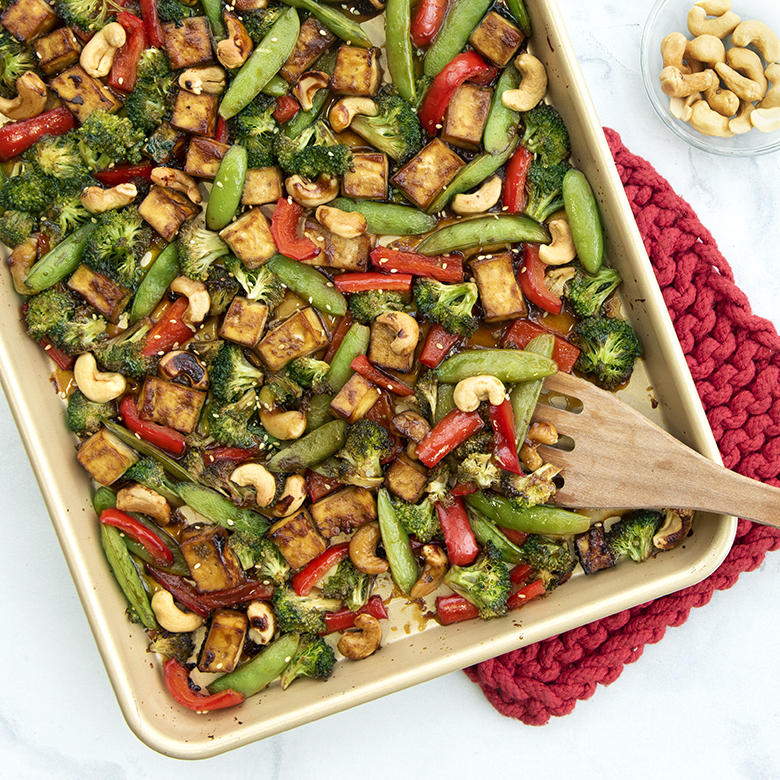
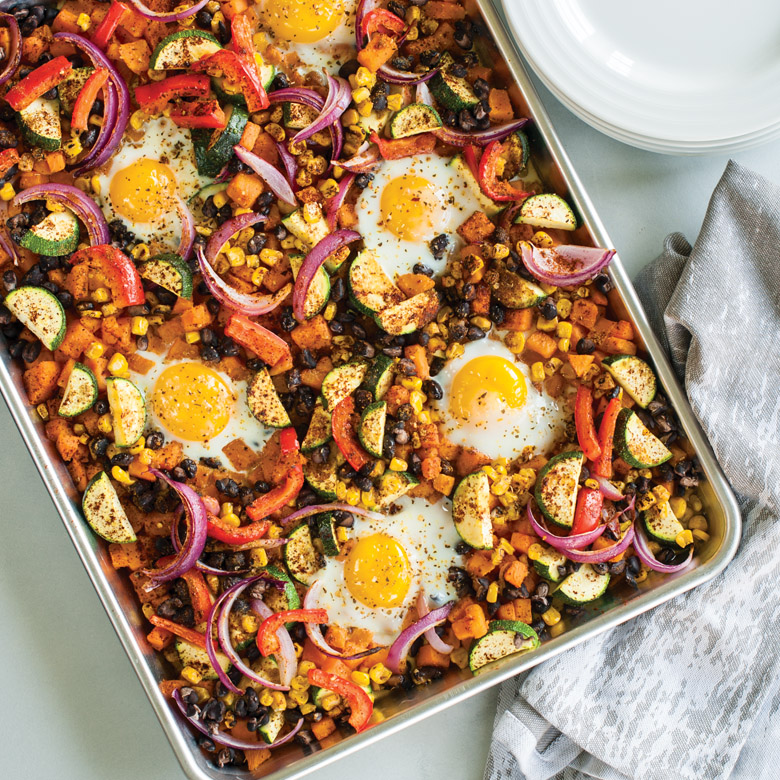
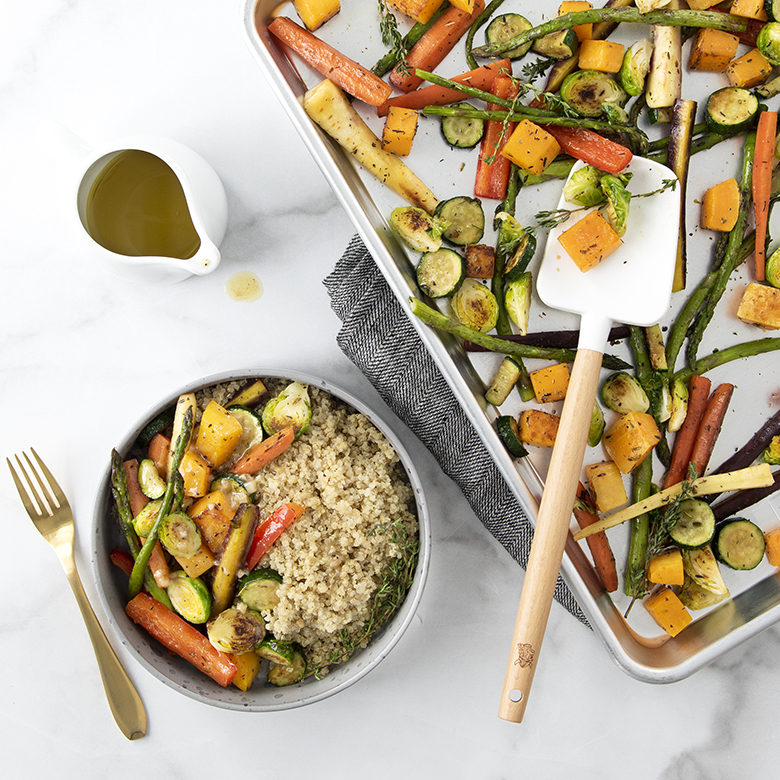
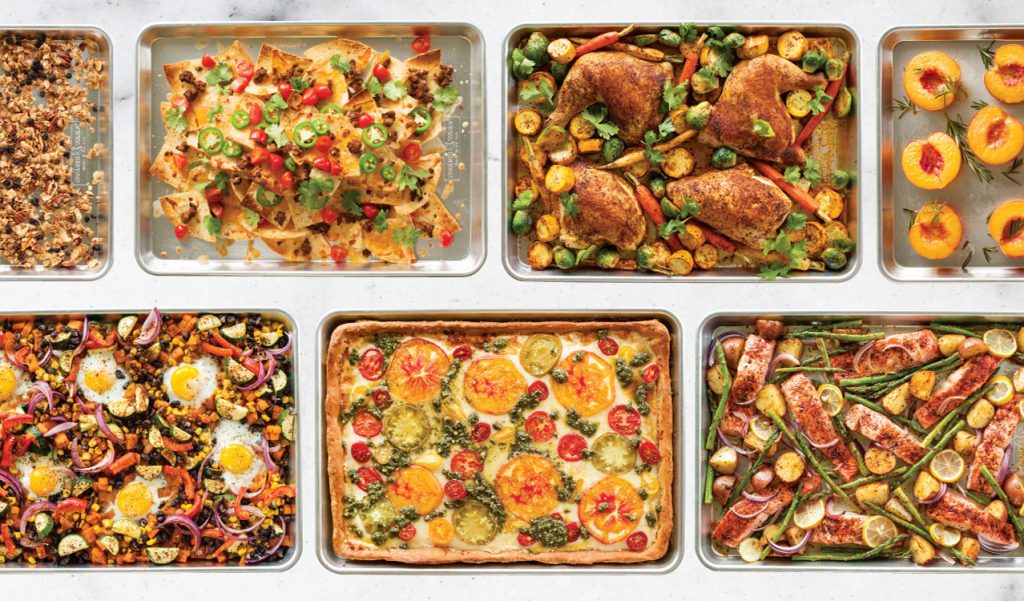
- Easy, Delicious, and Veggie-Packed Sheet Pan Recipes
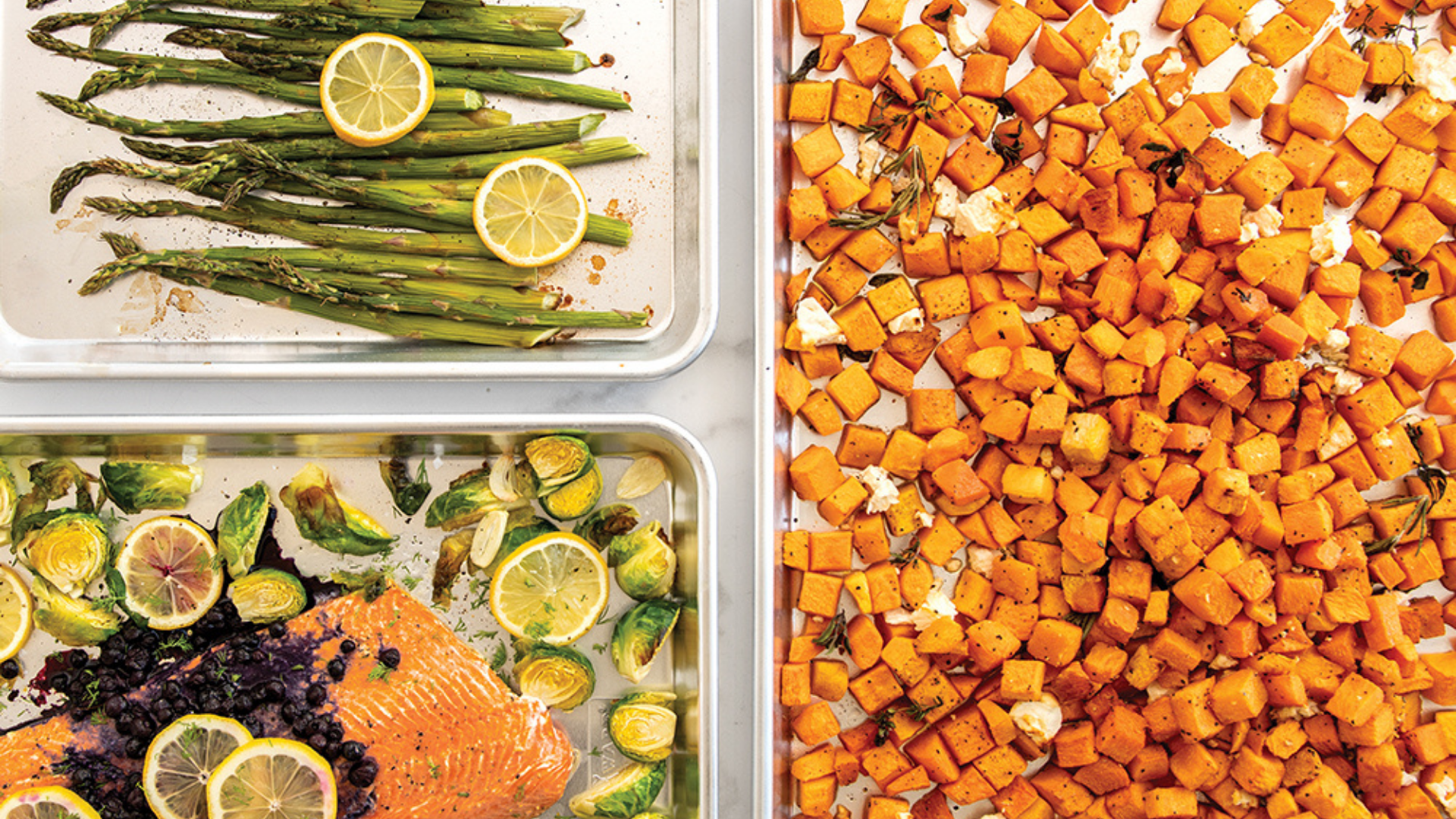 What makes a pan great for roasting vegetables?
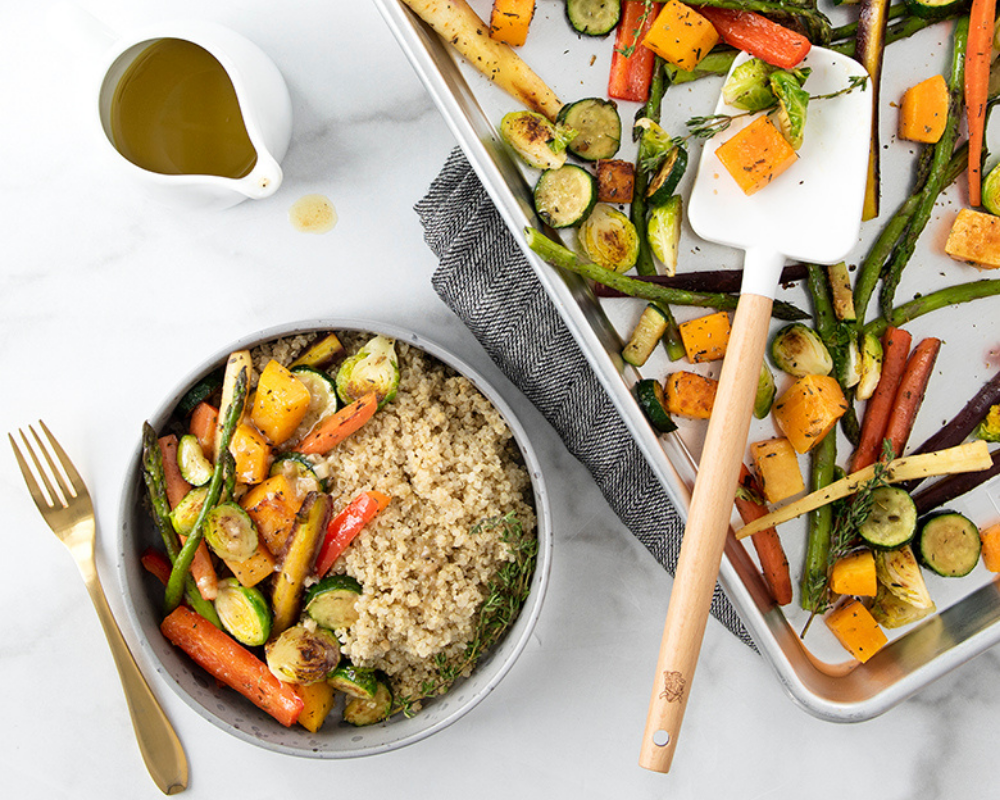
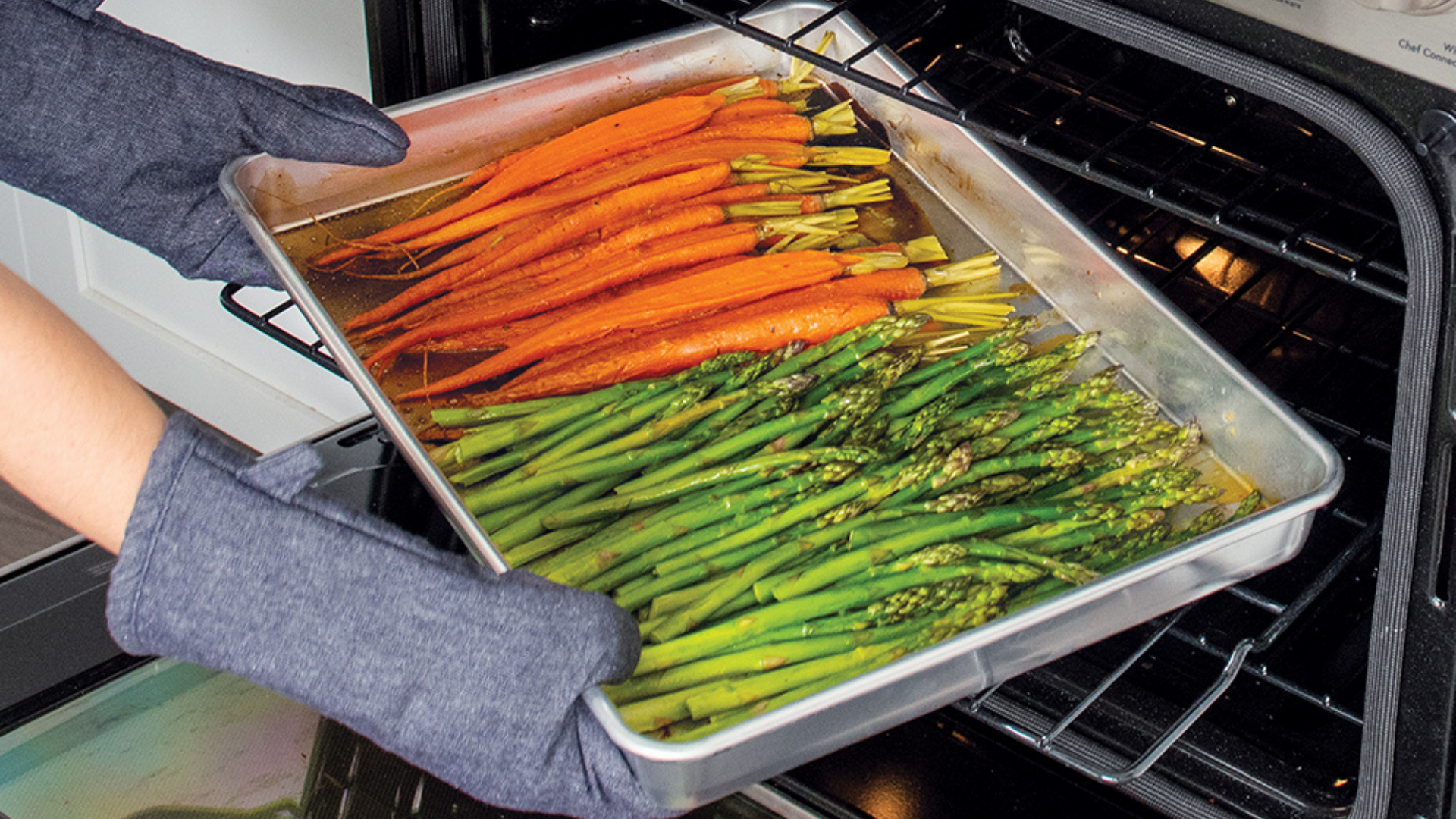
Roasting vegetables might seem like a low-maintenance kitchen task, chop, oil, season, roast, but if you’re using the wrong pan, things can go sideways fast. A good roasting pan isn’t just about size or shape; it needs to deliver consistent heat, handle high oven temps without flinching, and be tough enough to handle everything from crispy potatoes to caramelized carrots without warping, bending, or flaking apart. That means materials matter a lot.
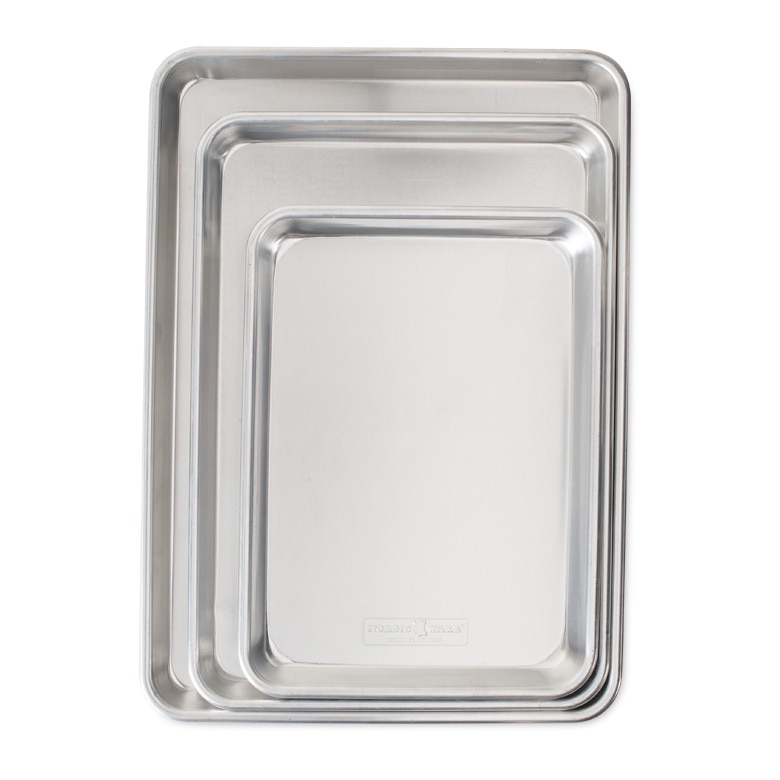
Natural aluminum pans are a favorite among pros and home cooks alike for a reason: They conduct heat like a dream, creating that ideal environment for even browning and perfectly crisp edges. No soggy middles or scorched corners, just veggies that roast up golden and glorious. Coated pans, while convenient at first, often start to degrade over time, especially when exposed to high heat. That non-stick finish can chip, peel, or lose its slickness meaning more sticking, more cleanup, and less-than-stellar results.
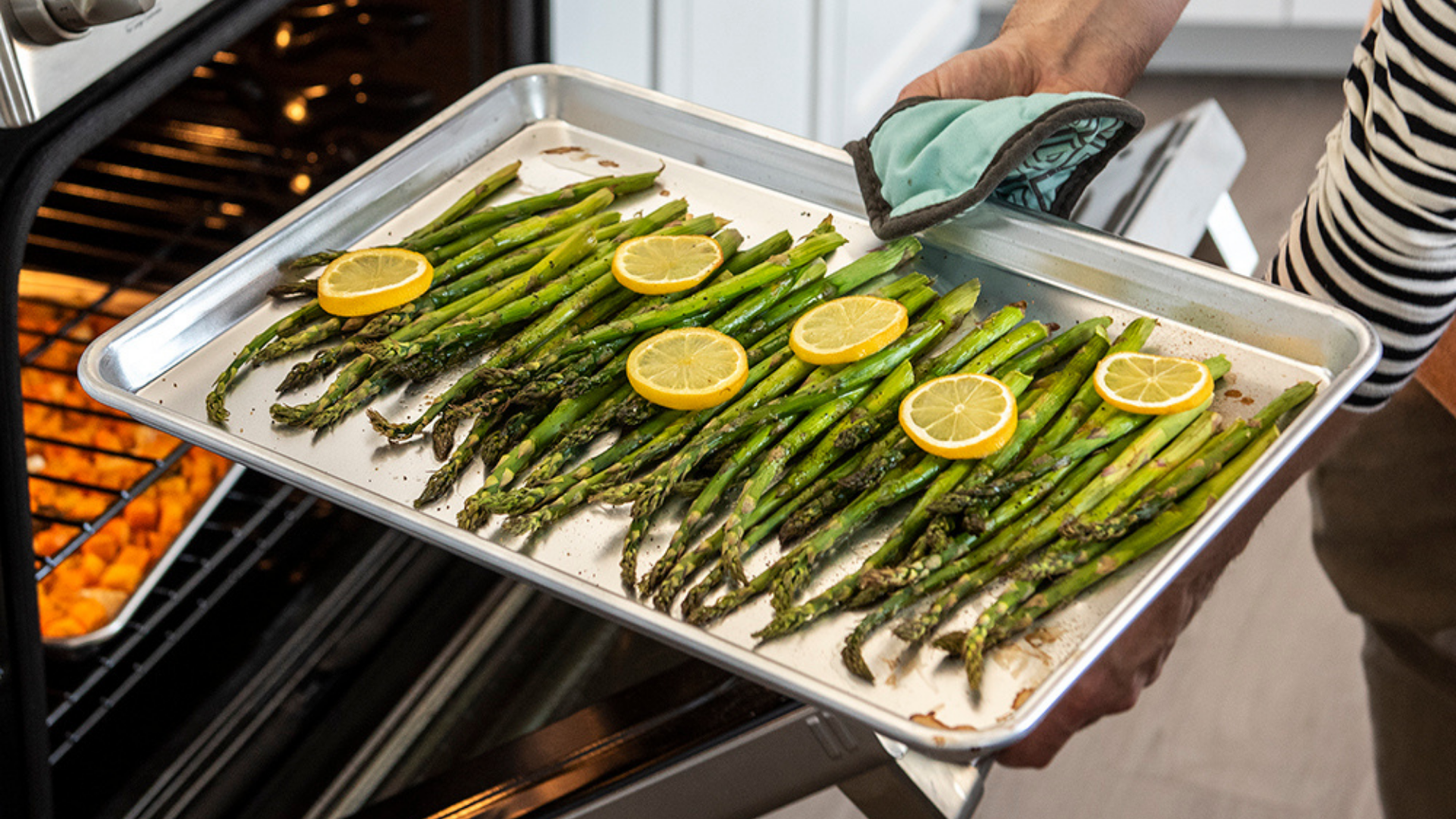
Heat conductivity and thermal resistance
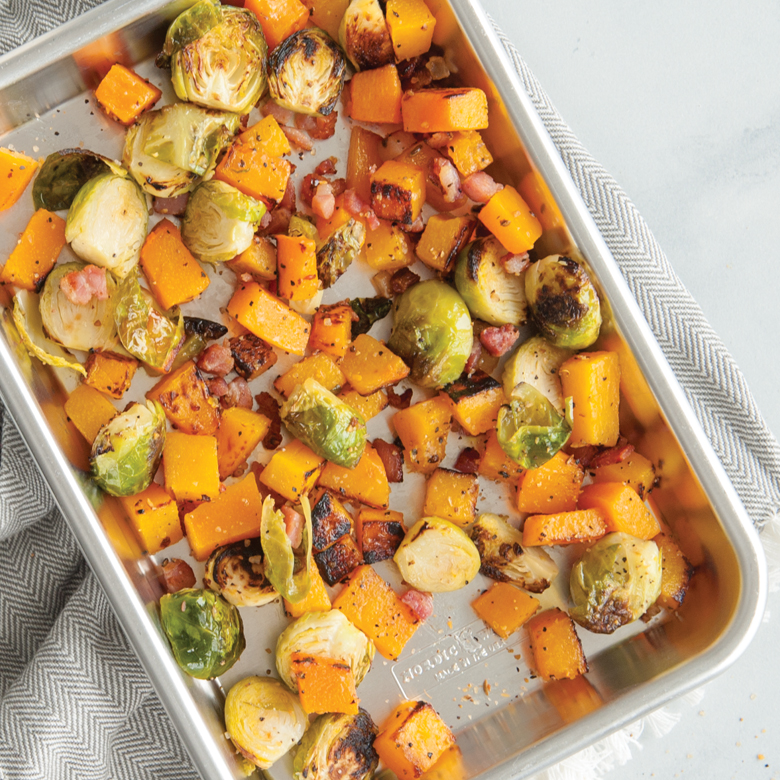
Roasted veggies are all about that crispy caramelization, but you’re not getting there with a pan that heats unevenly or can’t handle high temps. Great heat conductivity means your vegetables roast consistently across the entire surface of the pan, not just the hot spots. It’s the difference between evenly golden cauliflower and half a tray of overcooked mush with a few charred florets thrown in for good measure.
A high-quality pan will also have strong thermal resistance, meaning it won’t warp, buckle, or go pop! halfway through your cook time. You want a pan that can take the heat and stay flat, especially if you’re roasting at high temps.
Pan shape, size and depth
Shape and size might seem like small details, but when it comes to roasting vegetables, they’re major players. A good pan should be big enough to allow your veggies some breathing room. Crowded pans lead to steaming, not roasting (and no one’s asking for soggy carrots at dinner). Shallow sides also help hot air circulate properly around the veggies, which is key to getting that beautiful browning.
On the flip side, a pan that’s too deep can trap moisture and prevent that dry heat environment you’re aiming for. Deep pans are great for casseroles not so much for crisping up your root veggies. Likewise, if your pan is too small, you’ll either have to roast in batches (no thanks) or settle for limp, sad vegetables.
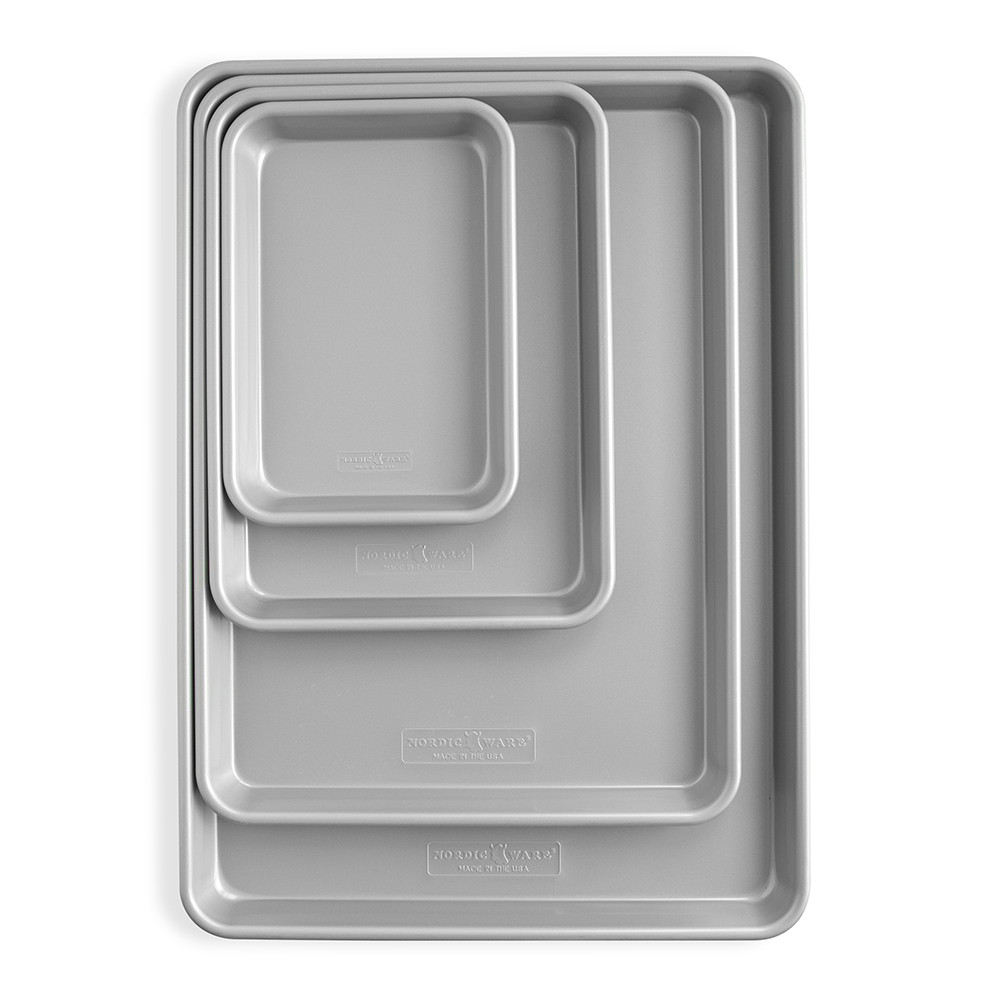
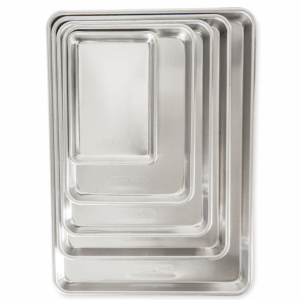
Look for a pan with low to medium sides and enough surface area to let your veggies spread out in a single layer. Half sheet pans are the gold standard for most ovens, but quarter sheets are great for smaller portions or toaster ovens.
Coating and surface type
Non-stick coatings can be a blessing or a curse depending on how well they’re made. A high-quality non-stick surface makes cleanup easier and can help prevent delicate veggies from sticking and tearing, especially things like zucchini or eggplant slices. But if the coating starts to peel, bubble, or discolor game over. Not only can it affect your food, but it also signals that the pan is breaking down and should probably be replaced.
On the other hand, natural aluminum pans with no coating might require a bit more oil or parchment for stickier foods, but they deliver unbeatable browning and can last forever with proper care. They’re a favorite in commercial kitchens for a reason, reliable, long-lasting, and totally up for the job.
Material composition
This is where it all comes together. The material your pan is made from affects every other factor, heat distribution, durability, resistance to warping, and how your veggies turn out. Aluminum is the gold standard for roasting: It’s lightweight, conducts heat beautifully, and can take the heat without losing its shape.
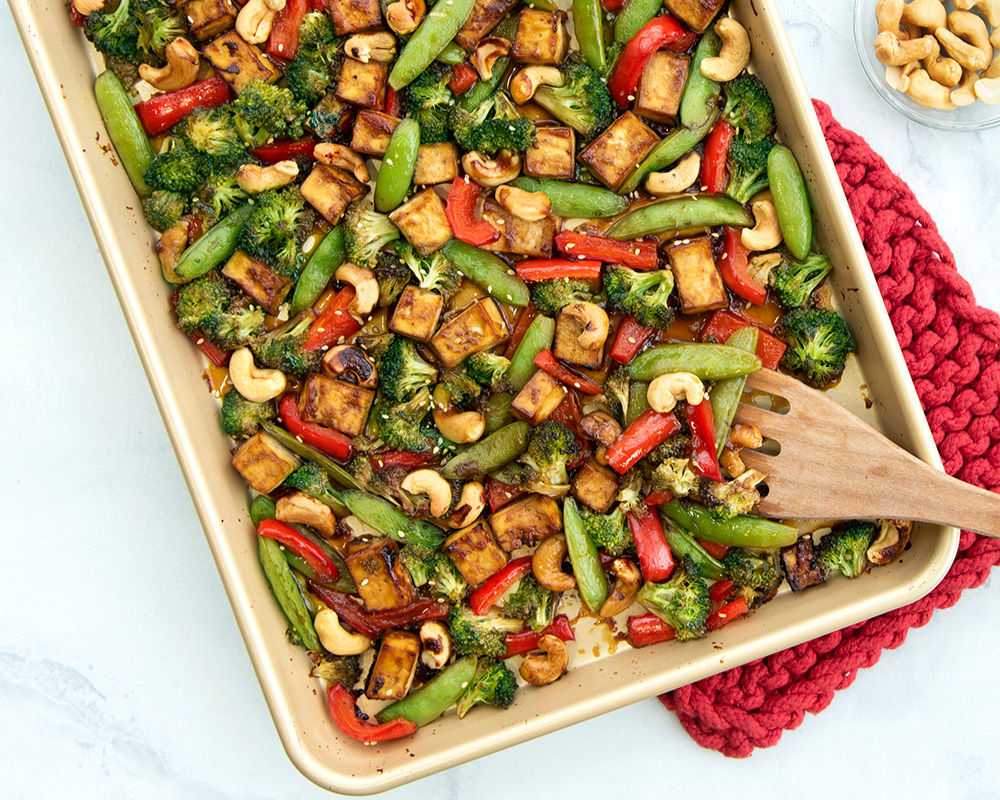
Does it need to be non-stick?
A non-stick pan isn’t required for roasting vegetables, but it does have its perks, especially if you’re roasting softer, delicate veggies that tend to cling (we’re looking at you, zucchini). A good non-stick coating can help prevent sticking and make cleanup faster if it’s high quality and in good condition.
That said, non-stick coatings come with caveats. Lower-quality coatings can wear down, peel, or discolor over time especially when exposed to high heat, which is kind of the whole point of roasting. If you’re someone who roasts regularly and cranks the oven past 400°F on the regular, a natural aluminum pan might actually serve you better in the long run. With a quick swipe of oil or a sheet of parchment paper, you’ll get similar results without worrying about the surface breaking down.
Common mistakes when choosing a sheet pan
Picking the wrong sheet pan can make roasting veggies feel more like a struggle than a success. From uneven cooking to warped pans that send your oil pooling in one corner, there are a few surprisingly common pitfalls that trip up even seasoned home cooks. The good news? They’re easy to avoid once you know what to look out for.
Choosing a pan that warps at high heat
You’re halfway through roasting the perfect batch of root veggies when POP, your sheet pan suddenly twists like it’s trying to do a backbend. That loud noise? It’s your pan warping under the heat, and it’s not just dramatic, it’s disruptive. Roasting vegetables needs real heat, and a pan that can’t take the pressure just isn’t cut out for the job. Look for pans with reinforced rims and heavier-gauge materials. They are built to stay level and deliver consistent, even browning.
 Picking the wrong size
Size absolutely matters especially when it comes to sheet pans. Too small, and your veggies are packed tighter than a rush-hour subway car. When there’s no room to breathe, vegetables don’t roast, they steam. And instead of crispy edges, you’re left with limp, soggy results that are more “meh” than mouthwatering.
But too big can also be a pain if your oven isn’t up for it. Oversized pans can restrict airflow or not fit properly at all, which throws off your cooking time. The sweet spot for most home kitchens is a classic half sheet pan. It’s spacious enough for a generous batch of veggies, but still fits most standard ovens.
Prioritizing non-stick over durability
Peeling, bubbling, and discoloration aren’t just ugly they’re signs your pan’s non-stick days are numbered. And once that coating breaks down, it’s game over. Not only does it affect performance, but it’s also a potential safety issue. Plus, you’ll end up scrubbing more and replacing the pan sooner. No thanks.
If you’re going non-stick, choose high-quality coatings that can handle the heat. But don’t overlook uncoated natural aluminum, it may not be flashy, but it’s durable, dependable, and roasts like a pro. A little oil or parchment paper goes a long way.
Our expert picks for the best sheet pans for roasting
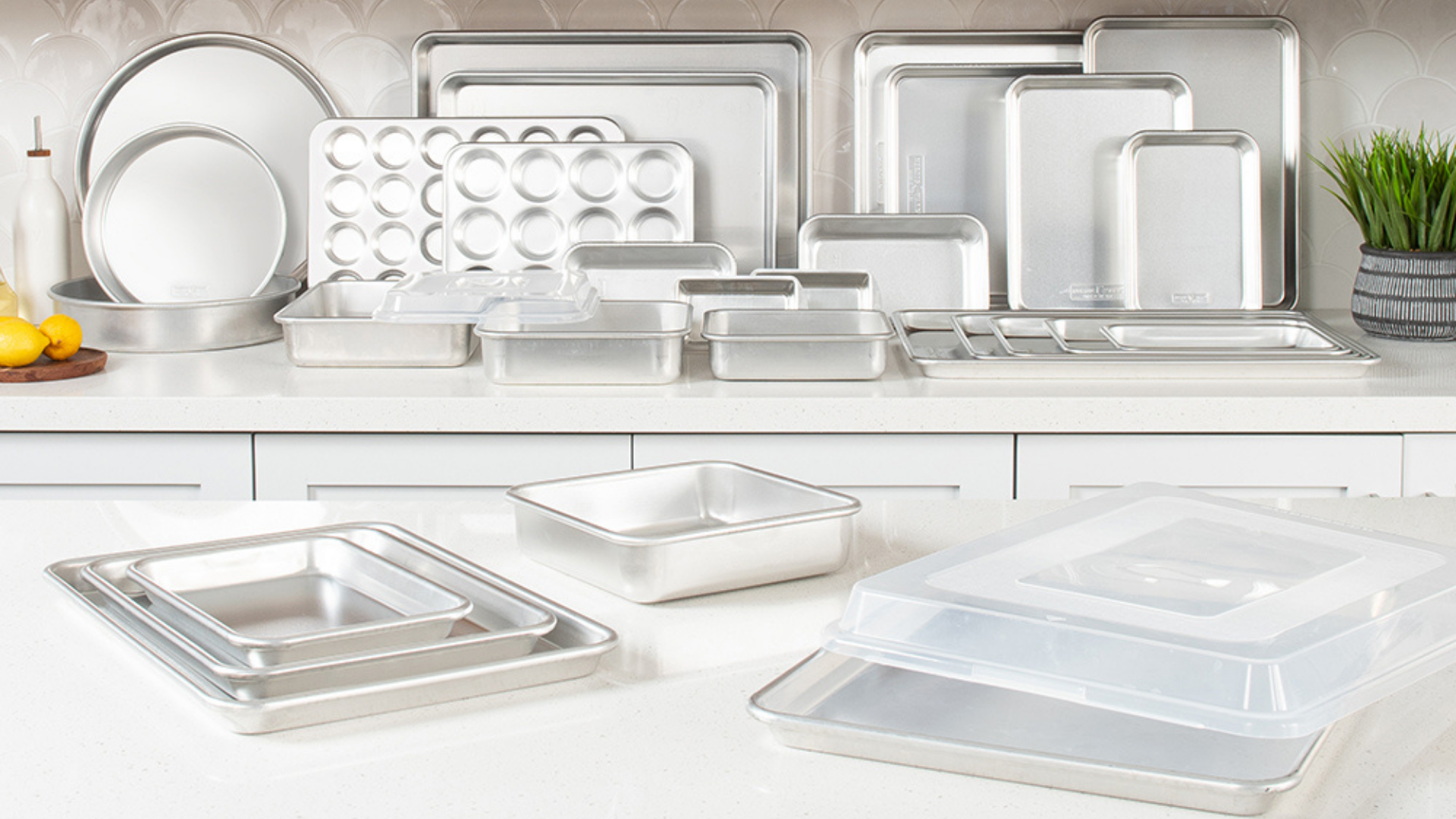
If you’re tired of veggies that steam instead of roast, pans that pop and warp mid-bake, or nonstick coatings that fail after a few uses, you’re not alone. The right sheet pan can completely change your roasting game, think golden-brown edges, even cooking, and zero warping drama. We’ve rounded up our expert picks for the best sheet pans for roasting, so you can skip the trial-and-error and get straight to the good stuff.
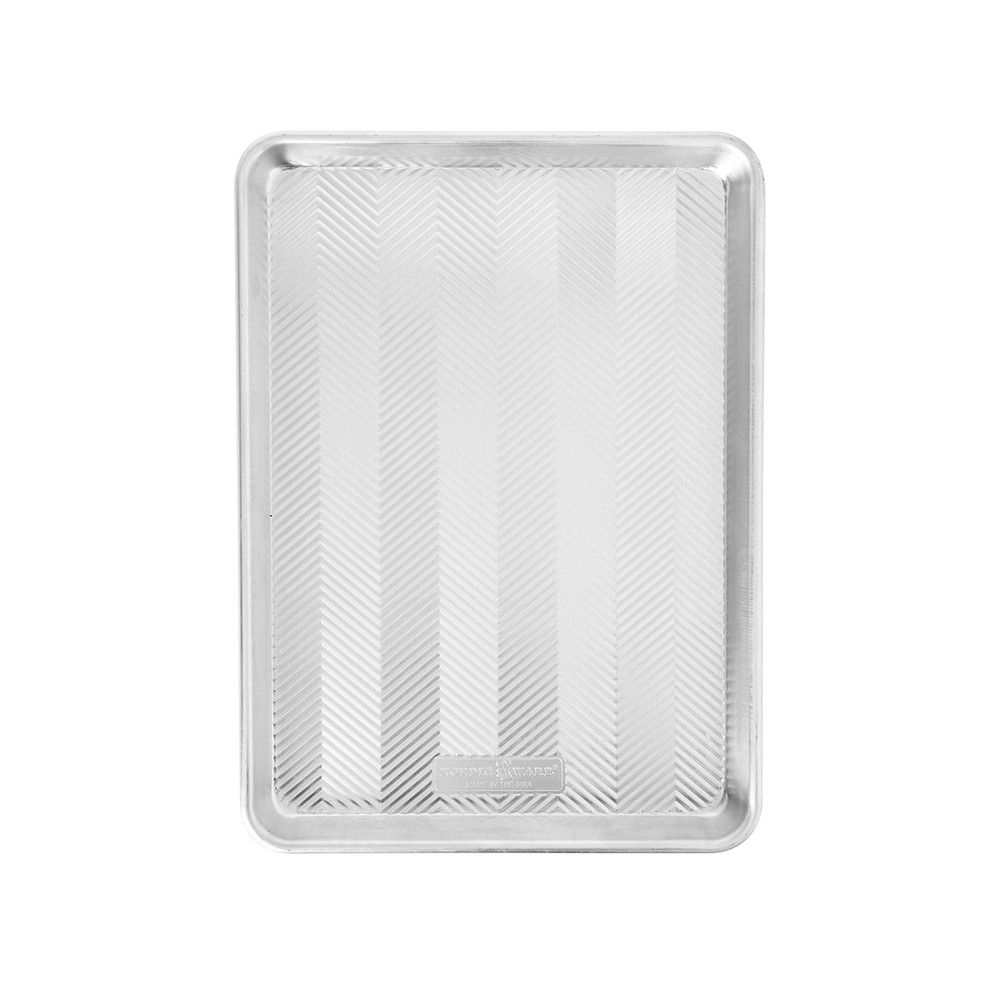
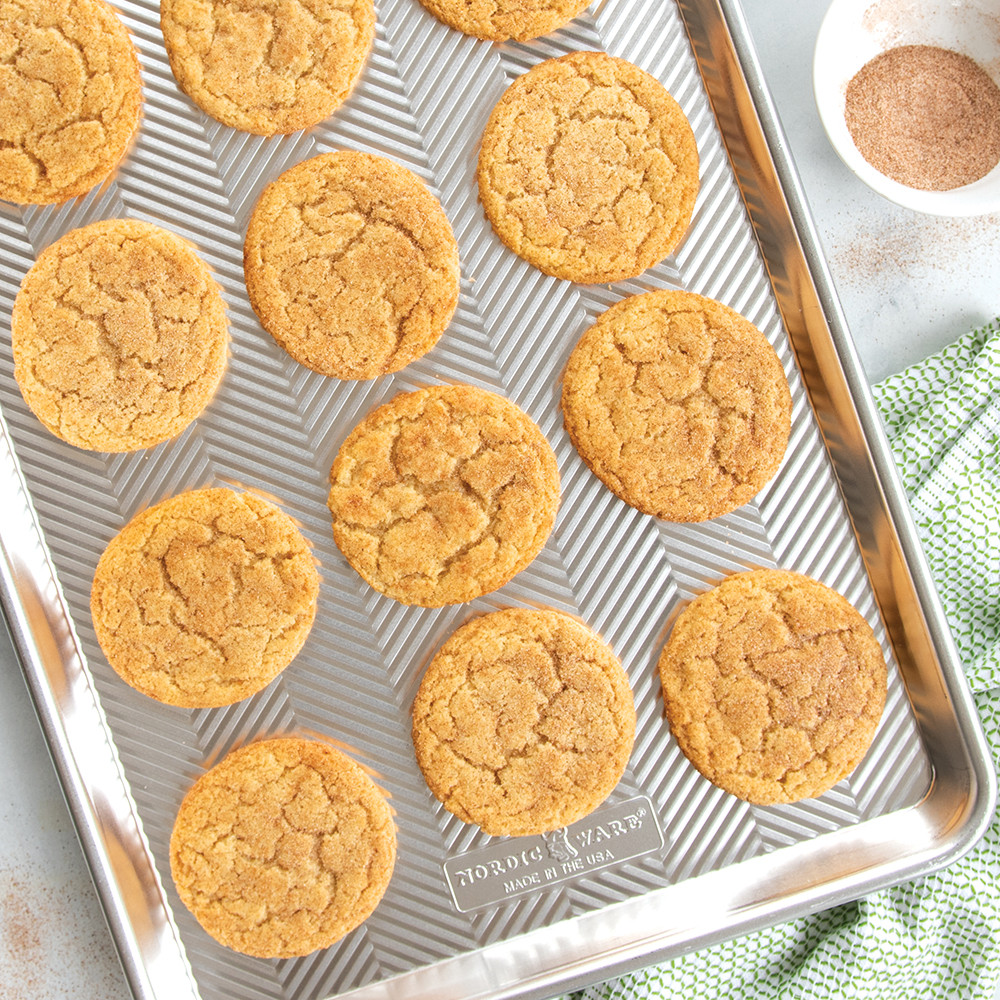
Naturals® Prism Half Sheet
Embossed Natural Aluminum Bakeware takes everything you already love about our fan-favorite baking pans and cranks it up a notch. The exclusive prism grid pattern isn’t just for looks (though yes, it is a total stunner). It adds extra strength, boosts airflow for even crisping, and makes food release smoother than ever. Think of it as a built-in upgrade for golden cookies, crispy roasted veggies, and perfect sheet pan dinners.
And let’s not forget the details: Encapsulated galvanized steel rims mean no warping, no popping, no drama. It’s just a rock-solid pan that stays flat and reliable, bake after bake. This classic half sheet size gets a bold, functional makeover that turns everyday baking into something a little more special.
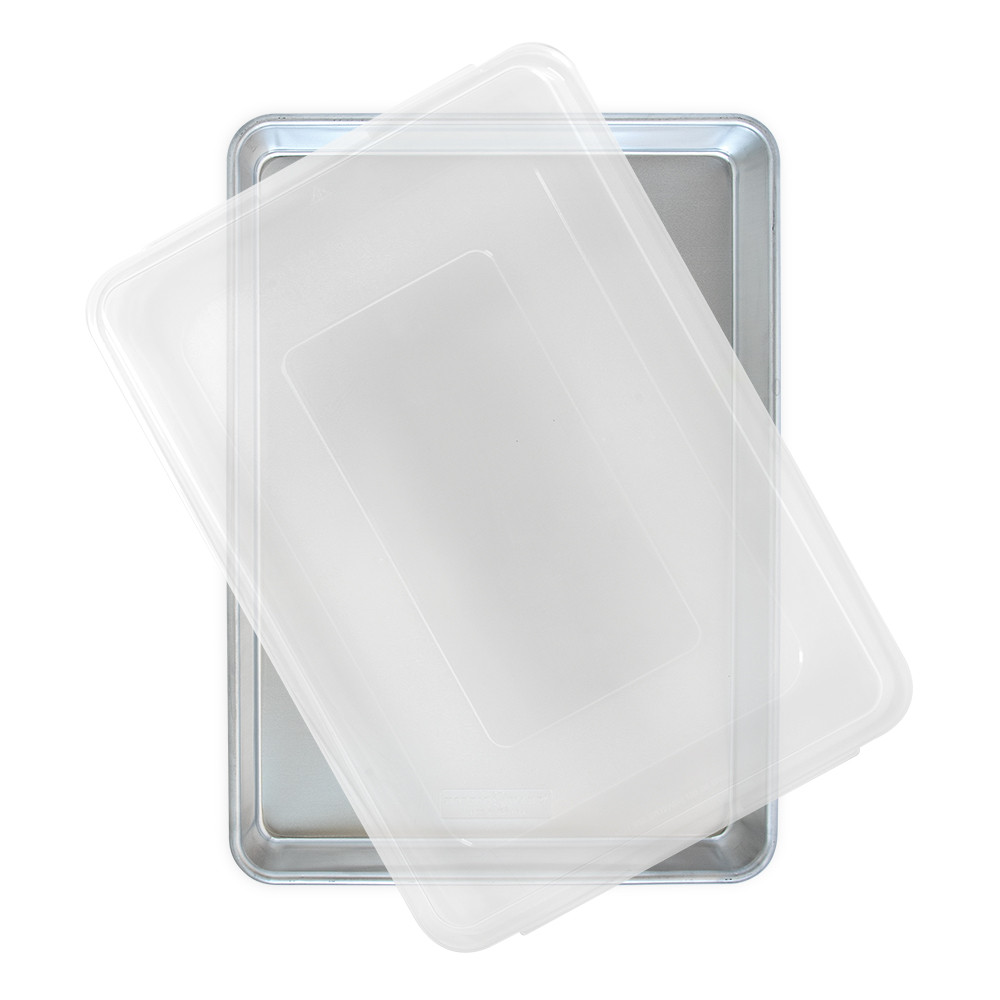
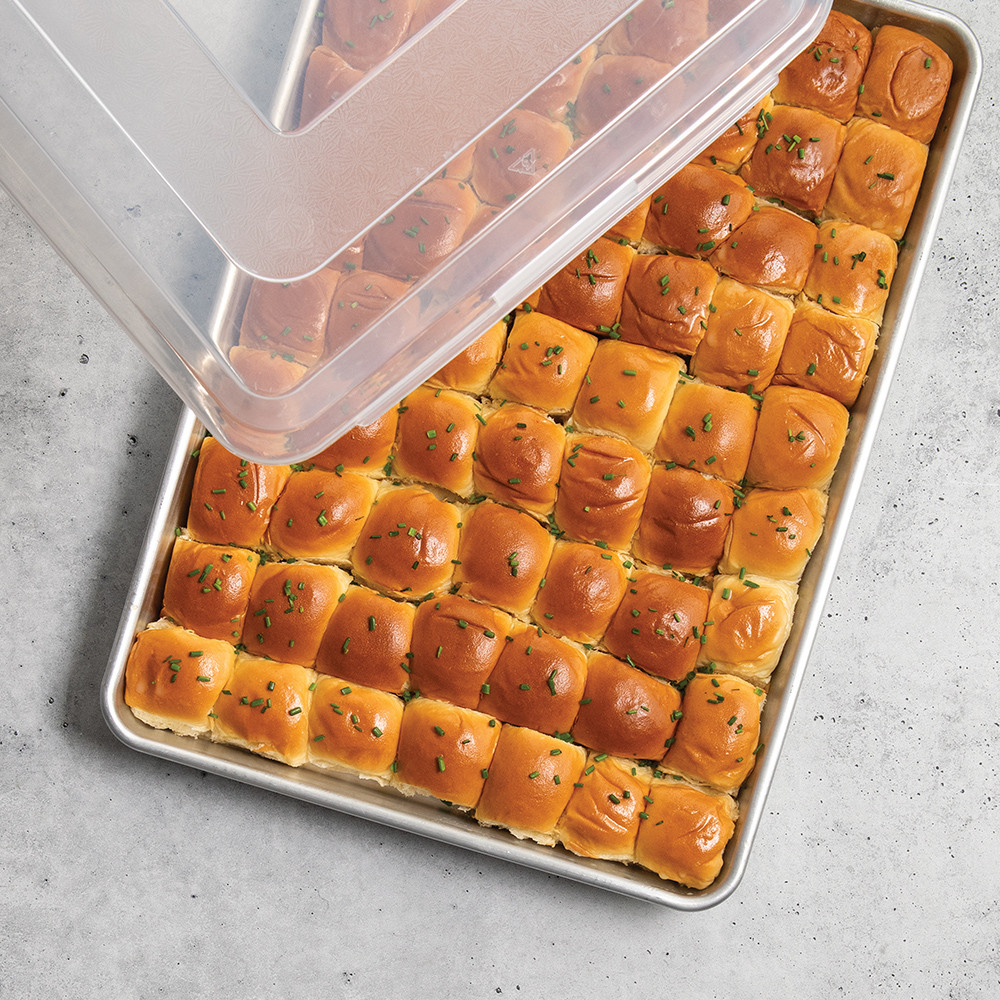
Naturals® Big Sheet with Lid
The Naturals® Bakeware Big Sheet Pan with Lid is your go-to sidekick for big batch energy. Whether you’re roasting mountains of veggies, cranking out cookies for the whole block, or baking a sheet cake just because it’s Tuesday the Big Sheet Pan with Lid makes for a great baking and storing option. Made from pure, uncoated aluminum, it delivers quick, even heating with a naturally nonstick surface (no mystery coatings here). It’s oven-safe up to 500°F, broiler-safe for those crispy edges, and built to last with an encapsulated steel rim that resists warping like a champ. Plus, it comes with a BPA- and melamine-free lid to keep your goods fresh and ready to travel, just don’t pop the lid in the oven.
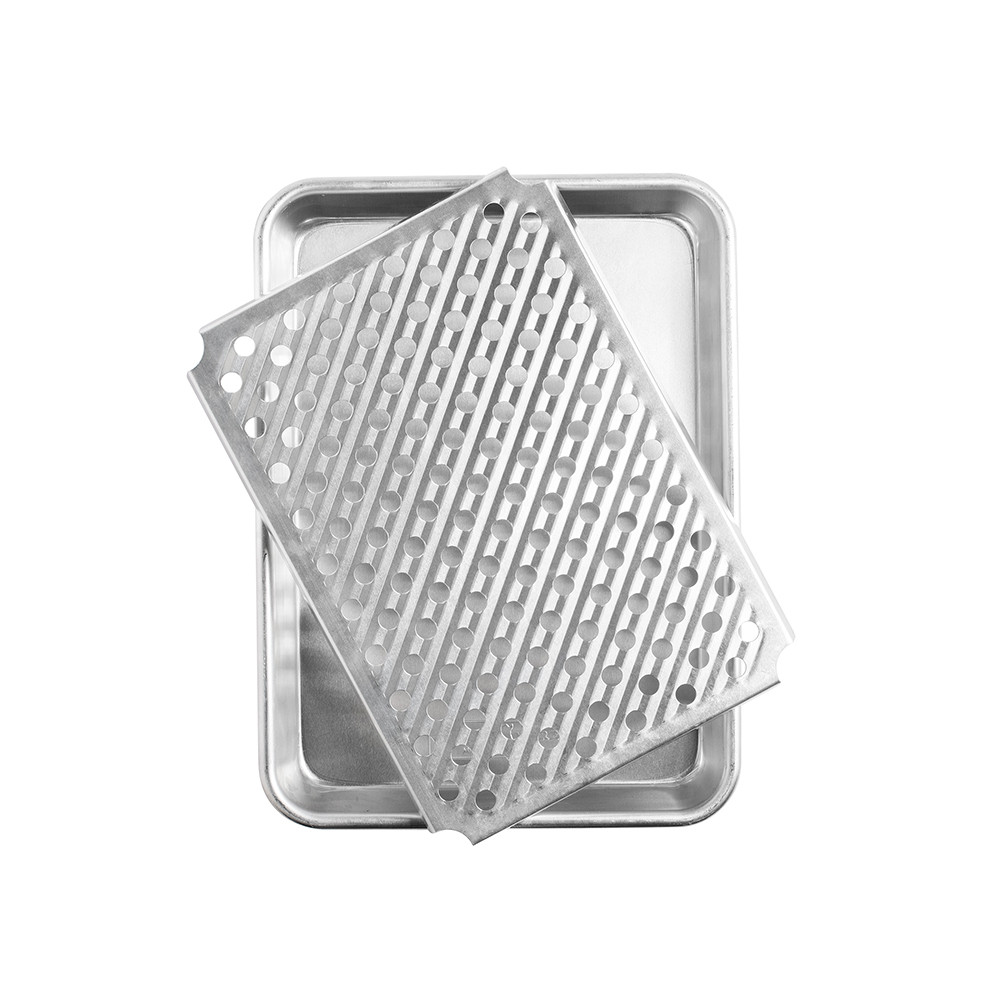
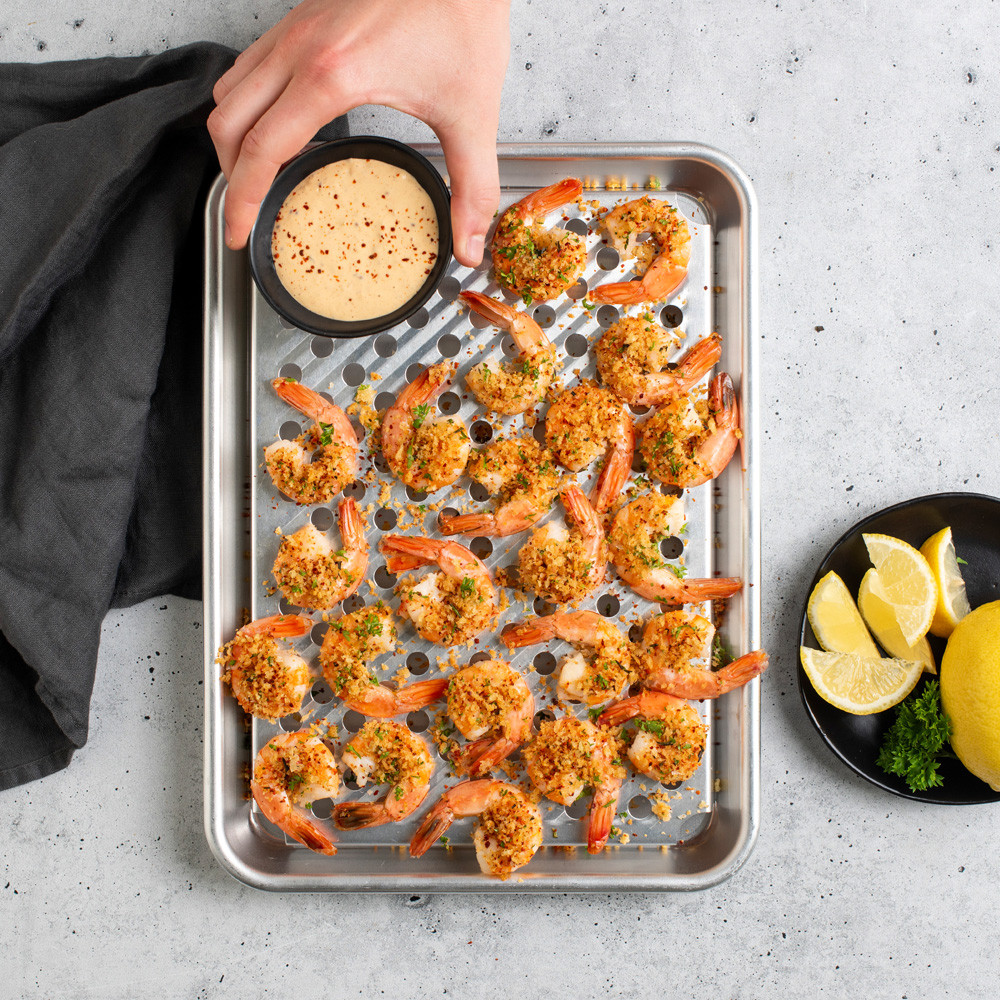
Naturals® Quarter Sheet with Multi-Task Oven & Cooling Rack
The Nordic Ware Naturals® Quarter Sheet with Multipurpose Oven & Cooling Rack is your small-but-mighty kitchen essential. Perfect for roasting a personal batch of veggies, baking a few cookies, or whipping up dinner for one or two, this compact set delivers big results. The durable aluminum sheet ensures even browning, while the multipurpose rack lifts food for crisping, cooling, or decorating. Efficient, versatile, and perfectly sized, it’s ideal when you’re not feeding a crowd but still want top-tier cooking and baking performance.
Ready to upgrade? Shop Nordic Ware sheet pans
Roasting vegetables shouldn’t be a guessing game filled with burnt edges, soggy middles, and pans that buckle under the pressure. We’ve covered all the essentials; from choosing the right material (hint: Aluminum for the win), to avoiding warping, picking the right size, and skipping cheap coatings that flake out on you.
A great pan makes all the difference, and Nordic Ware checks every box: Natural aluminum for even heat and perfect browning, reinforced rims that stand up to high temps without warping, thoughtful sizing for every batch, and ultra-durable construction that’s built to last. Made in the U.S.A. by a family-owned company that knows bakeware inside and out. Nordic Ware pans aren’t just better, they’re built for real home cooks who want real results.
Shop all Nordic Ware Baking Sheets here.