Pie Pan vs. Tart Pan: What’s the Difference and When to Use Each
Let’s settle a kitchen debate: Is there actually a difference between a pie pan and a tart pan, or are we all just collecting increasingly specific bakeware?
The answer is yes. And before you attempt to bake your grandmother’s famous apple pie in a shallow tart pan, we need to talk.
While pie pans and tart pans might look like distant cousins, they’re designed to do different jobs. Their shapes, depths and construction influence everything from how your crust bakes to how your finished masterpiece looks on the table.
The good news? Neither is particularly complicated. Once you understand the differences, choosing the right pan becomes much easier. And you’ll have an excellent excuse to expand your bakeware collection. You’re welcome.
TABLE OF CONTENTS:
- Understanding Pie Pans
- Exploring Tart Pans
- Pie Pans vs. Tart Pans: Key Differences
- Choosing the Right Pan for Your Recipe
- Care and Maintenance of Baking Pans
- Conclusion: Making Informed Baking Choices
- Frequently Asked Questions
Understanding Pie Pans
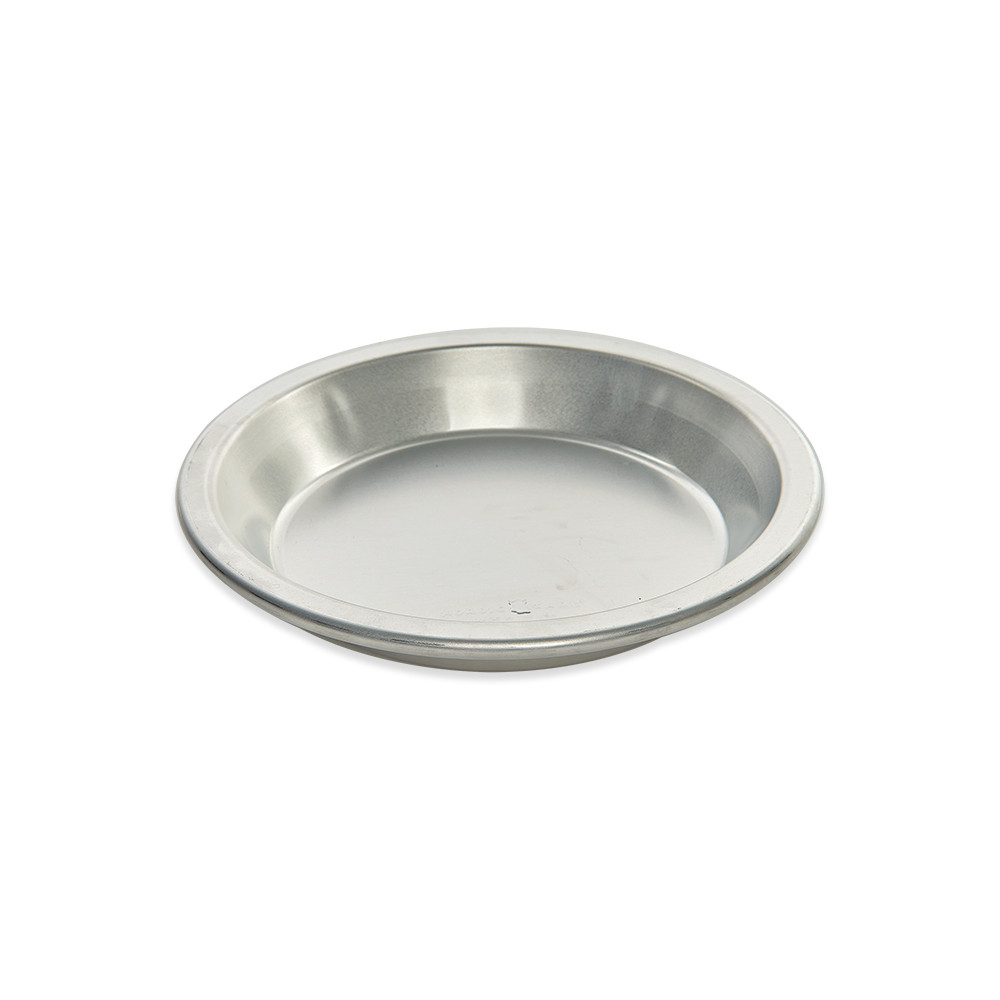
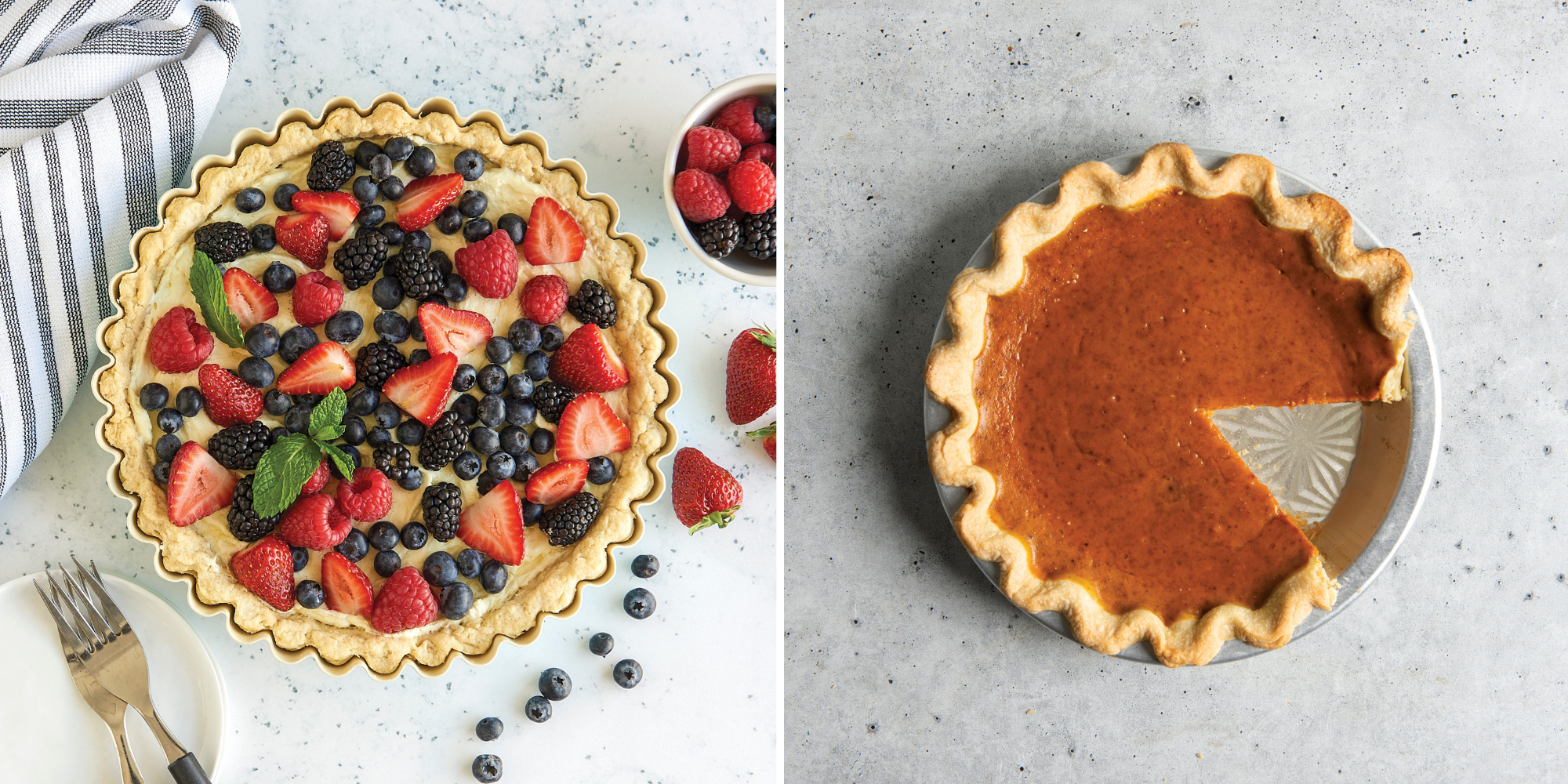
A pie pan is typically round, with sloped sides and a rim that gives you room to crimp or decorate your crust. Most standard pie recipes call for a 9-inch pan, although deeper and smaller options are available.
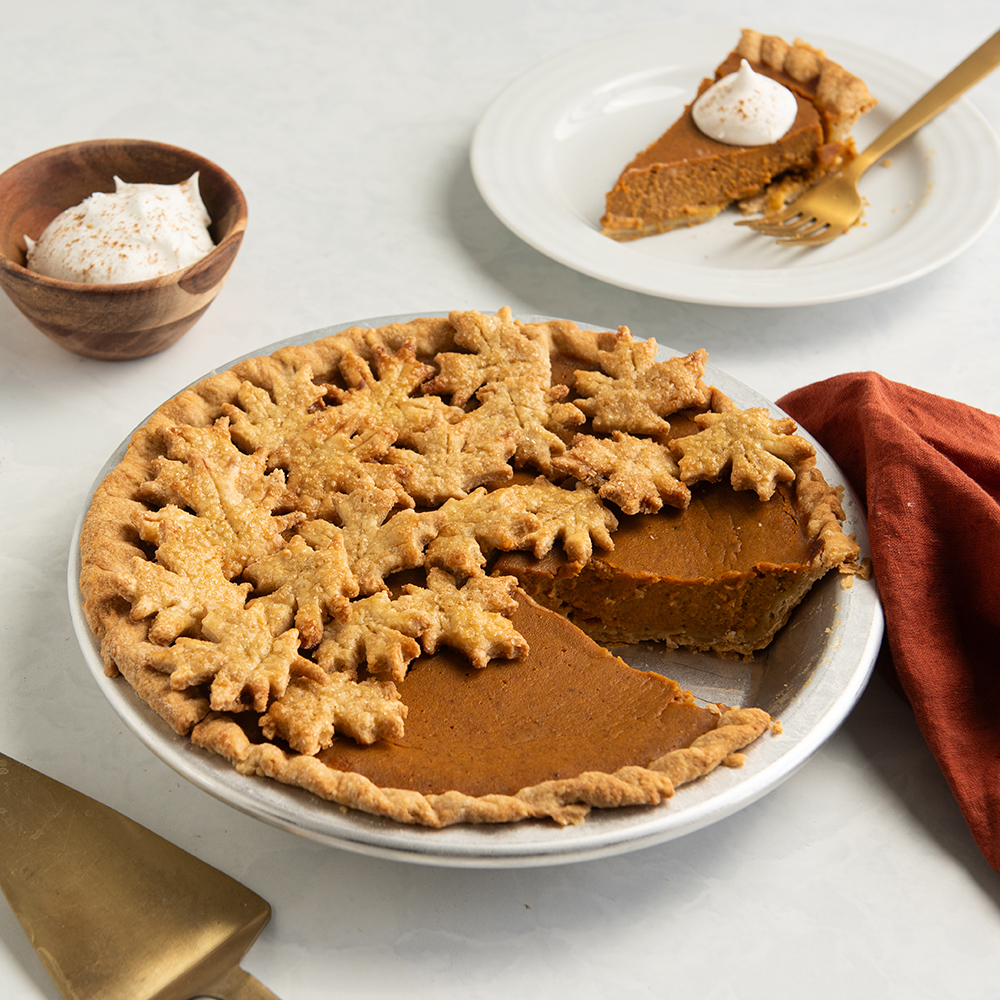
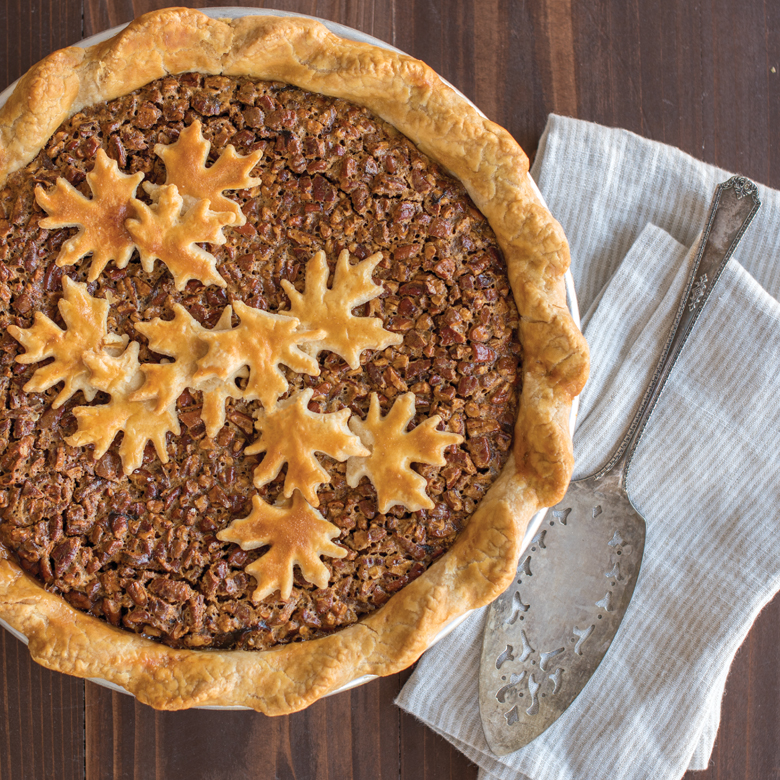
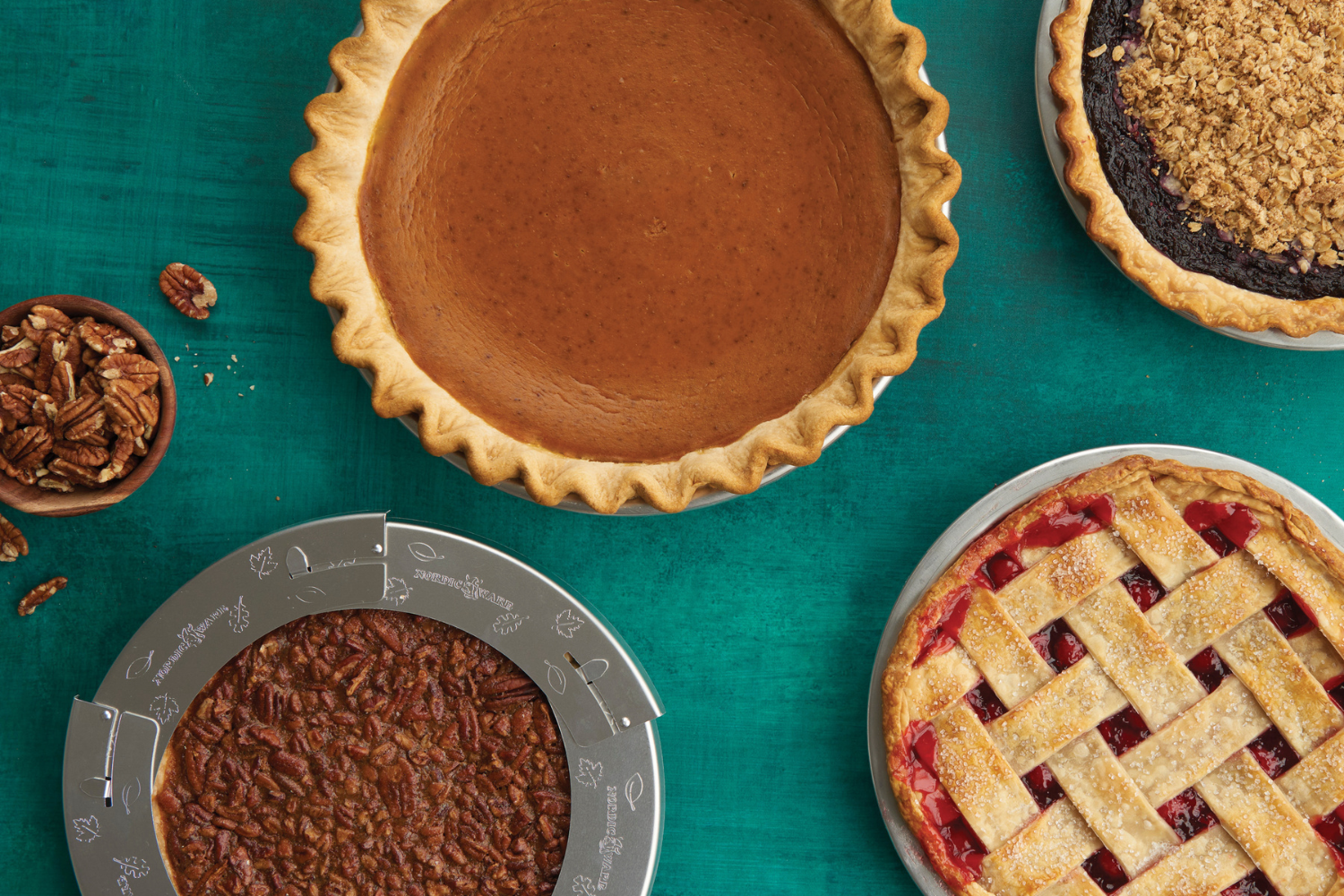
The sloped sides and generous depth make pie pans particularly well suited for recipes with substantial fillings. Think towering apple pies, creamy pumpkin pies and pecan pies that absolutely refuse to share the Thanksgiving dessert table.
Pie pans have been kitchen staples for generations, evolving alongside traditional American pie-making. And while materials and designs have changed, their basic purpose remains the same: supporting a delicious crust and holding plenty of filling.
Key Features of Pie Pans
Pie pans come in several materials, each with different baking characteristics:
- Aluminum: An excellent heat conductor that promotes even baking and browning. It’s also lightweight and easy to handle.
- Ceramic: Attractive enough to move directly from oven to table, although its thickness and heat-transfer properties can affect baking times.
- Glass: Allows you to check the color of your bottom crust, but heats differently from metal and requires care when exposed to temperature changes.
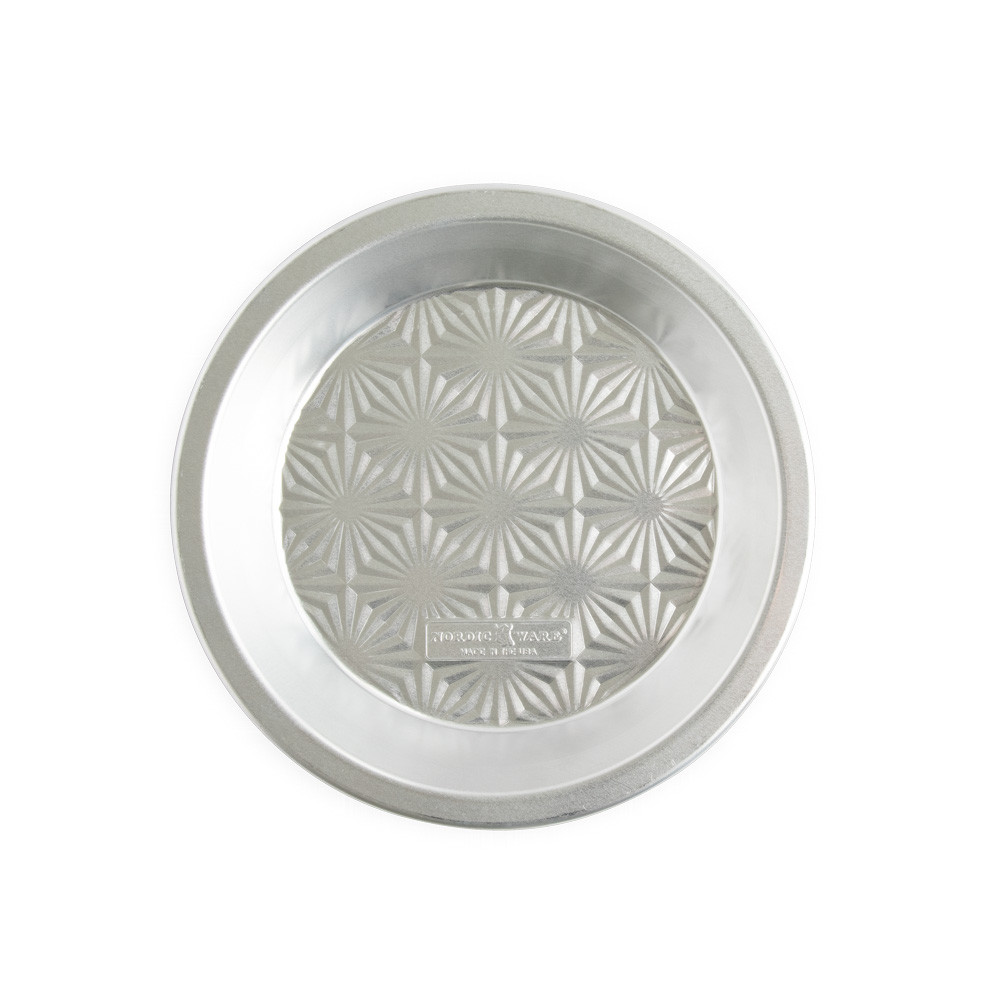
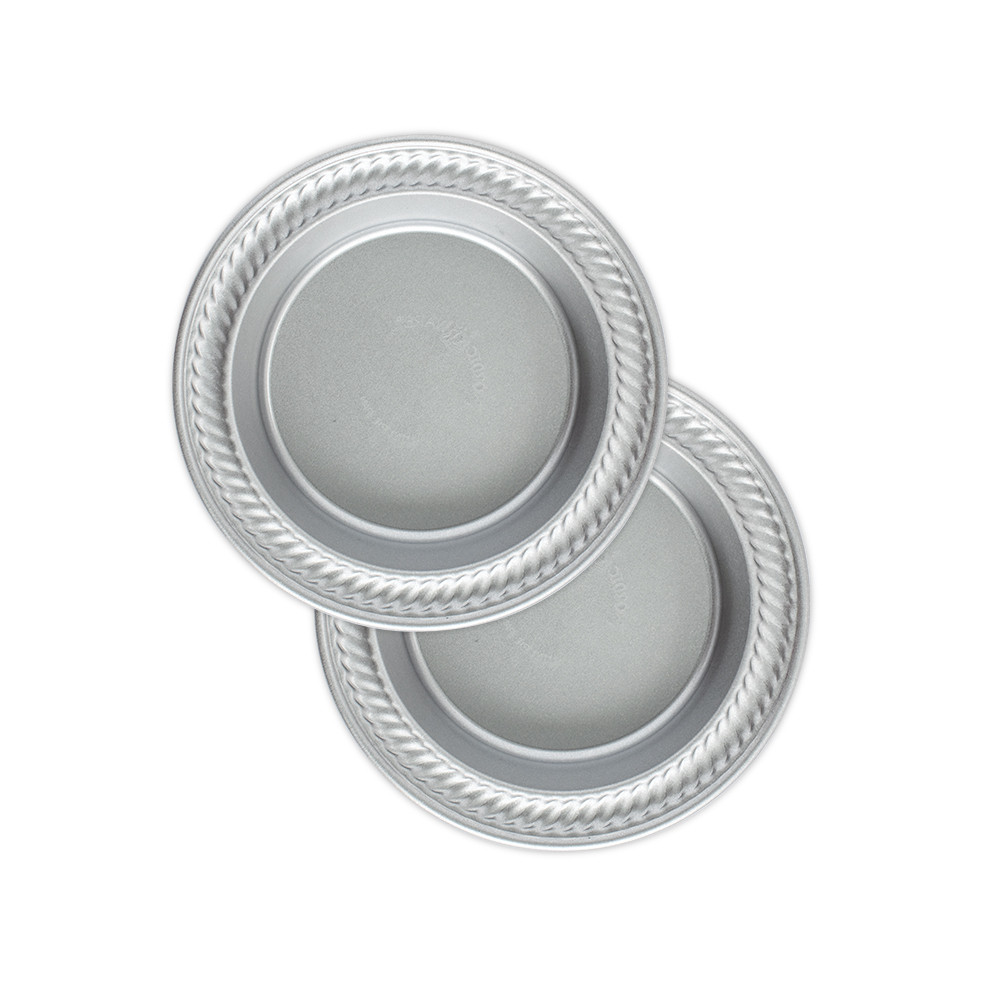
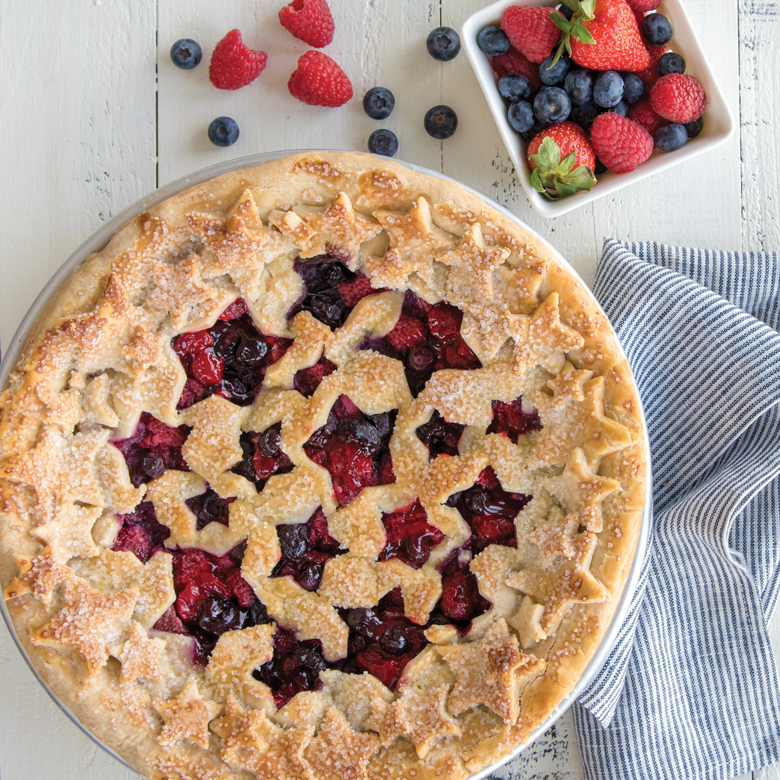
For dependable performance, aluminum is an excellent choice. Nordic Ware’s pie pan collection includes options designed for traditional recipes and smaller portions. The Naturals Vintage Starburst 9-Inch Pie Pan combines practical aluminum construction with a decorative design. Because apparently even your bakeware deserves to look fabulous.
Popular Pie Recipes
Pie pans aren’t limited to one particular dessert. They’re wonderfully versatile. Consider these classics:
- Apple pie with a generous fruit filling and decorative top crust
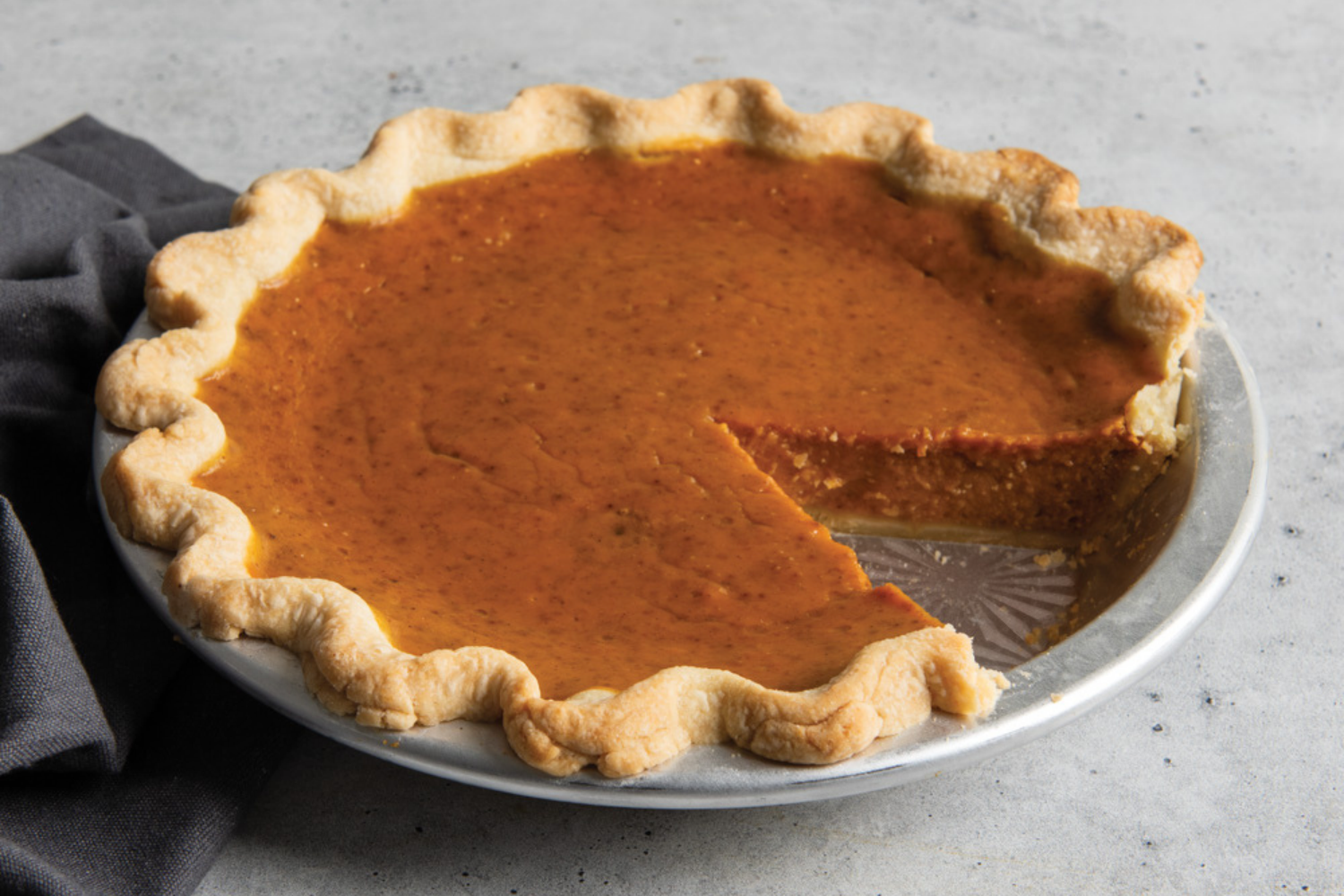
- Pumpkin pie with a smooth, creamy filling
- Pecan pie with its rich filling and flaky pastry shell
- Chicken pot pie with a savory filling and golden crust
- Chocolate cream pie with a chilled filling
They’re also suitable for creative variations inspired by different cuisines, from savory meat pies to custard-based desserts. The important consideration is depth. If your recipe involves a substantial amount of filling, a traditional pie pan is generally your friend.
Exploring Tart Pans
If pie pans are the comfortable, dependable members of your bakeware collection, tart pans are their slightly more sophisticated relatives. They have opinions about presentation. They probably own linen napkins.
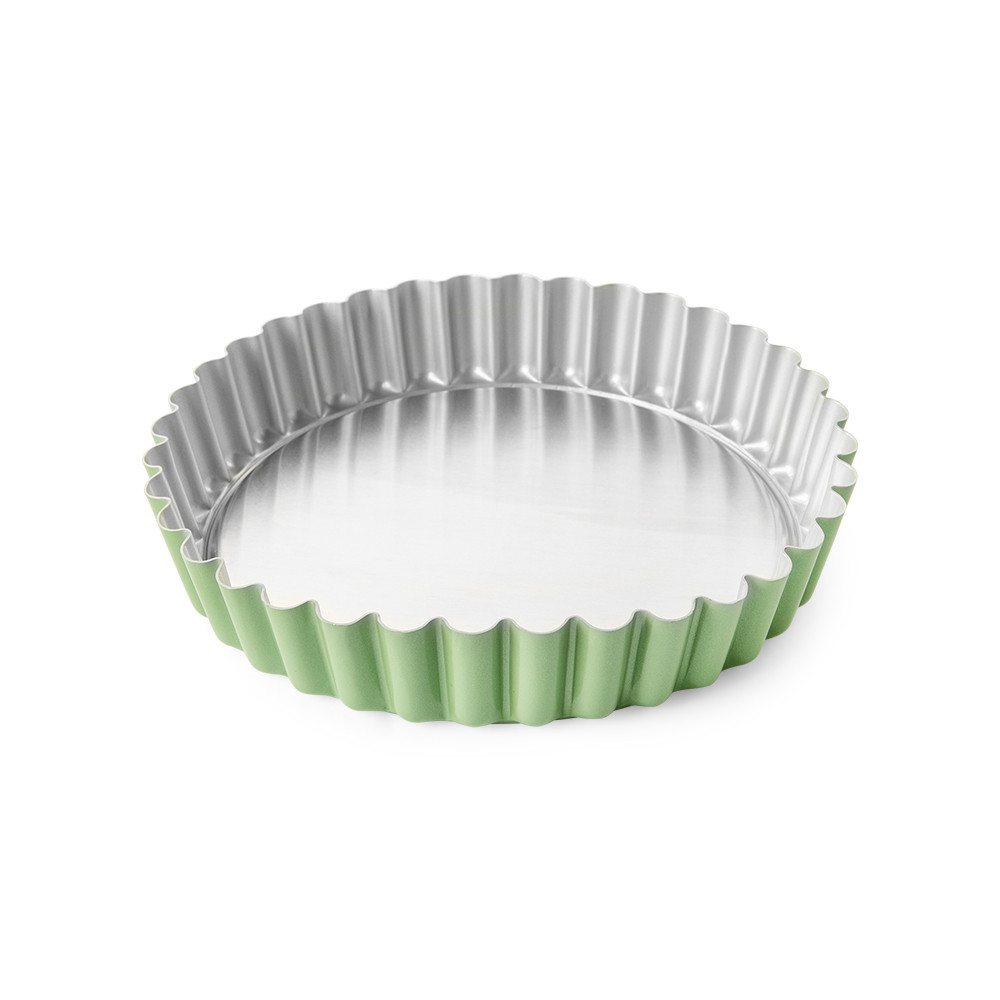
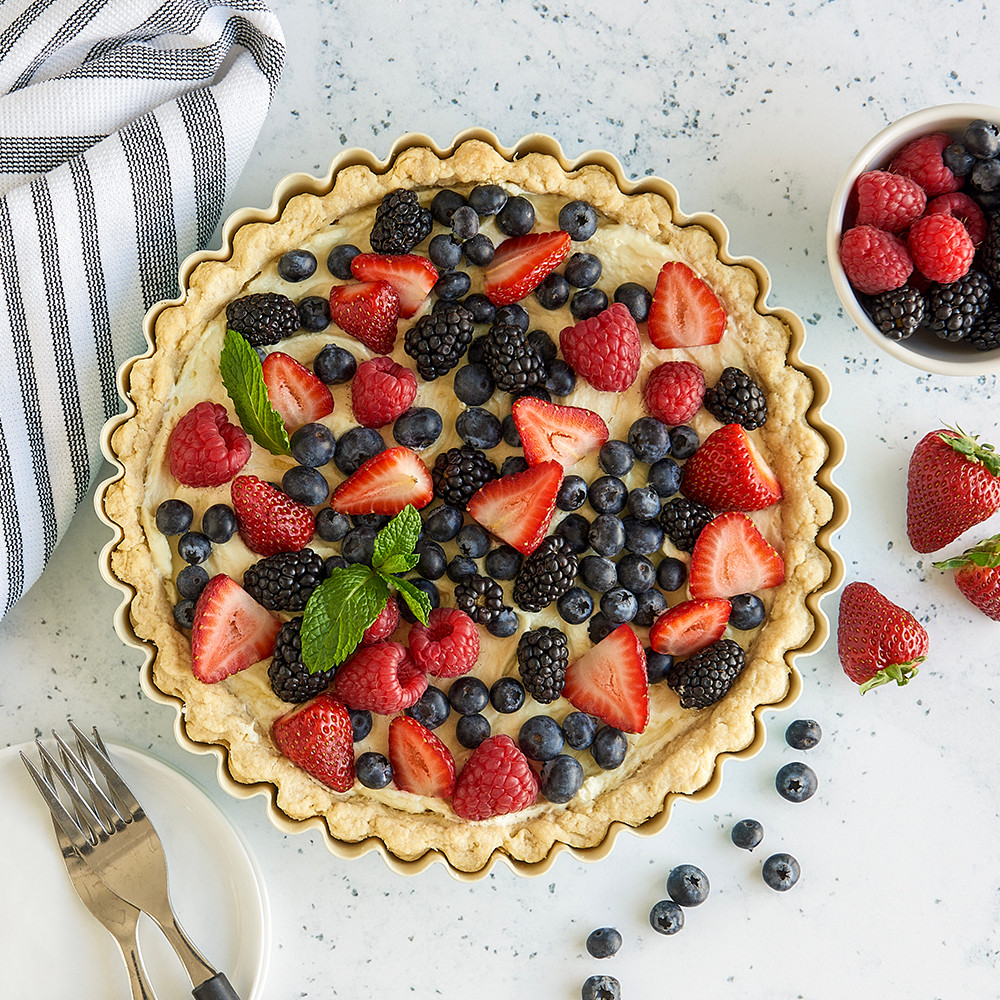
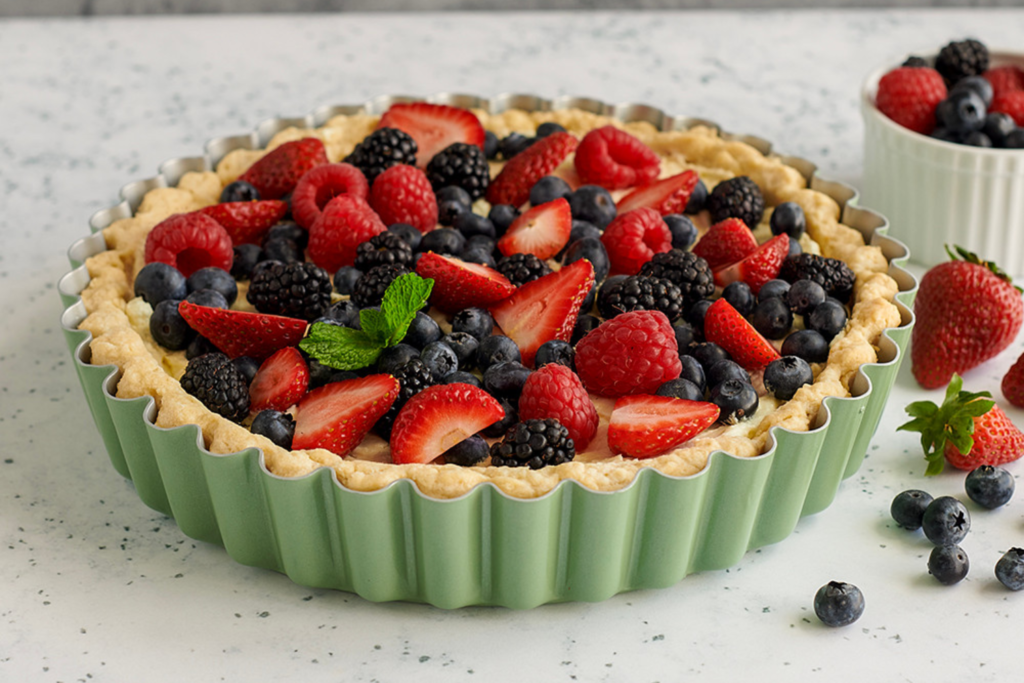
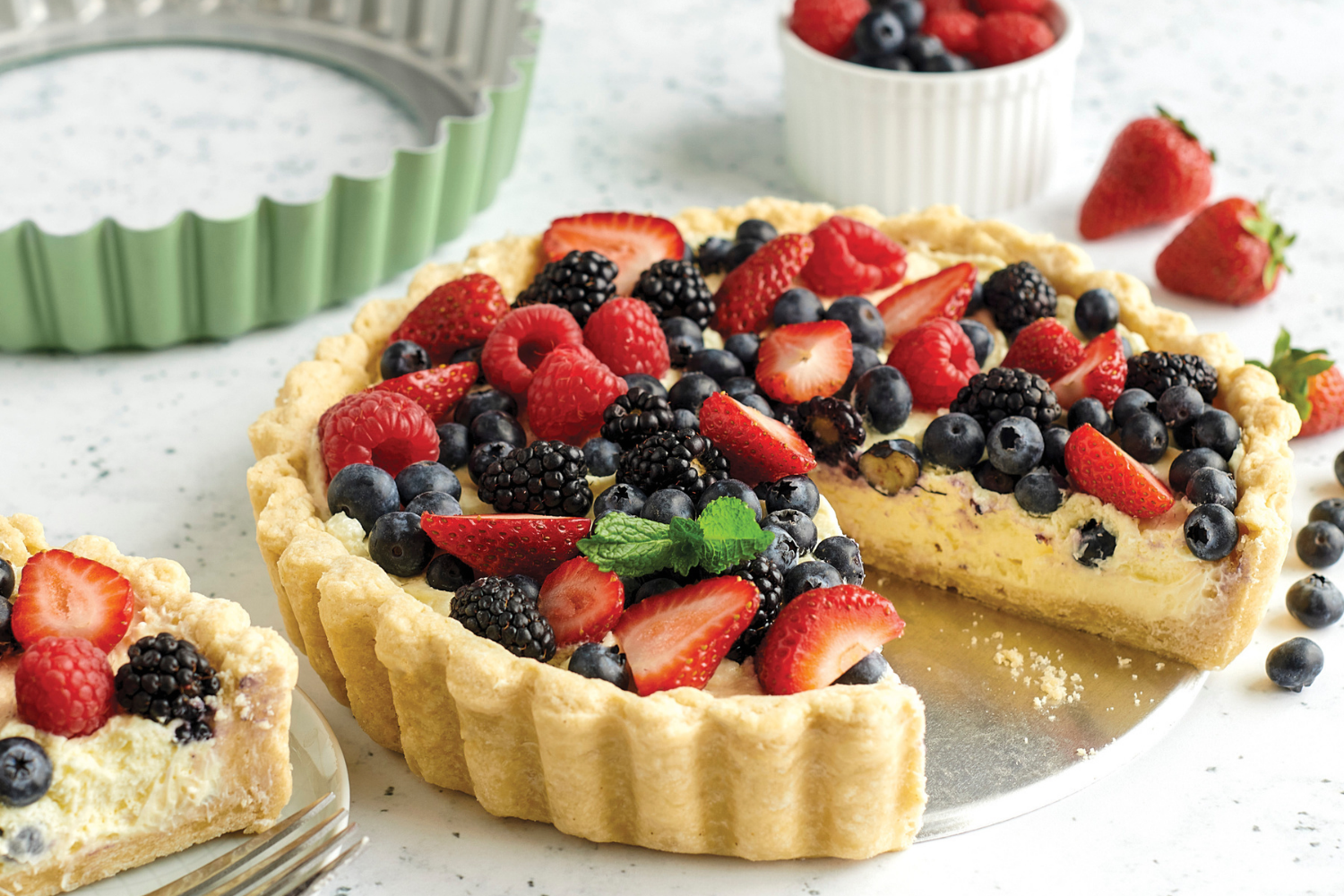
Unlike traditional pie pans, tart pans generally feature straight, shallow sides. Many have fluted edges that create those beautiful decorative ridges associated with classic French pastries. But the real magic is often underneath.
Design and Variations
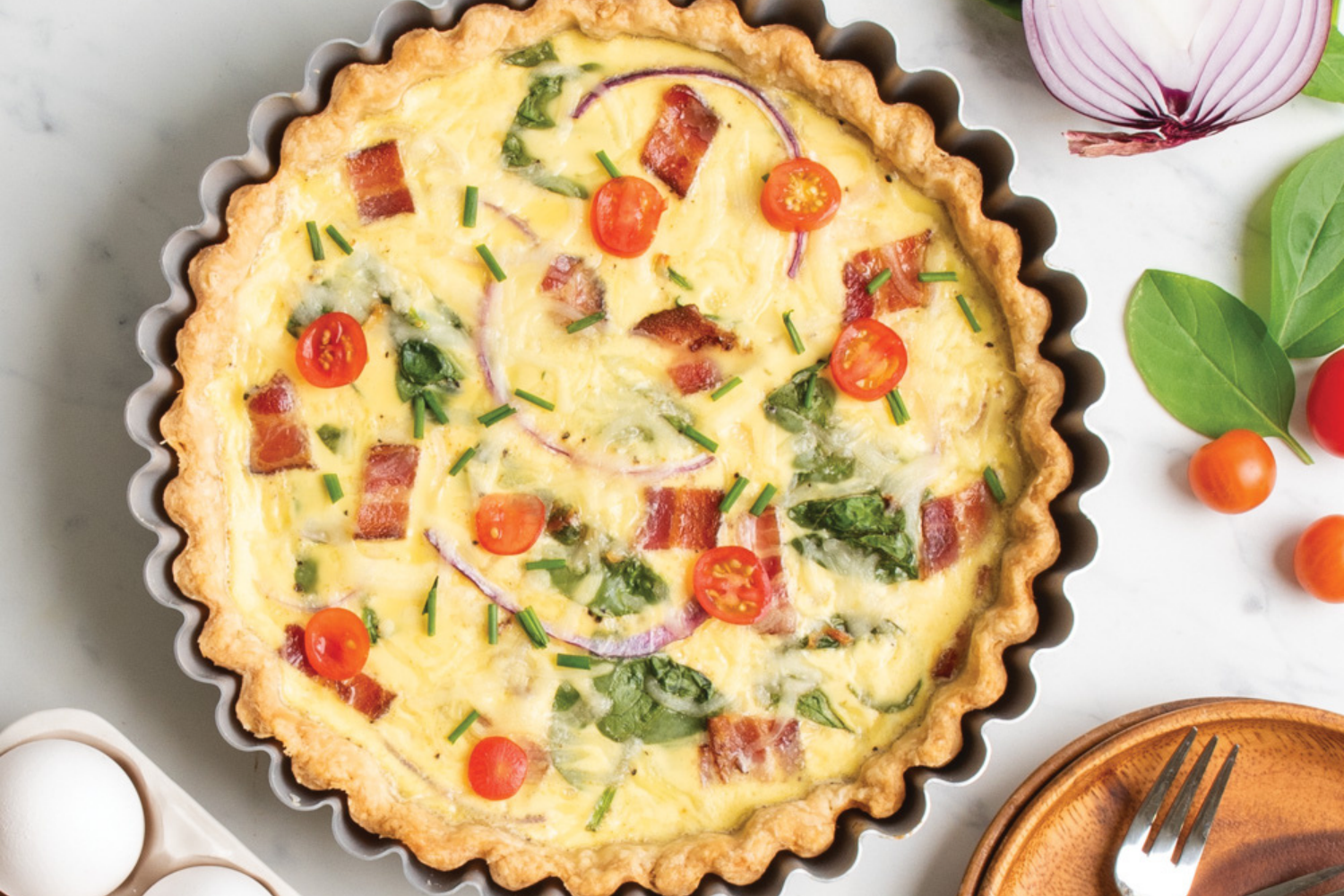
Many tart pans feature a removable bottom, which allows you to separate your finished tart from the surrounding pan without flipping it upside down. This is especially useful when you’re working with delicate pastry or fillings that need to look as good as they taste.
Tart pans also come in different shapes and sizes. A standard round pan works beautifully for fruit tarts, while a mini tart pan is ideal for individual desserts, appetizers and smaller portions.
Material matters here, too. Metal tart pans conduct heat efficiently, helping pastry develop a crisp, evenly browned crust. Ceramic options can be attractive for serving, although their heat-transfer characteristics differ.
Nordic Ware’s Quiche and Tart Pan features aluminum construction, a nonstick coating and a removable bottom. Its design makes it suitable for both sweet tarts and savory quiches. One important note: Not every tart pan has a removable bottom, so check before purchasing.
Pie Pans vs. Tart Pans: Key Differences
So, which pan wins? Neither! They’re designed for different baking needs, and understanding those differences can save you from some very unfortunate pastry situations. While they might look similar at first glance, their shapes, depths and construction can dramatically change your baking results.
Let’s start with the most obvious difference: shape. Pie pans typically have sloped sides that provide plenty of room for generous fillings and decorative crusts. Tart pans, on the other hand, usually feature straight, fluted sides that create those beautiful, bakery-worthy edges. Think of a pie as your cozy, rustic dessert and a tart as its slightly fancier cousin who studied abroad in France.
Depth is another important distinction. Pie pans are generally deeper, making them ideal for recipes that require substantial fillings, such as apple pies, pumpkin pies and savory pot pies. Tart pans are typically shallower, which makes them better suited for recipes that call for a thinner layer of filling, such as lemon tarts, fruit tarts and certain quiches.
Then there’s the bottom of the pan. Most traditional pie pans feature a solid bottom, which means your finished pie is usually sliced and served directly from the pan. Many tart pans, however, have a removable bottom that allows you to lift your finished creation out of the pan while keeping those delicate, fluted edges intact. It’s an especially useful feature when presentation matters. After all, if you’ve spent hours making a gorgeous fruit tart, you probably want people to see the whole thing.
Finally, consider your crust. Pie pans are designed to accommodate everything from traditional single-crust pies to elaborate double-crust creations with beautiful lattice designs. Tart pans are generally intended for a single pastry shell that serves as the foundation for your filling. Their straight sides also create a more structured appearance, while the sloped sides of a pie pan lend themselves to traditional crimped edges.
Ultimately, the choice comes down to what you’re baking and how you want to serve it. If you’re making a towering apple pie or your grandmother’s famous pumpkin pie, reach for your trusty pie pan. If you’re preparing an elegant lemon tart or a beautiful fruit-filled dessert that deserves its own photo shoot, a tart pan might be exactly what you need.
Recipe Adaptations
When adapting recipes, check your pan’s capacity, avoid overfilling and adjust baking times as needed. A shallower filling may bake faster, while changes in crust thickness can affect texture and browning.
Choosing the Right Pan for Your Recipe
Before choosing your pan, consider three questions:
- How much filling does the recipe require? Deep fruit pies generally need the additional capacity of a pie pan.
- How important is presentation? If you want clean, decorative edges and easy removal, consider a tart pan with a removable bottom.
- What material works best? Metal is an excellent choice for efficient heat transfer and consistent crust browning.
Professional bakers often favor metal bakeware because it offers predictable heating and reliable results. But the right choice ultimately depends on your recipe.
Material Matters
The material of your pan can influence how your crust bakes and browns. Natural aluminum conducts heat quickly and evenly, making it a reliable choice for consistent baking and browning. Glass heats differently and allows you to see the crust as it bakes, while ceramic retains heat well and offers an attractive oven-to-table presentation. The best choice depends on your recipe, baking preferences, and how you plan to serve your finished pie or tart.
The Versatile Kitchen
Owning both a pie pan and a tart pan also gives you more flexibility. A traditional pie pan handles your holiday classics, while a tart pan opens the door to elegant desserts, savory tarts and beautiful brunch creations. You can make a tart in a pie pan, but you’ll lose those distinctive straight, fluted edges. Removing the finished tart might also be more challenging.
Similarly, you can bake certain pie recipes in a tart pan, provided the filling fits. However, its shallower sides may not accommodate a traditional deep-filled pie. And remember: A 9-inch pie pan and a 9-inch tart pan don’t necessarily hold the same volume.
And no, you don’t need to purchase every size immediately. Start with the recipes you actually make, then expand your collection as your baking ambitions grow.
Care and Maintenance of Baking Pans
Good bakeware deserves a little attention. Fortunately, keeping your pans in excellent condition doesn’t require an elaborate cleaning routine.
Cleaning Tips
- Hand-wash aluminum and nonstick pans with warm, soapy water and a soft sponge, following the manufacturer’s instructions.
- Avoid abrasive scrubbers and metal utensils on nonstick surfaces.
- Apply Dawn Power Wash on stubborn baked-on residue for a few minutes before gently cleaning it.
- Dry pans thoroughly before storing them.
Nordic Ware recommends hand-washing its natural aluminum pie pans and Quiche and Tart Pan. Dishwashers and abrasive cleaners can damage finishes or cause discoloration.
Storage Solutions
Store pans where they won’t become scratched, bent or crushed beneath heavier cookware.
Keep removable tart pan bottoms together with their matching pans. If stacking bakeware, consider placing a soft cloth between pieces to protect their surfaces. And if your natural aluminum develops some discoloration over time, don’t panic. Cosmetic changes don’t necessarily affect its baking performance.
Conclusion: Making Informed Baking Choices
Here’s the bottom line: Pie pans and tart pans aren’t interchangeable twins. They’re different tools designed to help you achieve different results.
A pie pan provides the depth and structure needed for traditional pies with generous fillings. A tart pan offers straight sides, decorative edges and, frequently, a removable bottom for beautiful presentation. Both deserve a place in your kitchen.
Whether you’re baking your grandmother’s apple pie or attempting a French fruit tart worthy of a Parisian pâtisserie, choosing the right pan helps you get the results you’re after. And if you decide you need both? We fully support your decision.
 FAQ Section
Q: What can I use instead of a tart pan?
A pie pan or springform pan can work for certain tart recipes. However, the shape and depth will differ, and removing your finished tart may require extra care. Check the recipe’s filling volume before substituting.
Q: What’s the difference between a pie pan and a tart pan?
Pie pans typically have deeper, sloped sides and solid bottoms. Tart pans usually have shallower, straight sides, often with fluted edges and removable bottoms. These differences affect crust shape, filling capacity and presentation.
Q: What is the best tart pan to buy?
Look for a tart pan with good heat conductivity, an appropriate depth and a removable bottom if presentation is important. A nonstick aluminum pan, such as Nordic Ware’s Quiche and Tart Pan, offers a practical combination of even heating and easy release.
Q: Why do tart pans have a removable bottom?
A removable bottom allows you to lift the finished tart away from the surrounding pan without turning it upside down. This helps protect delicate crusts and preserves the tart’s decorative edges.