Choosing the Best Tart Pan: Beyond the Basics
Let’s talk about tart pans the most underestimated piece of bakeware in your kitchen. Everyone obsesses over the filling, the crust recipe, the exact ratio of butter to flour… and then casually pours all that effort into whatever pan is closest. Which is how you end up with soggy bottoms, uneven browning, and edges that look like they lost the will to live halfway through baking.
Here’s the reality: Tart pans are not interchangeable. The material, the construction, the depth, even the edges all quietly influence how your tart bakes, sets, releases, and ultimately looks on the table. And now that everyone has fully leaned into home baking it matters more than ever.
TABLE OF CONTENTS
- Understanding Tart Pan Materials
- Design Elements That Make a Difference
- Practical Applications in Home Baking
- Tart Pan Maintenance and Longevity
- Expert Recommendations: What Professionals Use
- Trends and Innovations in Tart Pan Design
- Conclusion
- FAQ Section
- Find the Perfect Tart Pan
- Our Favorite Tart Recipes
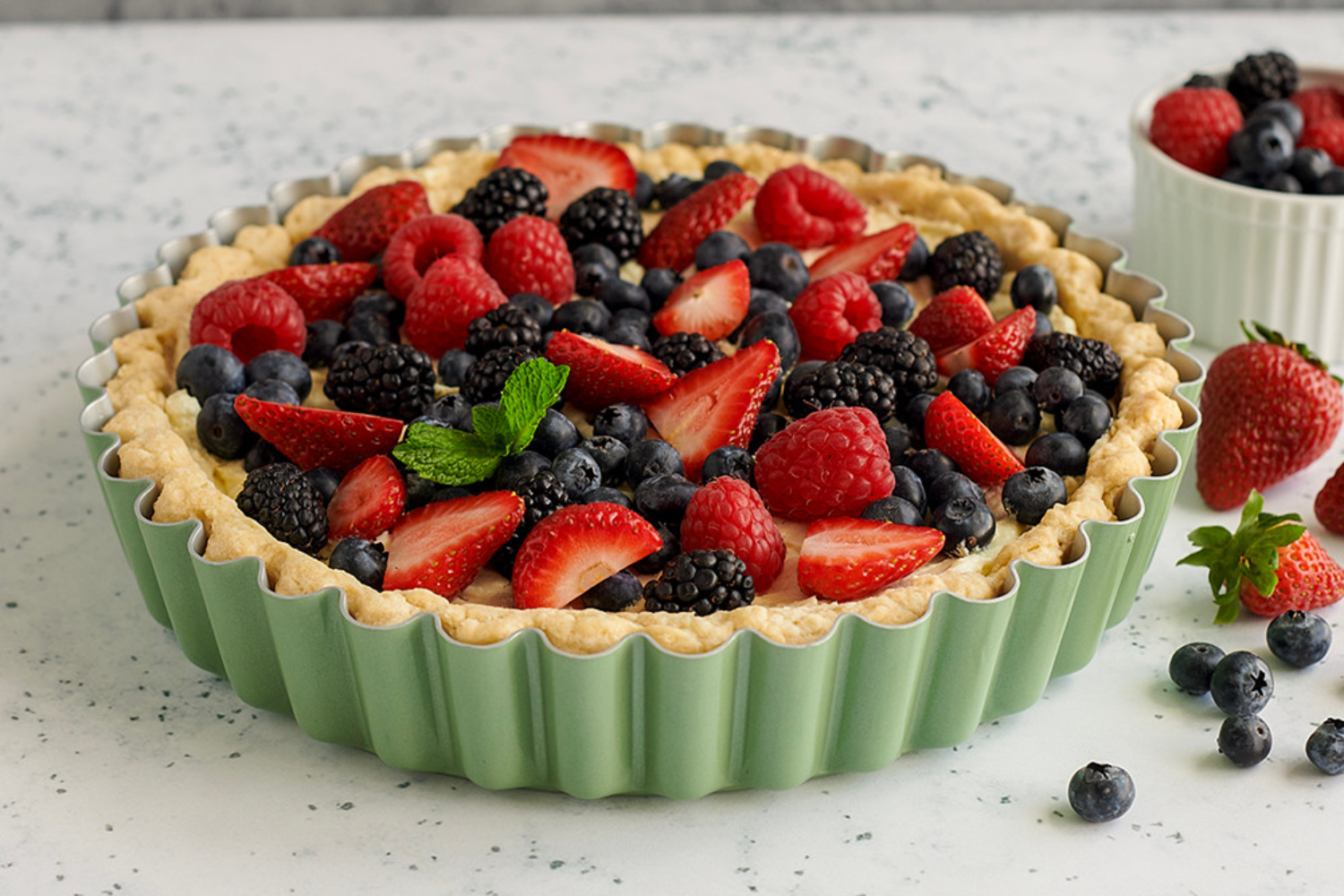
Understanding Tart Pan Materials
If you take one thing away from this entire conversation, let it be this: Material matters more than you think. A lot more.
Aluminum tart pans are the quiet overachievers of the baking world. They conduct heat quickly and evenly, which means your crust bakes through without hot spots or uneven browning. This is especially important for tarts, where you’re balancing a delicate filling with a crust that needs to hold its structure without overcooking. Aluminum gives you that control without requiring constant babysitting.
Stainless steel, on the other hand, is built for durability. It’s tough, long-lasting, and less prone to warping, but it doesn’t conduct heat quite as efficiently. That trade-off means you might need slightly longer baking times or a closer eye on your crust. It’s reliable, but it’s not doing you any favors in terms of speed.
Then there’s silicone and ceramic, which tend to show up in more niche or delicate baking scenarios. Silicone is flexible—sometimes too flexible—which can make it tricky when you’re trying to move a filled tart without losing structure. Ceramic offers beautiful presentation and gentle, even heat, but it’s slower to respond and less forgiving if you’re aiming for a crisp, structured crust.
And finally, the eternal debate: nonstick versus natural surfaces. Nonstick pans make release easy, which is appealing, especially for intricate tarts. But they can also brown faster, which requires a bit more awareness during baking. Natural, uncoated pans give you more control over the bake, but demand proper greasing and a little more patience.
Design Elements That Make a Difference
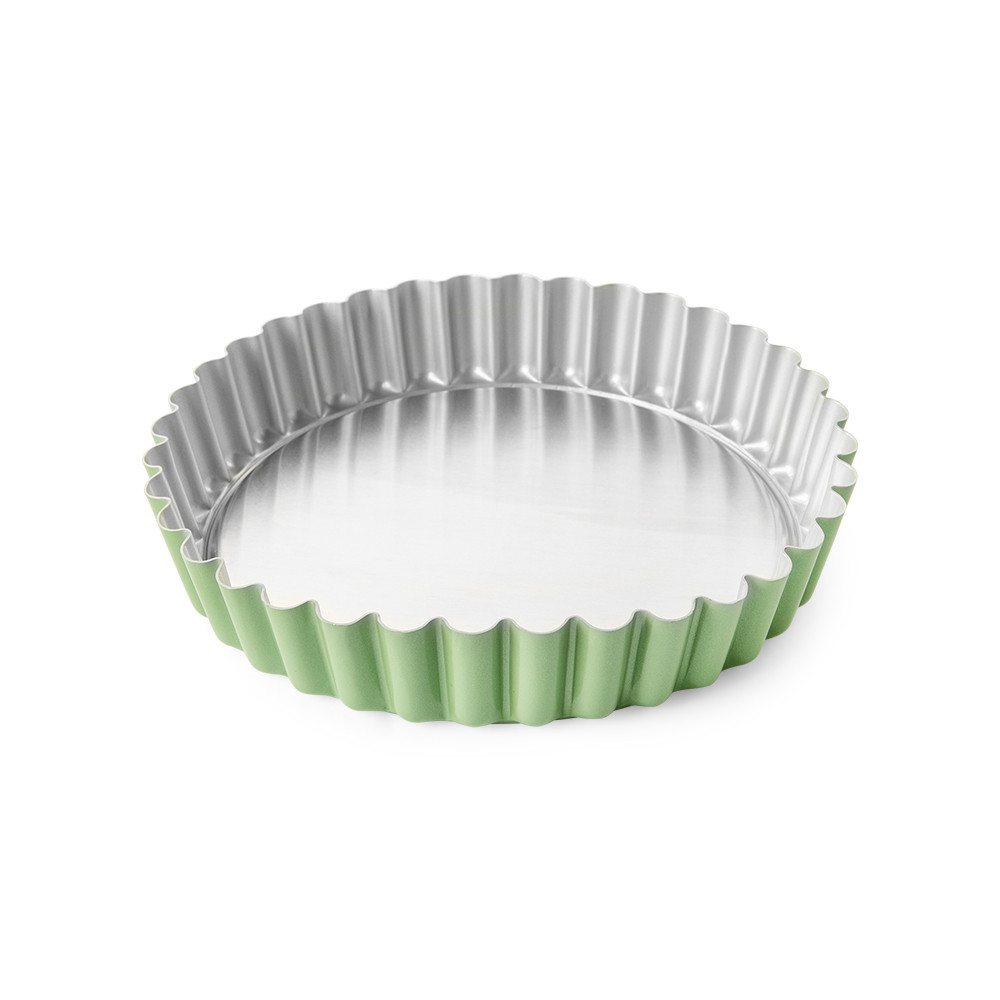
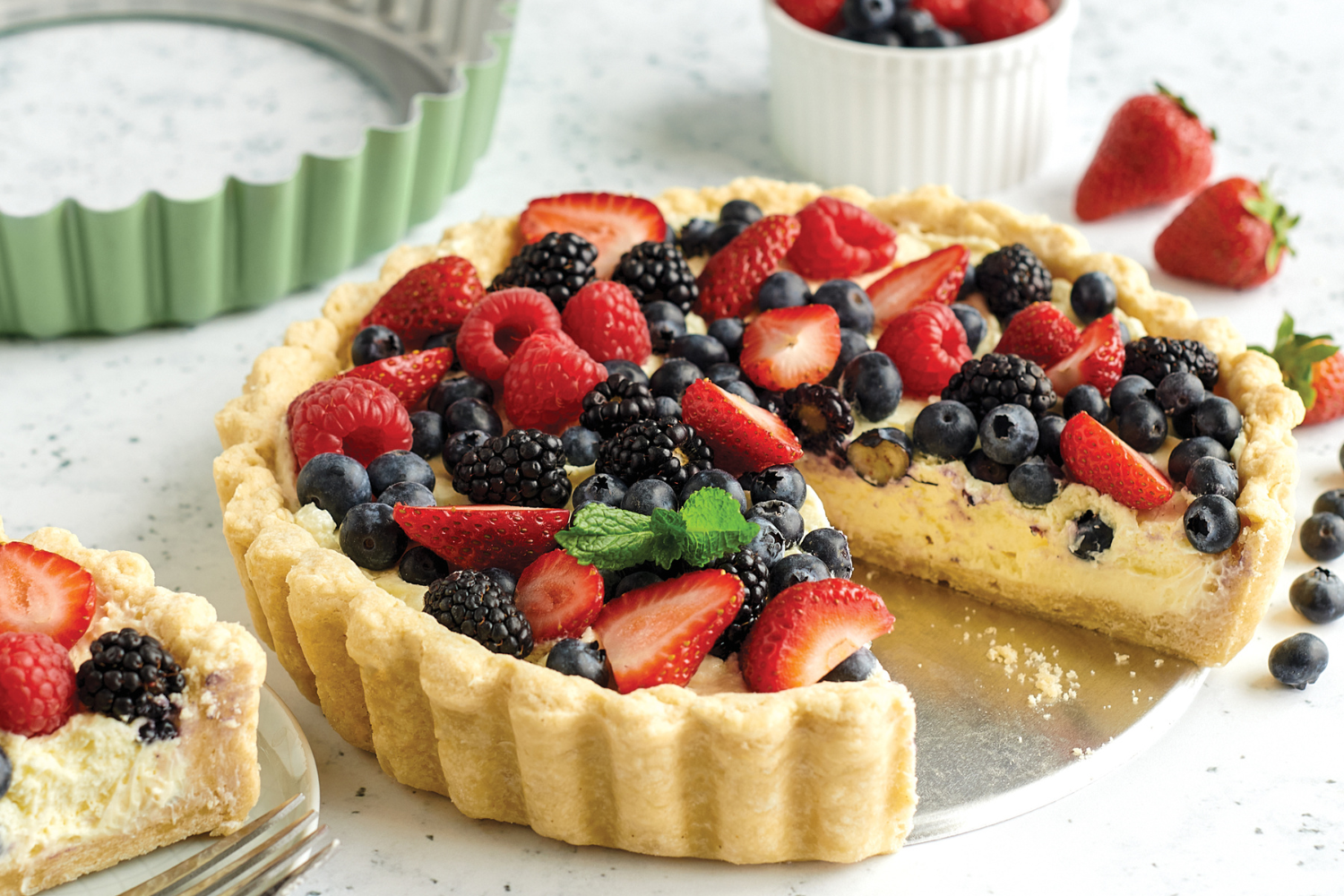
A tart pan is one of those rare pieces of bakeware where aesthetics and function are doing equal work. Those fluted edges you love? They’re not just there to look pretty. They increase surface area, which helps the crust bake more evenly and creates that crisp, structured edge that holds fillings in place.
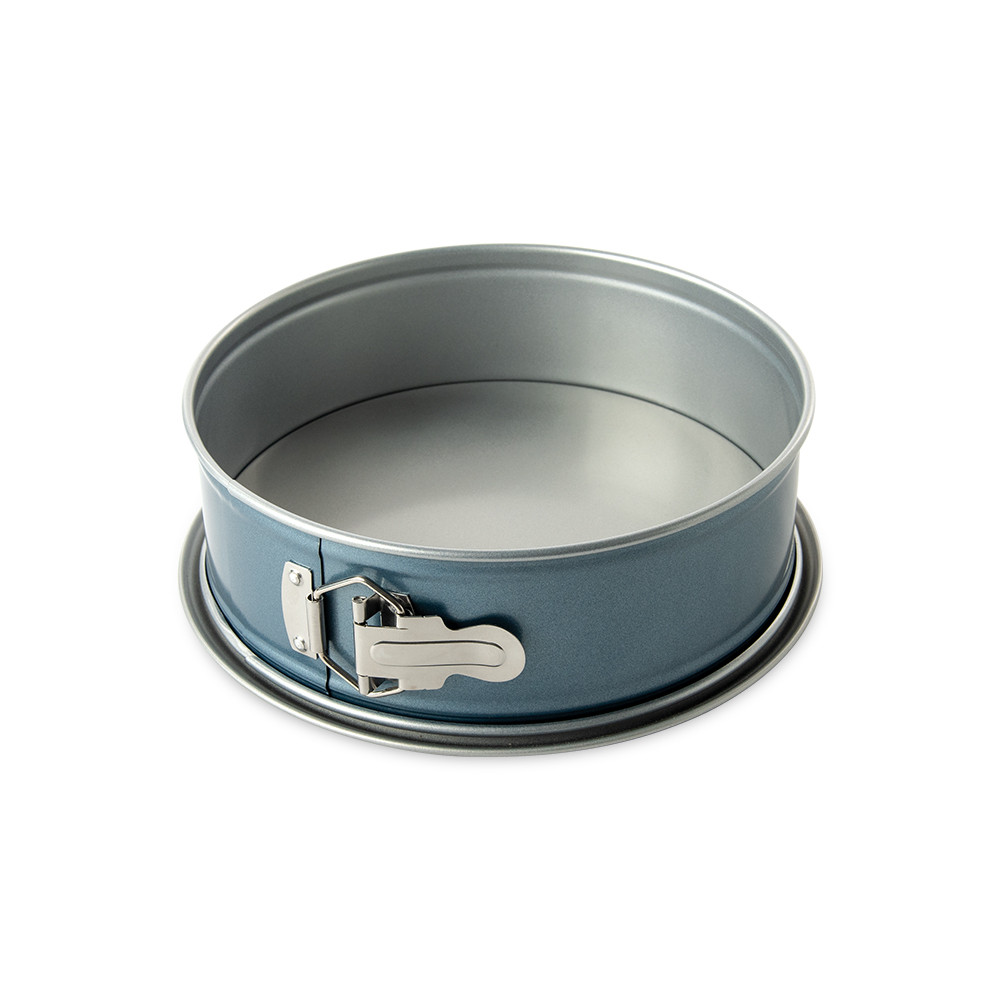
Removable bottoms are, frankly, non-negotiable. If you’ve ever tried to get a tart out of a pan without one, you already know why. A removable base allows you to lift the tart cleanly without flipping it, breaking it, or questioning your life choices. It’s a simple design feature that makes a disproportionate difference.
Depth is another detail that doesn’t get enough attention. A shallower pan works well for fruit tarts and lighter fillings, while deeper pans are better suited for custards and richer, more substantial desserts. Too shallow, and your filling overwhelms the crust. Too deep, and you risk underbaking the base while waiting for the center to set.
These aren’t small design choices. They’re structural decisions that determine whether your tart works or doesn’t.
Practical Applications in Home Baking
This is where things get real, because not every tart wants the same pan.
Fruit tarts, for example, benefit from a pan that encourages crispness. You want that base to hold up under fresh fruit and glaze without turning soggy, which means a metal pan, preferably aluminum, is doing the heavy lifting. Custard-based tarts, like a classic lemon or chocolate tart, require a bit more balance. You need even heat distribution to set the filling without overcooking the edges, so again, material and depth come into play.
Home bakers who start paying attention to these details tend to notice an immediate difference. The crust bakes more evenly. The filling sets the way it’s supposed to. The whole thing releases cleanly without needing a backup plan. It’s not about becoming more complicated, it’s about removing the variables that were quietly working against you.
Tart Pan Maintenance and Longevity
You can have the best tart pan in the world, but if you treat it like it’s indestructible, it won’t stay that way for long. Different materials require different care, and ignoring that is one of the fastest ways to shorten a pan’s lifespan.
Nonstick pans should never see abrasive scrubbers or metal utensils. That coating is doing important work, and once it’s damaged, it’s not coming back. Gentle washing—preferably by hand—and soft utensils will keep it performing the way it should. Metal pans are more forgiving, but still benefit from proper drying to prevent any long-term wear.
Storage matters more than most people think, especially in smaller kitchens where stacking is inevitable. Nesting pans without protection can lead to scratches, warping, or subtle damage that affects performance over time. A simple layer between pans or designated storage space goes a long way.
The goal isn’t to baby your bakeware, it’s to make sure it continues to do its job well.
Expert Recommendations: What Professionals Use
Professional bakers are not experimenting with their pans every time they bake. They rely on materials and designs that deliver consistent results, and more often than not, that means metal pans—particularly aluminum—for their heat performance and reliability.
In high-volume kitchens, durability matters, but so does predictability. A pan that heats evenly, releases cleanly, and holds its shape over time is far more valuable than something that looks good but requires constant adjustments. That’s why you’ll see a preference for straightforward, well-made pans rather than overly complicated designs.
At home, the stakes are lower, but the principle is the same. The closer your tools align with how things are done professionally, the more consistent your results will be.
Trends and Innovations in Tart Pan Design
Even something as straightforward as a tart pan isn’t immune to innovation. Nonstick coatings have improved significantly, offering better durability and more reliable release without sacrificing performance. At the same time, there’s a growing focus on sustainability, with manufacturers exploring eco-friendly materials and production methods.
But here’s the thing: trends don’t matter if the pan doesn’t work. The fundamentals; heat distribution, structure, and reliability still come first. The best designs build on those basics rather than trying to replace them.
Conclusion
If there’s a throughline here, it’s that tart pans are doing far more work than most people give them credit for. Material choice directly impacts how your tart bakes, from crust crispness to overall structure. Design elements like fluting and removable bottoms aren’t decorative, they’re functional. And taking care of your pan ensures it keeps delivering the results you expect.
The difference between a good tart and a great one isn’t always the recipe. Sometimes, it’s the pan you baked it in.
FAQ Section
Q: What is the best material for a tart pan?
Aluminum is generally the best choice for even heat distribution and reliable baking results, though silicone and ceramic can work for more specialized applications.
Q: What bakeware do professional bakers use?
Most professionals prefer metal pans, particularly aluminum, because they offer consistent heat performance and durability over time.
Q: Is it better to bake pies in metal or glass?
Metal is typically preferred for even baking and crisp crusts, while glass allows you to monitor browning but doesn’t conduct heat as efficiently.
Q: What pan is best for butter tarts?
Smaller metal tart pans or tins are ideal, as they allow for even baking and help maintain the structure of the filling without overcooking the edges.
Find the Perfect Tart Pan
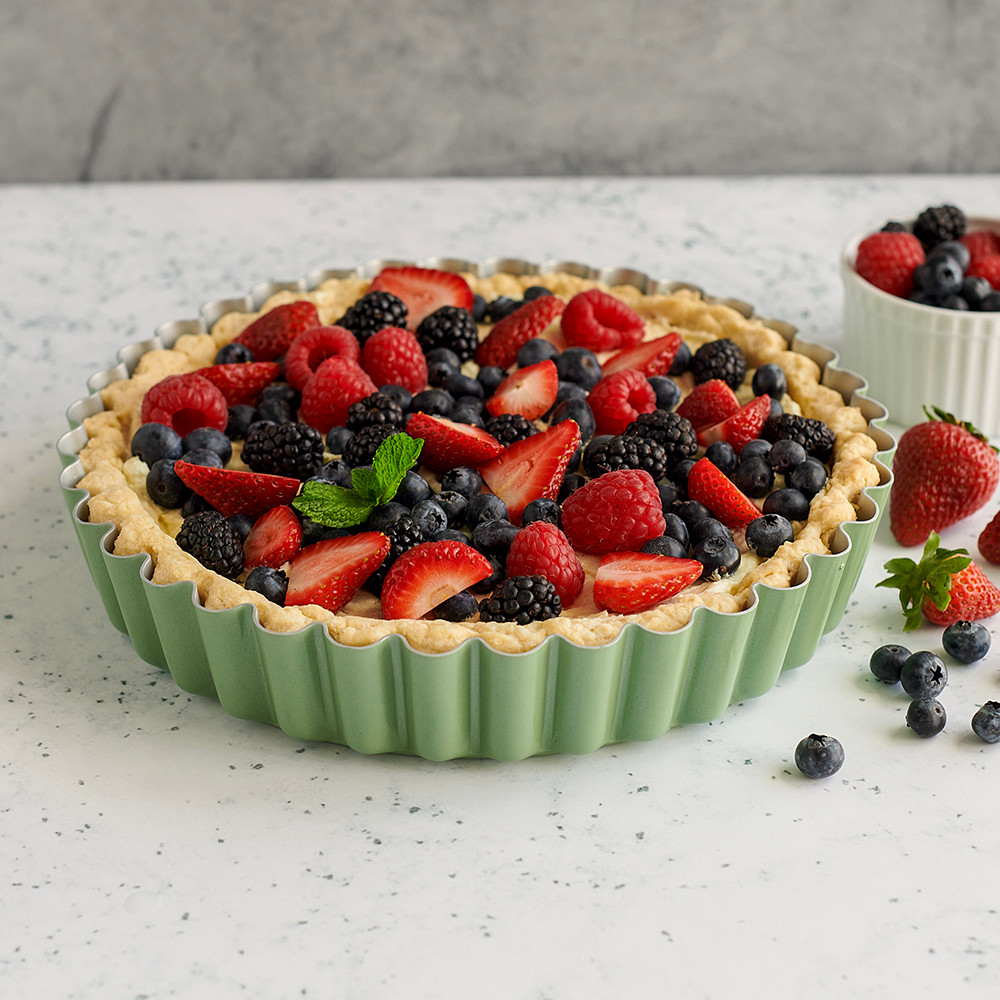
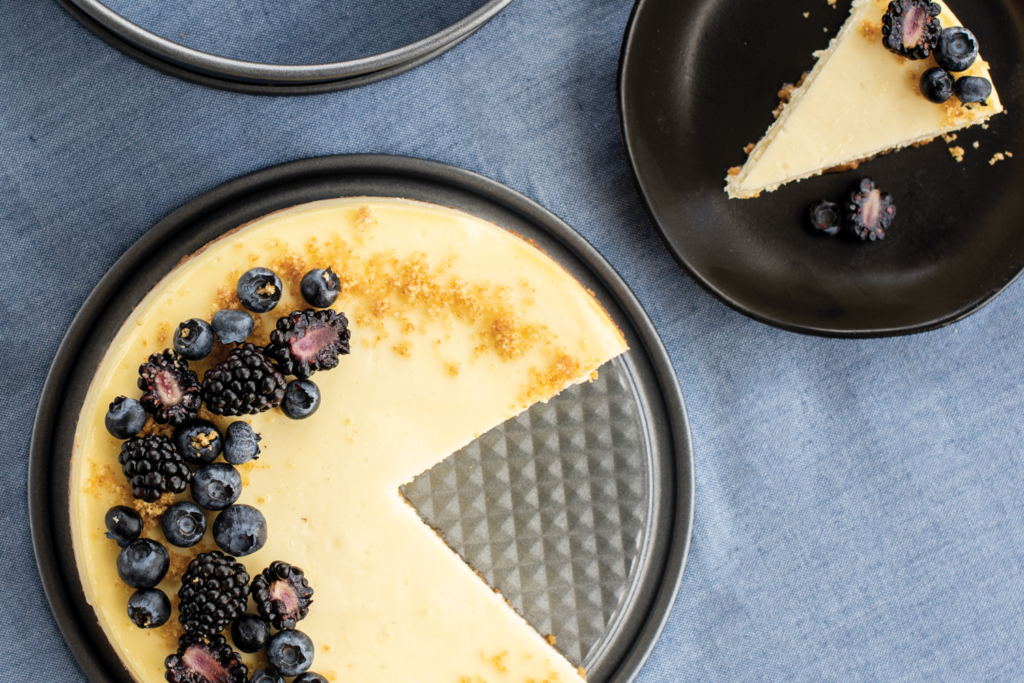
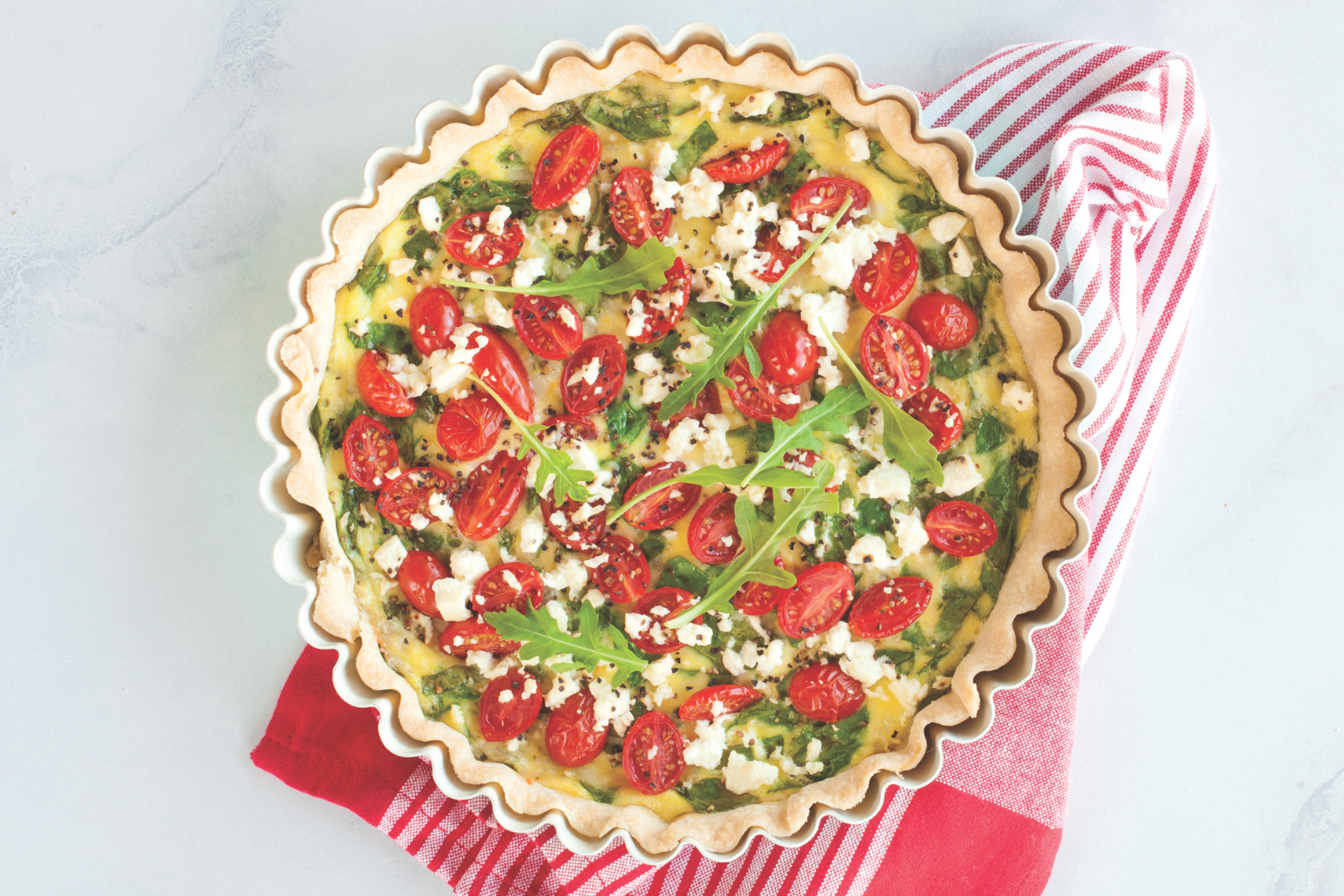
A Quiche and Tart Pan is your go-to when you want structured, fluted edges, clean release, and a pan designed specifically for custards, fruit tarts, and savory quiches. It’s ideal for bakers who want precision in presentation and consistent results without guessing.
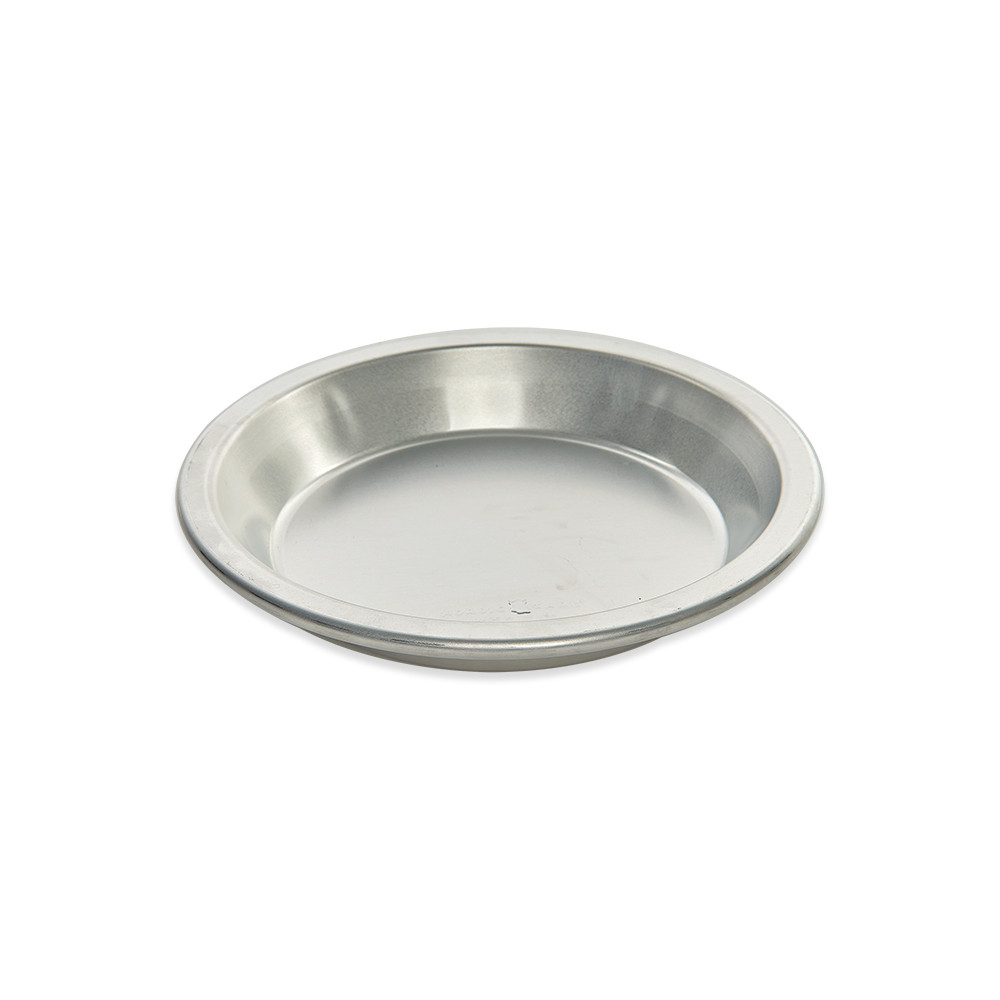
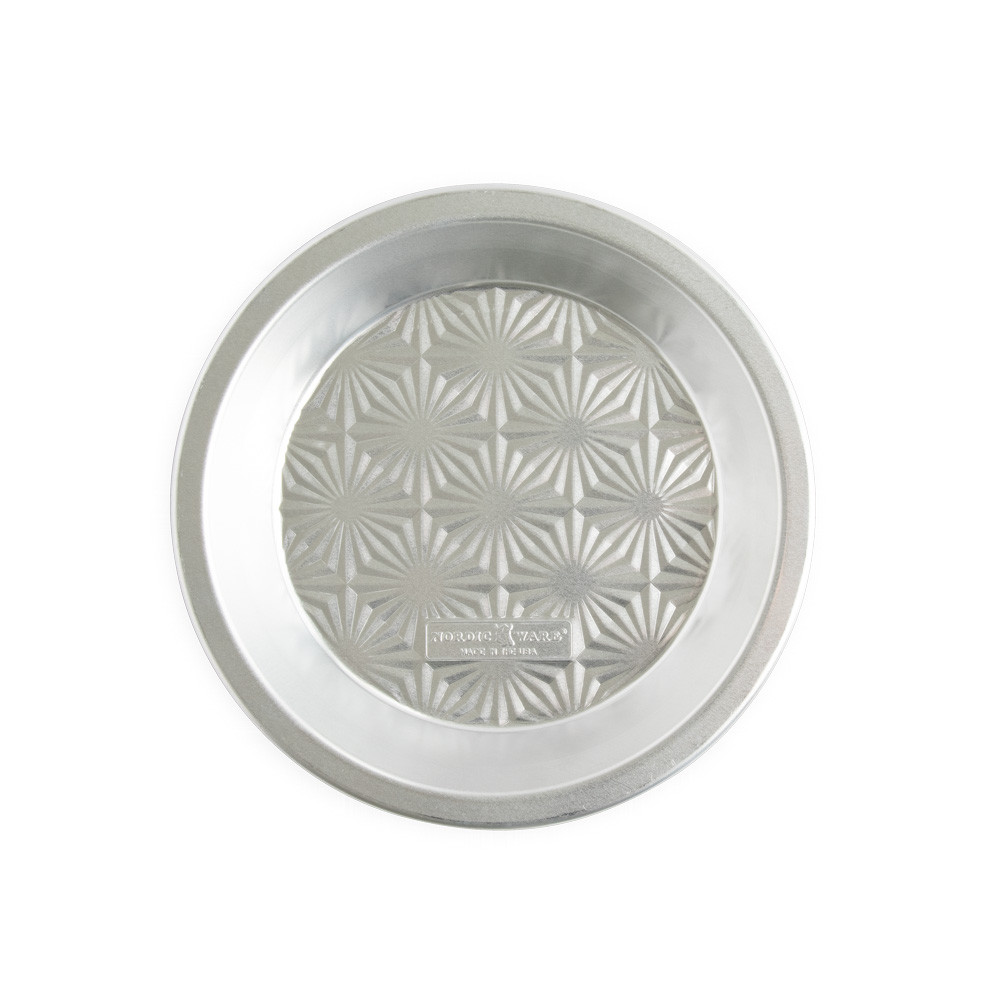
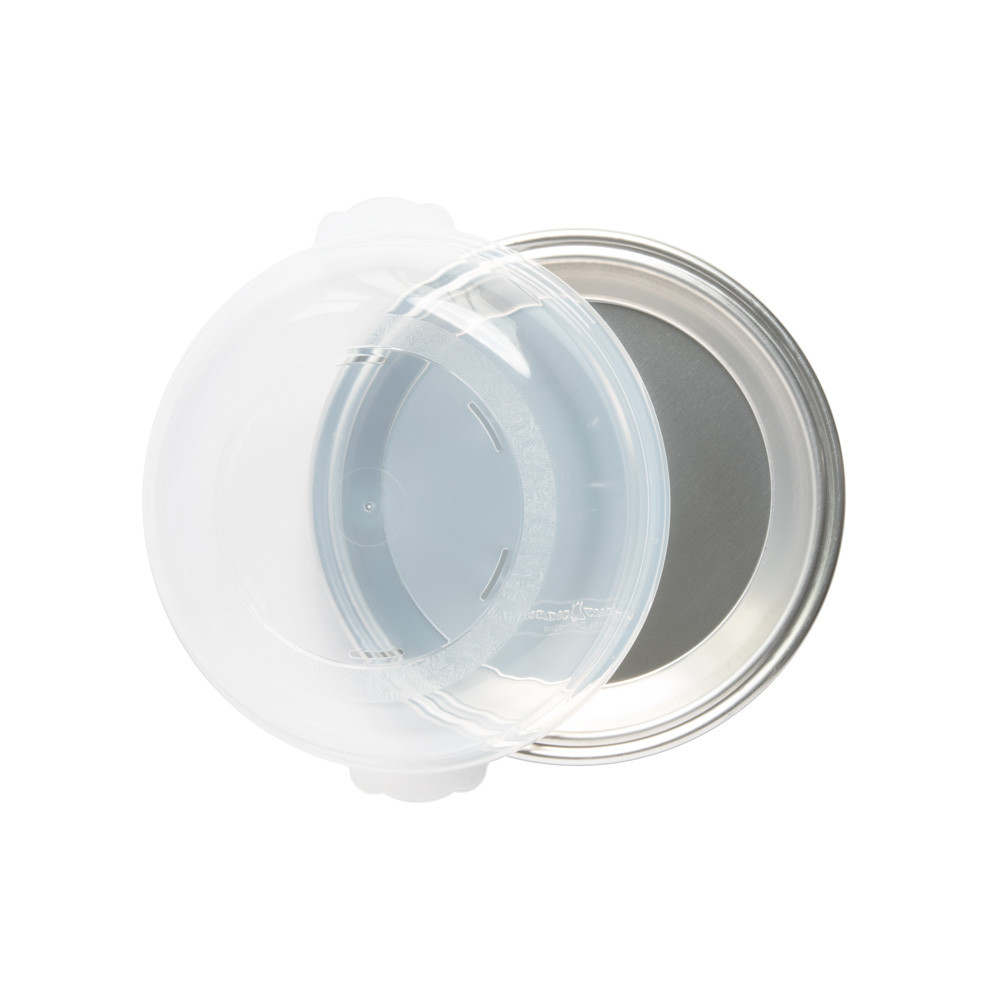
A Naturals® 9 Inch Pie Pan, however, is the everyday workhorse. It’s the most versatile size for home baking and works beautifully for classic fruit tarts, single-layer pies, and simple savory bakes. It’s compact, easy to store, and perfect when you’re baking for a small group or just want reliable, no-fuss results.
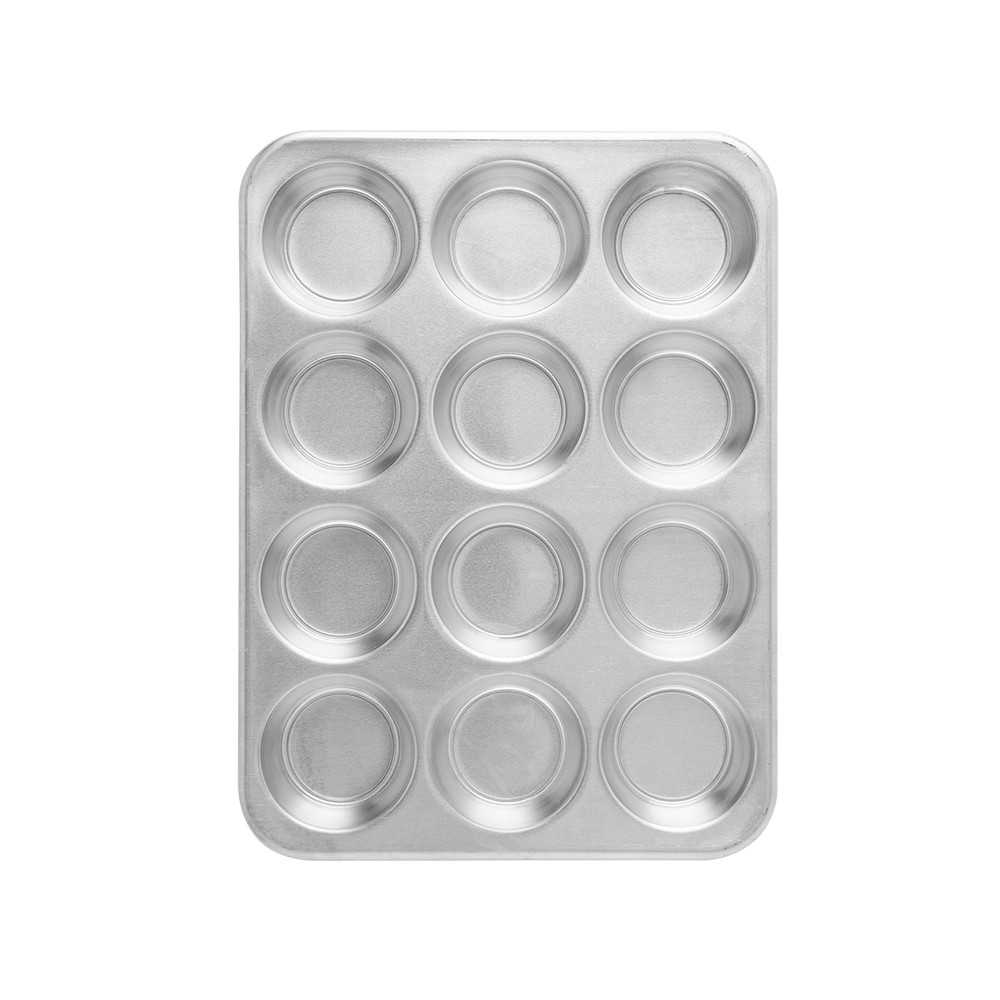
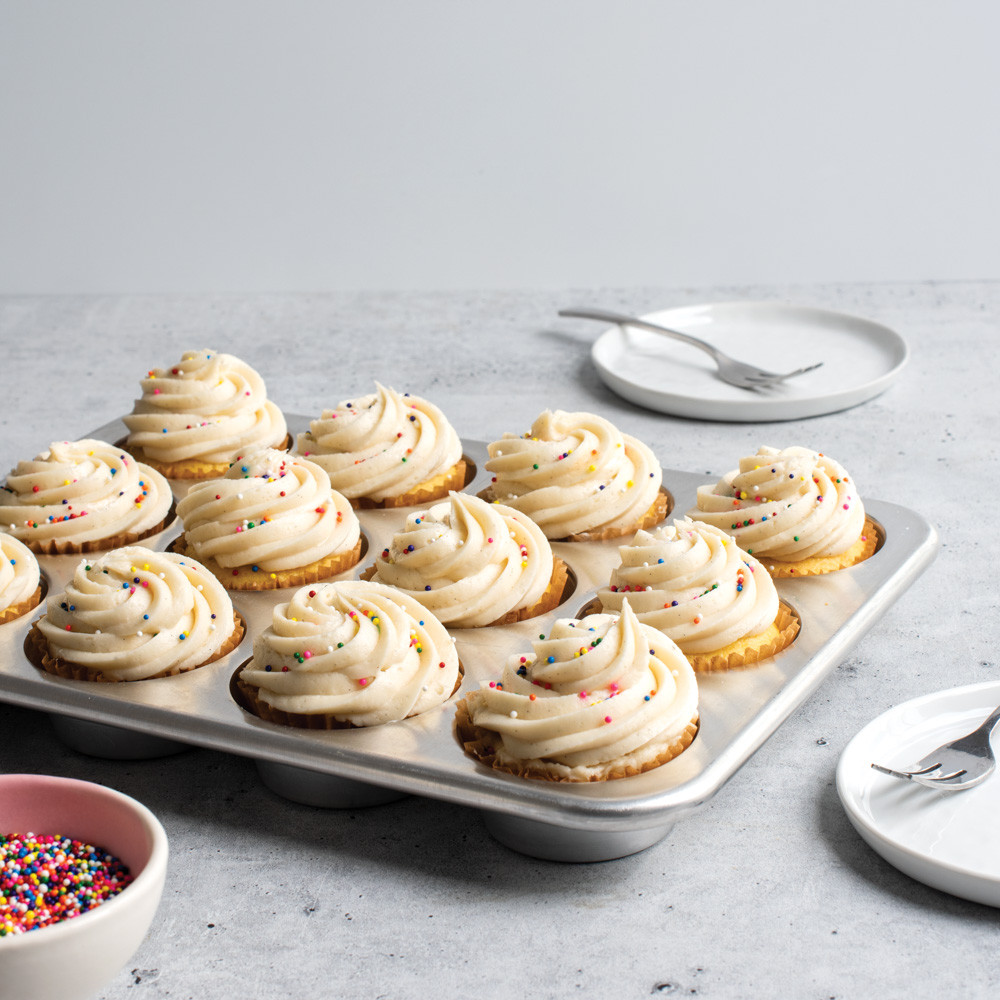
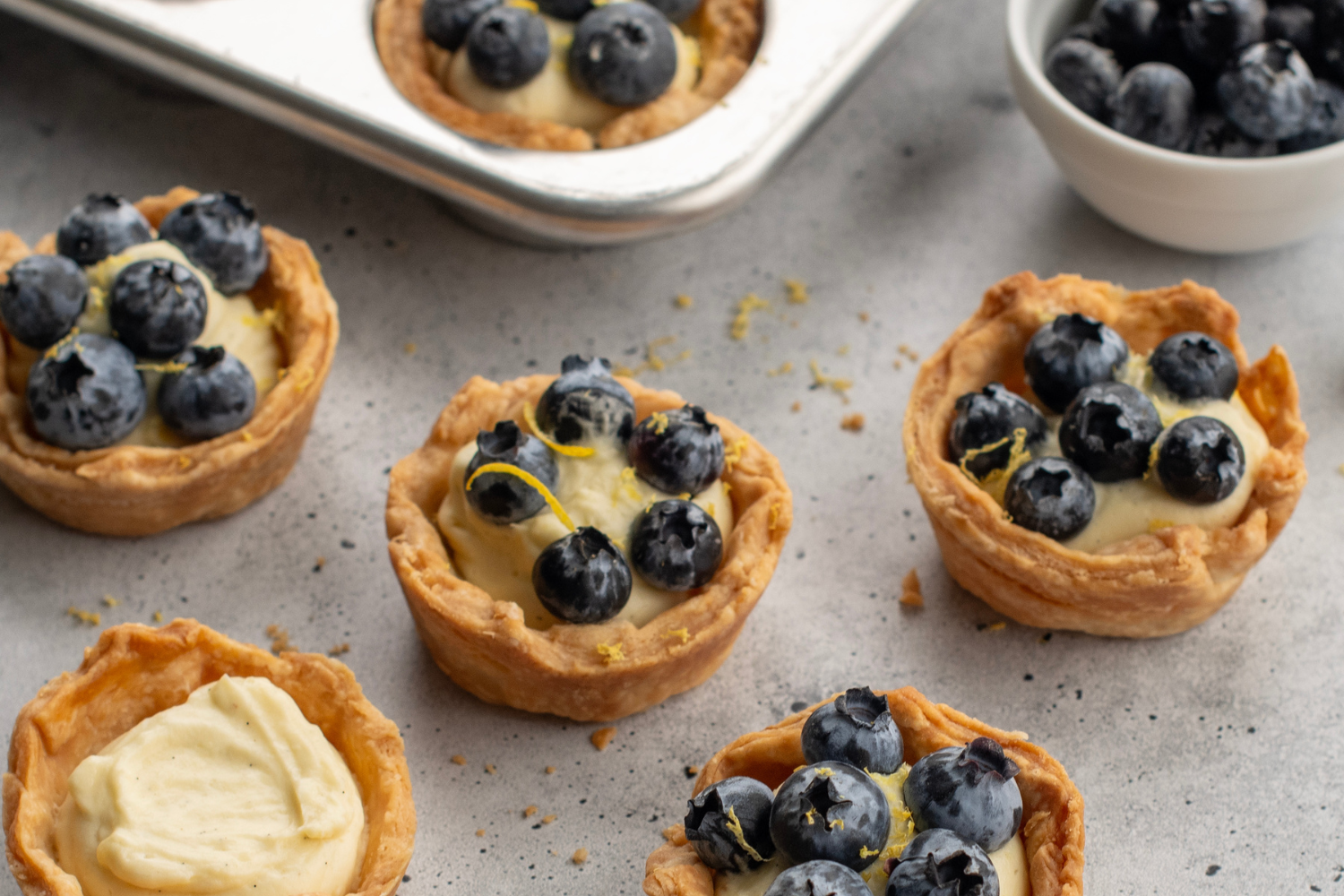
A Naturals® 12 Cavity Muffin Pan for mini quiches shifts things into small-batch, individual baking. Instead of one large tart, you get multiple bite-sized portions that bake faster, serve easily, and work especially well for brunches, meal prep, or entertaining.