4 Delicious Ways to Cook & Prepare Butternut Squash
Ah, butternut squash, fall’s golden child. Whether you’re roasting it to caramelized perfection, baking it into something sweet, or skipping the whole peeling ordeal altogether (yes, it’s possible!), this humble gourd is your cozy season MVP, especially when paired with dependable tools like our half sheet pans.
Butternut squash isn’t just a pretty face in the produce aisle, it’s one of the most versatile ingredients of the season. Its naturally sweet, nutty flavor plays just as well in savory sides as it does in cozy mains.
Roasted and caramelized, it makes the perfect partner to roasted chicken or pork. Mashed and seasoned, it transforms into a silky soup or hearty purée. And with just a little intention (and maybe a pat of butter), it can absolutely hold its own as a stunning vegetarian entrée. In short: Don’t underestimate this squash. It’s here to do more than just decorate your table.
So, let’s talk about how to bring out the best in butternut. In this guide, we’ll provide you with four options to prepare butternut squash.
Table of Contents:
- Roasting Butternut Squash: A Simple and Tasty Method
- How to Roast Butternut Squash Without Peeling It
- Baking Butternut Squash for a Sweet Twist
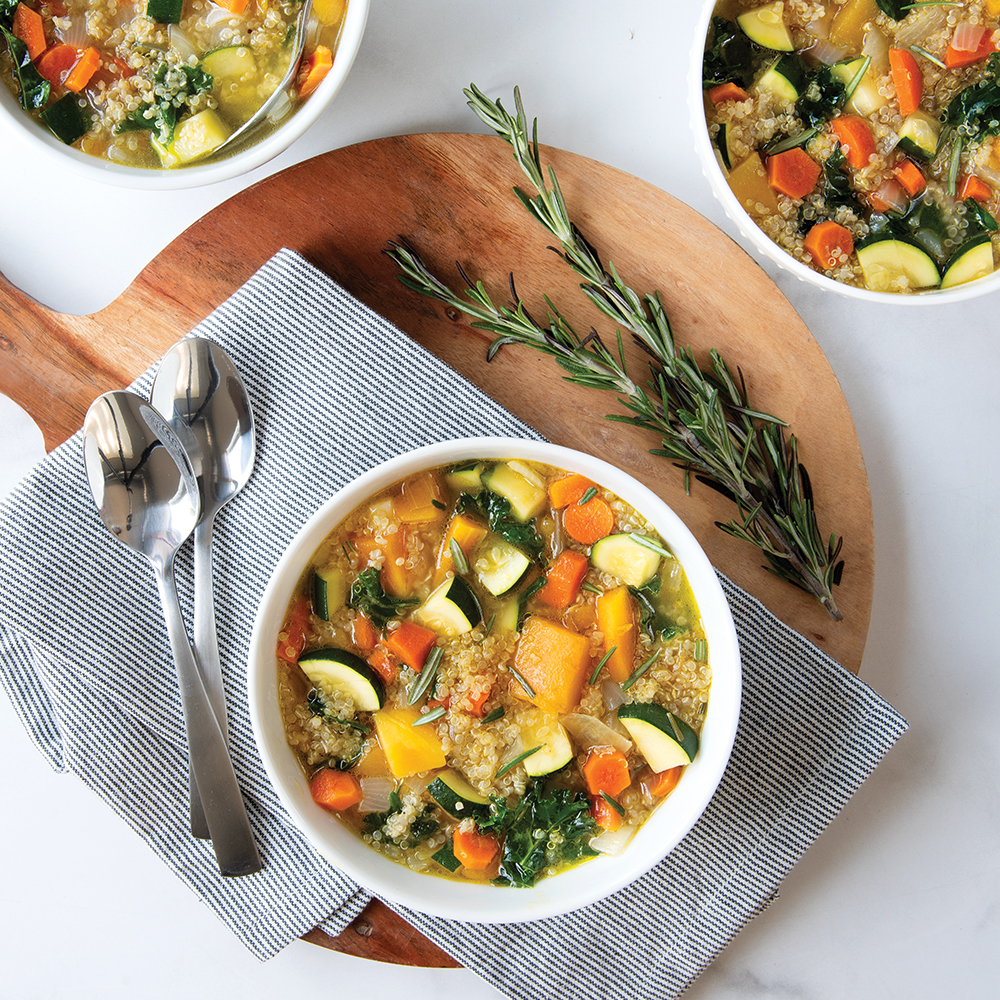
- Mashing Butternut Squash for Soups and Sides
1. Roasting Butternut Squash: A Simple and Tasty Method
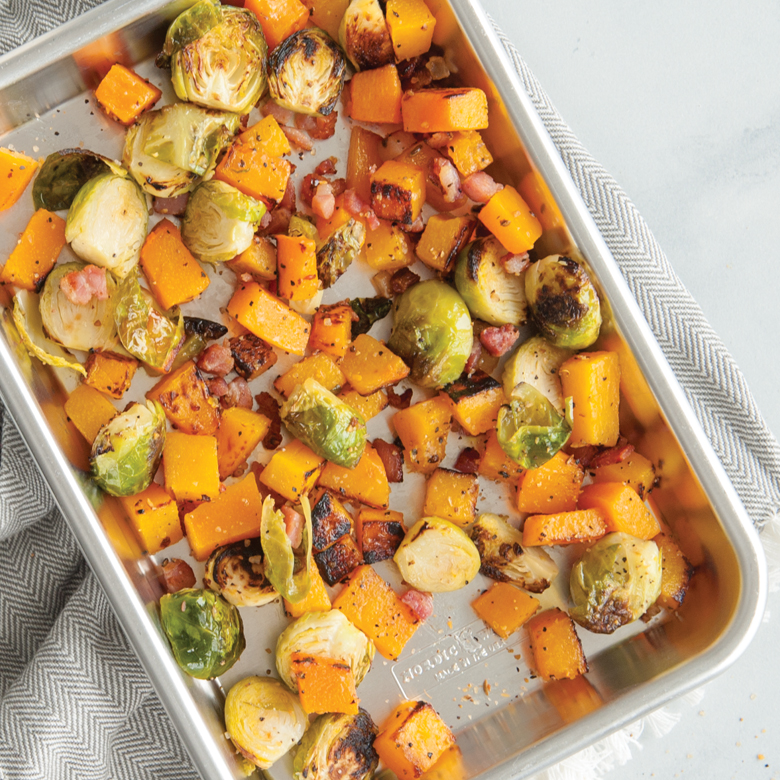
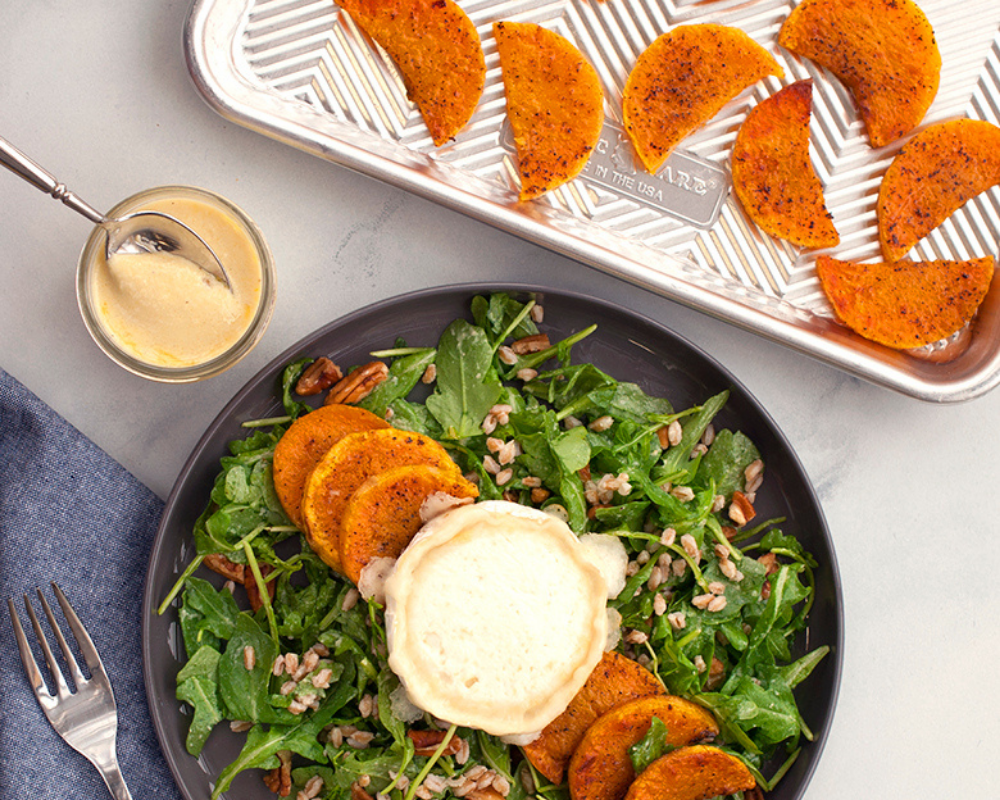
Roasting is the go-to move when you want to bring out butternut squash’s natural sweetness with minimal effort and maximum flavor. Whether you’re dicing it into golden cubes for salads and sides or roasting the halves for a silky mash, this method is endlessly adaptable. Bonus: your kitchen will smell amazing, and no one has to know how easy it was.
How Long Do You Cook Butternut Squash in the Oven?
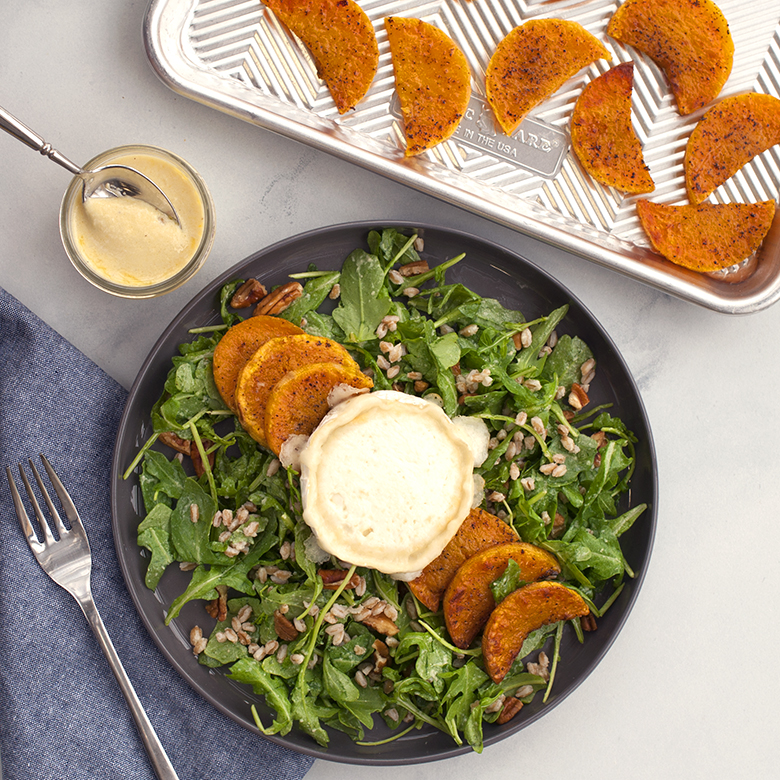
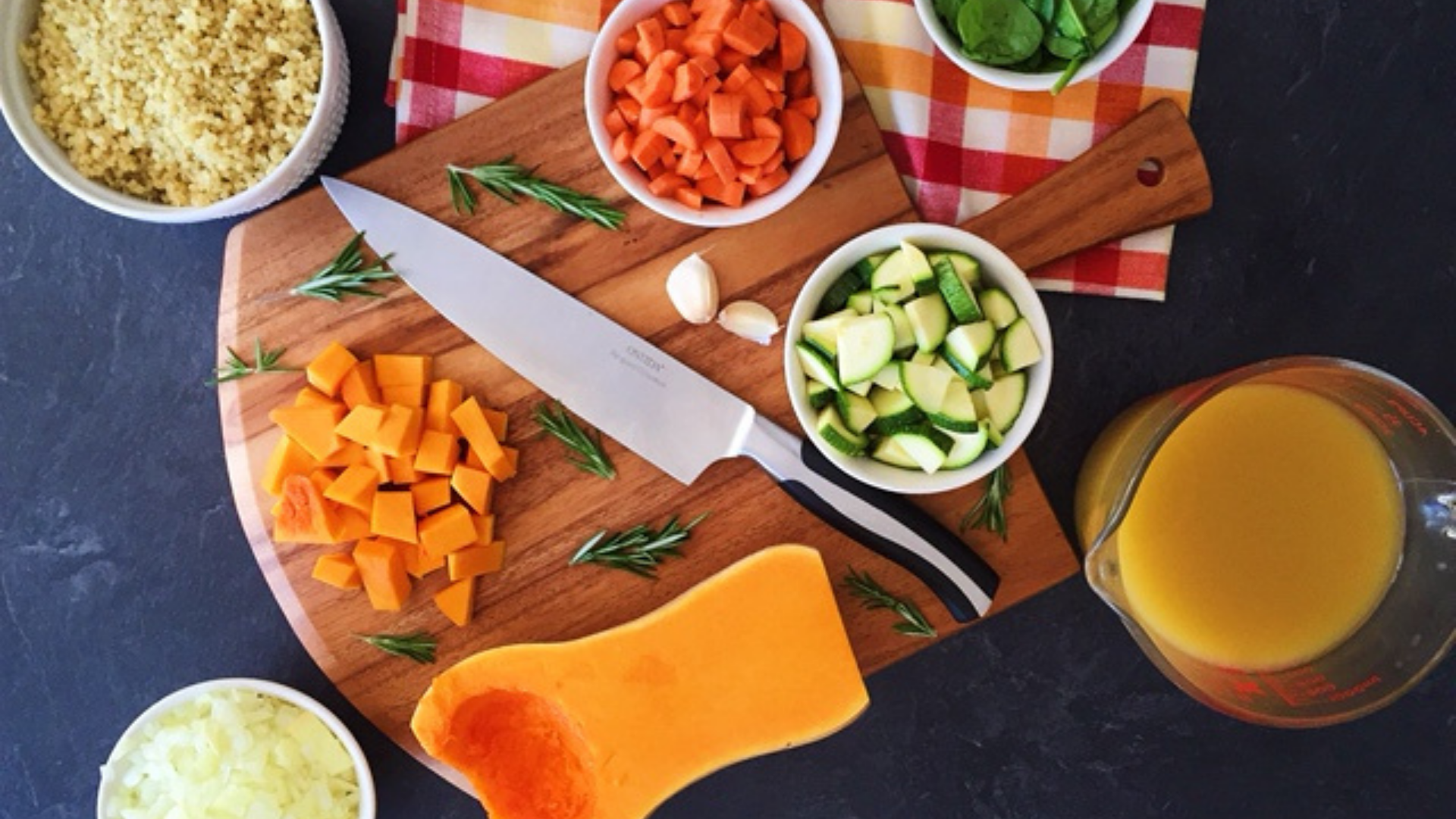
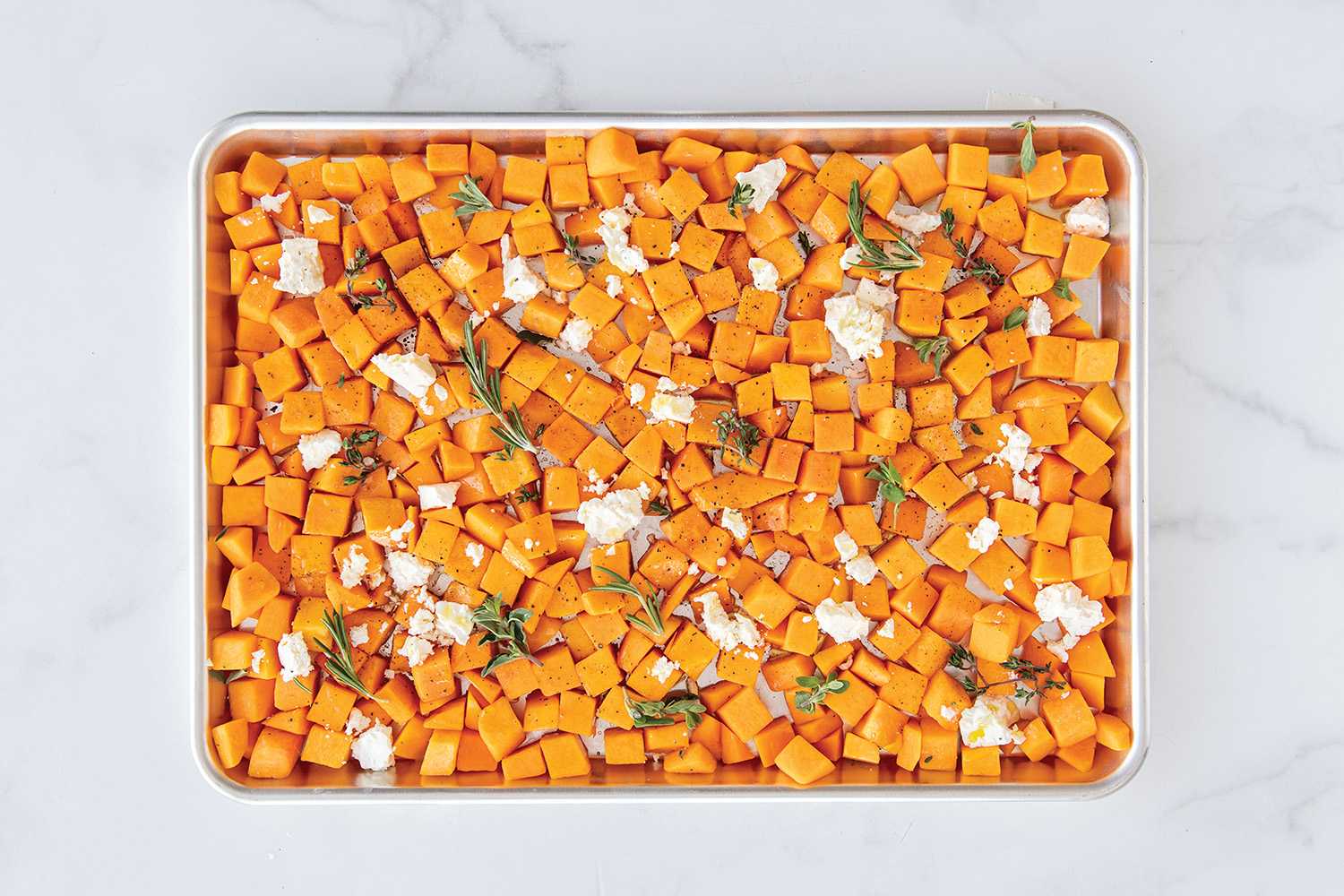
- Cubed squash: Roast those little golden nuggets at 400°F for 25–30 minutes, flipping halfway through for even caramelization.
- Halved squash (seeds removed): Roast at 375°F for about 40–50 minutes, depending on the size. You’ll know it’s ready when a knife slides in like butter.
- Whole squash: Poke a few steam holes with a knife and roast at 375°F for 60–75 minutes. Once it’s cool enough to handle, it practically peels itself.
What Temperature Do You Cook Squash in the Oven?
The sweet spot depends on how you’re prepping it:
- 400°F is perfect for cubed squash—hot enough to brown the edges and bring out that toasty, nutty flavor.
- 375°F works best for halves or whole squash, giving the flesh time to soften without scorching the surface.
Basically, cook on a higher heat for quick-and-golden cubes, while a slightly lower temperature is perfect for soft and tender whole/halved goodness. Oven temperatures and baking times may vary slightly depending on your oven type, how you cut the squash, and your personal texture preferences, so use these as guidelines and adjust as needed.
Should I Roast Butternut Squash Face Down or Up?
Ah, the age-old squash debate. Here’s the scoop:
- Face down (cut side to the pan): This locks in moisture, giving you super tender flesh that’s easy to scoop or mash. Think velvety soup base or smooth purée.
- Face up (cut side exposed): You’ll get drier, more caramelized edges and a richer, nuttier flavor. Ideal if you want to slice and serve or show off those roasted vibes.
So really, it’s a mood: Moist and mellow, or golden and glam.
2. How to Roast Butternut Squash Without Peeling It
Let’s be honest peeling butternut squash can be a chore. But the good news? You don’t have to. Roasting squash with the skin on not only saves time and cleanup, but it also gives you more texture options depending on how you serve it. Want a creamy mash? Just scoop out the flesh once it’s roasted. Serving halves for presentation? Leave the skin intact—it holds everything together beautifully. Plus, it’s a great method when roasting in batches since you can prep multiple squashes quickly without all that peeling drama.
Step-by-Step Guide to Roasting Whole Squash
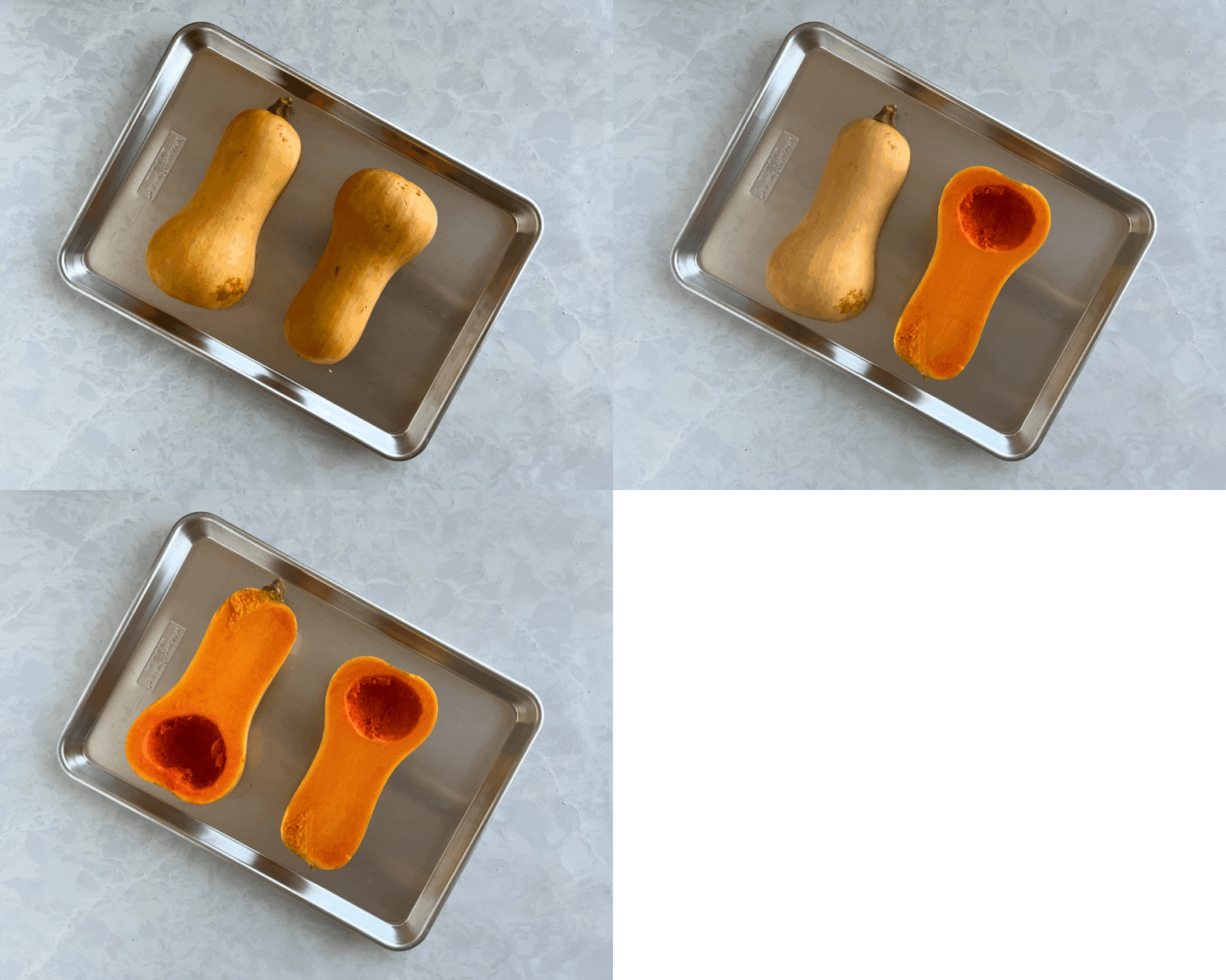
Roasting a whole or halved butternut squash without peeling it is as low-effort and high-reward as it gets. Simply slice the squash in half lengthwise, scoop out the seeds (an ice cream scoop works wonders here), brush the flesh with a bit of oil, and roast it cut side down until tender. You’re aiming for that golden “fork slides in like butter” moment. Once it’s done, the skin peels away easily or better yet just scoop and serve straight from the skin for a rustic, no-fuss vibe.
Steps:
- Cut the squash in half lengthwise and remove the seeds.
- Brush the flesh with olive oil and season if desired.
- Roast cut side down on a baking sheet at 375°F for 40–50 minutes, until tender.
Cons: Pros and Cons of Roasting Without Peeling
The biggest perk of roasting without peeling is, of course, the time you save. No more wrestling with tough skins or risking a slip of the knife. Roasting whole also helps retain more moisture and nutrients, making it a bit of a win-win for texture and health. On the flip side, the skin doesn’t soften the same way as the flesh, so while it holds everything together beautifully for presentation, it’s not always ideal if you want a smooth consistency throughout your dish.
3. Baking Butternut Squash for a Sweet Twist
If you’re craving something cozy with just a hint of sweetness, baked butternut squash might be your new go-to. Baking brings out its natural sugars, making it perfect for everything from maple-glazed sides to rich, spoonable fillings. And whether you’re working with a halved squash or roasting whole, this method adds a soft, caramelized finish that feels like comfort food in a casserole dish. It’s also a sneaky solution for anyone tired of peeling or cubing. Just bake it and scoop.
How to Bake Butternut Squash Whole
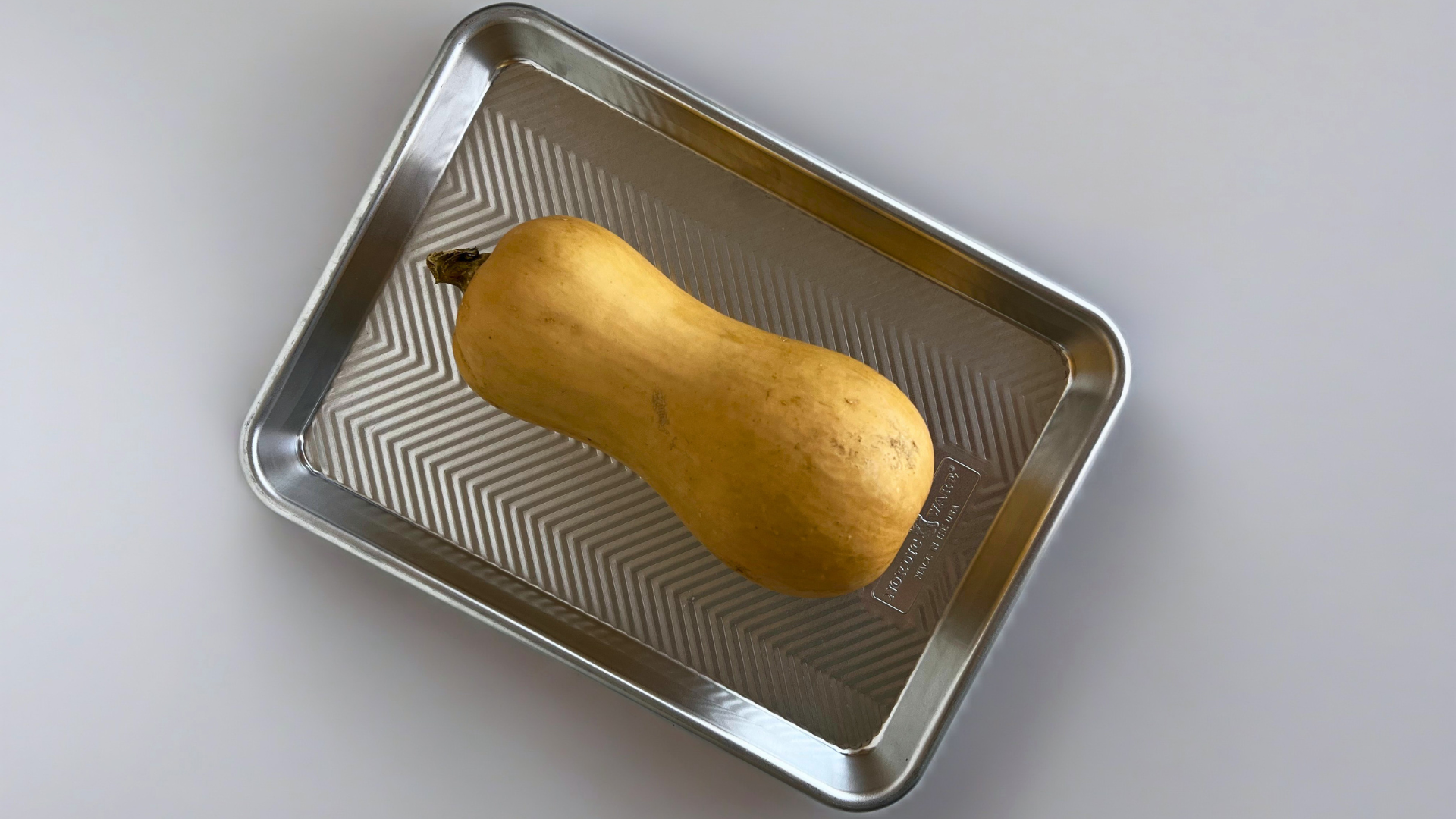
To bake butternut squash whole, give it a few pokes with a knife or fork to let steam escape, place it on a lined baking sheet, and pop it in a 375°F oven for about 60–75 minutes. If you’re working with halves, place them cut side up and add a little oil or butter, maybe even a sprinkle of brown sugar if you’re feeling sweet. This method softens the squash into creamy, dreamy submission with minimal effort and the flavor payoff is major.
Sweet vs. Savory Baking Recipes
Baked butternut squash goes both ways—sweet or savory. For a sweet side, try brushing the flesh with maple syrup, cinnamon, and a little butter before baking. It’s like dessert disguised as dinner. For a savory spin, go with garlic, rosemary, and olive oil for a deeply aromatic, earthy flavor. Either way, it’s a crowd-pleaser and practically impossible to mess up.
4. Mashing Butternut Squash for Soups and Sides
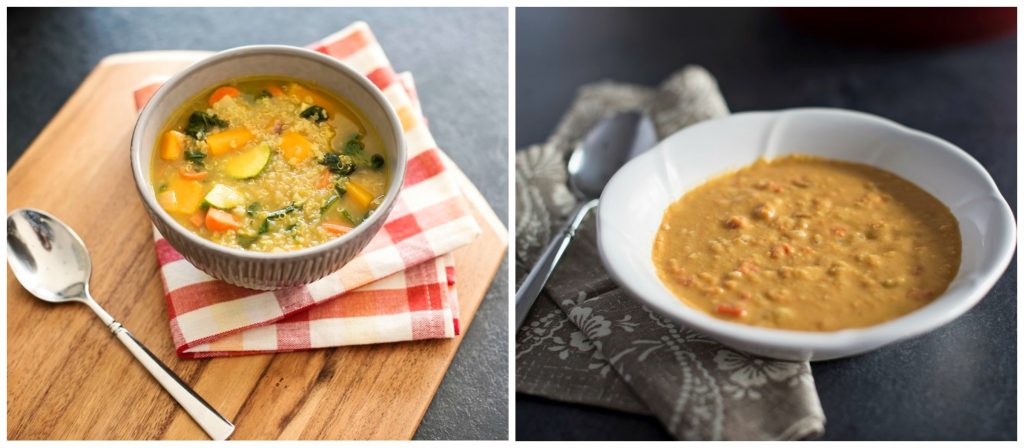
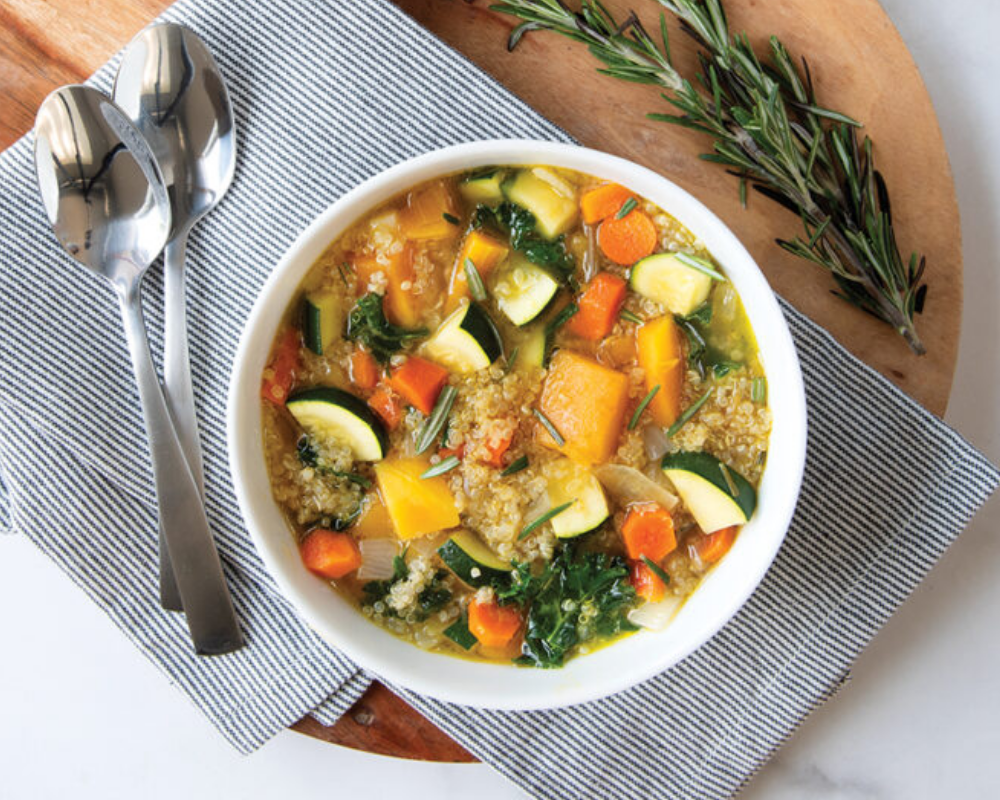
Mashed butternut squash is a silky, satisfying side dish or the base for an ultra-comforting soup. To get that perfectly smooth texture, you’ll want to start with squash that’s been either roasted until tender or steamed until fork-soft. Roasting adds a little more flavor depth, while steaming is quicker and a bit more neutral in taste. Once cooked, mash with a fork, blend it up, or even pass it through a food mill if you’re going for luxury. Add butter, herbs, a touch of cream or just let the squash shine solo.
Preparing Butternut Squash for Mashing
Start by roasting halved squash until tender, then scoop out the flesh and mash it while it’s still warm. If you’re short on time, steaming peeled and cubed squash for 15–20 minutes works great too. For the smoothest mash, use a blender or food processor, and don’t be afraid to season it up—salt, pepper, a hint of nutmeg, or a splash of broth can take it from basic to beautiful in seconds.
Bonus Tips for Perfectly Cooked Butternut Squash
How to Choose the Right Bakeware for Roasting Squash
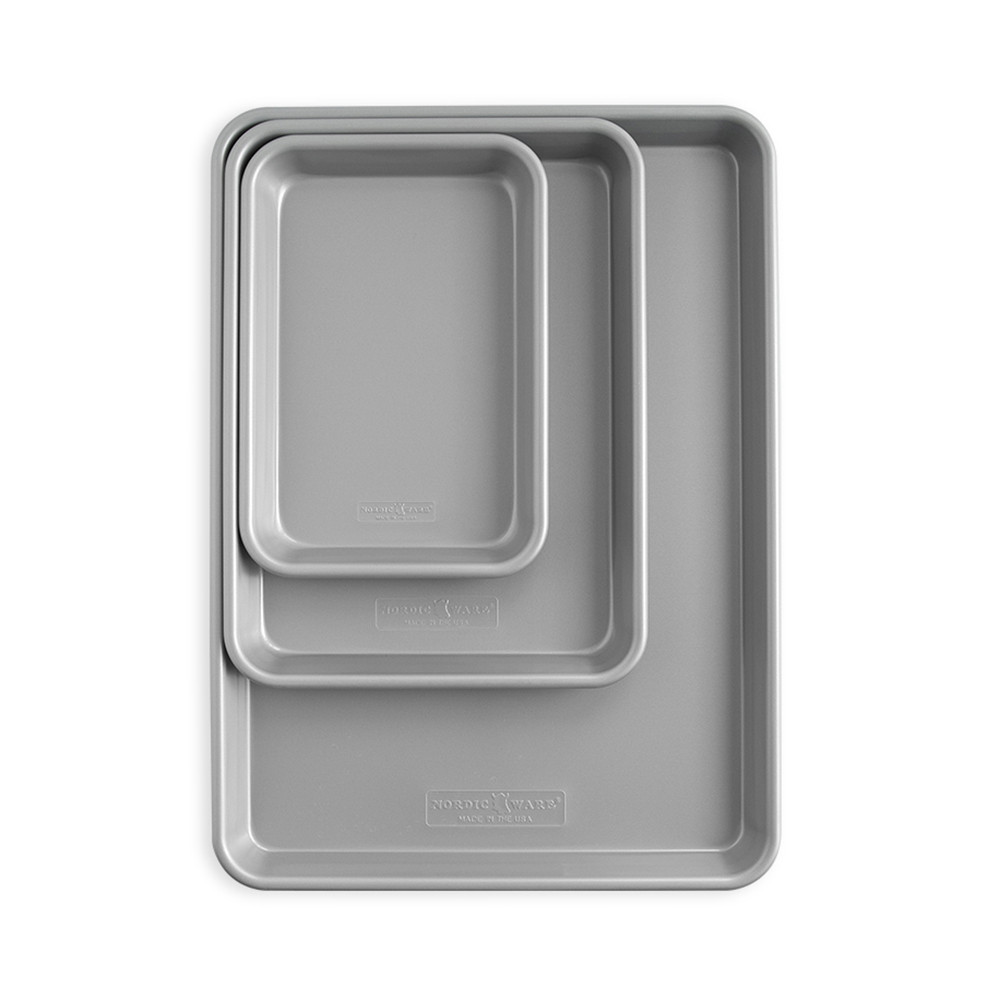
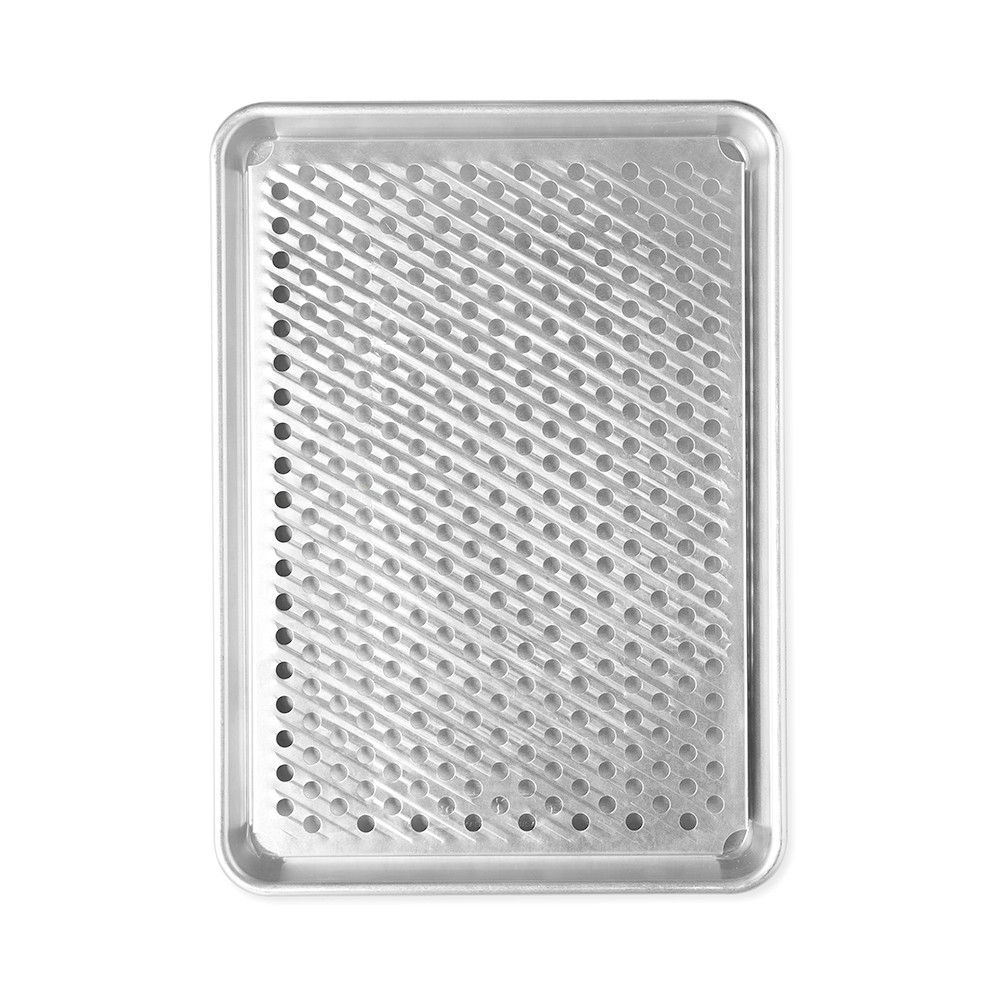
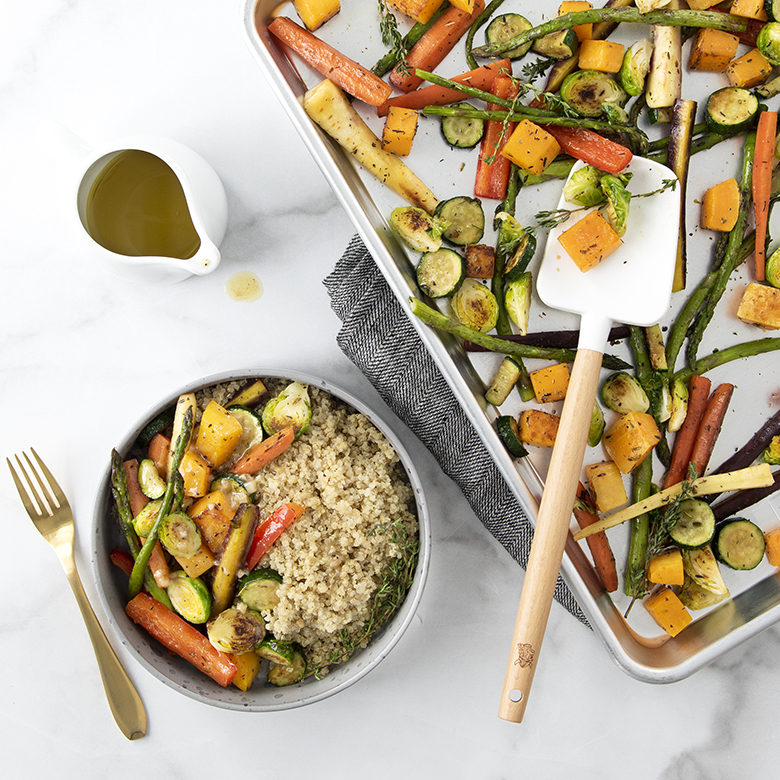
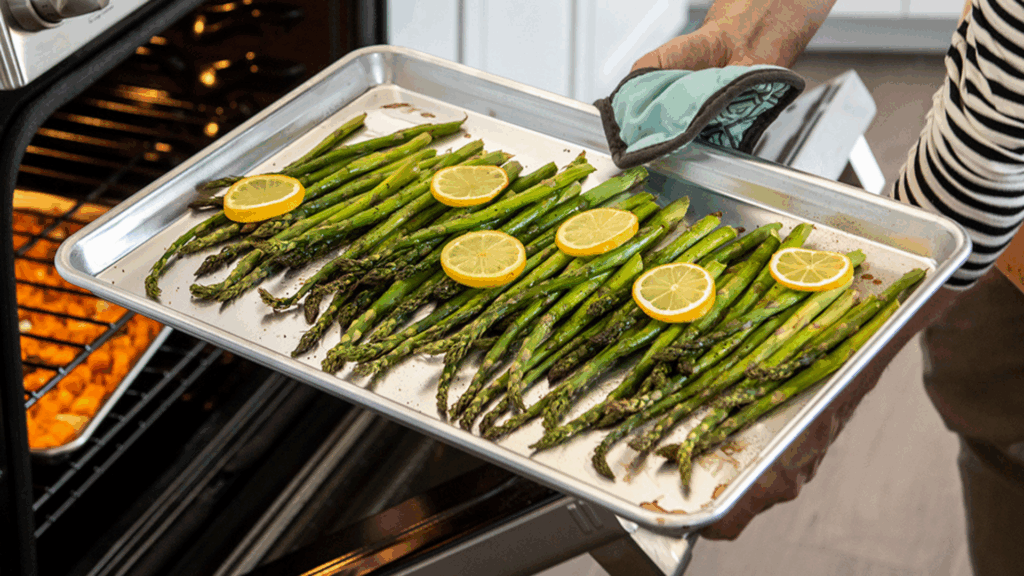
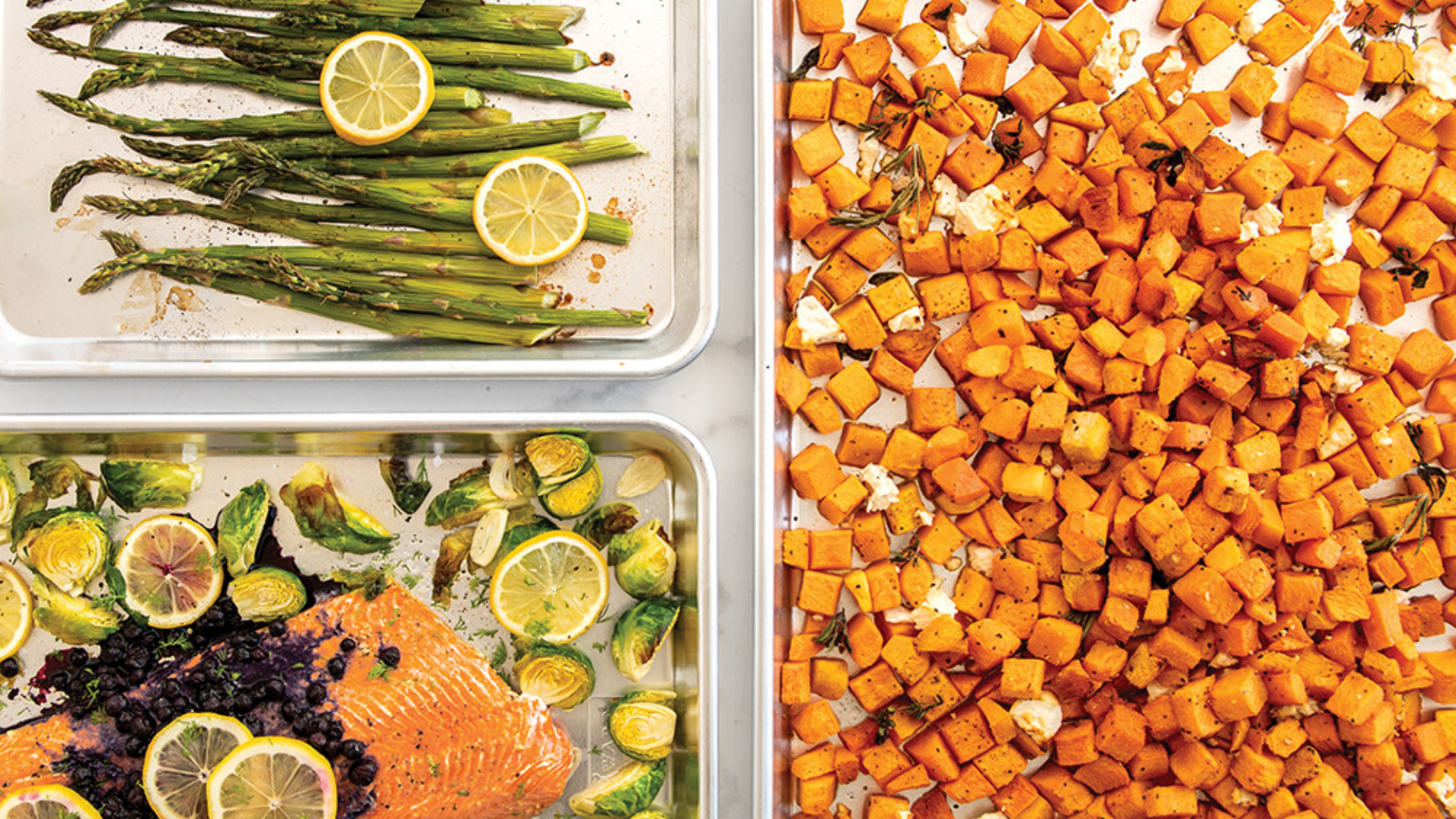
The right pan can make or break your squash game. For roasted cubes, a rimmed baking sheet is ideal. A rimmed sheet pan lets heat circulate and encourages browning without spilling any delicious juices. If you’re roasting halves or whole squash, a roasting pan or ceramic baking dish helps contain the squash and any buttery drips. Stick with heavy-duty, warp-resistant pans that heat evenly and clean easily. Give it the VIP treatment with one of our Naturals® Baking Sheets your squash’s new best friend for golden, even roasting. Trust us: Your squash will thank you.
Common Mistakes When Cooking Butternut Squash
While cooking butternut squash is a bit straightforward, there are a few ways that can ruin dinner. Overcooking leads to mushy, waterlogged squash that’s more baby food than dinner party. Undercooking? That’s a workout for your knife and not in a good way.
Another common misstep: Uneven cutting. Squash cubes that are wildly different sizes will roast at different rates, leading to some pieces burned and others barely cooked. The fix? Take your time when chopping, and roast in a single layer for even heat exposure.
Final thoughts: The right pan makes all the difference
Butternut squash is one of the season’s most versatile and forgiving ingredients, but even the best squash can flop without the right tools. Whether you’re roasting cubes to golden perfection, baking it whole for a sweet twist, or mashing it into a dreamy side dish, a high-quality pan ensures even cooking, easy cleanup, and better flavor.
That’s where Nordic Ware comes in. Made in the USA and trusted for decades, their bakeware is built to last and engineered for performance. Their naturally nonstick, warp-resistant pans are perfect for everything from roasting squash to holiday baking marathons. Ready to level up your kitchen gear? Grab a Nordic Ware sheet pan and give your butternut squash the treatment it deserves.
Shop the collection now and roast like you mean it.