Master Sourdough: The Best Starter Kits for Beginners
Somewhere along the way, sourdough stopped being just bread and became a full-blown hobby.
People name their starters. They take them on vacation. They panic when someone forgets to feed them. Entire corners of the internet are dedicated to discussing hydration percentages with the intensity usually reserved for fantasy football.
The good news? Successful sourdough baking doesn’t require a culinary degree or years of experience. Most beginner frustrations come down to a handful of common mistakes: inconsistent feeding schedules, temperature fluctuations, and using the wrong tools. The right sourdough starter kit can help simplify the process, making it easier to build confidence, avoid common pitfalls, and bake better bread from the very beginning.
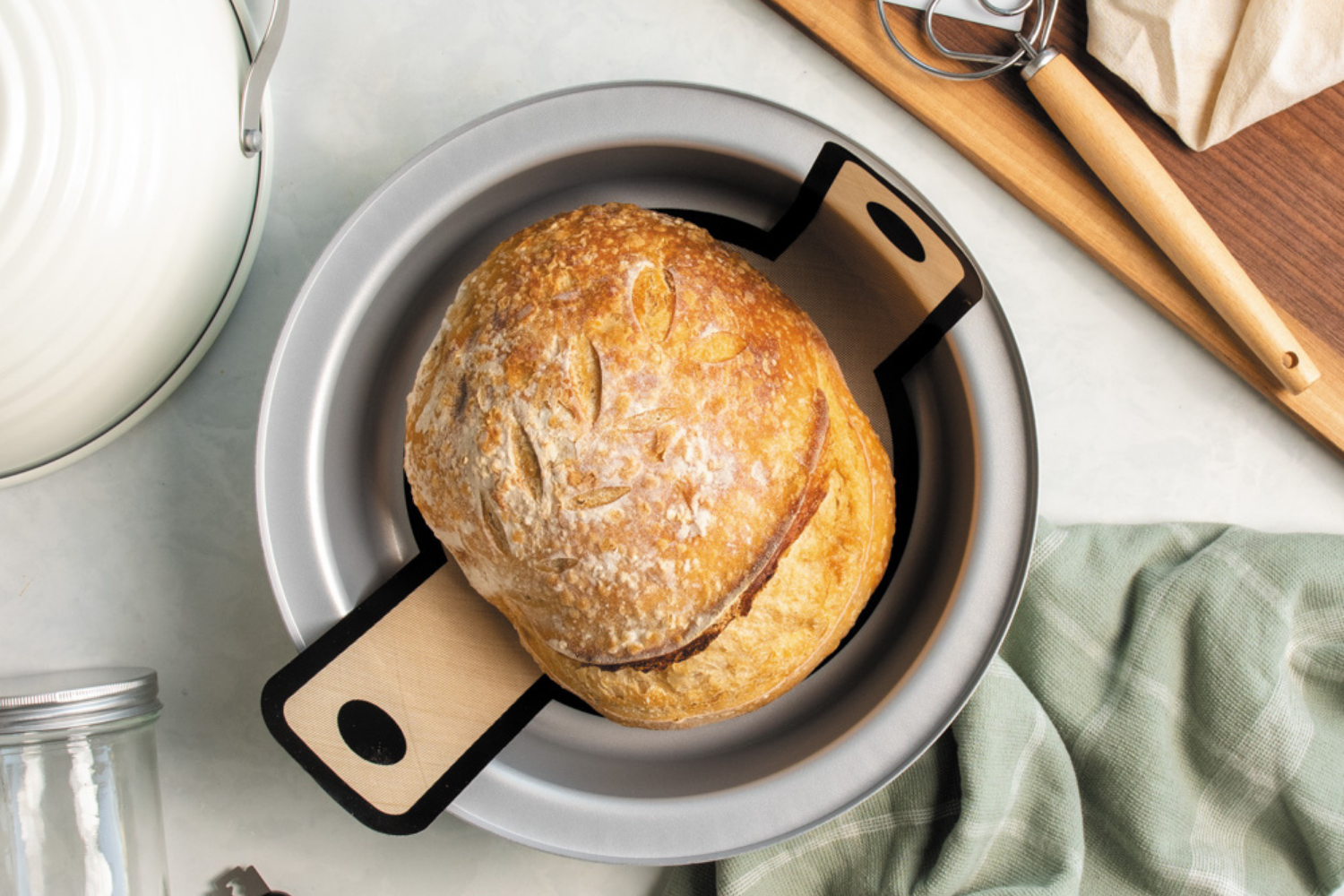
TABLE OF CONTENTS
- Understanding Sourdough Starter Basics
- Common Beginner Mistakes and How to Avoid Them
- Evaluating the Best Sourdough Starter Kits
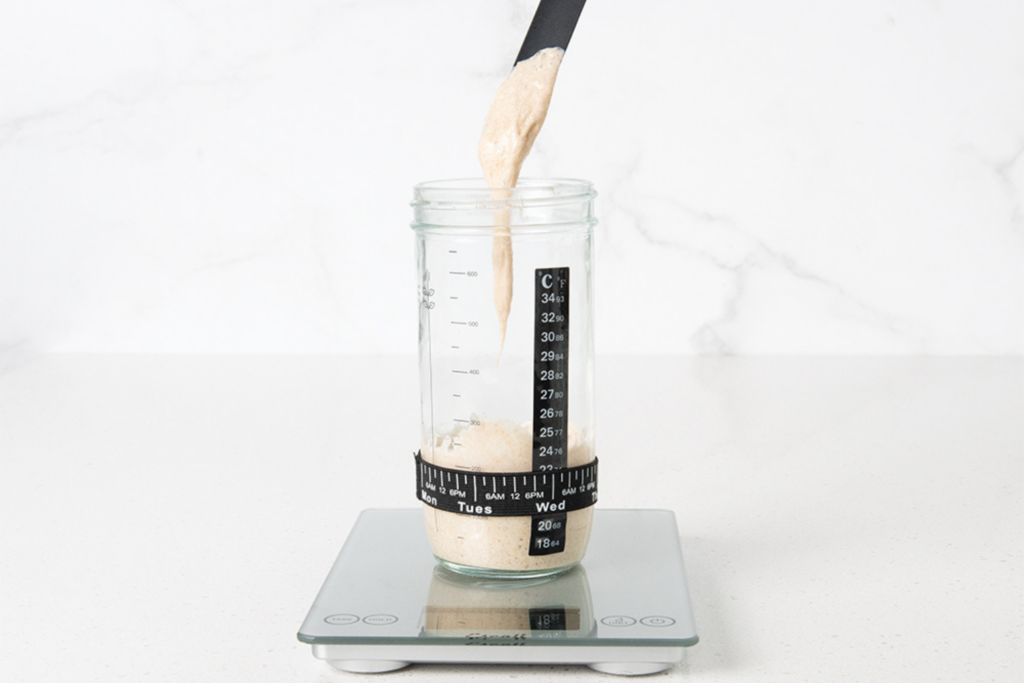
- The Role of Temperature in Sourdough Success
- How to Choose the Right Kit for You
- Starting Your Sourdough Journey: First Steps
- Conclusion
- FAQ Section
Understanding Sourdough Starter Basics
Before choosing a sourdough starter kit, it helps to understand the star of the show: the starter itself.
What Is a Sourdough Starter?
A sourdough starter is a living mixture of flour and water that captures naturally occurring wild yeast and beneficial bacteria. Over time, these microorganisms ferment the mixture, creating the natural leavening that allows sourdough bread to rise without commercial yeast.
A healthy starter contributes more than lift. It also develops the complex flavor, aroma, and texture that make sourdough bread so distinctive.
 Starter Maintenance 101
Maintaining a starter is surprisingly simple, but consistency matters.
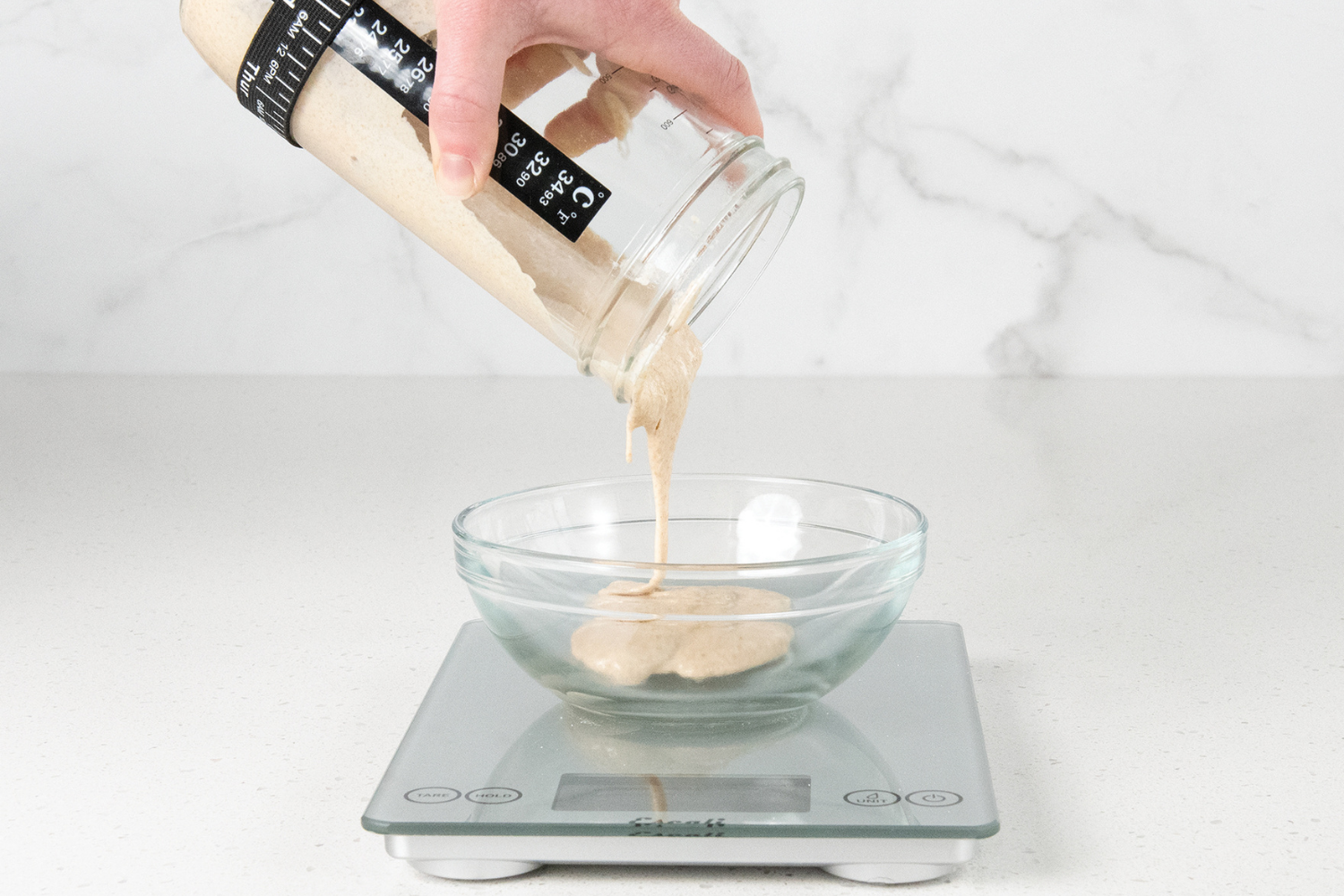
Most starters require regular feedings of flour and water to remain active. Depending on the temperature of your kitchen and how frequently you bake, feedings may occur daily or several times per week.
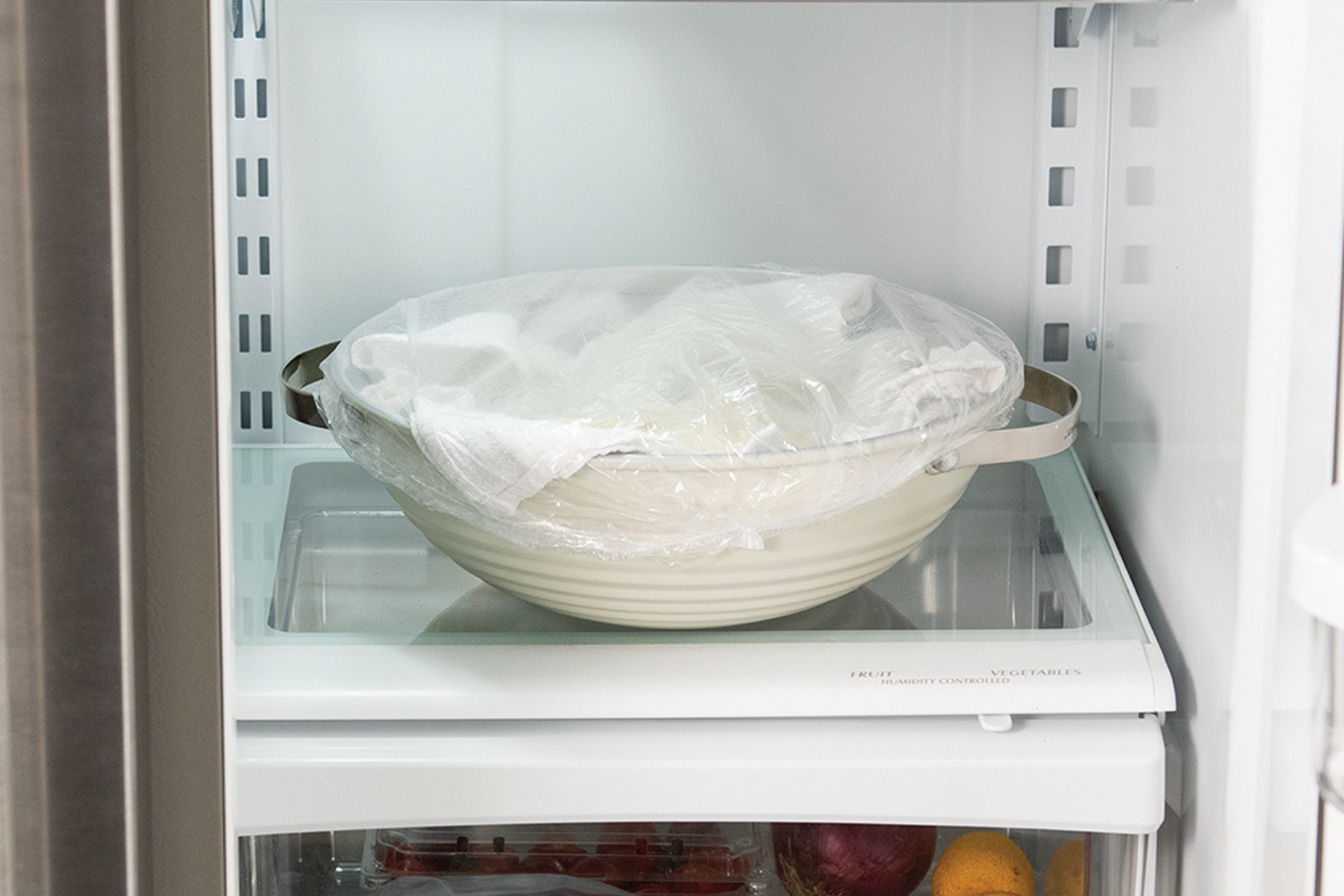
Temperature also plays a significant role. Warmer environments encourage fermentation and faster activity, while cooler temperatures slow the process. Understanding this relationship is one of the keys to sourdough success.
Still unsure how often to feed your starter? Learn how to keep it healthy with our guide to feeding and maintaining a sourdough starter: How to Maintain a Sourdough Starter.
Common Beginner Mistakes and How to Avoid Them
Even experienced bakers have produced a few disappointing loaves along the way.
Top Mistakes in Sourdough Baking
One of the most common issues beginners encounter is a flat loaf that doesn’t rise properly. In many cases, the culprit is an underdeveloped or underfed starter that lacks the strength needed to support fermentation.
Another frequent mistake is inconsistency. Skipping feedings, changing flour types too frequently, or failing to monitor fermentation conditions can all affect performance.
Easy Fixes for Beginners
Fortunately, most sourdough problems have straightforward solutions.
Maintaining a consistent feeding schedule helps strengthen the starter over time. Paying attention to room temperature can also improve fermentation activity and dough development.
Many bakers also find success using a feeding ratio such as the popular 1:2:2 method, which uses one part starter, two parts water, and two parts flour to help maintain a healthy and active culture.
If you’re unsure how often to feed your starter or what signs to look for, check out our guide on How to Maintain a Sourdough Starter: Easy Tips for a Healthy Starter for step-by-step advice on keeping your starter healthy and active.
Evaluating the Best Sourdough Starter Kits
The best sourdough starter kits remove guesswork by providing the tools needed to mix, feed, shape, and bake bread successfully.
What Makes a Good Starter Kit?
A beginner-friendly kit should include more than just a container.
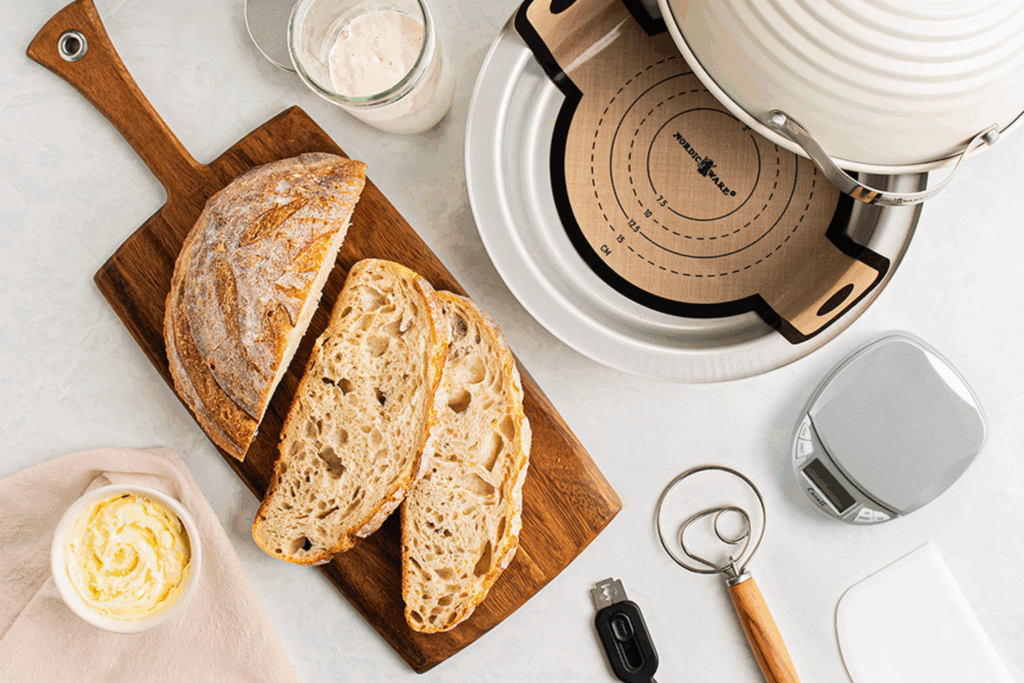
Look for essential items such as:
- A starter jar
- A Danish whisk
- A dough scraper
- A proofing basket (banneton)
- A scoring tool
- A baking vessel
- Educational materials and recipes
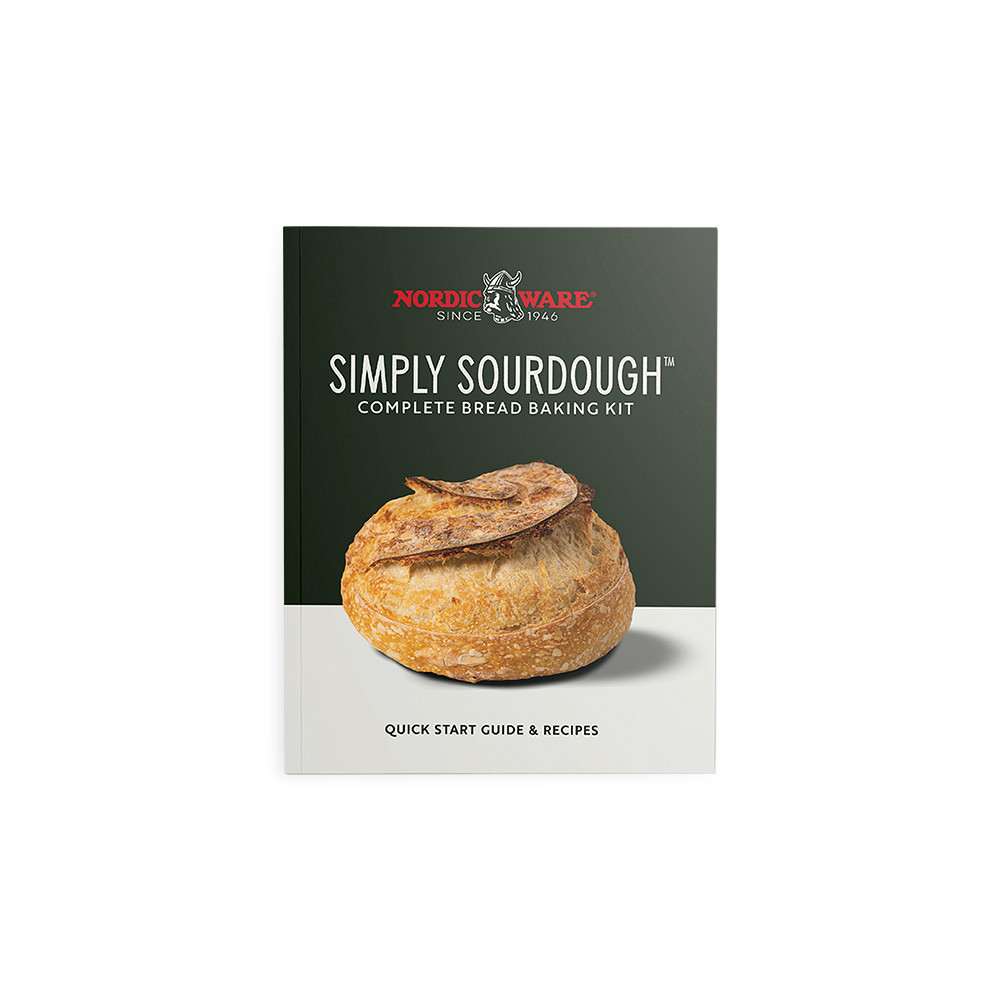
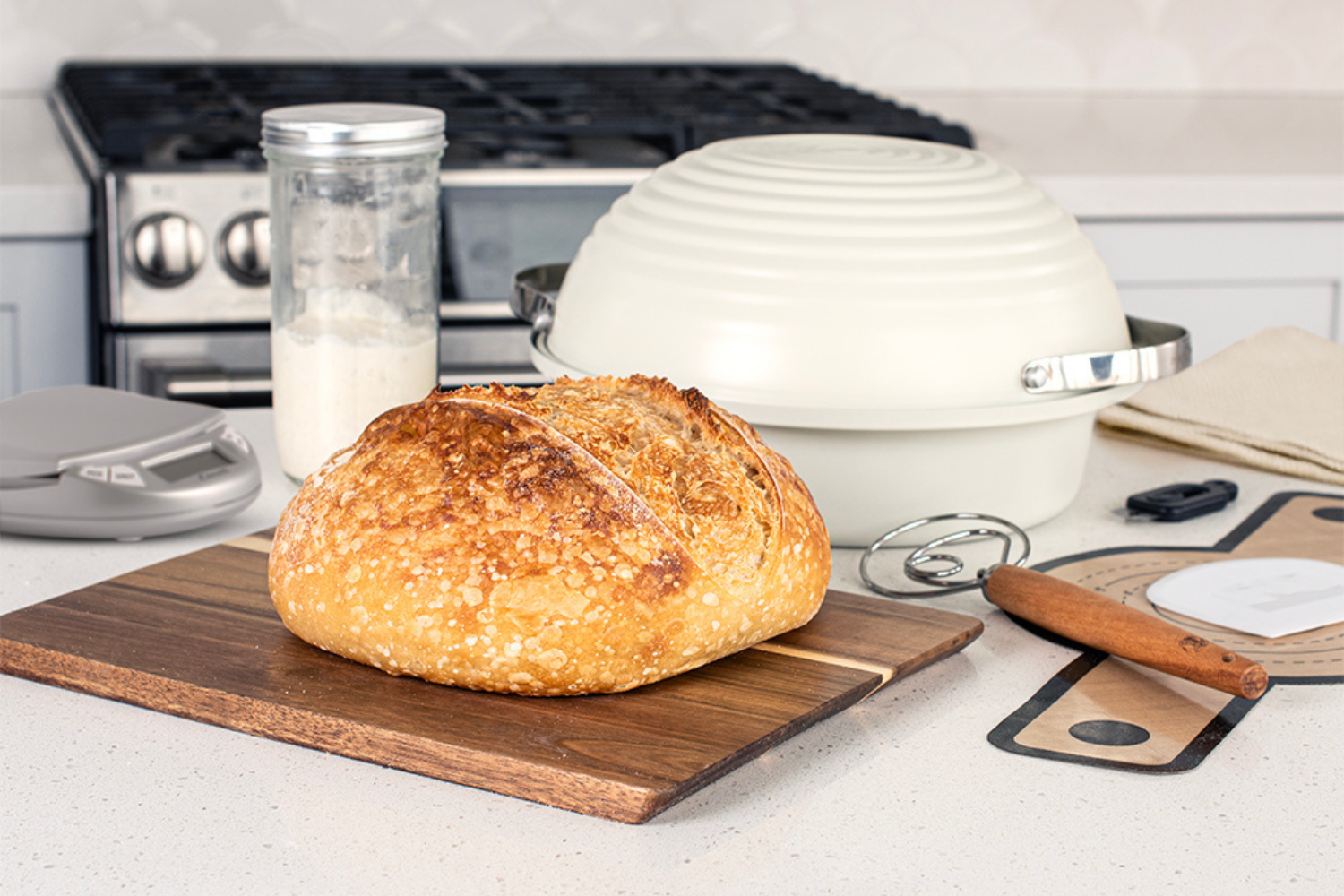
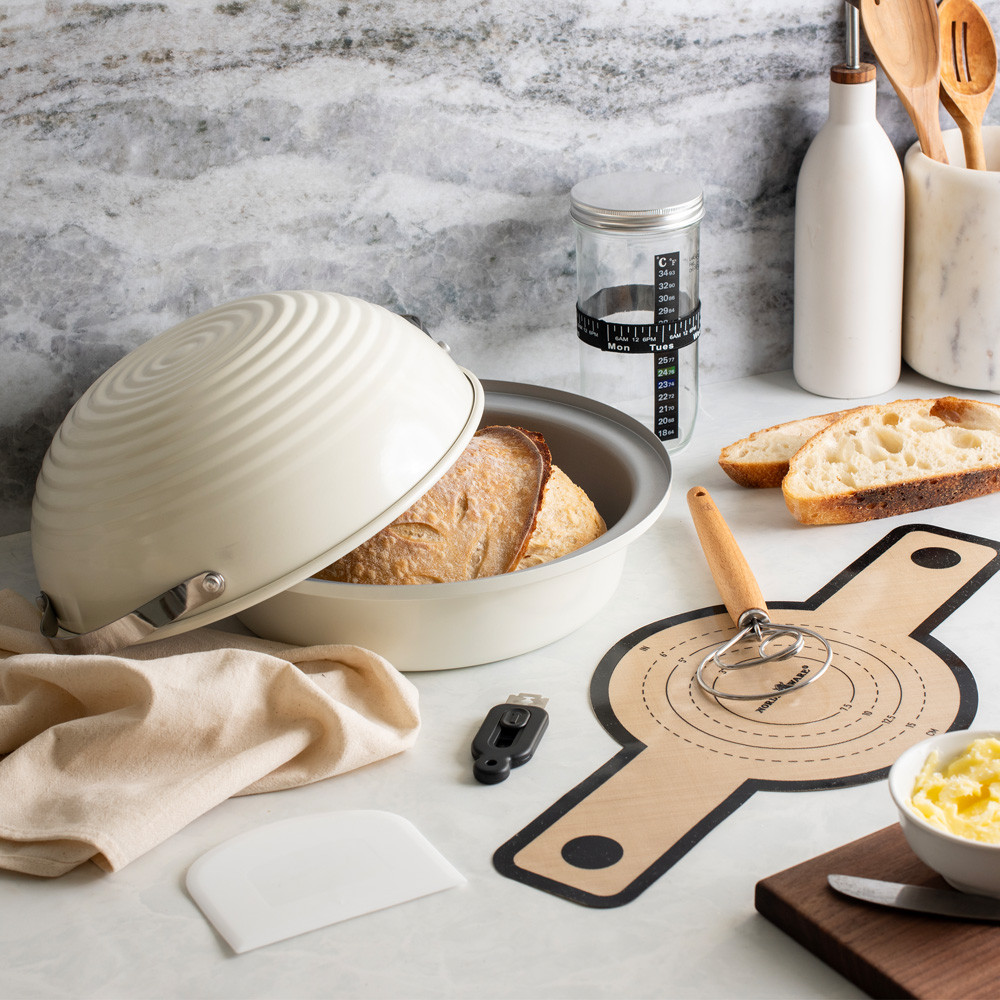
Having these tools from the beginning can make the learning process significantly less intimidating. If you’re looking for a complete sourdough bread baking kit for beginners, Nordic Ware’s Simply Sourdough Bread Baking Kits include the essential sourdough baking tools you need to confidently mix, proof, score, and bake your first loaf, along with step-by-step instructions and recipes to guide you every step of the way.
Top Starter Kits for Beginners
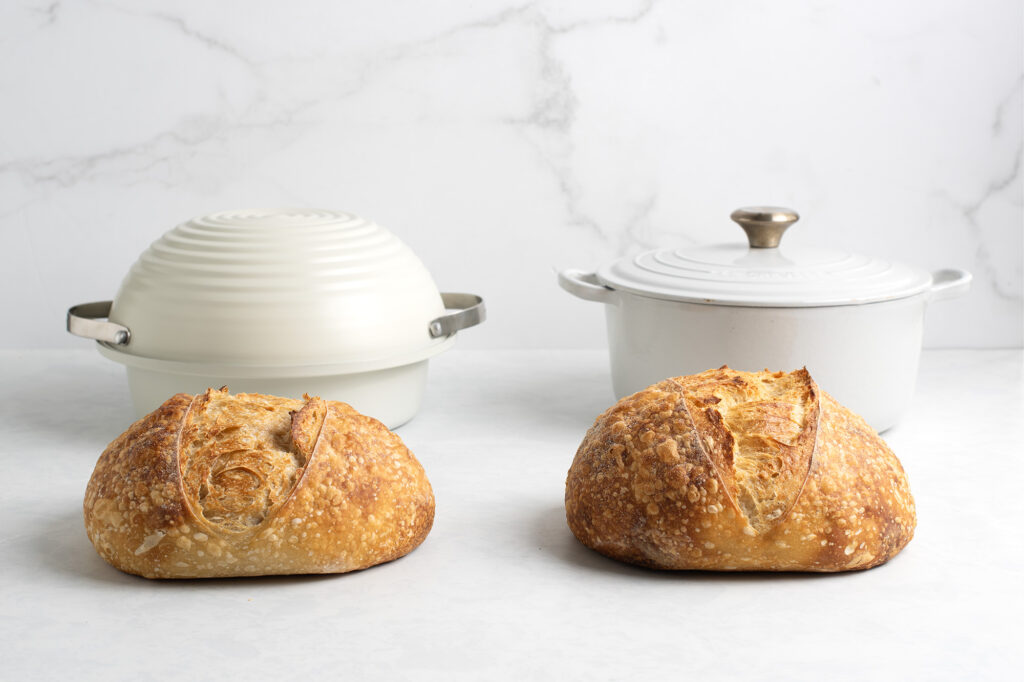
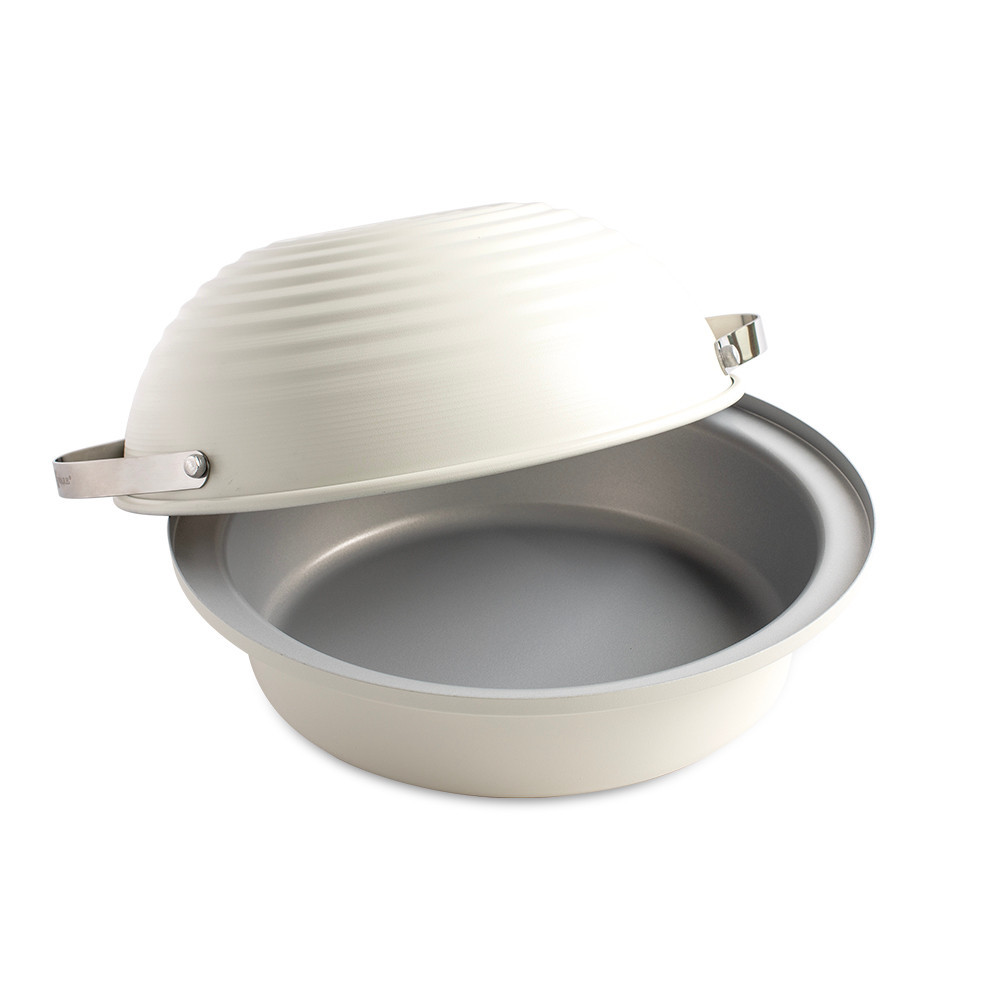
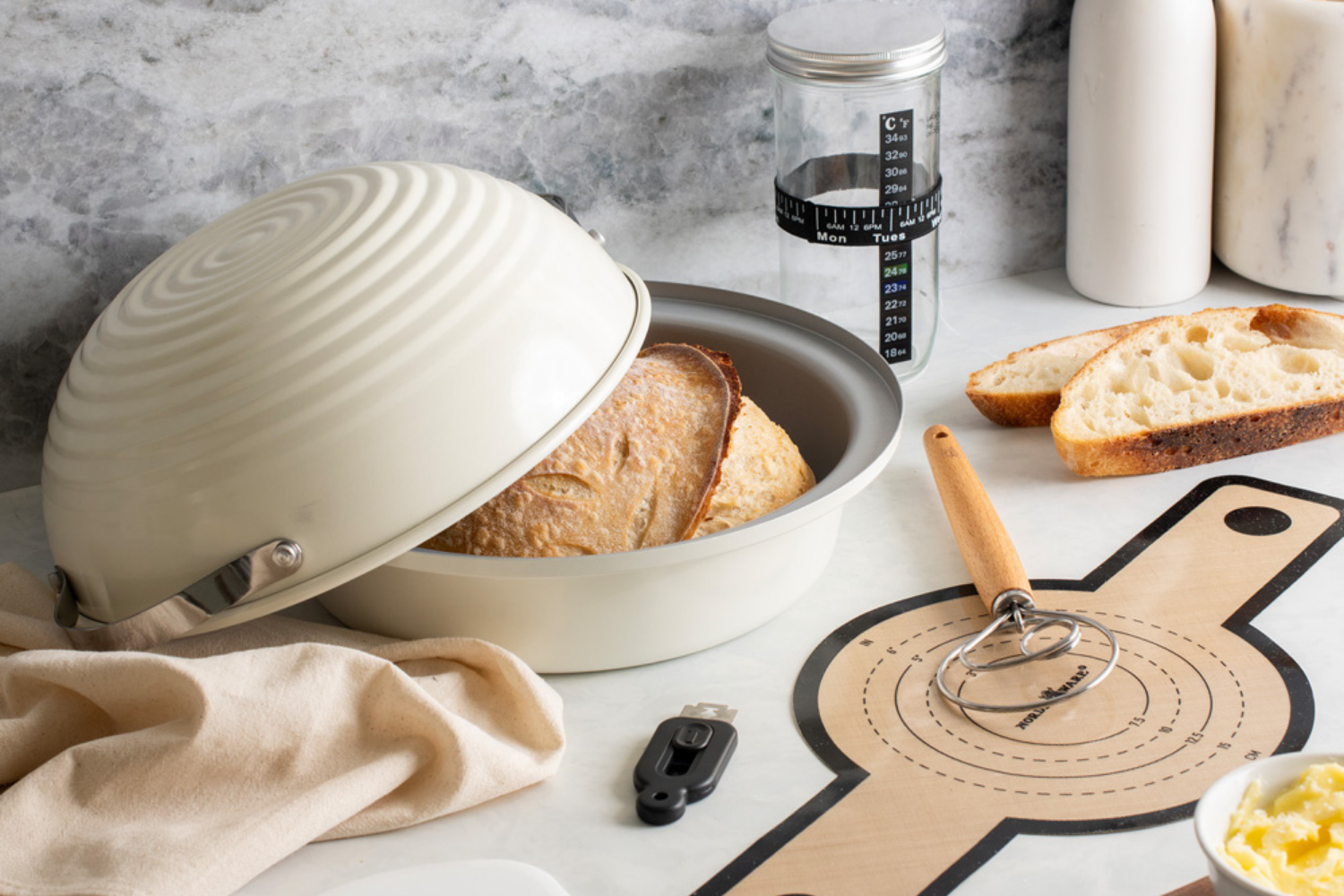
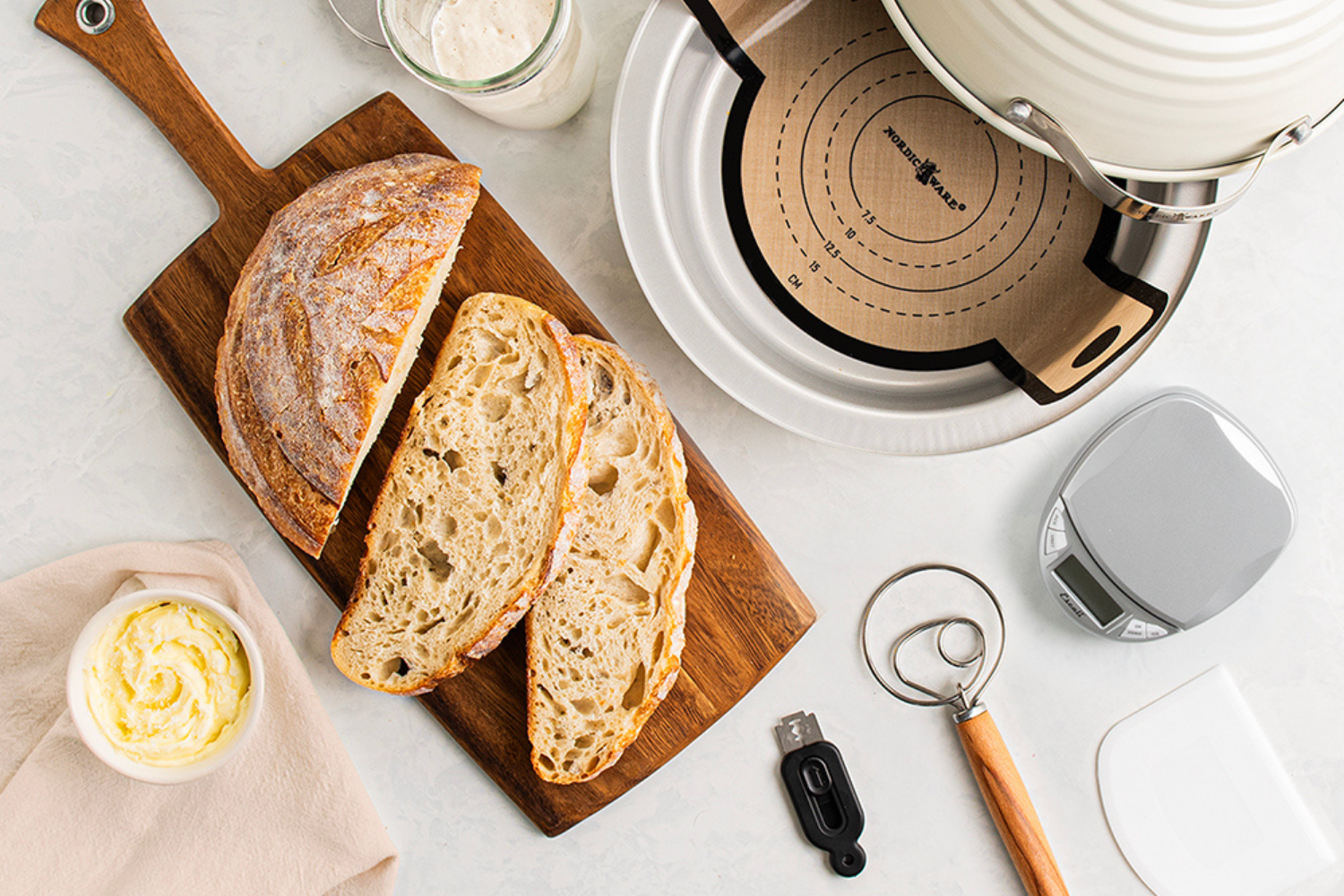
The Nordic Ware Simply Sourdough™ Complete Bread Baking Kit includes everything needed to begin baking at home, including a bread baking pan, dual-use banneton lid, starter jar, Danish whisk, cutter, lifting mat, scraper, cotton liner, and a 22-page guidebook with recipes and instructions.
For bakers who want greater precision, the Nordic Ware Simply Sourdough™ Deluxe Bread Baking Kit includes all of the same components plus a digital scale. Because sourdough recipes are often measured by weight rather than volume, a scale can help create more consistent results and improve accuracy throughout the baking process.



The Role of Temperature in Sourdough Success
Many bakers focus heavily on ingredients while overlooking one of the most important variables: temperature.
Why Temperature Matters
Wild yeast and beneficial bacteria respond directly to environmental conditions. Warmer temperatures encourage faster microbial activity, while cooler temperatures slow fermentation.
These changes affect not only how quickly dough rises, but also the flavor and texture of the finished loaf.
Maintaining Ideal Conditions
Consistency is often more important than perfection.
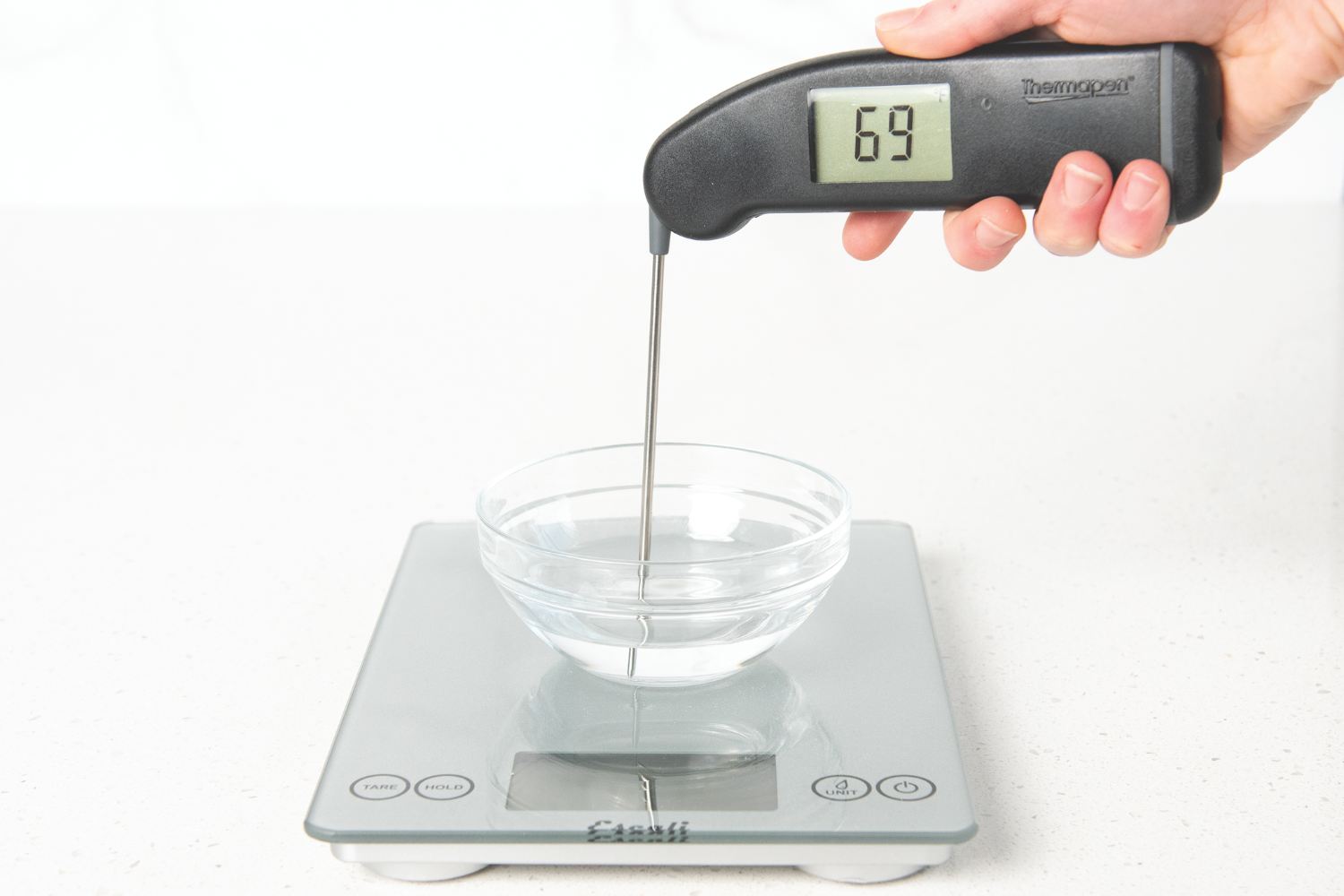
Keeping starters in a relatively stable environment and using tools such as thermometers and digital scales can help bakers better understand and control the fermentation process.
How to Choose the Right Kit for You
Not every baker has the same goals, and choosing the right kit starts with understanding your needs.
Assessing Your Baking Goals
If you’re new to sourdough and simply want to learn the basics, a complete starter kit with all the necessary tools can help eliminate confusion and streamline the process.
More experienced bakers may prioritize precision tools that support experimentation and recipe development. To learn more about the essential tools for successful sourdough baking and how to use them, explore our guide, Baking Homemade Sourdough Bread: The Tools You Need & How to Use Them.
Choosing Based on Available Resources
Space, budget, and frequency of baking all play a role.
For occasional bakers, a complete starter kit provides excellent value while minimizing additional purchases. For those planning to bake regularly, investing in tools such as a digital scale can help support long-term success.
Starting Your Sourdough Journey: First Steps
Once your kit arrives, the real fun begins.
Unpacking Your Kit
Before baking, take a few minutes to familiarize yourself with each component. Understanding the purpose of each tool will make the process smoother and more enjoyable.
Creating Your First Starter
Follow the instructions included with your kit to create or maintain your starter. Begin with a consistent feeding schedule, monitor activity levels, and remember that sourdough rewards patience.
The first loaf may not be perfect—and that’s okay. Every bake teaches something new.
If you’re creating your first starter from scratch, our guide on How to Make a Sourdough Starter From Scratch (And Set Yourself Up for Baking Success) walks through every step, from your first feeding to recognizing when your starter is ready to bake.
Conclusion
Successful sourdough baking starts with understanding the basics. A healthy starter, consistent feeding schedule, and proper fermentation conditions all contribute to better bread.
The right starter kit can simplify the learning curve by providing the tools and guidance beginners need to get started confidently.
Most importantly, sourdough is a skill that develops over time. A few adjustments, a little patience, and a willingness to learn are often the secret ingredients behind the best loaves.
FAQ Section
Q: Is sourdough bread better for diabetics?
Sourdough bread typically has a lower glycemic index than many commercially produced breads because the fermentation process helps slow the digestion of carbohydrates. However, everyone’s body responds differently to food, and factors such as ingredients, portion size, and individual health needs all play a role. People managing diabetes should consult their healthcare provider or registered dietitian for personalized advice.
Q: What is the biggest mistake beginners make with sourdough bread?
One of the most common beginner mistakes is focusing on the recipe while overlooking the starter. An underfed starter or inconsistent feeding schedule can result in weak fermentation and flat loaves. Temperature can also have a major impact, as cooler environments slow fermentation while warmer conditions accelerate it.
Q: What is the 1/2/2 rule for sourdough starter?
The 1/2/2 rule is a common feeding method used to maintain an active and healthy sourdough starter. It involves mixing one part starter with two parts water and two parts flour. For example, if you have 50 grams of starter, you would feed it with 100 grams of water and 100 grams of flour. This ratio helps provide plenty of food for the yeast and beneficial bacteria to thrive.
Q: Is sourdough bread good for autoimmune disease?
Some people find sourdough bread easier to digest than conventional bread because the long fermentation process may help break down certain compounds found in flour. However, autoimmune conditions vary significantly from person to person, and sourdough is not a treatment for any medical condition. Anyone with an autoimmune disease should consult their healthcare provider before making dietary changes.