7-Inch vs 9-Inch Cheesecake Pans: Impact on Texture, Flavor, and More
There are two types of people in the world: Those who think cheesecake pan size only affects how many slices they’ll get… and those who have pulled a cracked, overbaked, suspiciously rubbery cheesecake out of the oven and realized something went very, very wrong.
Let’s be clear: pan size is not a serving decision. It’s a texture, moisture, structure, and flavor decision and if you’re not accounting for it, your cheesecake is quietly suffering.
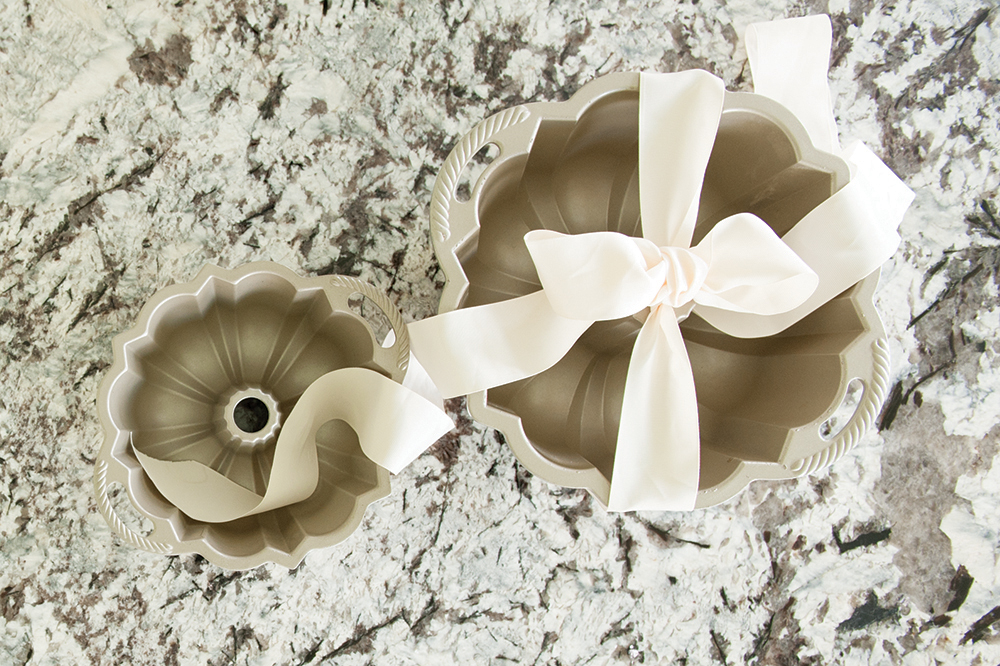
A 7-inch cheesecake and a 9-inch cheesecake made from the same recipe are not twins. They’re barely even cousins. One is rich, dense, and creamy in the way you want to eat slowly. The other, if mishandled, can lean dry, overbaked, or structurally confused.
So yes, we’re talking about two inches. But in baking? Two inches is everything.
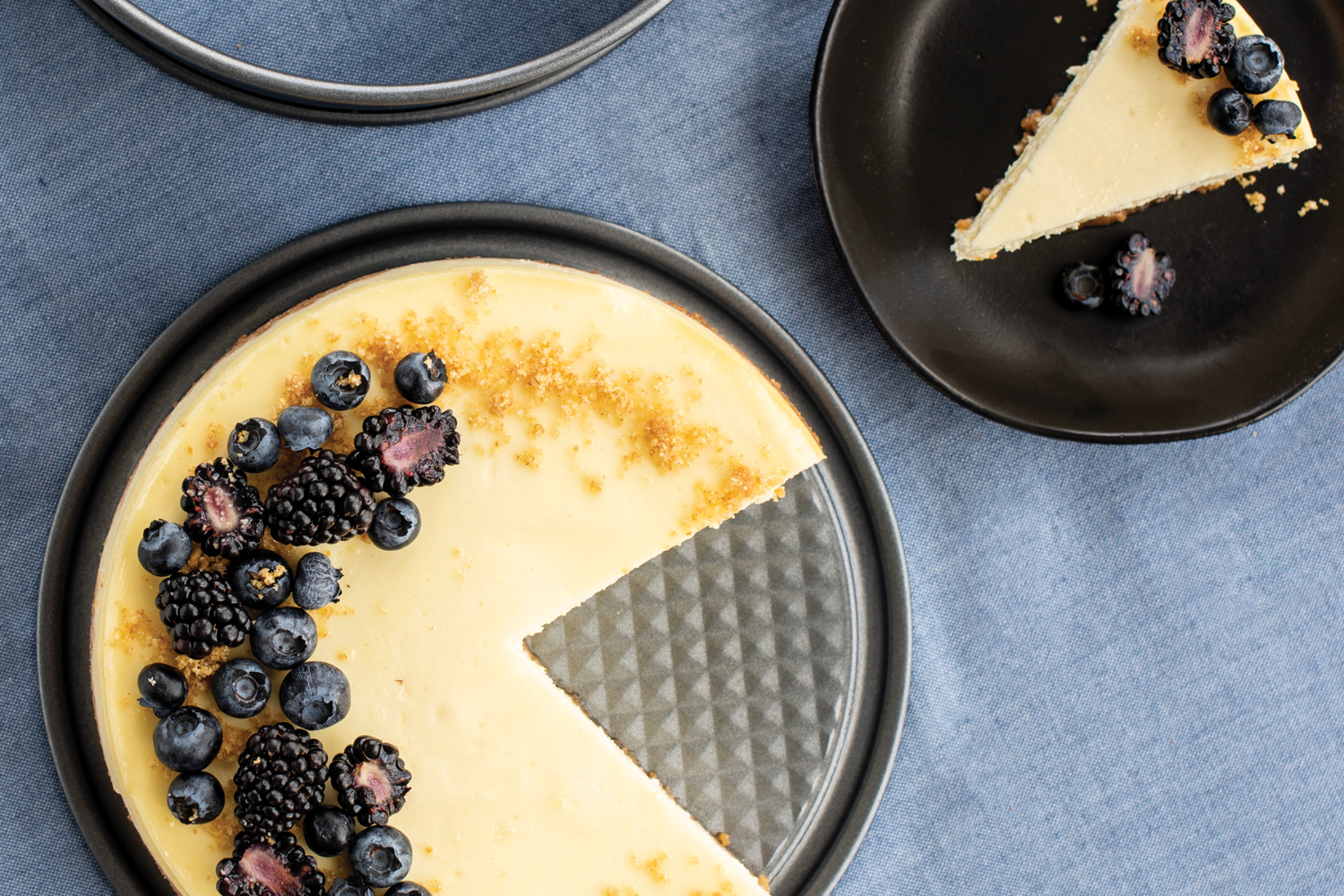
Table of Contents:
- Understanding Pan Size and Its Impact
- Material Matters: Beyond Just Size
- Optimizing Cheesecake Recipes for Different Pan Sizes
- From Theory to Practice: Baking with Confidence
- Conclusion
- FAQ’s
- Find Your Perfect Springform Pan
- Our Favorite Recipes
Understanding Pan Size and Its Impact
The biggest misconception in cheesecake baking is that you can pour the same batter into any pan and expect the same result. What actually changes is the depth of the batter, the amount of surface area exposed to heat, the rate at which moisture escapes, and the total baking time. In a 7-inch pan, the batter sits deeper, which means heat takes longer to reach the center. That slower baking process protects moisture and allows the cheesecake to set more gradually, resulting in a creamier interior and a more luxurious texture.
In a 9-inch pan, that same batter spreads thinner, increasing surface area and speeding up the baking process. While this can be efficient, it also increases the risk of overbaking. The center cooks faster, moisture escapes more quickly, and the margin for error shrinks significantly. This is why a 9-inch cheesecake often requires more attention and a lighter touch. It’s not harder, but it is less forgiving.
The Science of Baking Physics
Ovens heat from the outside in, which means every cheesecake is essentially a race between the edges and the center. In a smaller, deeper pan like a 7-inch, heat moves slowly toward the center, giving proteins time to set without tightening too quickly. This is what creates that smooth, creamy texture. In a larger, shallower pan, heat reaches the center more quickly, which can cause proteins in the eggs and dairy to tighten too fast. When that happens, moisture gets squeezed out, and the cheesecake loses its signature softness.
Moisture retention is the real make-or-break factor here. Cheesecake relies on a delicate balance between fat, liquid, and heat. A pan with more surface area—like a 9-inch—encourages evaporation, which can dry out the cake if you’re not careful. A 7-inch pan, by contrast, naturally retains more moisture because less of the batter is exposed to direct heat. This is why smaller cheesecakes often feel richer and more indulgent, even when the ingredients are identical.
Practical Implications for Home Bakers
Switching pan sizes without adjusting your recipe is one of the fastest ways to sabotage a cheesecake. The math isn’t complicated, but it is essential. A 9-inch pan has significantly more surface area than a 7-inch pan—roughly 70 percent more. That means if you’re scaling up, you need more batter to maintain the proper thickness. If you don’t adjust, your cheesecake will bake faster and thinner, which almost guarantees a change in texture.
Baking time also needs to shift accordingly. A thinner cheesecake in a larger pan will cook more quickly, so reducing the bake time and checking earlier is key. The visual cues remain the same: the center should still have a slight jiggle when it comes out of the oven. If it looks fully set, it’s already gone too far.
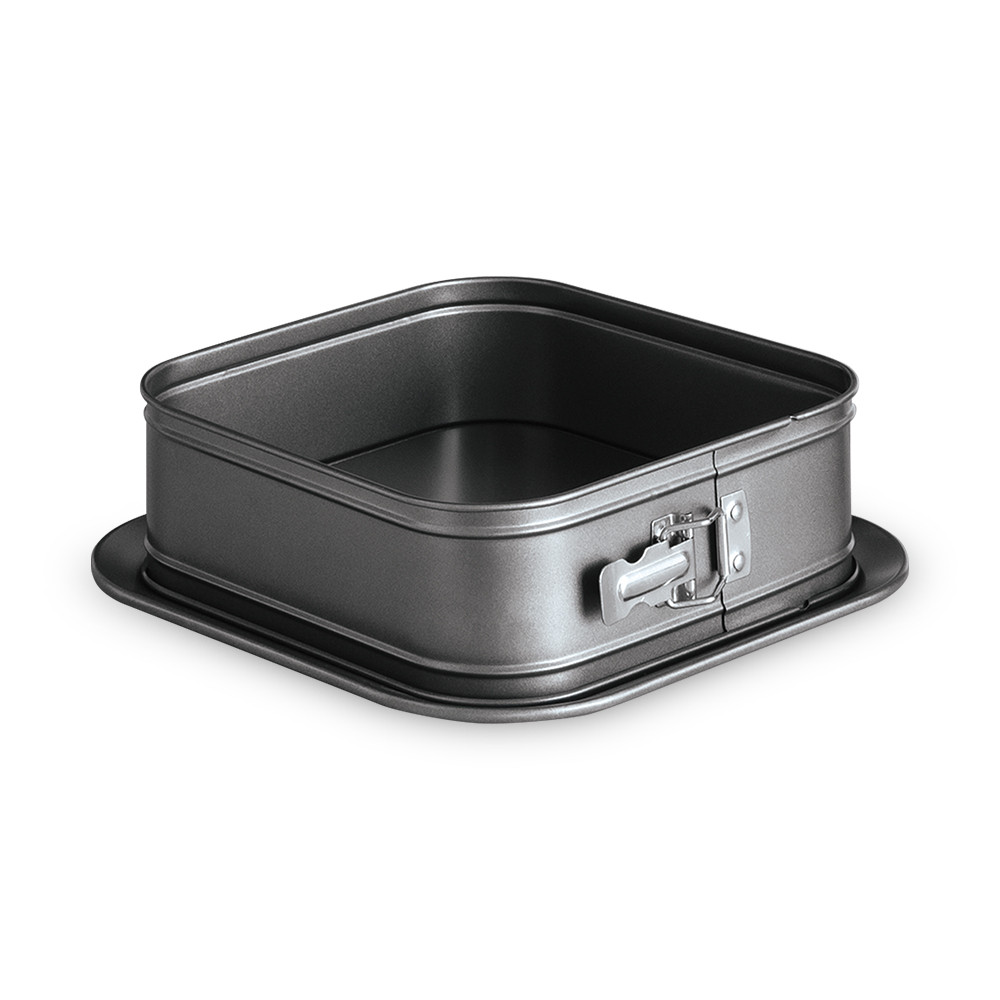
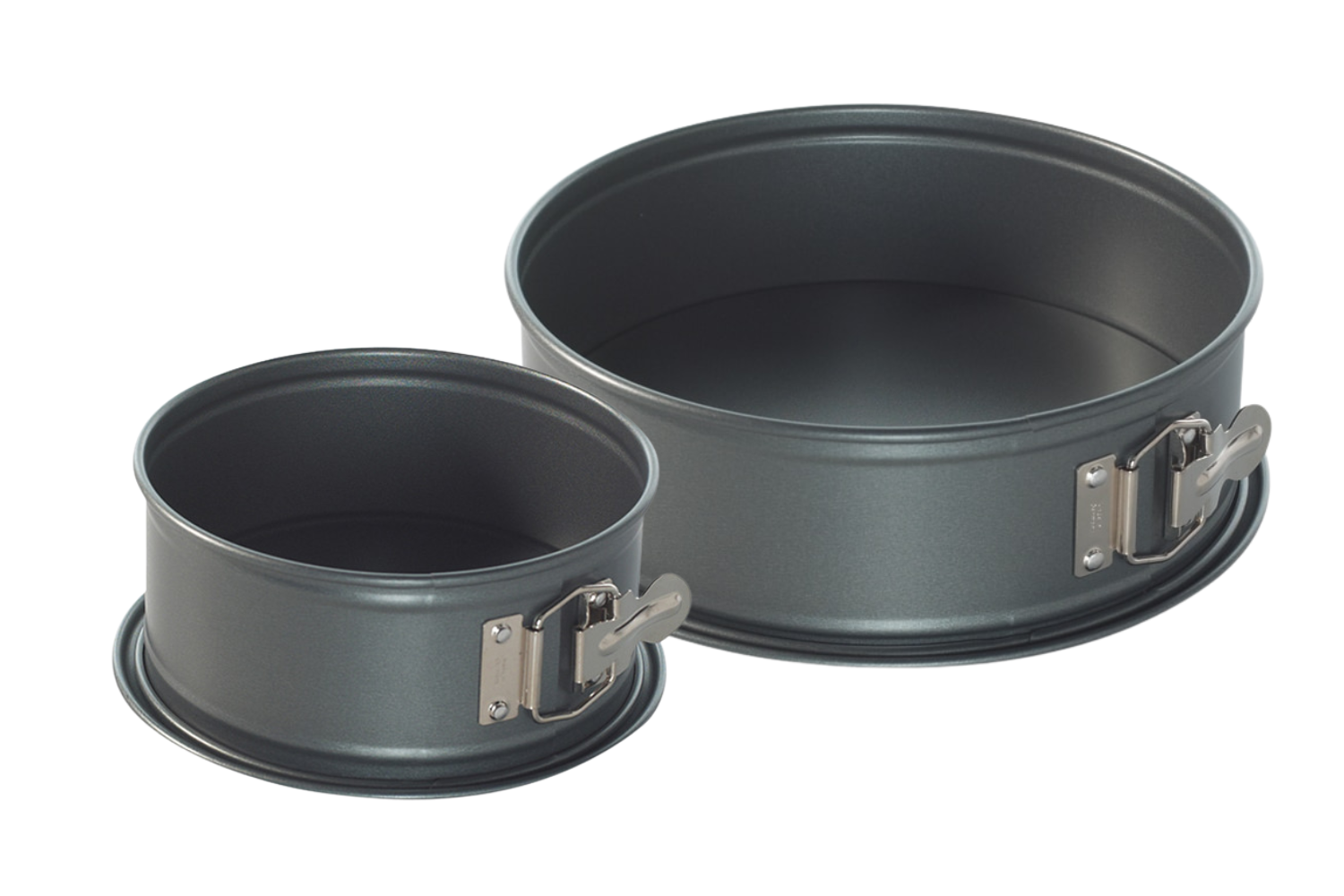
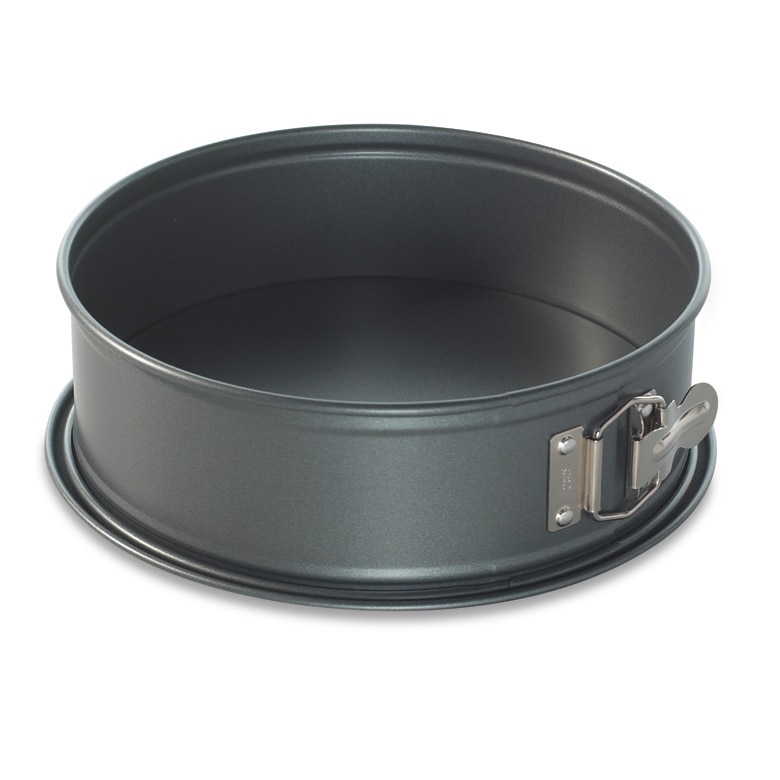
For bakers who frequently make cheesecakes, investing in multiple springform sizes provides more flexibility. Our Springform & Cheesecake Pans Collection includes options for everything from intimate dinner-party desserts to larger holiday gatherings.
Material Matters: Beyond Just Size
Pan size might get all the attention, but material plays a quiet, equally important role. Nonstick pans are often the go-to for home bakers because they make release easy and reduce the risk of tearing the cake during unmolding. They also tend to produce smoother edges, which is always a win. However, they can heat more aggressively, which may lead to faster browning around the edges.
Stainless steel or traditional springform pans offer more controlled heat distribution and are often preferred for consistency, especially at a more advanced level. They’re durable and reliable, but they do require proper preparation. If you’re not lining or greasing correctly, sticking becomes a real possibility. Ultimately, it comes down to confidence. If you want a bit of a safety net, nonstick is your friend. If you’re comfortable managing the process, stainless steel offers more precision.
Caring for your pan also matters more than most people think. Nonstick coatings can degrade quickly if treated poorly, so avoiding metal utensils and opting for hand washing will extend their life significantly. Regardless of material, lining the bottom of your pan is one of those small steps that makes a big difference, and skipping it is almost always a mistake.
If you’re looking for a pan that combines easy release with a colorful exterior, the 9″ Colors Springform Pan offers the same dependable performance with an eye-catching finish that looks beautiful from prep to presentation.
Optimizing Cheesecake Recipes for Different Pan Sizes
When you change pan size, baking time and temperature don’t automatically adjust themselves you have to do that part. A thinner cheesecake in a larger pan will naturally bake faster, which means reducing the bake time and checking in earlier is essential. The goal isn’t to follow the clock blindly, but to understand what you’re looking for visually and texturally.
The center of a properly baked cheesecake should still have a slight jiggle when it comes out of the oven. That movement is what signals a creamy, properly set interior once cooled. If the center is completely firm while still in the oven, it’s already crossed into overbaked territory. Lowering the temperature slightly and extending the bake time can also help maintain moisture, especially when working with larger pans that expose more surface area to heat.
Conversion Calculations Made Simple
Pan size affects volume. Here’s the quick reality:
- 7-inch pan = ~38 sq inches
- 9-inch pan = ~64 sq inches
That’s about a 70% increase in surface area.
So if you’re going from a 7-inch pan to a 9-inch pan, you need more batter (about 1.5x–1.7x). If you don’t adjust, your cheesecake will be too thin and overbake faster.
Temperature and Baking Time Adjustments
Changing pan sizes? You will also have to shift your baking time.
- 7-inch pan: Longer bake time, lower risk
- 9-inch pan: Shorter bake time, higher vigilance required
The general rule here would be to reduce bake time by ~10–15% when going larger and thinner. However, you’ll also want to check on this cake a bit early. Cheesecake waits for no one. The center should still slightly jiggle; If it’s fully set in the oven, it’s already overbaked.
From Theory to Practice: Baking with Confidence
Execution is where everything comes together. Starting with room-temperature ingredients ensures a smooth batter and even baking. Using a water bath can help regulate temperature and prevent cracking, especially in larger pans where heat exposure is more intense. Cooling is just as important as baking—gradual cooling helps the cheesecake set properly without sudden shifts that can cause structural issues.
Even experienced bakers make mistakes, and cheesecake is particularly good at revealing them. Overmixing introduces air, which leads to cracks. Overbaking dries things out. Cutting too early disrupts the set. These are all fixable, but they require a little patience and awareness. The goal isn’t perfection on the first try—it’s understanding what’s happening so you can adjust.
Expert Baking Tips for Perfect Cheesecake
Professional bakers don’t treat pan size as an afterthought. Recipes are built specifically for certain dimensions, with adjustments made for depth, bake time, and moisture retention. That’s part of why bakery cheesecakes feel so consistent—they’re not improvising. Home bakers who want better results don’t need to overcomplicate things, but they do need to respect that these variables matter.
Common Mistakes and How to Avoid Them
Cheesecake has a way of exposing even the smallest missteps, and most of them come down to rushing or skipping adjustments. One of the most common mistakes is changing pan size without changing anything else—no adjustment to batter volume, no change in baking time—just hoping for the best. It rarely works out. Overbaking is another frequent issue, usually driven by the fear that the center isn’t done yet, when in reality, that slight jiggle is exactly what you want.
Overmixing the batter, especially after adding eggs, can introduce too much air, which leads to cracks and an uneven texture. Skipping a water bath, cutting into the cheesecake too early, or not allowing it to cool gradually are all small decisions that can have big consequences. The good news is that none of these mistakes are permanent; they’re part of the learning curve. The better you understand what’s happening in the oven, the easier it becomes to avoid them altogether.
Conclusion
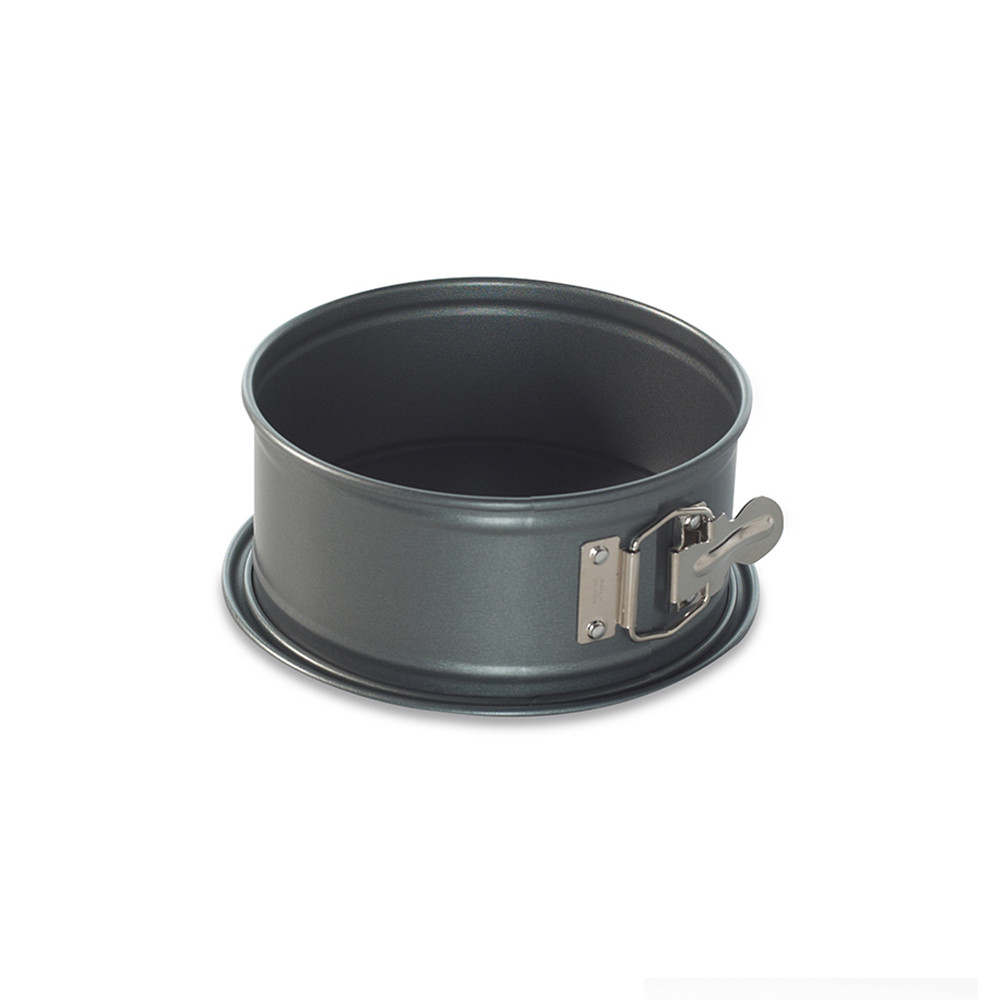
Pan size changes far more than the number of slices you’ll get, it directly impacts texture, moisture retention, baking time, and overall baking success. A 7-inch pan creates a thicker, creamier cheesecake and is generally more forgiving, while a 9-inch pan produces a thinner cake that requires more precision. Whether you’re baking in a 7-Inch Springform Pan, a 9-Inch Springform Pan, or exploring our full collection of Springform & Cheesecake Pans, understanding how pan size affects baking will help you create consistently delicious cheesecakes every time.
FAQ Section
What size pan is best for cheesecake?
The answer depends on your goal. A 7-inch pan is ideal if you’re looking for a dense, rich cheesecake with a more luxurious texture. A 9-inch pan works well for larger groups but requires more careful attention to baking time and moisture retention.
How many does a 7-inch cheesecake serve?
A 7-inch cheesecake typically serves about eight people, making it perfect for smaller gatherings or for stretching over a few indulgent days.
How many slices can I get from a 9-inch cheesecake?
A 9-inch cheesecake can typically be cut into 12-16 slices, depending on the thickness and serving size desired.
Why is pan material important in baking?
Pan material affects how heat is conducted, how evenly the cheesecake bakes, and how easily it releases. All of these factors contribute to the final texture and appearance.
Find the Perfect Cheesecake Pan
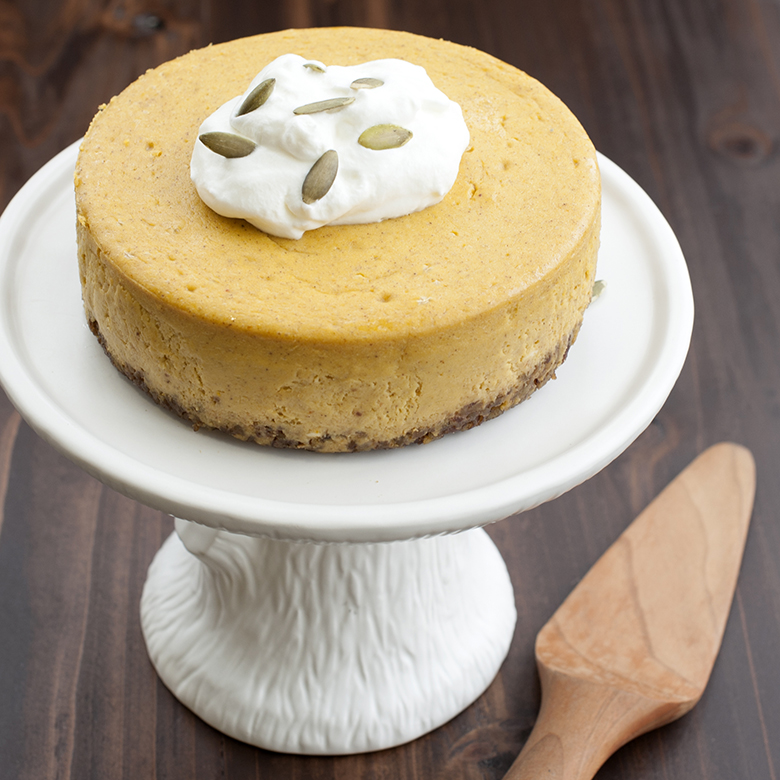
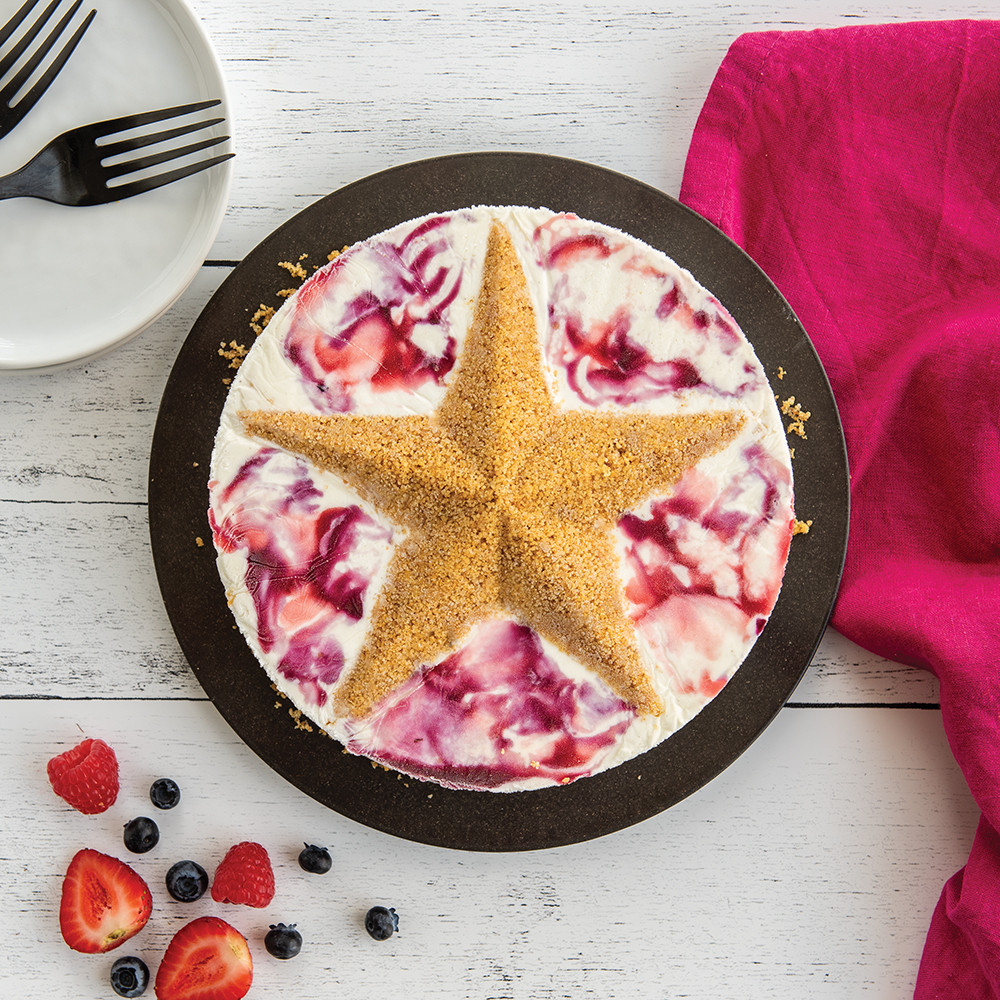
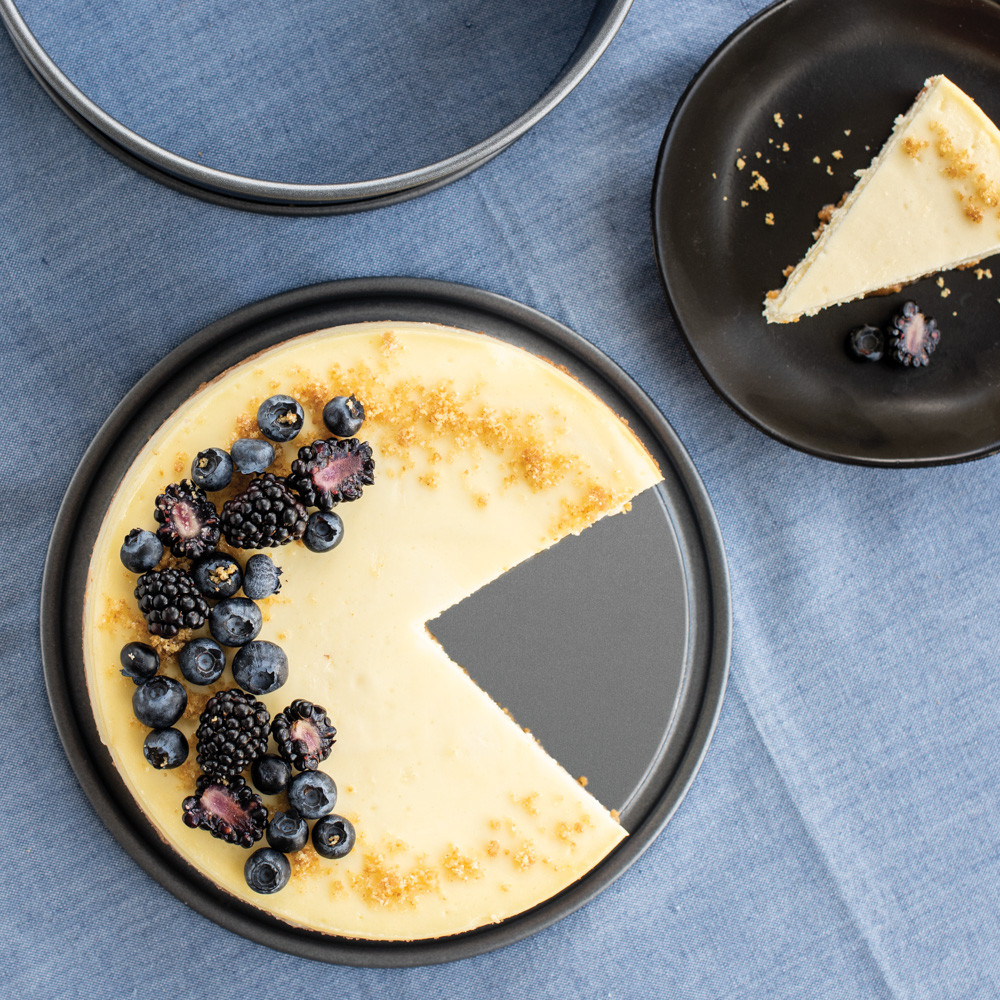
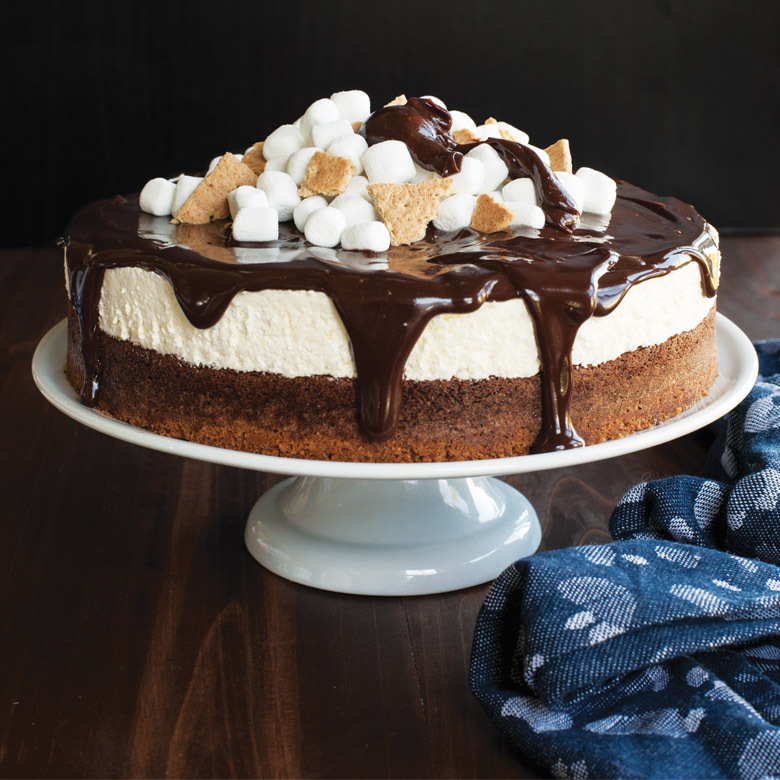
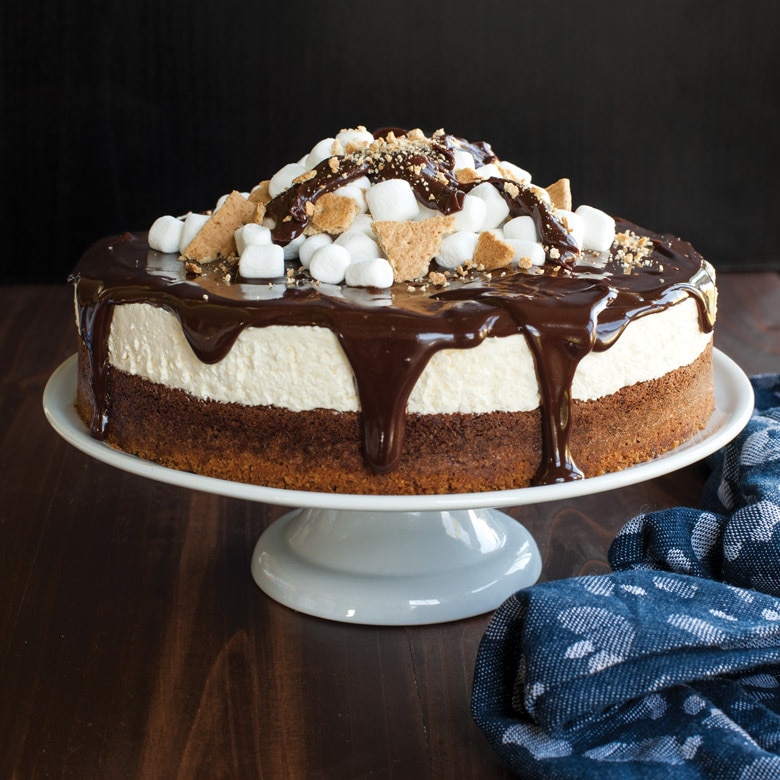
Whether you’re baking a rich New York-style cheesecake, a seasonal pumpkin cheesecake, or an ice cream cake, the right springform pan makes serving and unmolding effortless. Browse our collection of Springform & Cheesecake Pans, including the popular 7-Inch Springform Pan, 9-Inch Springform Pan, and 9″ Colors Springform Pan.
You are not logged in.
Log in | Create Account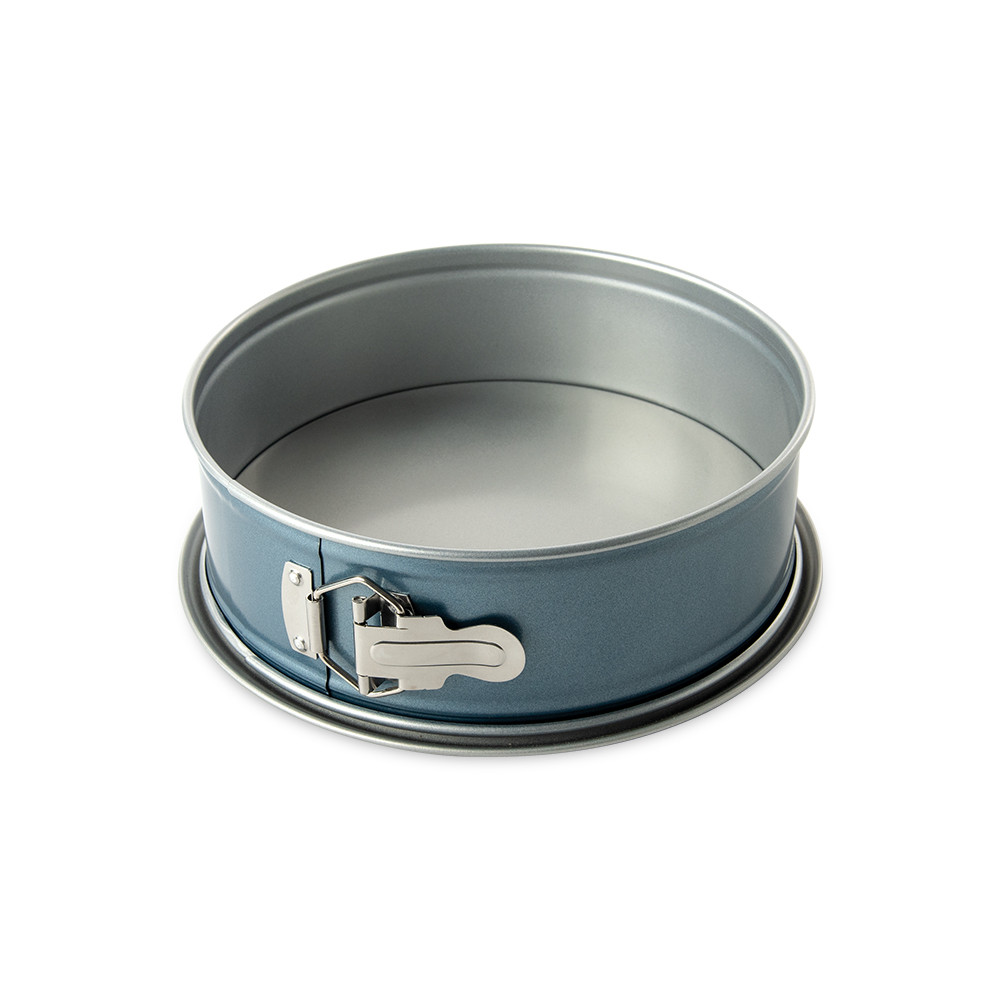
You are not logged in.
Log in | Create Account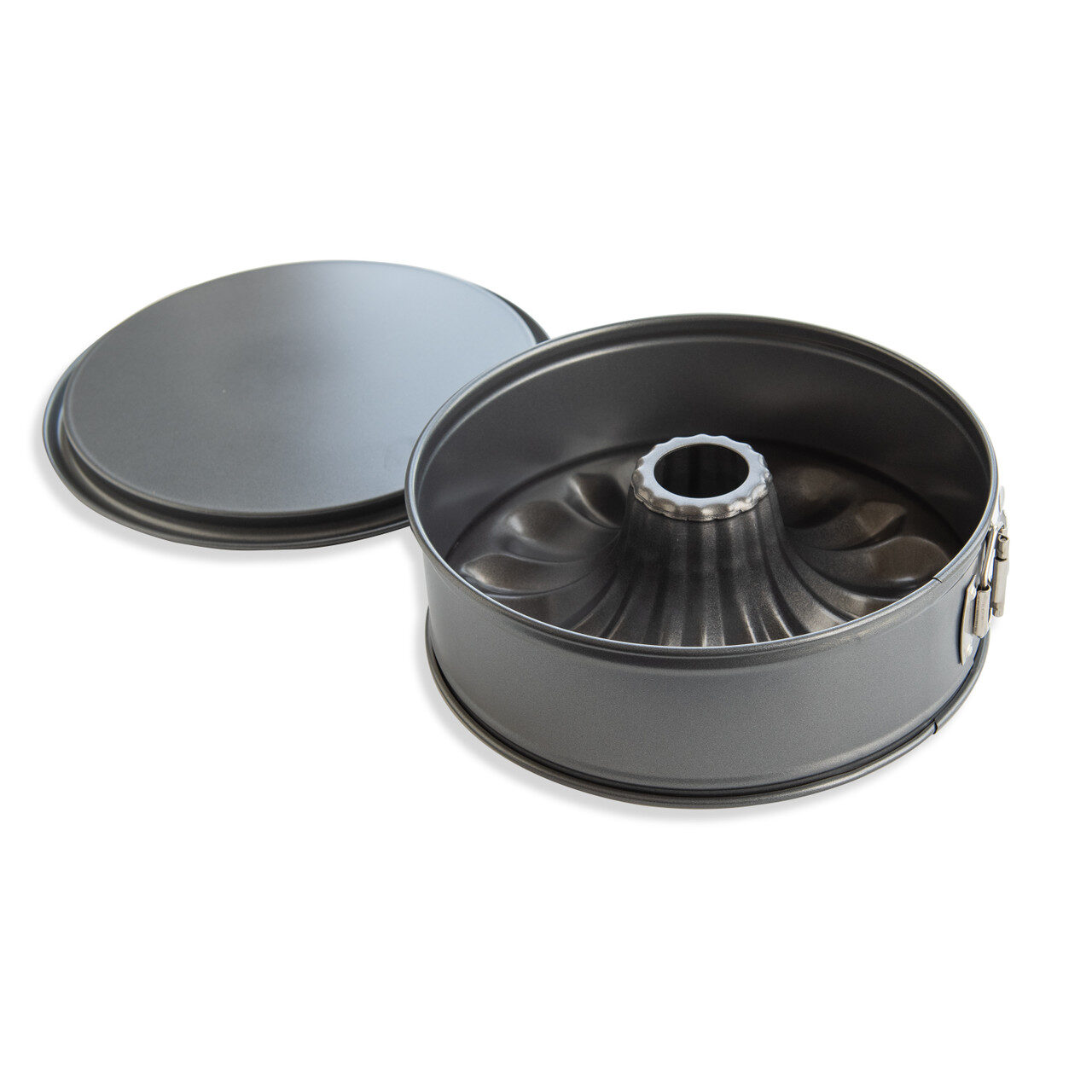
You are not logged in.
Log in | Create Account