Even Baking Starts Here: Try the Sheet Pan Toast Test
If your cakes bake unevenly or cookies scorch on one side, it may not be a problem with your technique. It could be an issue with your oven… The good news? With one simple experiment we fondly call the Toast Test, you can identify your oven’s quirks in just minutes. And with a reliable sheet pan from Nordic Ware, you’ll get the most accurate results.
This guide breaks down how to run the Toast Test, what to look for, and how to use the results to bake better every time.
Table of Contents:
- Why ovens have hot spots
- What the Toast Test reveals
- Step-by-step: How to run the Toast Test
- How to interpret your results
- Tips to improve your baking based on the test
- Best Nordic Ware pans to use for the Toast Test

Why ovens have hot spots
No oven is perfect. Heating elements, fan circulation, and even oven size can create temperature differences from one side of the rack to the other. That’s why one batch of cookies might brown unevenly, or a cake may rise more on one side. The Toast Test helps you “see” these hidden hot and cool zones, so you can bake with more confidence.
What the Toast Test reveals
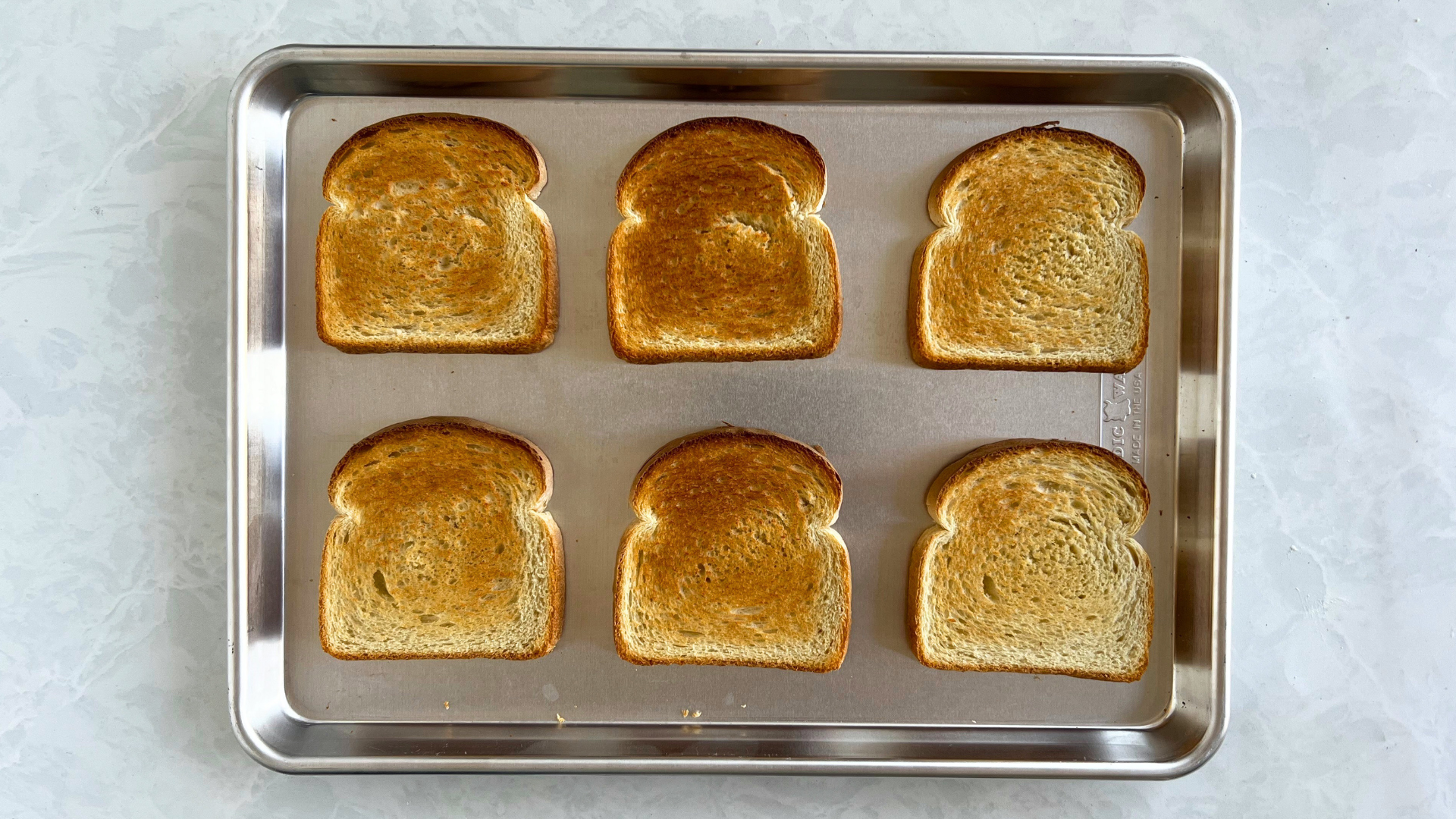
The idea is simple: cover a sheet pan with slices of bread, bake them, and then inspect the browning.
- Darker bread = hotter zones
- Lighter bread = cooler zones
- Even browning = a balanced oven
Because bread is quick to toast, you’ll get a clear picture in just a few minutes.
Step-by-step: How to run the Toast Test
You’ll need:
- White sandwich bread (uniform slices)
- A Nordic Ware sheet pan (half sheet or quarter sheet works best)
- Oven thermometer (optional)
Steps:
- Preheat the oven to 350°F and let it fully heat.
- Arrange the bread slices in a grid across your Nordic Ware pan. Try to cover the full surface.
- Bake for 5–7 minutes until visible browning develops. Avoid opening the oven door during this time.
- Remove and inspect the slices. Compare which areas browned faster and which stayed pale.
- Map your results by sketching your oven rack and marking hot vs. cool zones.
- Optional: Repeat the test on other racks or in convection mode.

How to interpret your results
Strong contrast across the pan: If some slices are deeply browned while others stay pale, your oven has distinct hot and cool zones. Rotate pans halfway through baking for more even results.
Dark edges with a paler center: The outer edges of your oven run hotter. To avoid burnt edges or underdone centers, keep pans centered and give food a little breathing room away from the walls.
Top vs. bottom differences: If the upper rack browns more quickly than the lower, your top heating element is stronger. Adjust rack placement or lower the temperature slightly for sensitive bakes.
NOTE: This test won’t tell you exact temperatures, but it gives you a clear roadmap of your oven’s behavior.
Tips to improve your baking based on the test
- Rotate pans halfway for cookies, cakes, or casseroles.
- Choose the most even rack for sensitive bakes like soufflés or cheesecakes.
- Use convection mode if available, since the fan evens out heat circulation.
- Double up on Nordic Ware pans for insulation when baking delicate pastries.
Best Nordic Ware pans to use for the Toast Test
Choosing the right sheet pan ensures you’re testing your oven and not your bakeware. Nordic Ware pans are crafted for consistent heat transfer, won’t warp, and will deliver reliable results every time.
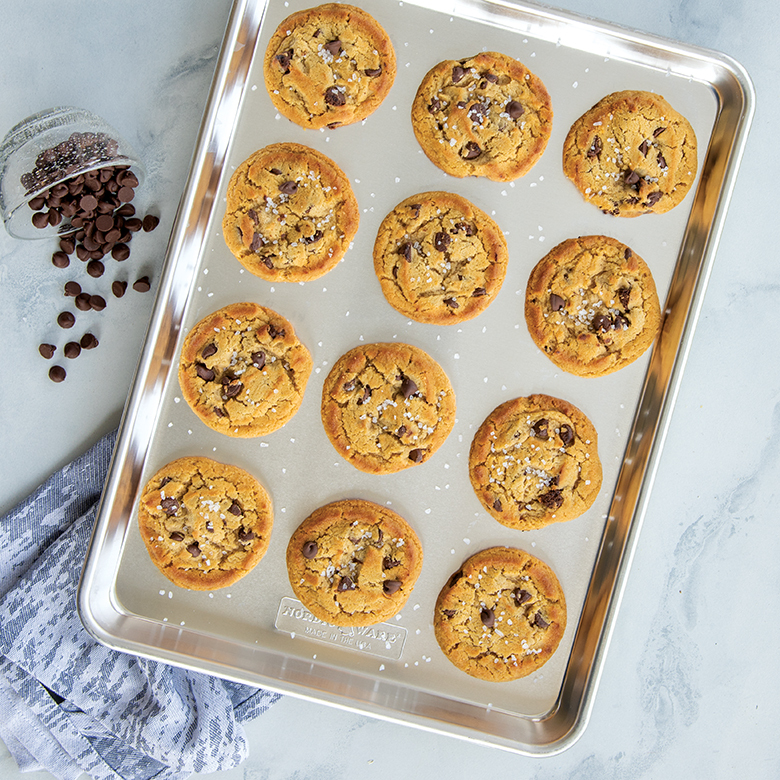
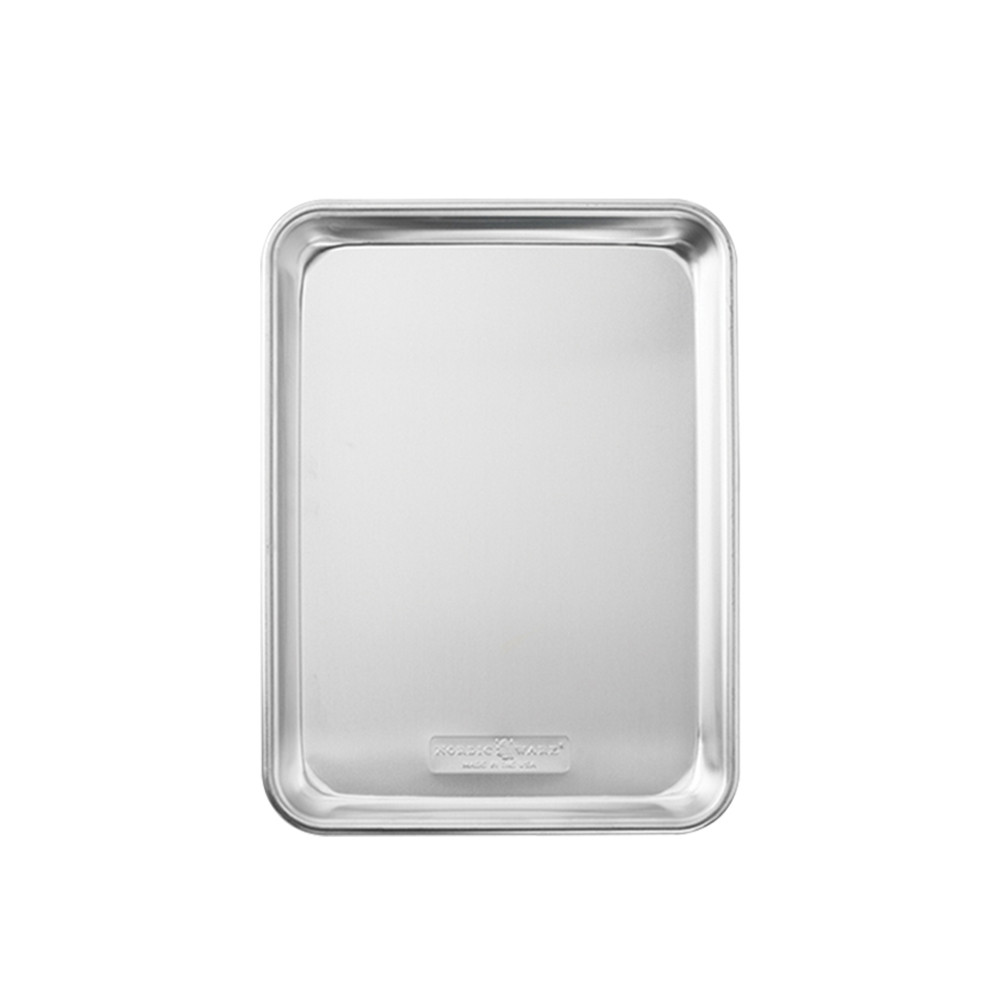
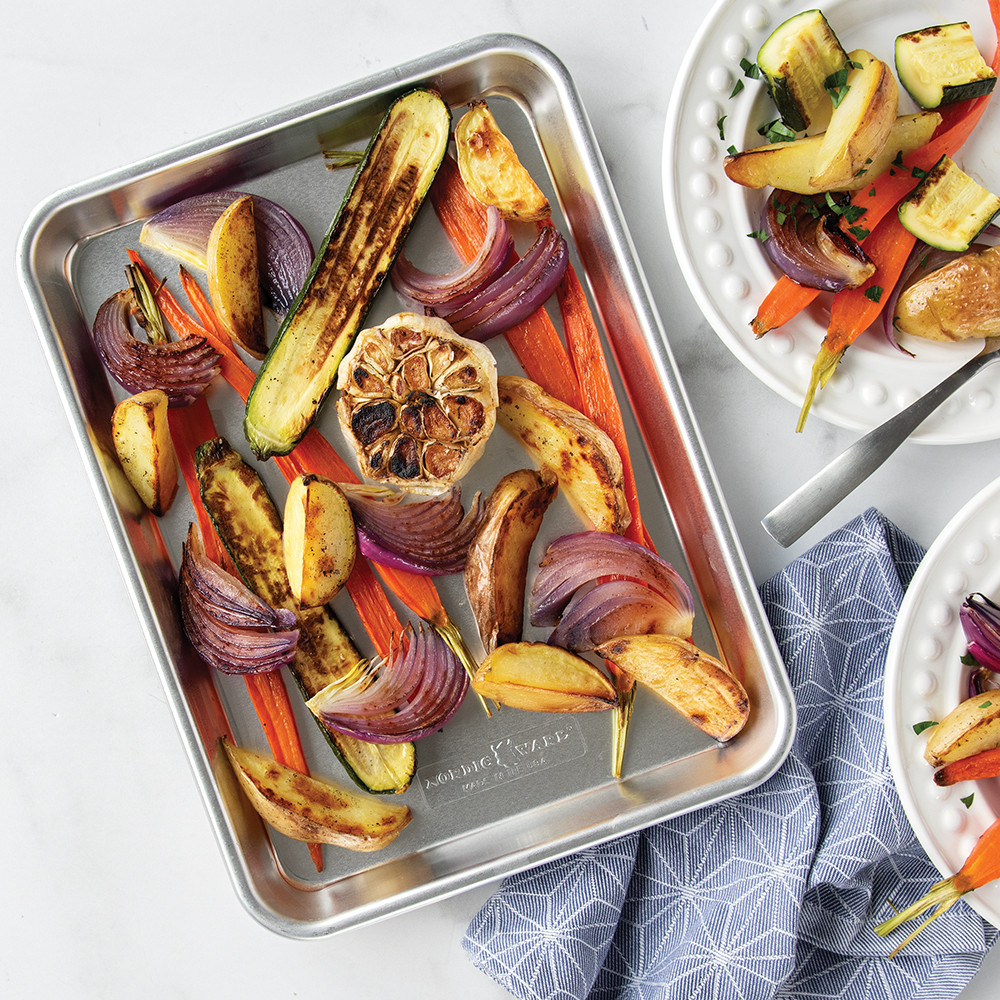
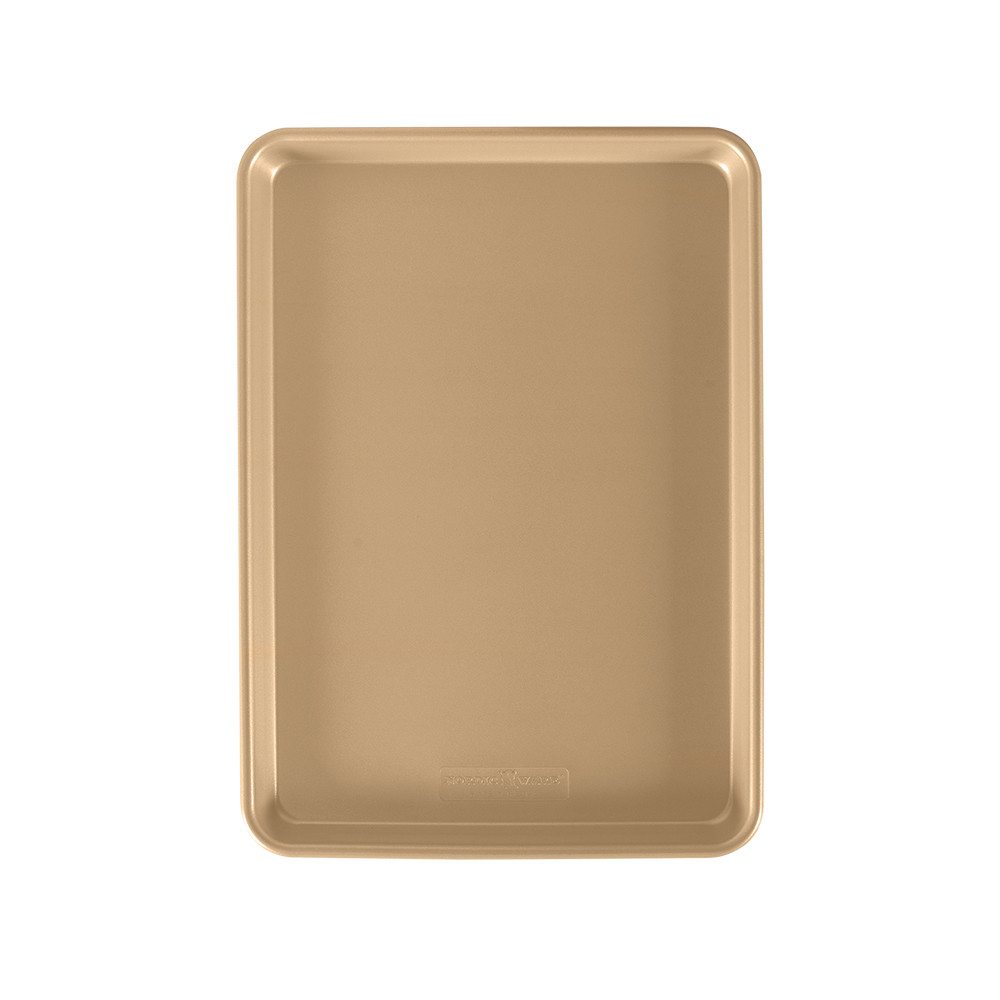
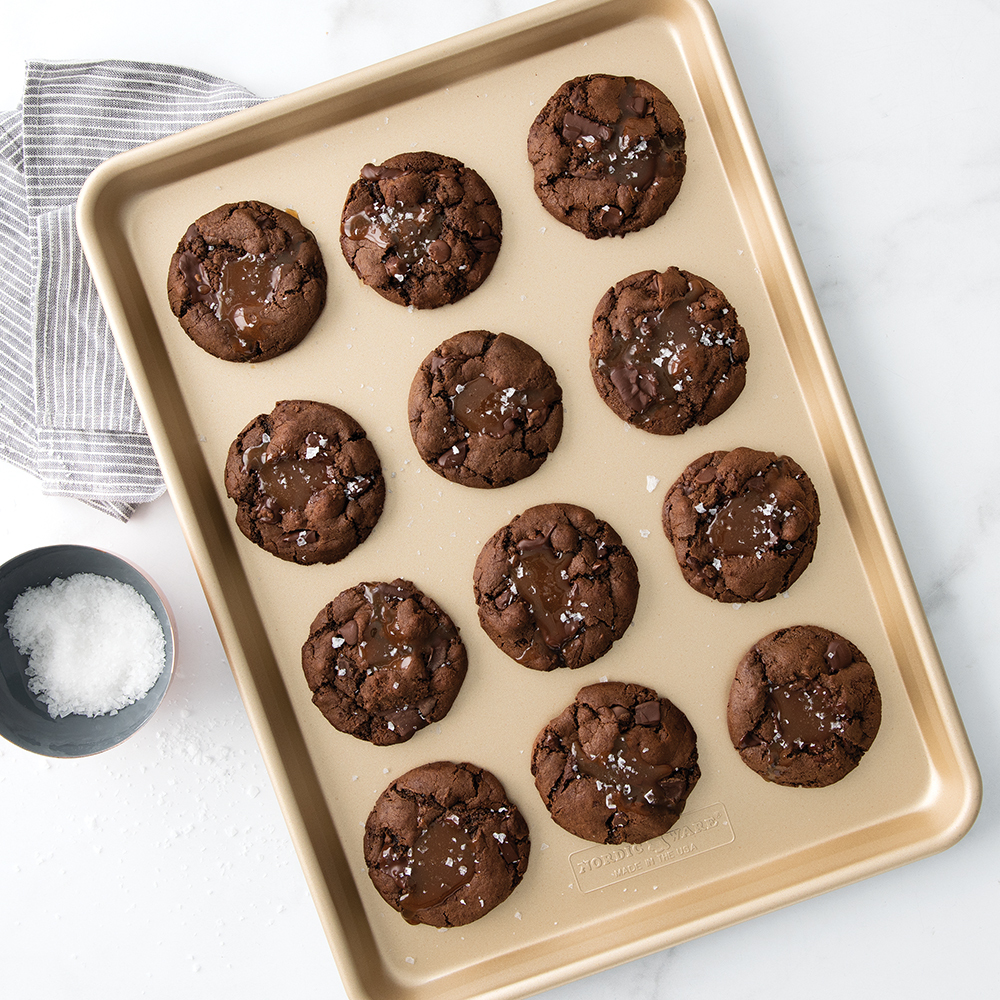
Naturals® Baker’s Half Sheet Pan
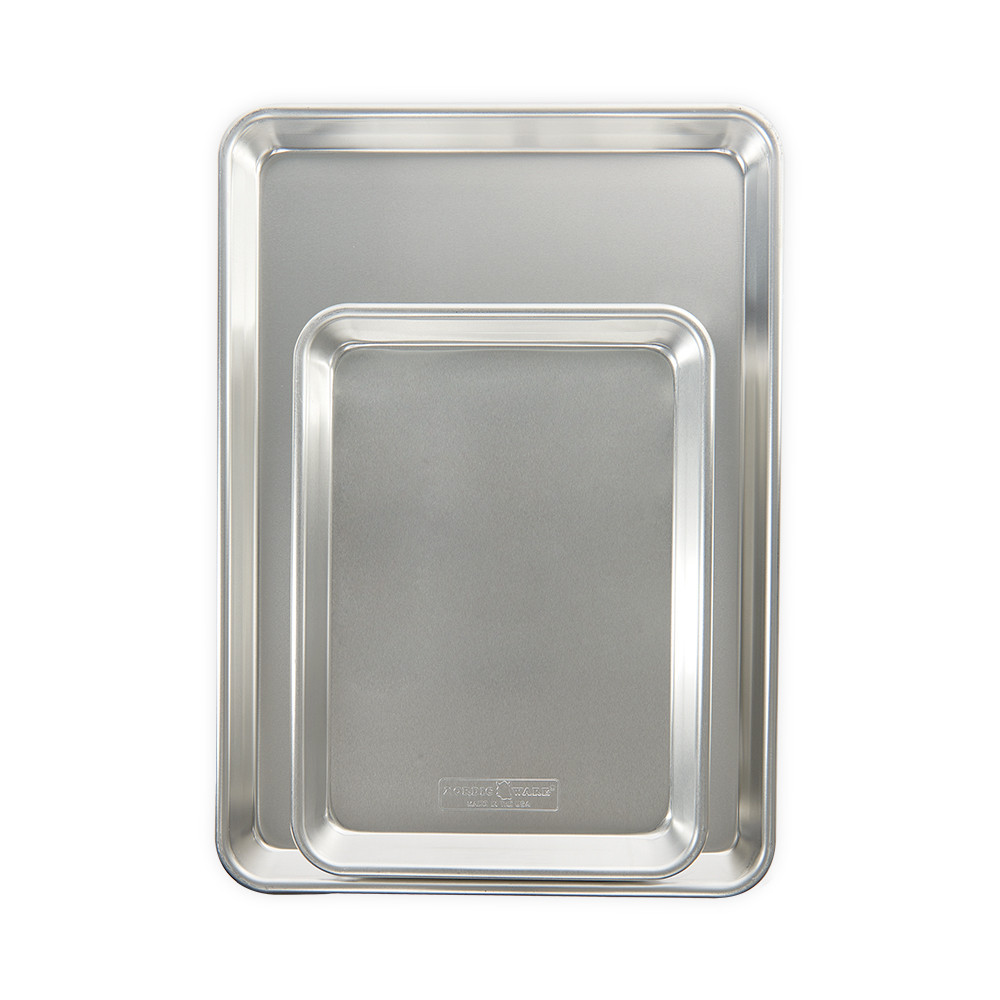
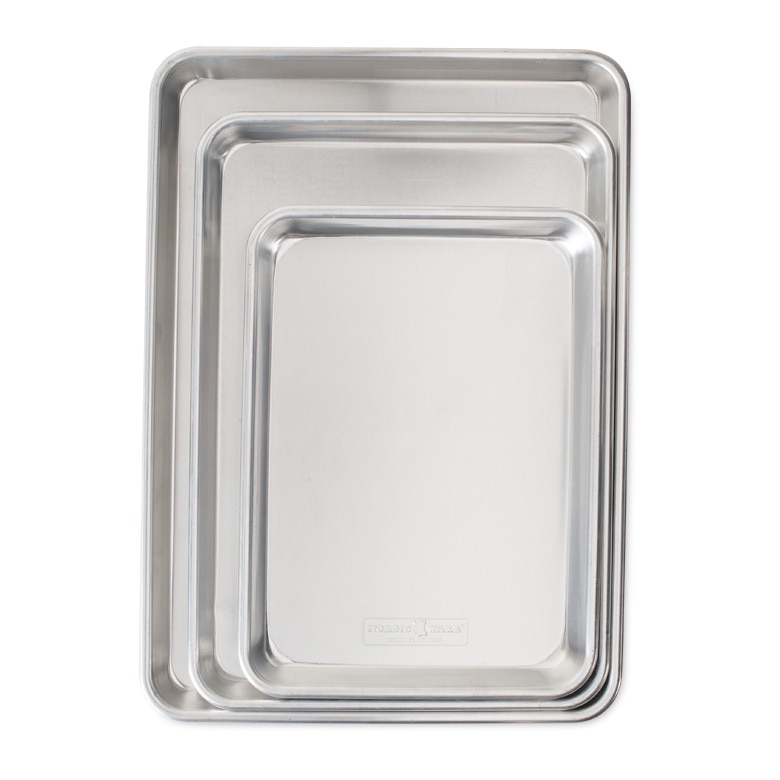
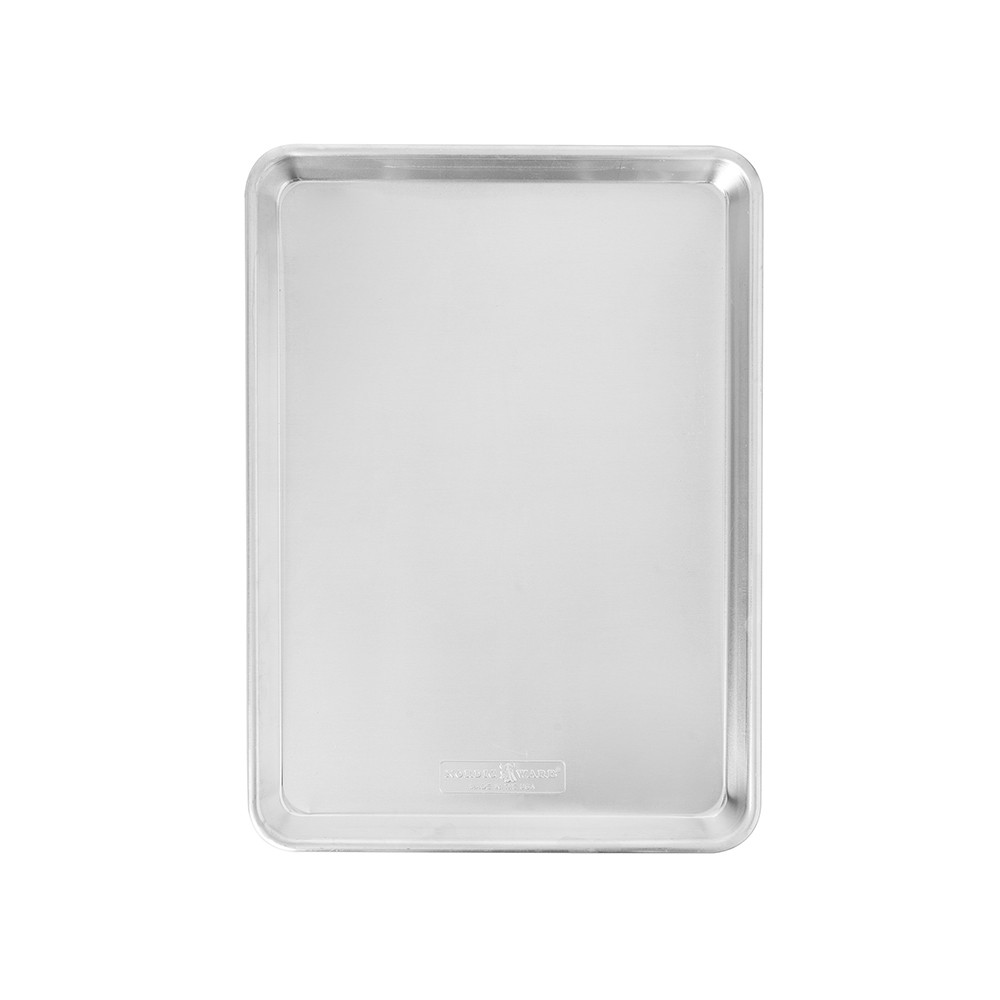
Made of pure aluminum with reinforced steel rims, this is the gold standard for the Toast Test. Its size lets you cover plenty of surface area with bread slices, giving you the clearest oven map.
Naturals® Quarter Sheet Pan
Perfect for smaller ovens or toaster ovens. Same construction as the half sheet, but in a compact format that still reveals valuable results.
Naturals® Nonstick Half Sheet Pan
Easy cleanup after the Toast Test (and everyday baking). The nonstick surface releases bread or cookies with zero fuss.