Why Is My Cake Burnt on the Outside but Raw in the Middle?
You followed the recipe. You preheated the oven. You even resisted opening the oven door a hundred times. But when you finally took your cake out… the outside was practically scorched, and the middle was still gooey enough to be batter. What gives?
Don’t worry you’re not cursed, and your oven isn’t plotting against you. This frustrating baking fail is surprisingly common, and it usually comes down to a few fixable issues like oven hotspots, pan problems, or even too much butter (yes, that’s possible!).
We’re diving into all the reasons your cake might be turning into a crispy-on-the-outside, raw-on-the-inside mystery and how to fix it so your next bake is fluffy, golden, and fully cooked all the way through.
Table of Contents:
- Why is my cake burnt on the outside and raw in the middle?
- Reliable pans that help cakes bake evenly
- How to know if your cake is undercooked
- Is the cake salvageable?
- How to prevent cakes from burning on the outside and staying raw in the center
Why is my cake burnt on the outside and raw in the middle?
There are lots of reasons that a cake may end up burnt on the outside and raw in the middle; and, unfortunately there aren’t a lot of ways to fix this issue when it happens (there are some!). But, by keeping a few things in mind, like heat and baking pan material, you can prevent this from the moment the cake enters the oven.
The oven temperature is too high
The most common reason a cake will be burnt on the outside and raw in the middle is the oven temperature. When your oven is set too high or is running hotter than it claims it causes the outside of the cake to set and brown quickly while the interior is still raw batter. Heat rushes in from the outside edges, rapidly cooking or even burning the surface before the center has had time to gently rise, set, and cook through.
What’s one sign the oven is too hot for your cake? It will dome excessively or crack on top early in the bake, so keeping a sharp eye is key. Using an oven thermometer can also help ensure your oven is running at an appropriate temperature and will allow your cake to bake at the perfect temperature.
The oven has “hot spots”
Along the lines of the oven being too warm for the cake are hot spots. Oven hotspots are areas inside your oven that get hotter than others, even if the temperature dial says it’s evenly heated. This means some parts of your cake might be getting blasted with more heat than others. Some reasons for this can be old, uncalibrated ovens or faulty equipment inside the oven. To check for hot spots, use the bread test.
Baking your cake on the wrong rack
Most ovens have three rack positions: top, middle, and bottom. If you place your cake too high, the top of your cake may brown or burn before the inside is done. Placing it too low may overbake or burn the cake while the center stays raw. The best spot in the oven for a cake is the middle rack. Why? Because it is the spot where the heat circulates most evenly, giving your cake the best chance to bake through without scorching.
Using an uneven baking pan
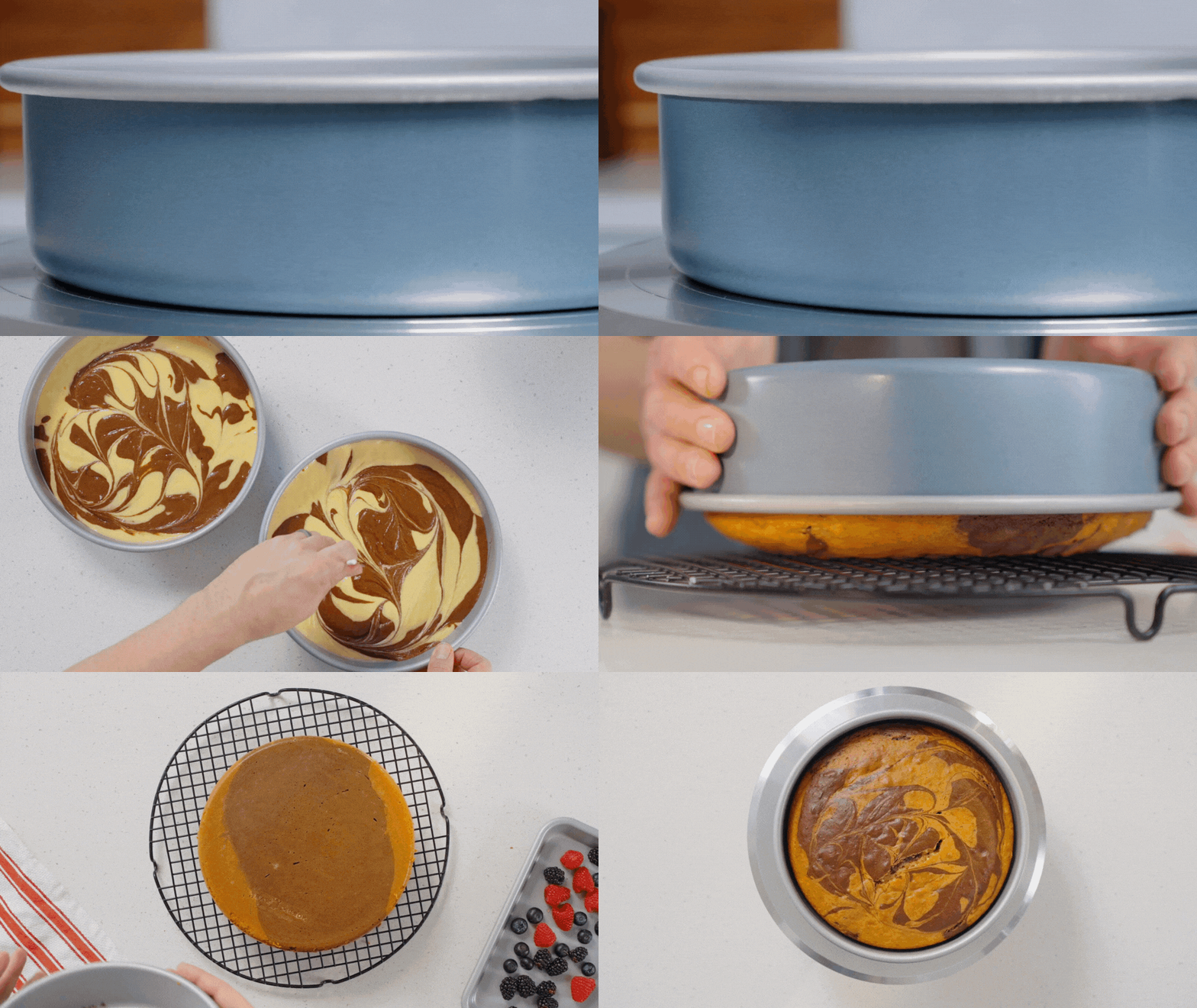
An uneven or poor-quality baking pan can definitely contribute to a cake that’s burned outside and raw in the middle. If your pan is warped, it won’t sit flat in the oven. This causes the batter to bake unevenly, one side might get more direct heat, leading to a burnt edge while the other side stays undercooked. Thin pans heat up quickly and can cause the outside of the cake to brown too fast, before the middle has had time to cook through.
There’s too much oil, butter or other fat in the recipe
Fats like butter, oil, or shortening play a key role in moisture and texture, but too much of a good thing can throw off the balance. Extra fat slows down baking while also speeding up browning. So, while the outside is getting that golden or burned crust quickly, the inside is lagging behind in doneness. Be sure to measure carefully and follow the fat-to-flour ratio in the recipe for the best results.
Using the wrong cake pan
You may think that a cake pan is just a cake pan, right? Using the wrong cake pan can also prevent your cake from cooking properly. For example, dark metal absorbs more heat, which can cause the outside of your cake to cook too fast and even burn especially if the oven is running hot or has hotspots. Glass or ceramic pans are another one to watch. These materials retain heat differently than metal. They often bake more slowly and can lead to underbaked centers if you don’t adjust the temperature or baking time.
Additionally, using the wrong size or shape of pan can cause a cake to be burnt on the outside and raw in the middle. To avoid this, stick to the recommended pan size and shape; however, if you do need to make a swap, keep the same volume and similar depth as what the recipe calls for. Adjust baking times if possible for the best result.
Reliable pans that help cakes bake evenly
The pain point here is inconsistent baking: Cakes that are burnt on the outside but raw on the inside, which is incredibly frustrating, especially when you’ve followed the recipe to the letter. But it’s not you, it’s your bakeware! These products are designed to solve the problem by eliminating the guesswork and delivering reliable, even baking—and will turn frustration into cake success.

You are not logged in.
Log in | Create Account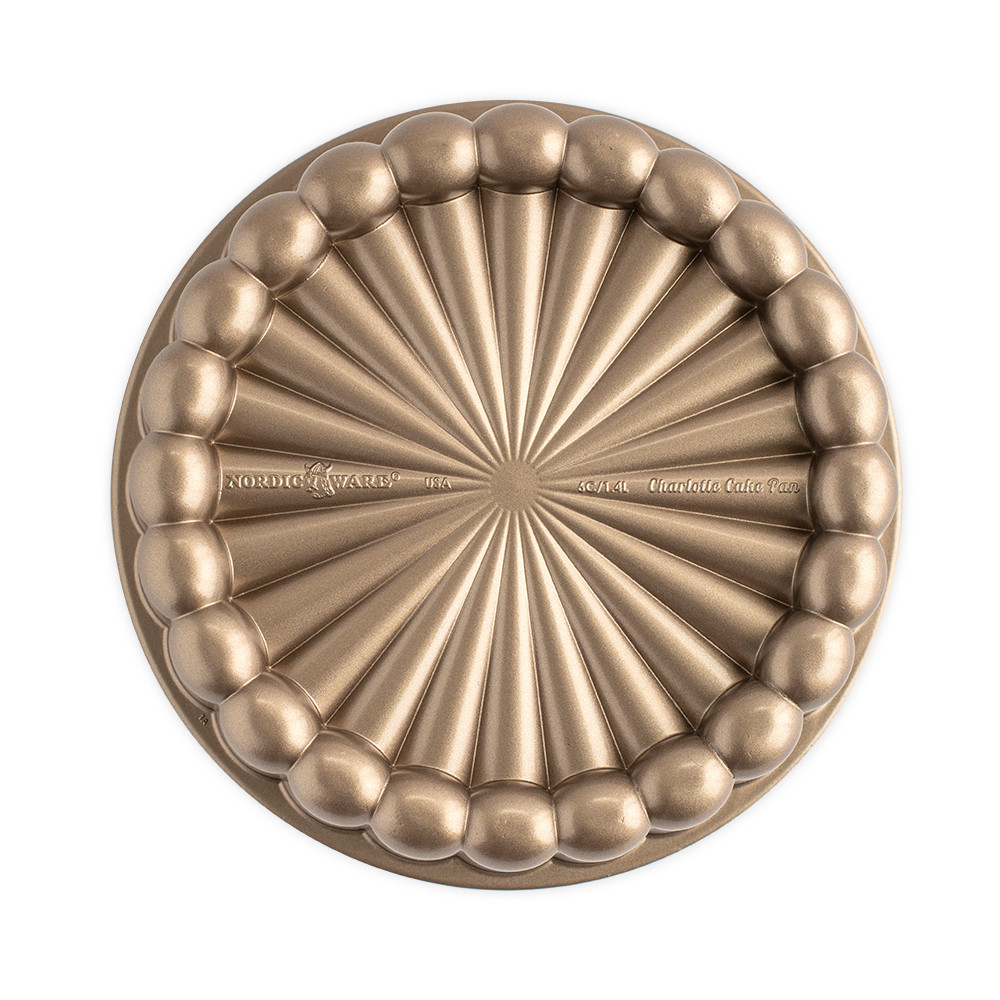
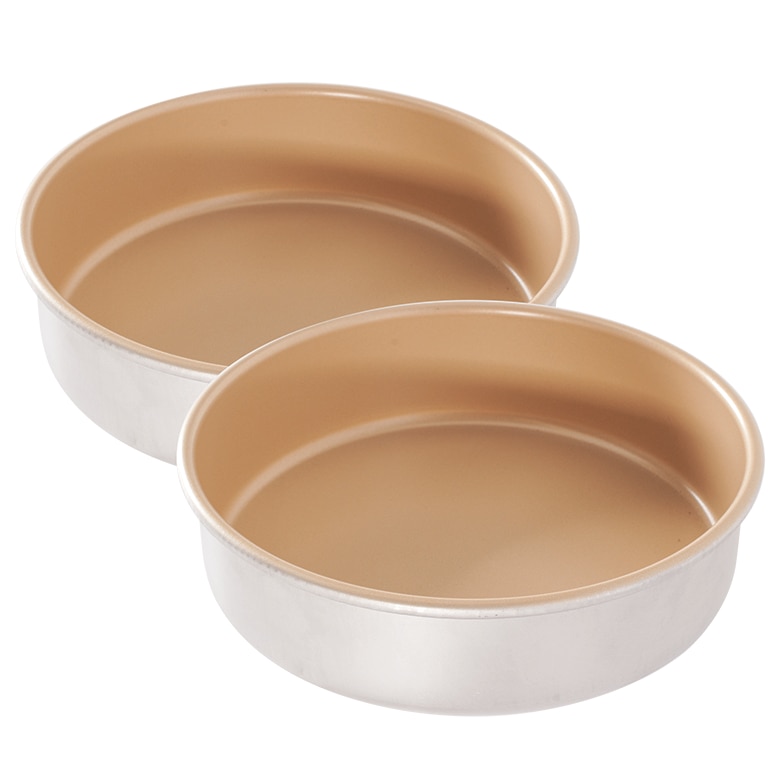
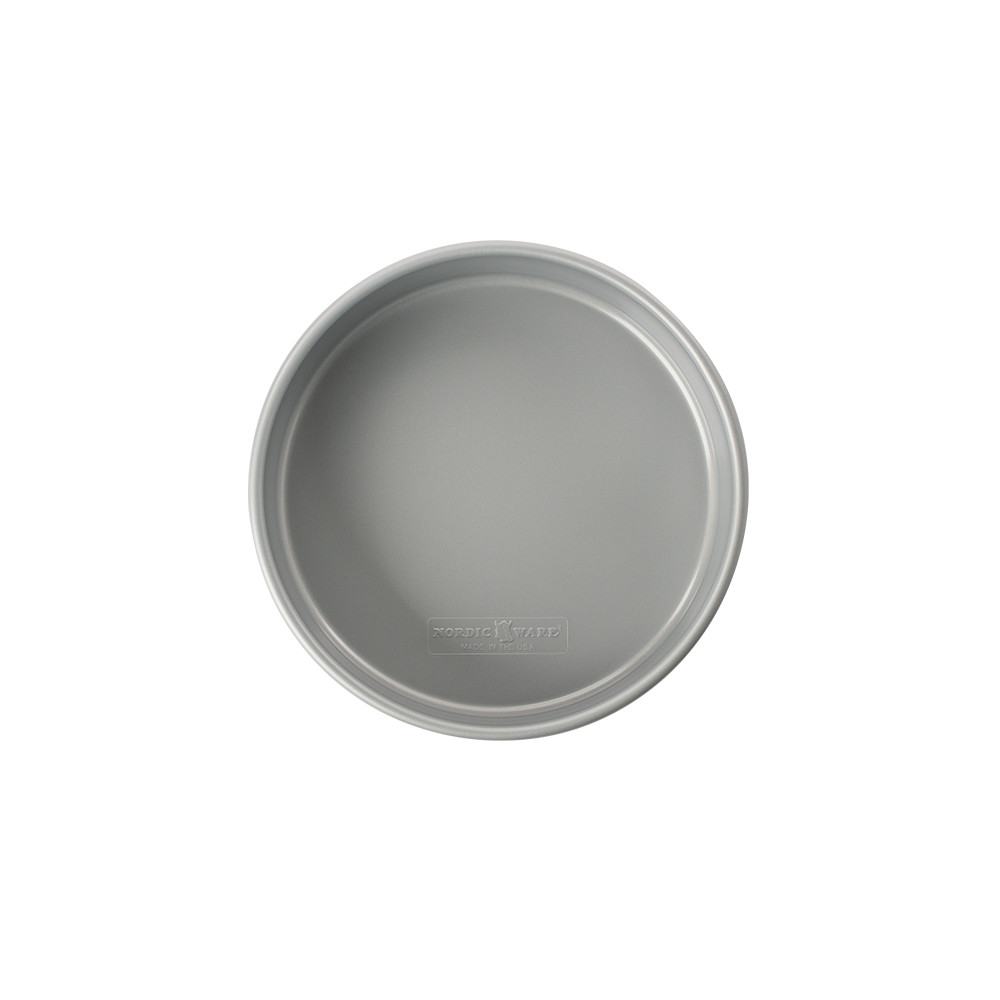
Brilliant Bakeware Nonstick 9 Inch Round Cake Pan
Burnt edges and raw centers? Your pan might be the problem, not your skills. The Brilliant 9” Round Pan is made from pure aluminum for even baking and has a nonstick coating that actually works—no more cake extractions with a butter knife. It’s cute and tough, with a steel rim that keeps it from warping and no sketchy chemicals in sight. Oven-safe up to 425°F and made in the USA by a family-owned company, it’s basically your cake’s new best friend.
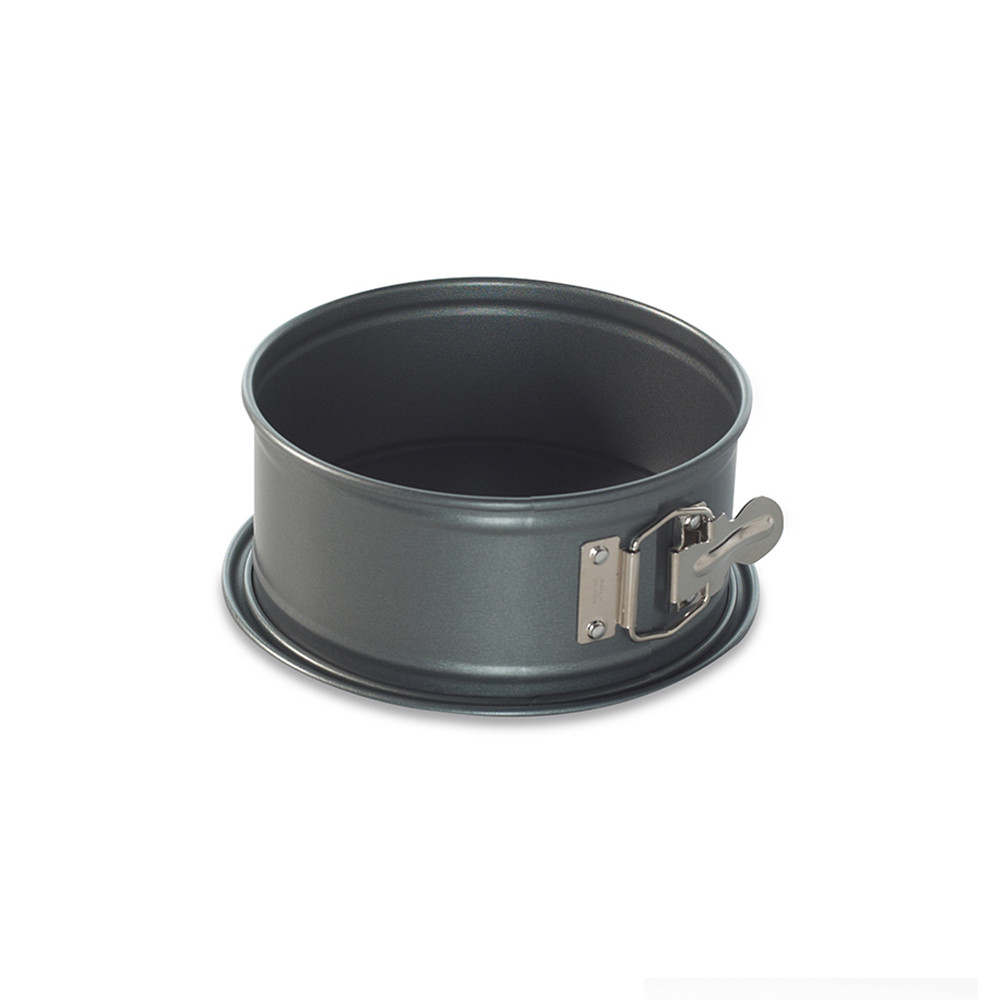
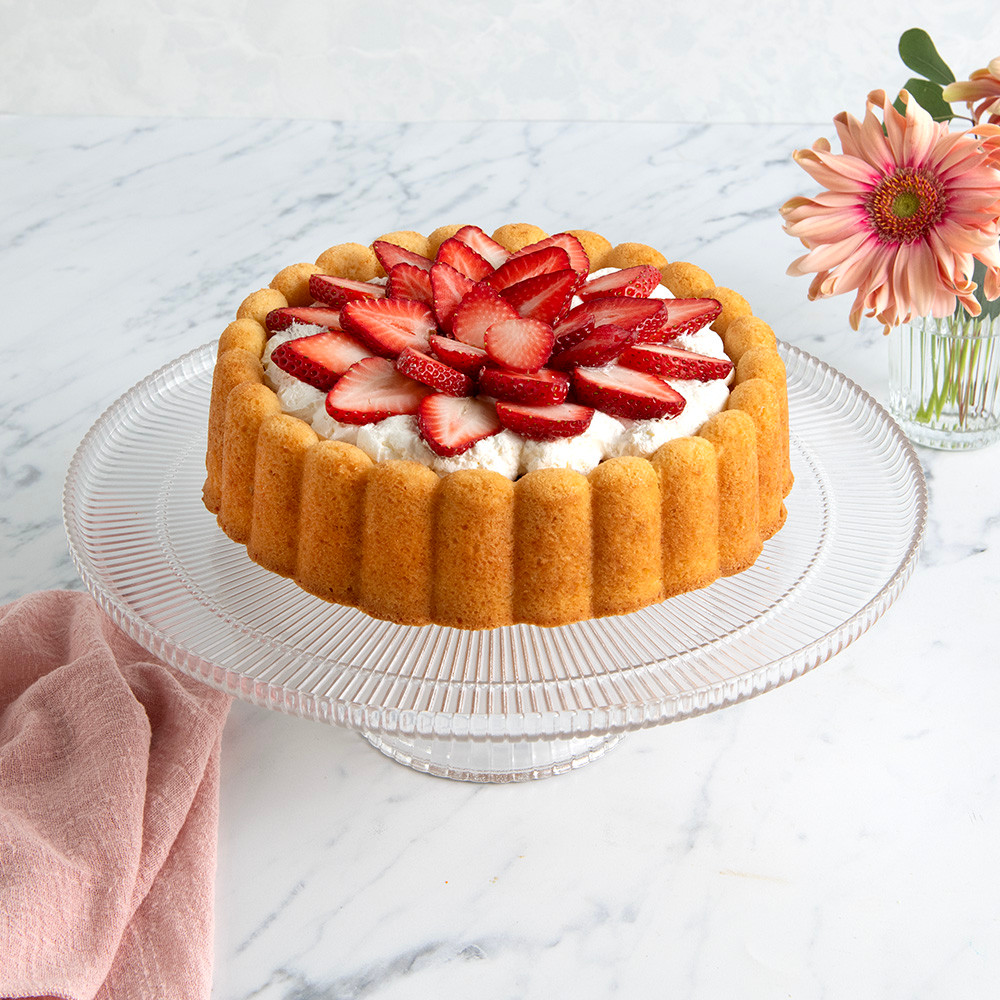
Charlotte Cake Pan
For even, consistent bakes and elegant presentation, the Charlotte Cake Pan is a classic you’ll reach for time and time again. Made of cast aluminum, it heats your batter evenly for a crisp, golden crust and a tender center every time. Its premium nonstick coating ensures clean edges and beautiful detail with every release. Whether you’re whipping up a simple coffee cake or trying a vintage-inspired recipe, this pan makes every bake look effortlessly impressive.
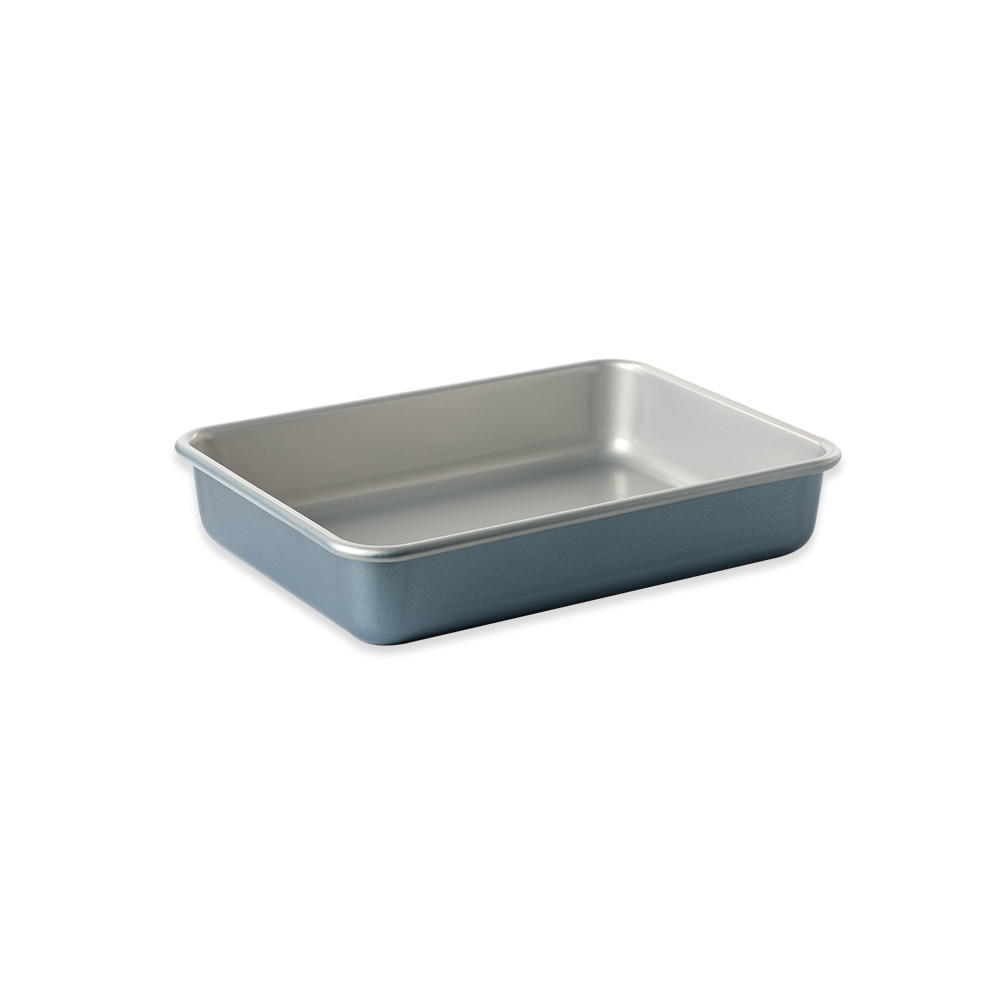
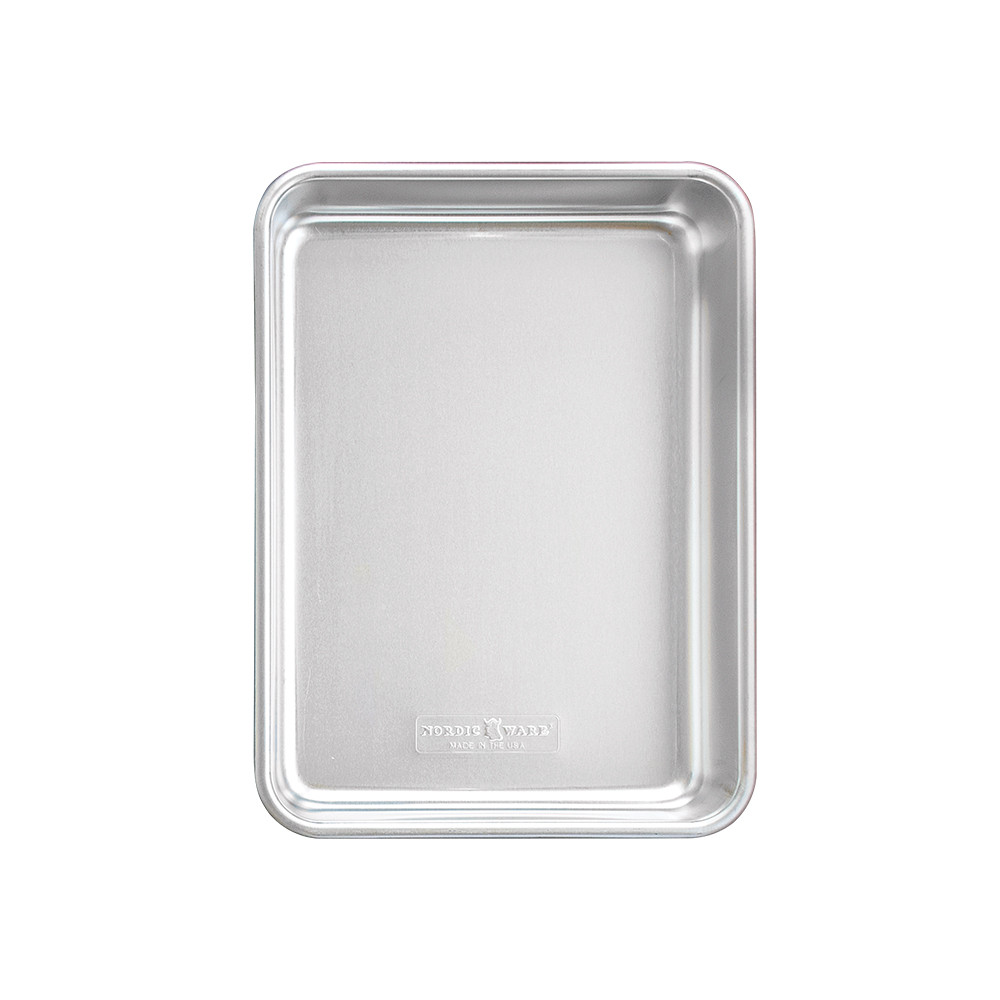
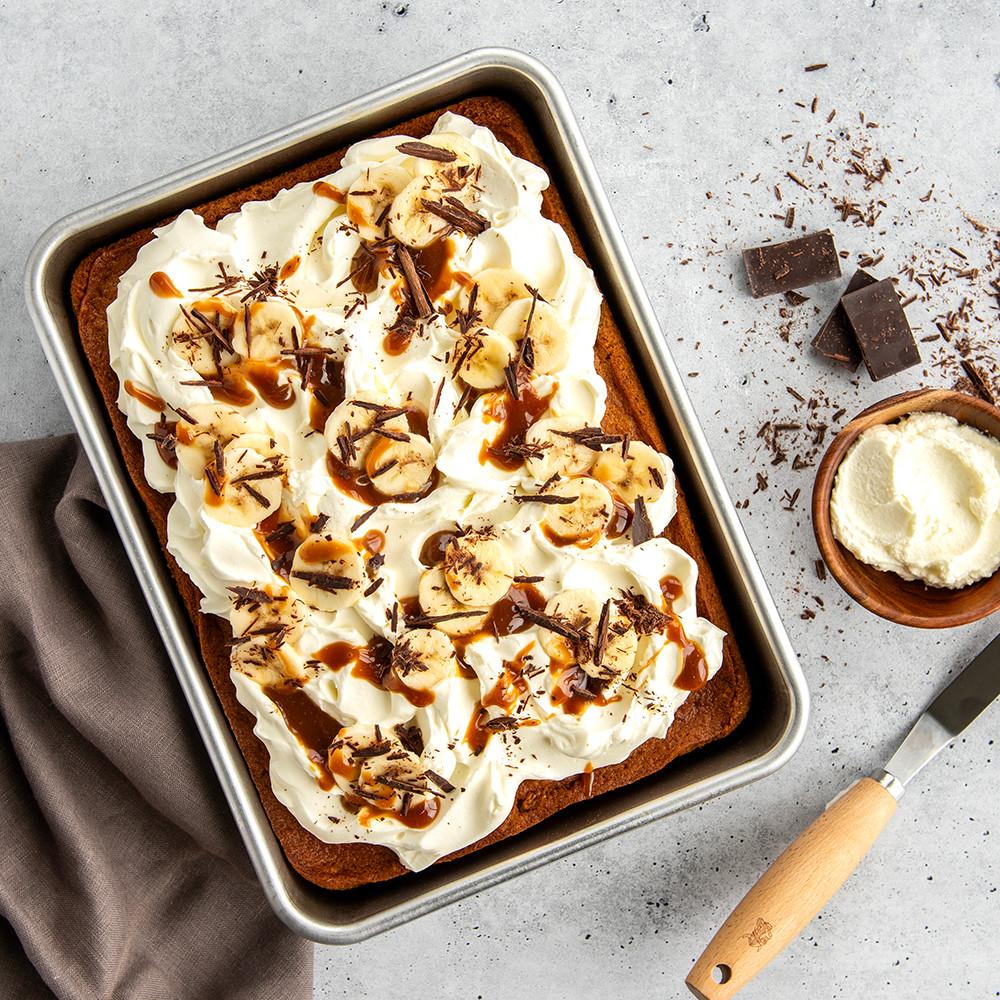
Naturals® 9″ x 13″ Rectangular Cake Pan
Everyone needs a solid 9″ x 13″ cake pan—it’s basically the MVP of bakeware. Pro bakers use aluminum pans for a reason: they bake evenly, don’t warp, and don’t mess around with rust. Our Naturals® Bakeware Collection is made from pure aluminum, so you get those same professional results at home. Whether you’re baking brownies, sheet cake, or lasagna (we see you, multitaskers), this pan’s got your back. It’s simple, sturdy, and built to last—just like every go-to kitchen tool should be.
How to know if your cake is undercooked
Even if the top looks golden and the edges are pulling away from the pan, your cake might not be fully baked. There are a few ways to make sure the cake is cooked through, including:
- The toothpick test: Place a toothpick in the middle of your cake. If it comes out clean, the cake is done. If it has wet batter on it, the cake is undercooked.
- Wiggle it, just a little bit: A simple test is to simply jiggle your pan a bit. If the middle wobbles or jiggles, it needs more time.
- Take a hard look: Sometimes, all you need are your eyes to tell you the cake isn’t finished. If the edges look firm but the middle of the cake is sunken in, then the cake hasn’t fully cooked. This is a sign that the outer parts have baked too fast (or the pan was too small), and the middle hasn’t set yet.
- Sticky business: If your cake doesn’t pull away from the slides cleanly and is still a bit stuck, that is a telltale sign that the cake has not yet finished baking.
- Use technology: If you have a thermometer on hand, using that to measure the temperature is pretty much a no-fail way to see if your cake has finished cooking.
Is the cake salvageable?
Whether or not the cake is salvageable depends on a few factors. If the cake is only slightly burnt or just a little underbaked in the center; but there may be cases in which your hard work may need to take a new direction. Depending on the damage, you might still have a shot at redemption.
If the outside is already overbaked or burnt, it will keep cooking in the hot pan, so getting it out is the first step. However, if the middle is still too unstable to lift it, let the cake continue to cool in the hot pan until it firms up. Then let it cool on a cooling rack. From there, use a serrated knife or microplane to carefully shave off the burnt edges or crust—top, bottom, or sides—and then you will want to prepare the cake for another stint in the oven. (Albiet it a bit differently this time and only if the cake isn’t a soupy mess in the middle.)
- Wrap the sides in foil to protect them from more browning
- Return the cake to the oven at a lower temperature (around 300°F / 150°C).
- Bake in 10-minute intervals, checking the center with a toothpick or thermometer.
If too much of the cake is too far gone, get creative with the remainder. Perhaps turn them into cake pops, crumbles for ice cream or a trifle if you have enough leftover. No reason to let good cake go to waste.
However, the first step to ensuring your cakes bake evenly is to invest in high-quality bakeware, especially cake pans. Because, spoiler alert: the secret to a perfect cake starts in the shopping cart, not the oven.
How to prevent cakes from burning on the outside and staying raw in the center
We’ve all been there excited to dig into a homemade cake, only to find the outside’s burnt and the middle is still raw. It’s frustrating, but don’t worry! Most of the time, this happens because of a few easy-to-fix things like where you put the cake in the oven, what kind of pan you use, or how hot your oven actually is.
Lower the oven temperature slightly
When your oven is too hot, the outside of the cake cooks and often burns way faster than the heat can reach the center. That means the edges get overdone while the middle stays raw or gooey.
Lowering the oven temperature gives the heat more time to slowly and evenly work its way through the whole cake. Instead of rushing the outside to a crisp, the gentler heat lets the center cook fully without burning the edges.
Some bakers swear by putting their cake pan in the oven as it preheats. Why? Because this allows the pan to warm up gradually along with the oven. When the pan heats slowly, it helps the cake batter cook more evenly from the start.
If you put a cold pan into a fully preheated, hot oven, the edges of the batter that touch the pan heat up quickly and start cooking faster than the center. This can cause the outside to burn or brown too much while the middle lags behind, still raw.
Another tip starts where the baking ends in the cleanup process. If you rinse or wash a hot pan immediately after baking, the sudden temperature change can warp or damage it over time. Warped pans don’t sit flat and cause uneven heat distribution, which leads to hotspots and uneven baking, burnt outside, raw inside, sound familiar?
So, letting your pan cool before washing helps keep it in good shape, ensuring it continues to bake your cakes evenly and prevents that frustrating burnt/raw combo.
Place the cake on the center rack
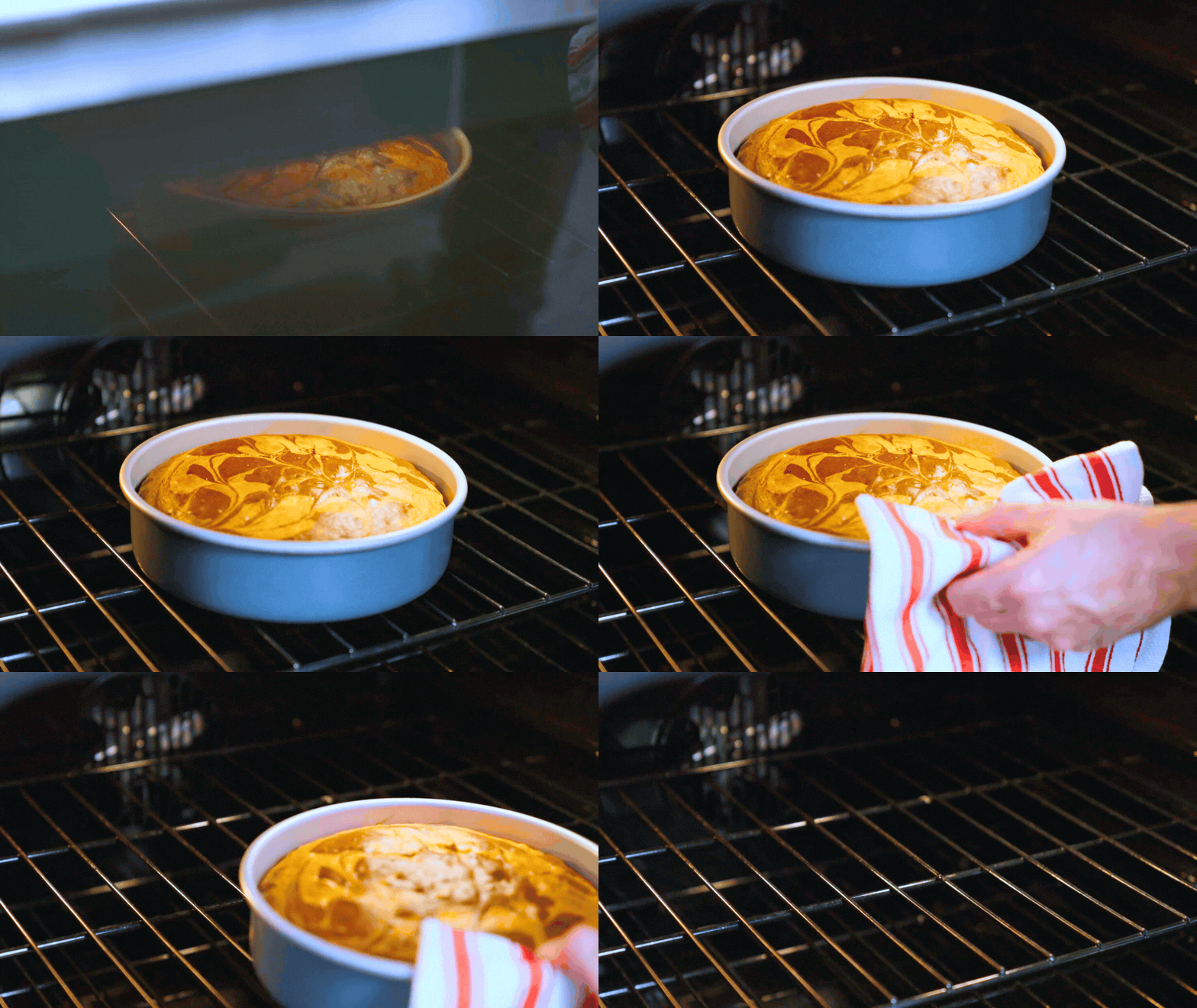
The center rack is usually the sweet spot in your oven. It’s right in the middle, so your cake gets the most even heat from all sides top, bottom, and around. By placing the cake on the center rack, you give it the best chance to bake evenly, so the outside doesn’t burn while the inside finishes baking properly.
Know your oven’s hot spots
By getting to know where your oven’s hot spots are, you can adjust your cake’s position or rotate the pan halfway through baking. This helps make sure heat is distributed more evenly, giving you a beautifully baked cake all the way through no more burnt outsides and gooey middles.
To prevent this, keep an eye on your cake. If one side seems to be browning more than the other, open the oven and rotate the cake pan 180 degrees so the less-browned side moves to the hotter spot. This simple move evens out the baking, preventing one edge from burning while the center stays raw. Over time, you might also mark the hot spots in your oven and avoid placing your cakes there from the start.
Check your oven’s accuracy
Ovens aren’t always as honest as we want them to be sometimes they run hotter or cooler than what the dial says. That sneaky difference can be the culprit behind burnt edges or a raw center.
To keep things real, grab an oven thermometer and pop it inside your oven. Preheat to the temperature your recipe calls for, then check what the thermometer says. If it’s off by even 10 or 20 degrees, adjust your oven settings accordingly. For example, if your oven says 350°F but the thermometer reads 370°F, turn the dial down to around 330°F to bake your cake more evenly.
Use the correct pan size and material
Using the wrong pan can totally mess with your cake’s baking. A pan that’s too small makes your batter too deep, so the outside cooks way faster than the middle. Too big, and your cake might spread too thin and dry out. Plus, the material matters. Dark pans absorb more heat and can cause faster browning, while light-colored pans reflect heat for a gentler bake. Here’s a quick fix: Always check the recipe’s recommended pan size, and if you’re swapping pans, try to match the volume and shape as closely as possible.
Use high-quality bakeware that allows even baking
Cheap or thin bakeware might save you a few bucks, but it can lead to uneven heat distribution. Hello, burnt edges and raw middles! High-quality pans, especially those with thicker, heavy-duty materials, help spread the heat more evenly so your cake bakes nice and consistent all the way through. Pro tip: If you’re serious about baking, invest in a good set of cake pans and avoid those flimsy ones that warp or heat unevenly.
Commercial kitchens use high-quality, heavy-duty pans that distribute heat evenly and stand up to constant use for the perfect result every time. These pans help chefs avoid those annoying burnt edges and raw centers you sometimes get at home. But, they don’t have to break the bank! There are plenty of affordable, quality pans made from heavy aluminum or steel that home bakers can snag online or at kitchen stores. Investing in just one or two good pans can seriously level up your baking game without emptying your wallet.
Set your cake up for success and shop Nordic Ware cake pans
Want to give your cake the best possible shot at turning out perfectly? It all starts with the right gear. Nordic Ware cake pans are a favorite among bakers for a reason. They’re built tough, heat evenly, and hold up bake after bake without warping. Investing in a good-quality pan like Nordic Ware means your cake will bake more evenly, helping you avoid those frustrating burnt edges and raw centers. So, if you’re serious about baking, treat yourself (and your cake) to a Nordic Ware pan. It’s a game changer!
Shop Nordic Ware cake pans here.