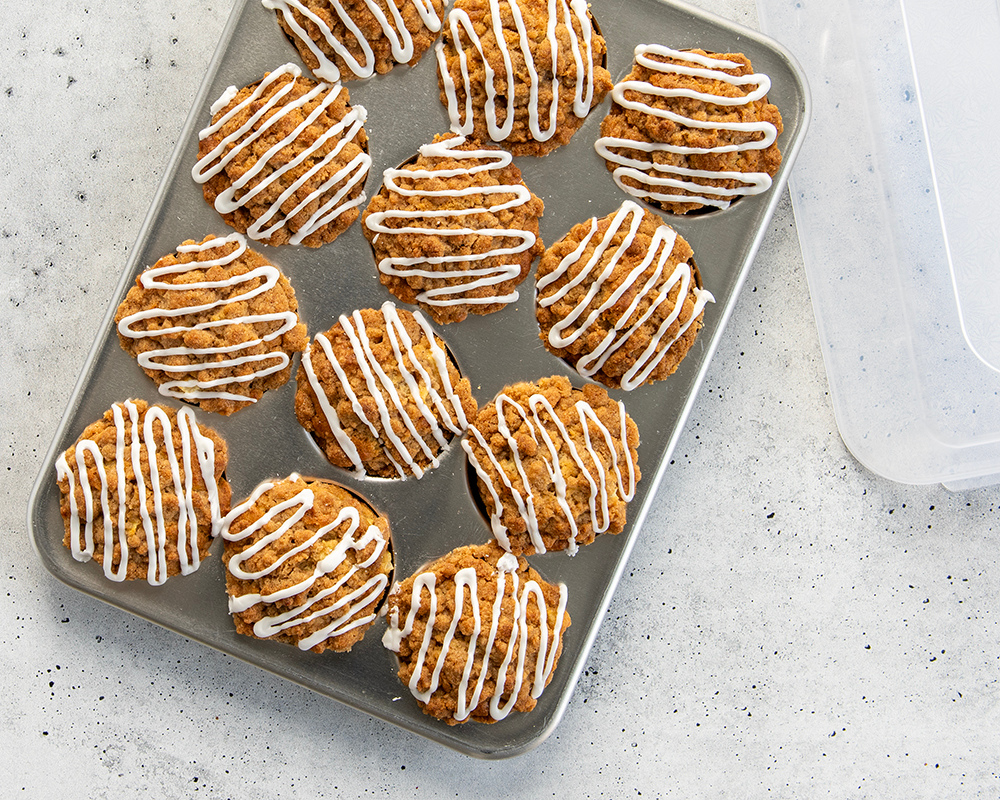

Flat Muffins? Here’s Why It Happens and How to Prevent It
You followed the recipe exactly measured the flour, didn’t overmix, even preheated the oven like a responsible adult and yet your muffins emerged looking like deflated little regrets. No domes. No rise. Just sad, sunken muffin stumps staring back at you like, “We tried, okay?” It’s one of baking’s greatest betrayals, and it happens to everyone, even the pros.
But here’s the truth: Muffin height isn’t magic, and it’s definitely not luck. It comes down to a handful of deceptively small details—oven temperature, leavening strength, batter consistency, even the type of pan you’re using. One tiny variable out of place, and your muffins give up halfway through baking. The good news? All of these issues are fixable once you know what to look for.
So don’t toss your whisk in frustration just yet. Your muffin domes can be tall, proud, and bakery-worthy. You just need a game plan and maybe permission to stop blaming yourself for what was actually your oven’s fault.
In this guide, we’ll walk through why your muffins are flat and how to fix it for good.
Table of Contents:
- Understanding Why Muffins Go Flat
- 6 Common Muffin Baking Mistakes
- Tips for Fluffier, Taller Muffins
- Bakeware and Tools That Help Muffins Rise
- FAQs About Flat Muffins
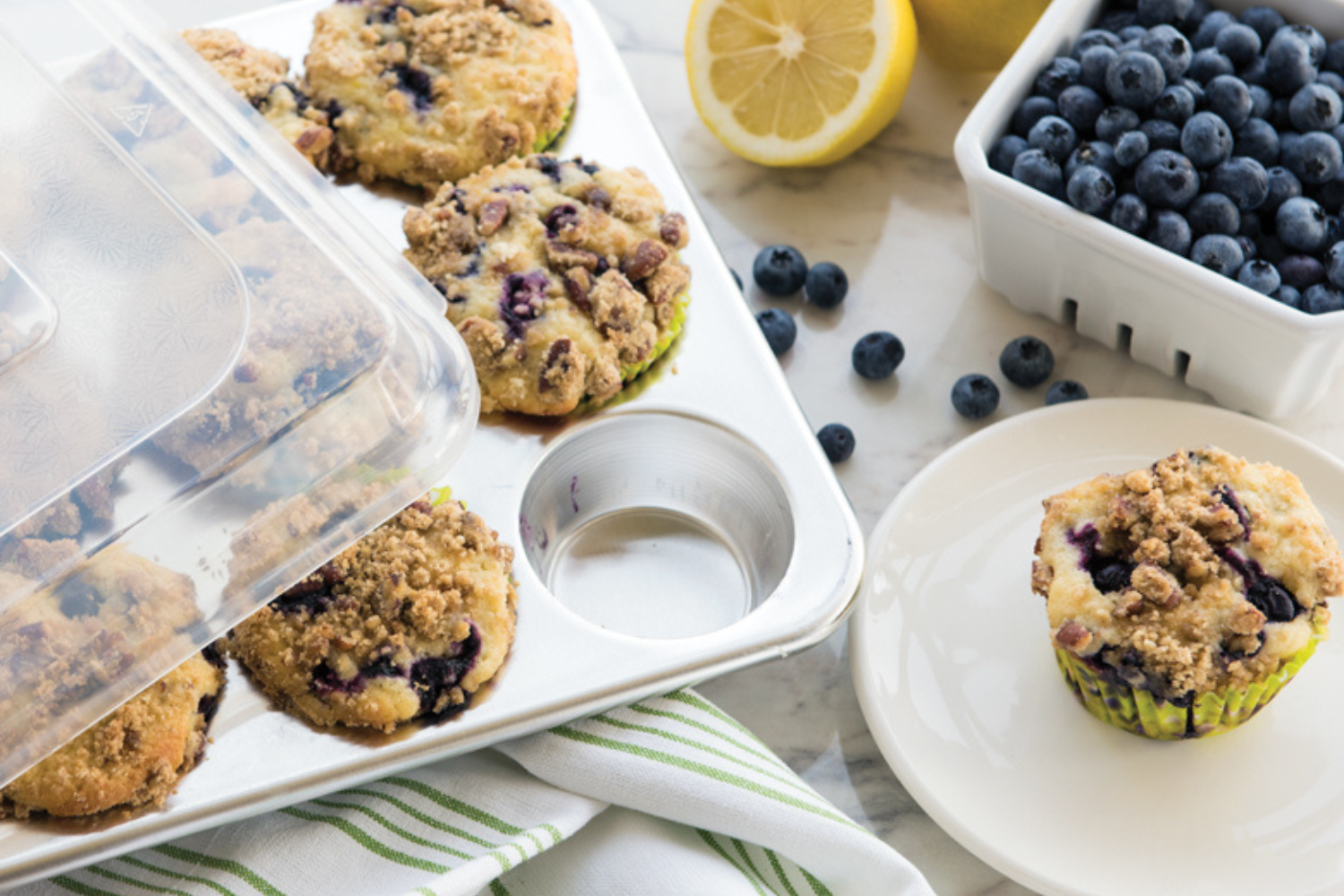
Understanding Why Muffins Go Flat
Muffin lift is all about chemistry specifically the tiny, invisible chain reactions happening between your leaveners, your batter structure, and your oven temperature. When everything’s in balance, muffins rise tall and proud. When even one element misbehaves, the whole batch can collapse like a poorly constructed tent.
What Makes Muffins Rise in the First Place?
Muffins rely on chemical leaveners—baking powder and baking soda—to create air bubbles that expand in the heat of the oven. Eggs and gluten give the batter enough structure to hold those bubbles in place, while fats and moisture keep the crumb tender.
Then comes the “oven spring” moment: That magical burst of rise during the first few minutes of baking. If the ingredients and temperature are aligned, your muffins soar. If not? Hello, flat town.
When in the Process Things Typically Go Wrong
The trouble usually starts before your batter even reaches the pan. Overmixing knocks out air. Letting the batter sit too long before baking can weaken the leavening. Underfilling or overfilling the muffin cups throws off the rise. And don’t forget temperature. Cold ingredients and a lazy oven can sabotage your muffins before they’ve even had a chance to puff up.
6 Common Muffin Baking Mistakes
Even the most confident, apron-wearing, recipe-following bakers fall into these muffin traps often without a single clue that it’s happening. Muffins look simple, but they’re petty little perfectionists, and one wrong move can turn your beautifully domed dreams into flat, sunken compromises. If your muffins keep coming out sad and stump-like, one of these sneaky mistakes is almost definitely the culprit.
Overmixing the Batter
Overmixing develops too much gluten, which means dense, tough muffins with no room to rise. Think rubbery texture meets sadness.
Incorrect Leavening Ratios
Too little baking powder or soda means no lift. Too much, and the muffins rise fast, then collapse dramatically. Precision isn’t optional here it’s everything.
Batter Too Wet or Too Thin
If your batter is watery or overly loose, it simply can’t hold its shape. The muffins might rise briefly, but they won’t have the structure to stay lifted.
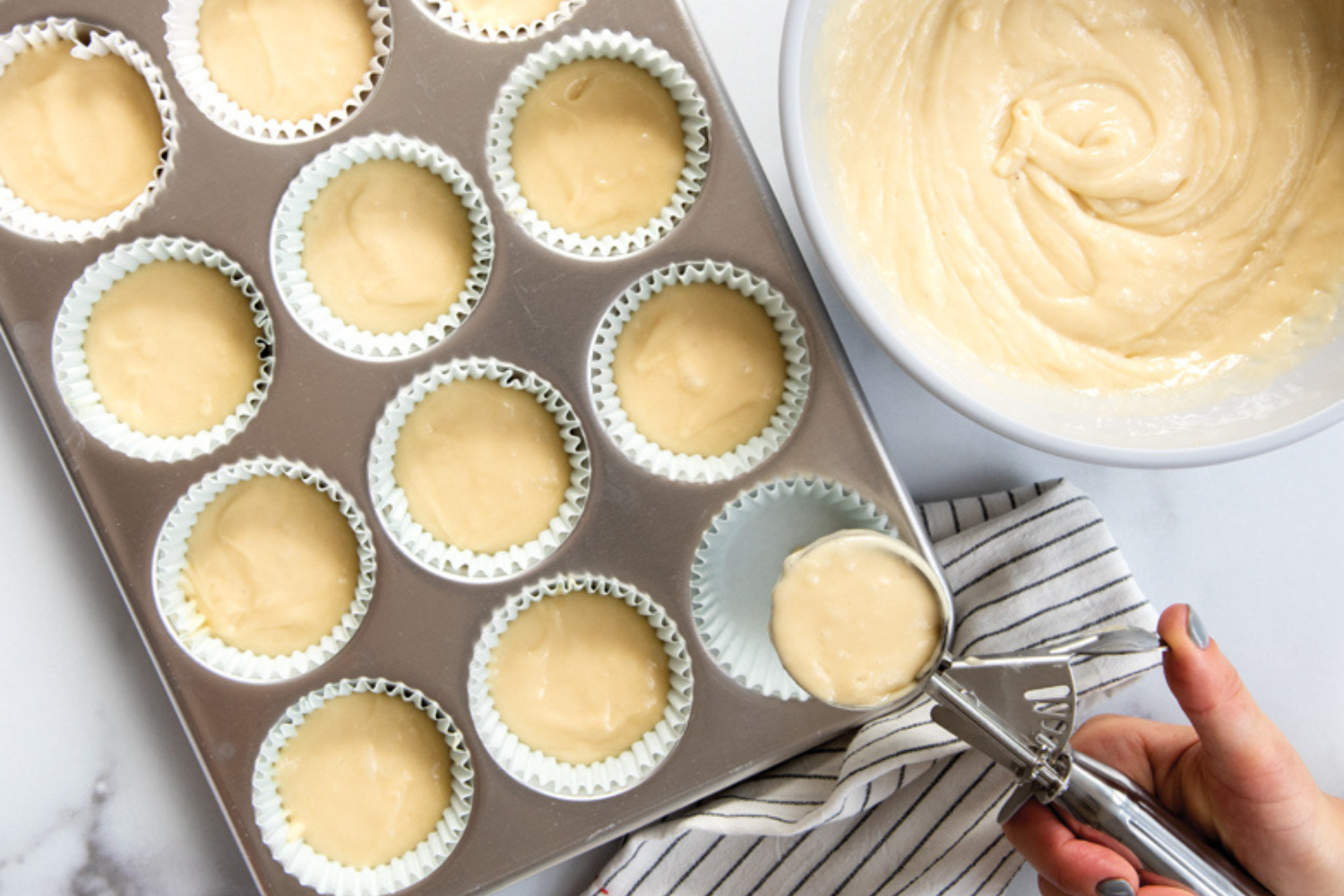
Overfilled or Underfilled Muffin Cups
Underfilled cups don’t have enough batter to rise into domes, while overfilled ones spill over or collapse under their own weight. Both lead to flat, wonky tops.
Oven Temperature Is Too Low (or Inconsistent)
Muffins need that initial blast of heat to create oven spring. A cool or uneven oven results in slow, sad rising and ultimately flat muffins.
Opening the Oven Door Too Soon
Every time you peek, heat escapes. That drop in temperature can make muffins sink in the middle as the structure collapses before it’s set.
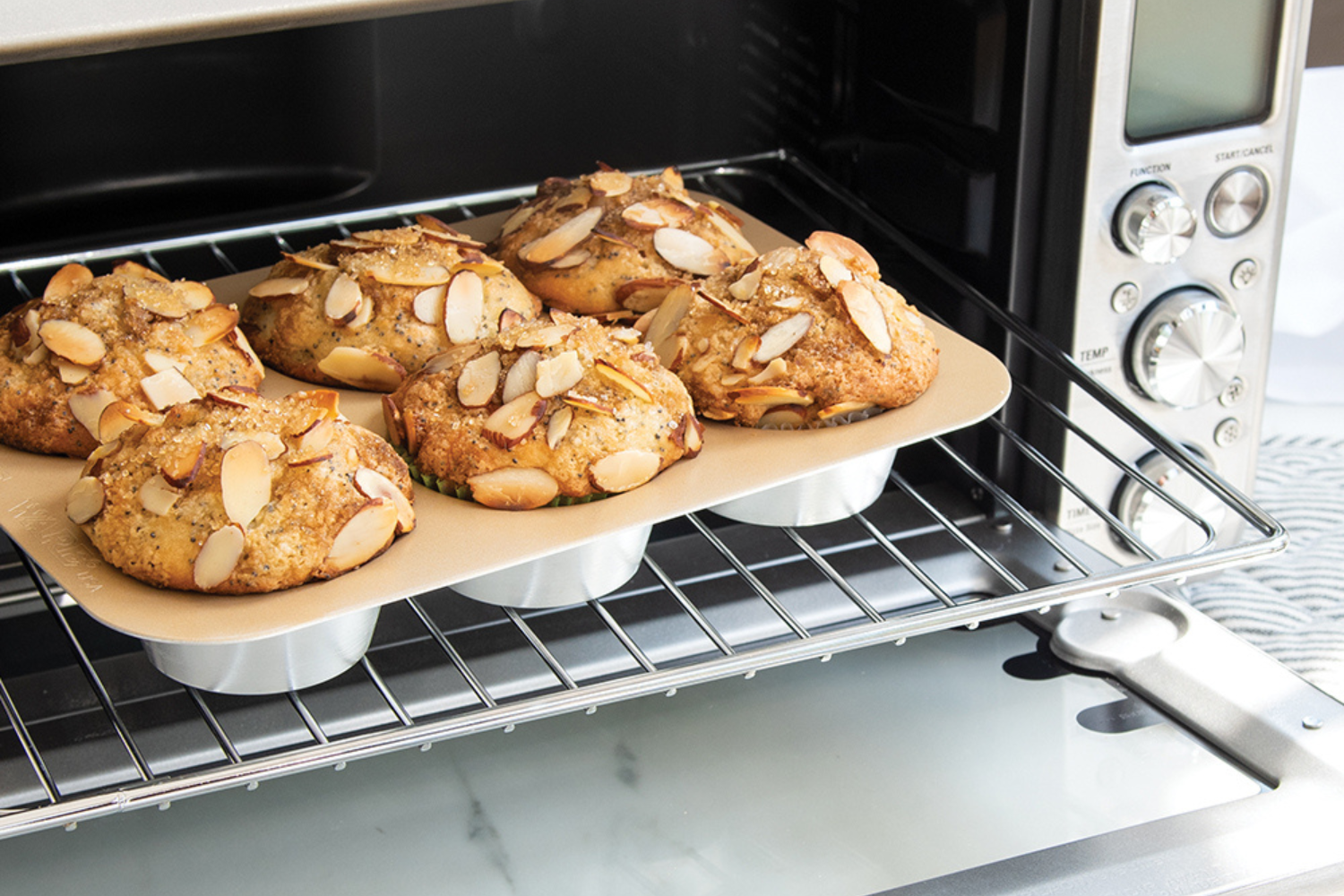
Tips for Fluffier, Taller Muffins
If your muffins keep coming out flat, dense, or generally disappointing, a few strategic tweaks can completely transform your baking game. These aren’t complicated hacks or wild chef tricks just simple, science-backed adjustments that give your batter the structure, lift, and heat it needs to rise sky-high. Think of this section as your muffin glow-up guide: Practical, actionable, and guaranteed to deliver those fluffy, bakery-style domes you’ve been dreaming about.
Start at a Higher Temperature
Kick things off at 425°F for the first 5 minutes, then lower the heat. That early blast encourages maximum oven spring and taller domes.
Let the Batter Rest Before Baking
A short rest allows the flour to hydrate and the gluten to relax, improving structure and helping muffins rise higher.
Use Room-Temperature Ingredients
Cold ingredients kill lift. Room-temperature eggs, milk, and butter blend smoothly and help the muffins bake evenly.
Fill Liners ¾ Full
Three-quarters full is the magic muffin ratio, truly the Goldilocks zone of batter distribution. Too little and your muffins barely peek over the rim like shy introverts; too much and they spill out, flatten, or merge into one chaotic muffin blob. Filling the liners ¾ full gives the batter enough volume to rise high and proud while still maintaining structure, resulting in those gorgeous bakery-style domes you’ve been chasing.

Bakeware and Tools That Help Muffins Rise
Yes, equipment matters, more than any of us want to admit when we’re blaming the recipe instead. The right tools can make the difference between flat, confused muffins and tall, evenly baked beauties. Heavy-duty pans, quality liners, and clever pan choices all work behind the scenes to support better heat distribution, stronger structure, and higher rise. In other words, your muffins aren’t just rising, they’re thriving.
Why Heavy-Duty Muffin Pans Matter
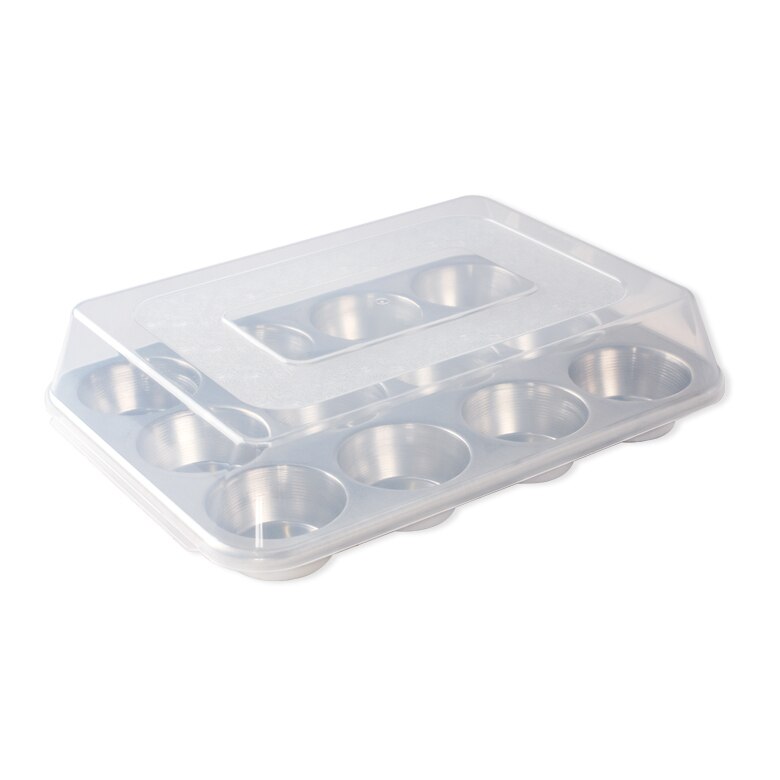
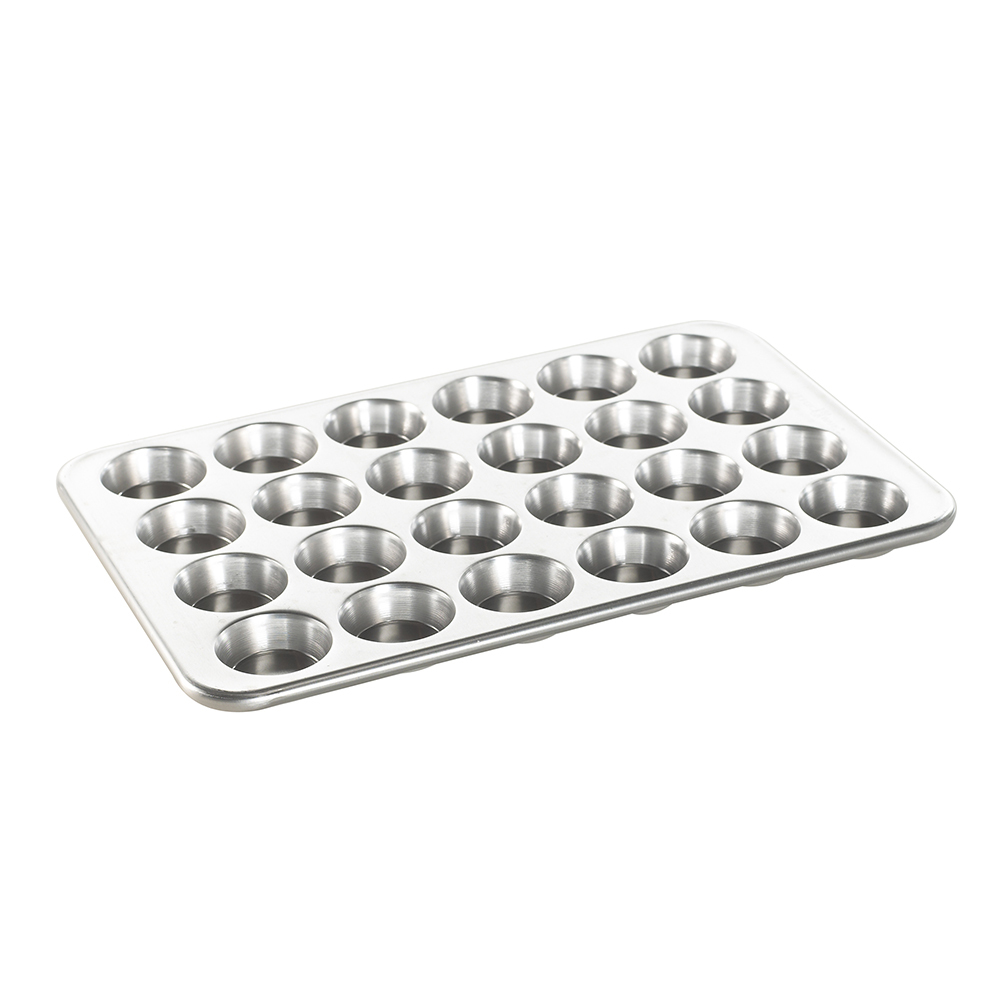
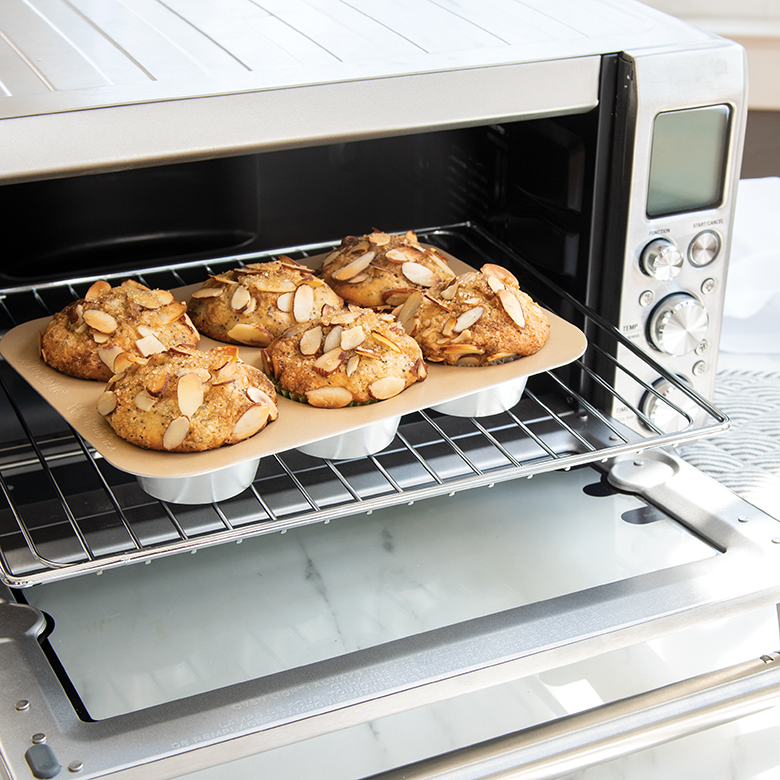
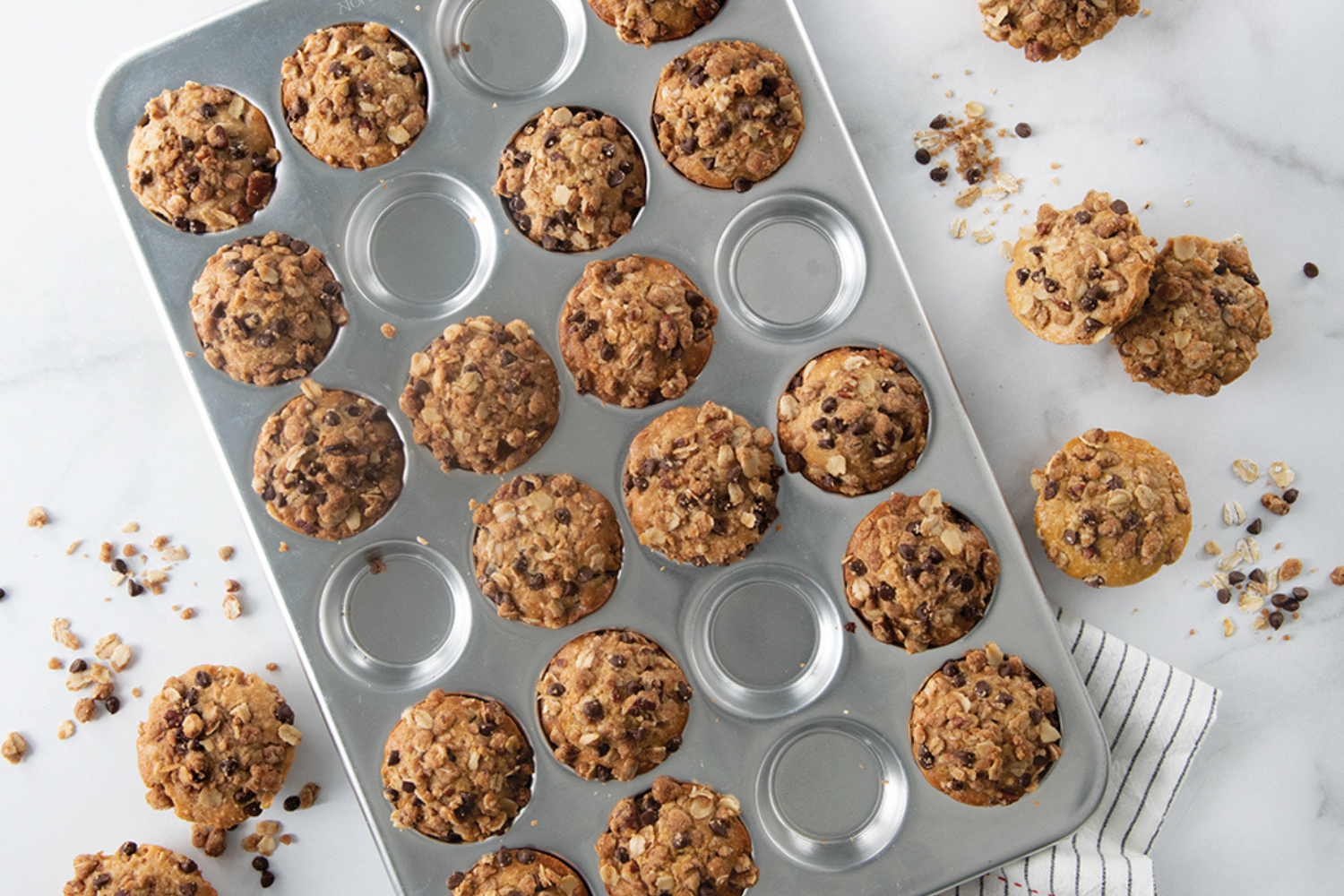
Thicker, sturdier pans heat evenly, which leads to consistent rise across the entire batch. Flimsy pans cause hot spots and uneven baking. Heavy-duty options like Nordic Ware deliver reliable, even heat and beautiful results every time.
Paper Liners vs. Greased Cups
Paper liners add structure and keep muffins from spreading, making them great for taller peaks. Greased cups encourage more browning and slightly wider bases. Use whichever matches your muffin goals.
Muffin Top Pans vs. Standard Pans
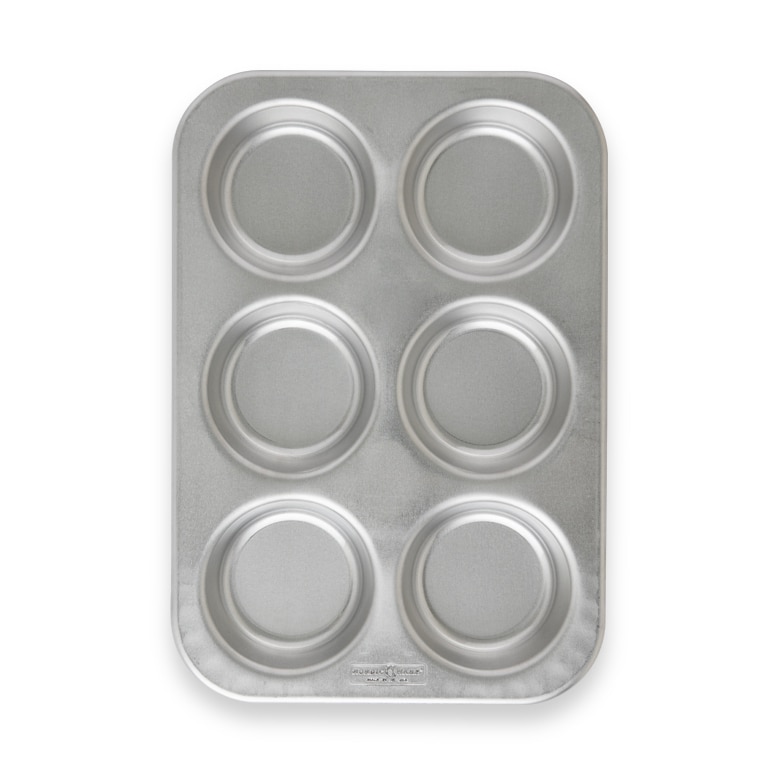
If flatness keeps happening no matter what, a muffin top pan creates wide, golden, bakery-style tops with minimal effort. Standard pans are classic, but experimenting with shapes can be a game changer.
FAQs About Flat Muffins
Q: Why do my muffins sink after baking?
A: Usually because the structure wasn’t set yet caused by underbaking, opening the door too soon, or too much leavening.
Q: Can you fix flat muffins after they’re baked?
A: Unfortunately not, but you can repurpose them, think muffin trifle, muffin bread pudding, or crumbling over yogurt.
Q: How do you make muffins rise higher naturally?
A: Start with a hotter oven, use room-temperature ingredients, avoid overmixing, and fill the cups about ¾ full.

Master Muffins with a Few Small Tweaks
Flat muffins happen to everyone. It’s basically a rite of passage. But once you understand what’s causing the collapse, a few simple adjustments can completely transform your results. From mixing technique to oven temps to choosing a sturdy, even-heating muffin pan, these small upgrades make tall, fluffy, bakery-style muffins totally achievable. If you want gear that truly supports your muffin goals, Nordic Ware’s heavy-duty pans are always a smart move. Now go conquer those domes!