Best Pots and Pans for Gas Stove: What to Look For and Why
If you’ve ever cooked on a gas stove, you know there’s something satisfying about seeing an open flame beneath your pan. Gas cooktops offer instant heat, precise temperature control and the ability to go from a roaring boil to a gentle simmer in seconds. But getting the most out of your gas stove isn’t just about knowing how to use the burner—it’s also about choosing the right cookware.
Not all pots and pans perform the same over an open flame. Some heat quickly but develop hot spots. Others retain heat beautifully but take longer to respond to temperature changes. The best cookware for gas stoves strikes a balance between even heating, durability and responsiveness, allowing you to make the most of every meal, whether you’re searing steak, simmering soup or scrambling eggs.
If you’re shopping for cookware that’s designed to perform on a gas range, here’s what to look for—and why your choice matters.
Table of Contents:
- Understanding Gas Stove Dynamics
- Top Materials for Gas Stoves
- Top Pots and Pans Choices for Gas Stoves
- Expert Tips for Cooking on a Gas Stove
- Choosing Quality over Cost
- Final Thoughts
- FAQ Section
Understanding Gas Stove Dynamics
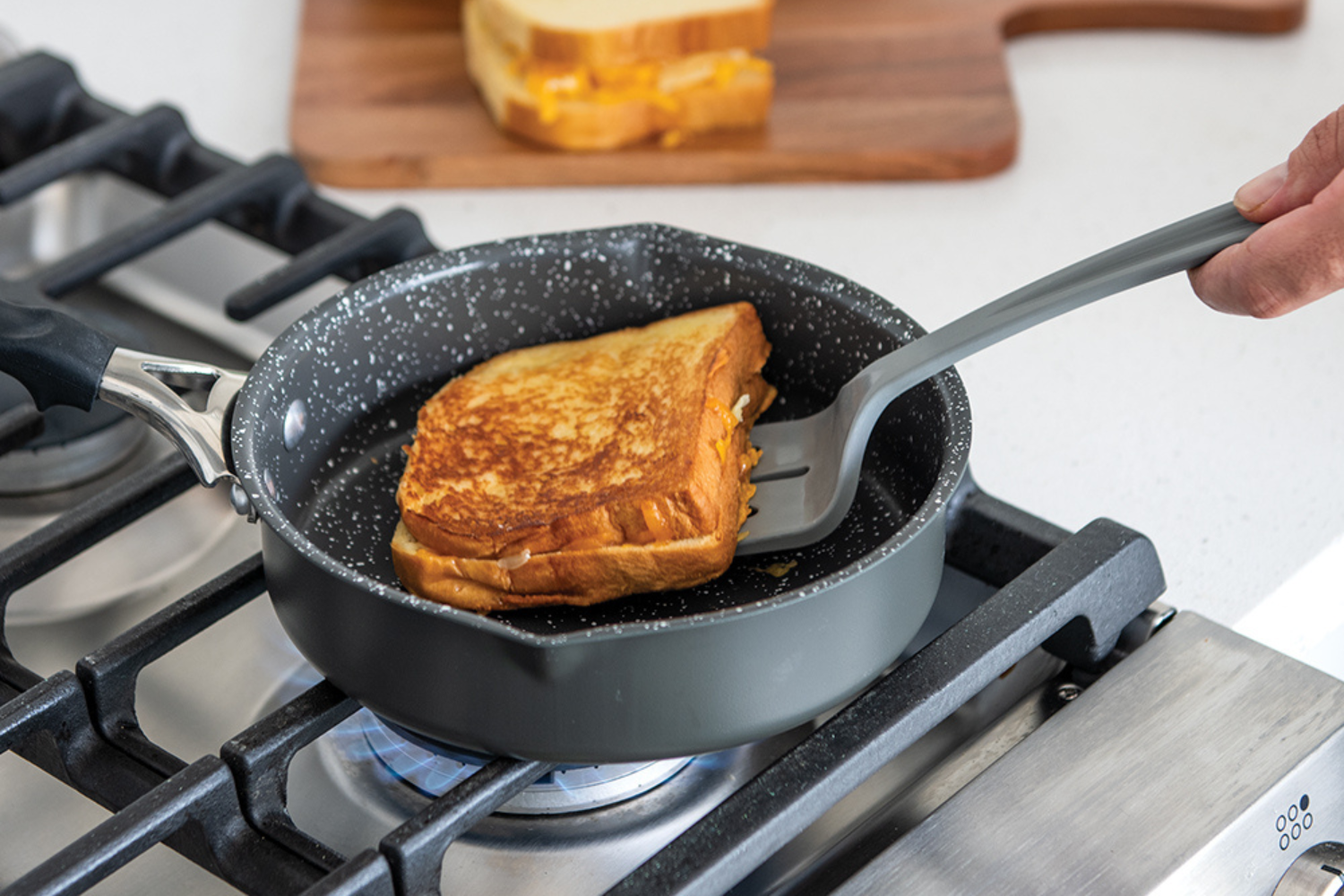
One of the biggest advantages of cooking with gas is control. Unlike electric or induction cooktops, gas produces an open flame that responds immediately when you adjust the heat. That responsiveness gives home cooks more precision, but it also means your cookware has to be able to handle direct flame and rapid temperature changes.
The flame doesn’t heat the entire bottom of your pan evenly. Instead, it concentrates heat around the burner, meaning cookware with poor heat distribution can create hot spots that scorch sauces or leave one side of your meal cooking faster than the other.
Quality cookware helps spread that heat evenly across the cooking surface, giving you more consistent results and making it easier to cook everything from delicate fish to hearty stews.
Thermal Conductivity
Heat conductivity refers to how efficiently a material transfers heat from the burner to the food. The better the conductivity, the more evenly your cookware cooks.
Cookware that distributes heat well helps prevent burning while giving you greater control over browning, sautéing and simmering.
Durability Under Direct Flame
Gas burners create intense, direct heat. Over time, lower-quality cookware can warp or develop uneven cooking surfaces, especially if it’s made from thin materials.
Look for cookware that’s built to withstand repeated exposure to high temperatures without losing its shape or performance.
Comfortable, Functional Design
Because gas cooking often involves adjusting the flame and moving cookware between burners, comfortable handles and balanced construction make everyday cooking easier.
Features like flared rims for drip-free pouring and oven-safe construction also increase versatility.
Top Materials for Gas Stoves
While stainless steel and cast iron often dominate conversations about cookware, aluminum remains one of the best-performing materials for gas cooking. Aluminum is an outstanding heat conductor, allowing cookware to heat quickly while distributing warmth more evenly across the cooking surface.
One of aluminum’s greatest strengths is its exceptional thermal conductivity. It transfers heat efficiently across the cooking surface, helping reduce the hot spots that can occur over an open flame. Whether you’re browning chicken, sautéing vegetables or simmering a homemade sauce, aluminum cookware helps create more even cooking from edge to edge. This means fewer hot spots and more consistent cooking, whether you’re sautéing vegetables or making pancakes.
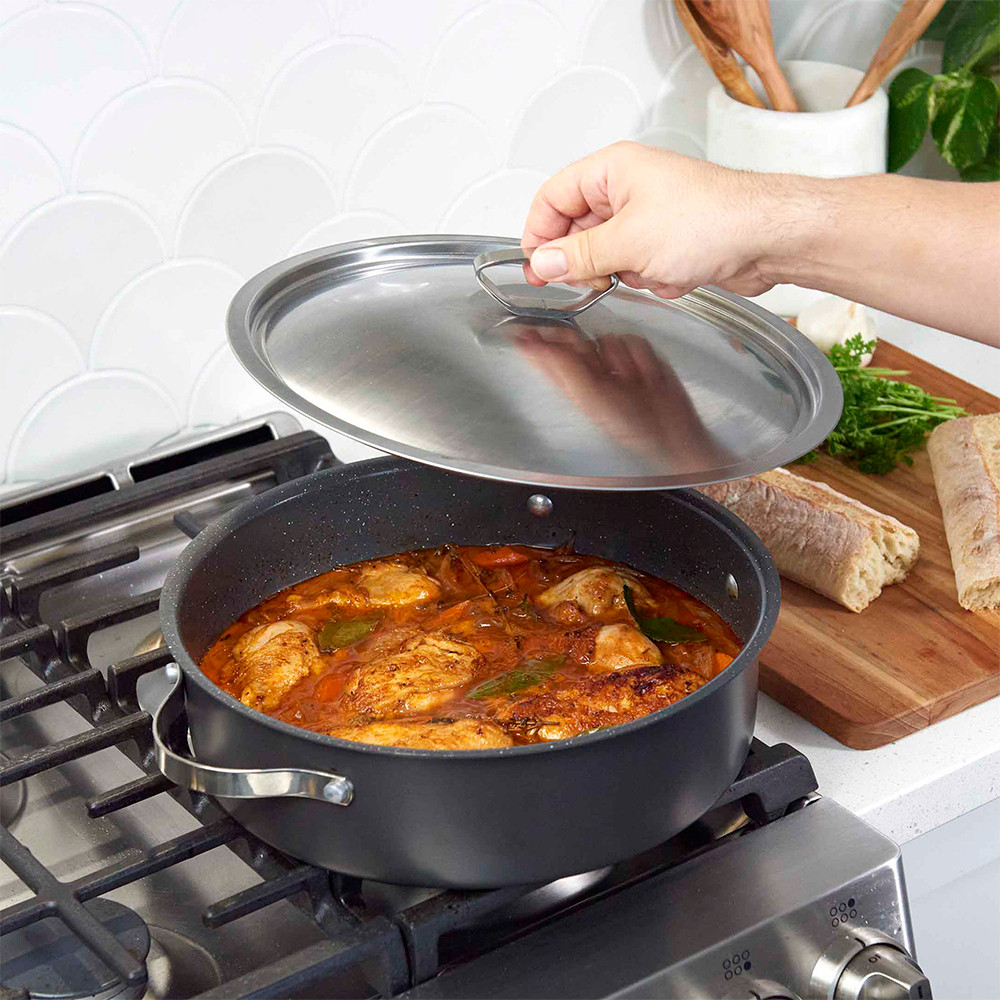
It’s also significantly lighter than materials like cast iron, making it easier to maneuver when tossing vegetables, transferring a braiser from stovetop to oven or simply washing up after dinner. For everyday cooking, that combination of performance and practicality makes aluminum a natural fit for gas ranges.
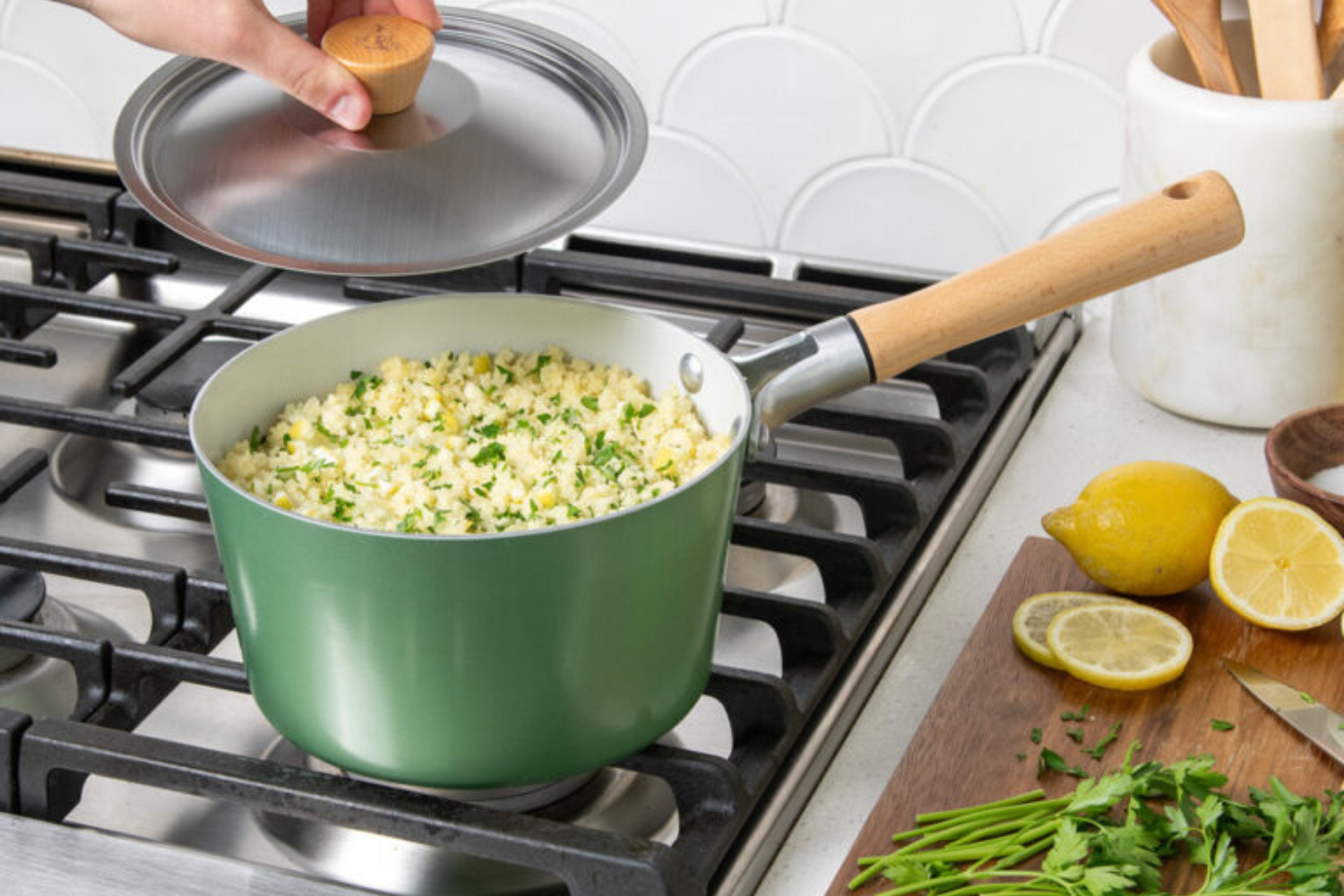
Today’s home cooks are increasingly looking for cookware that’s as easy to clean as it is to cook with. That’s one reason ceramic non-stick coatings have become so popular. Premium ceramic coatings provide excellent food release, allowing eggs, pancakes and delicate fish to slide easily from the pan while often requiring less oil or butter. Cleanup is equally simple, making ceramic cookware an excellent option for busy weeknights.
Many consumers are also paying closer attention to the materials in their kitchens. Nordic Ware’s ceramic cookware collections are made without PFAS, PTFE or PFOA, offering a consciously designed alternative for families looking to minimize exposure to certain chemicals while still enjoying exceptional nonstick performance.
Combined with aluminum construction, ceramic cookware delivers responsive heating, even cooking and the convenience today’s home cooks expect.
Top Pots and Pans Choices for Gas Stoves
Nordic Ware offers several cookware collections that perform beautifully on gas ranges, each designed with slightly different cooking styles in mind.
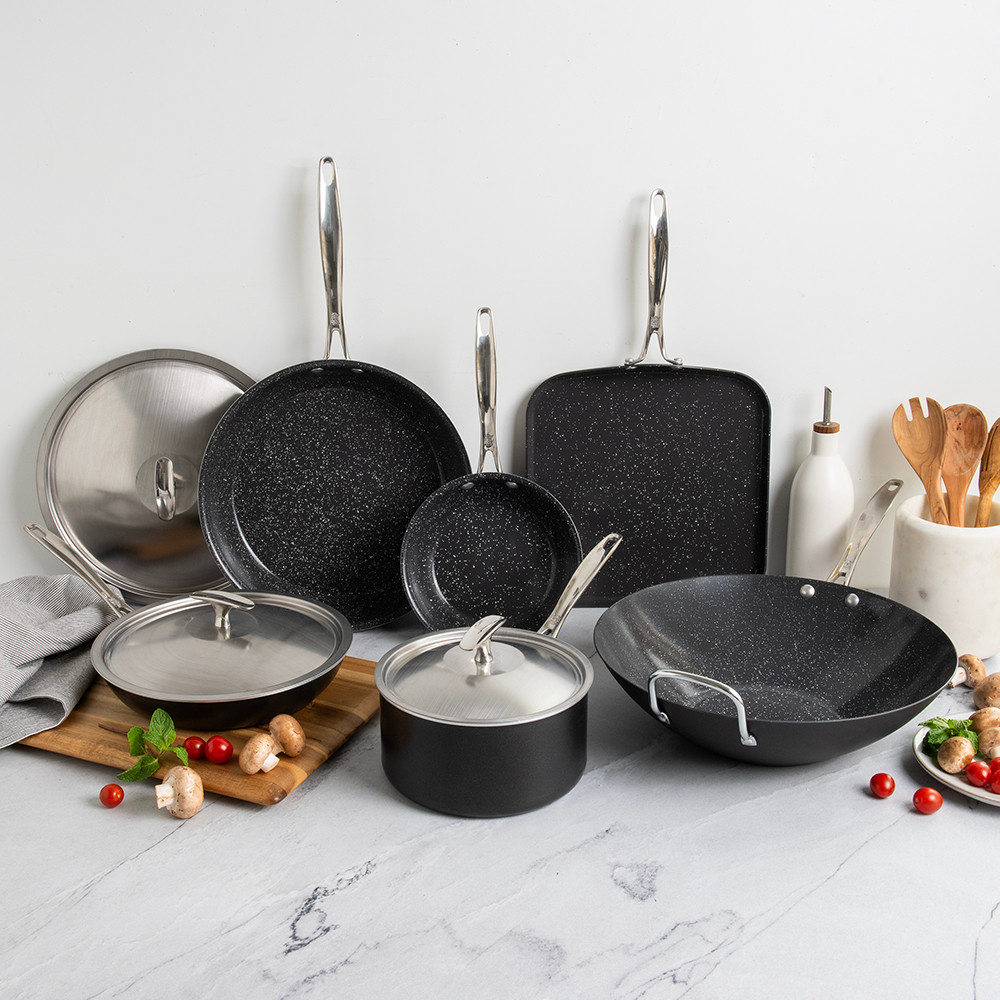
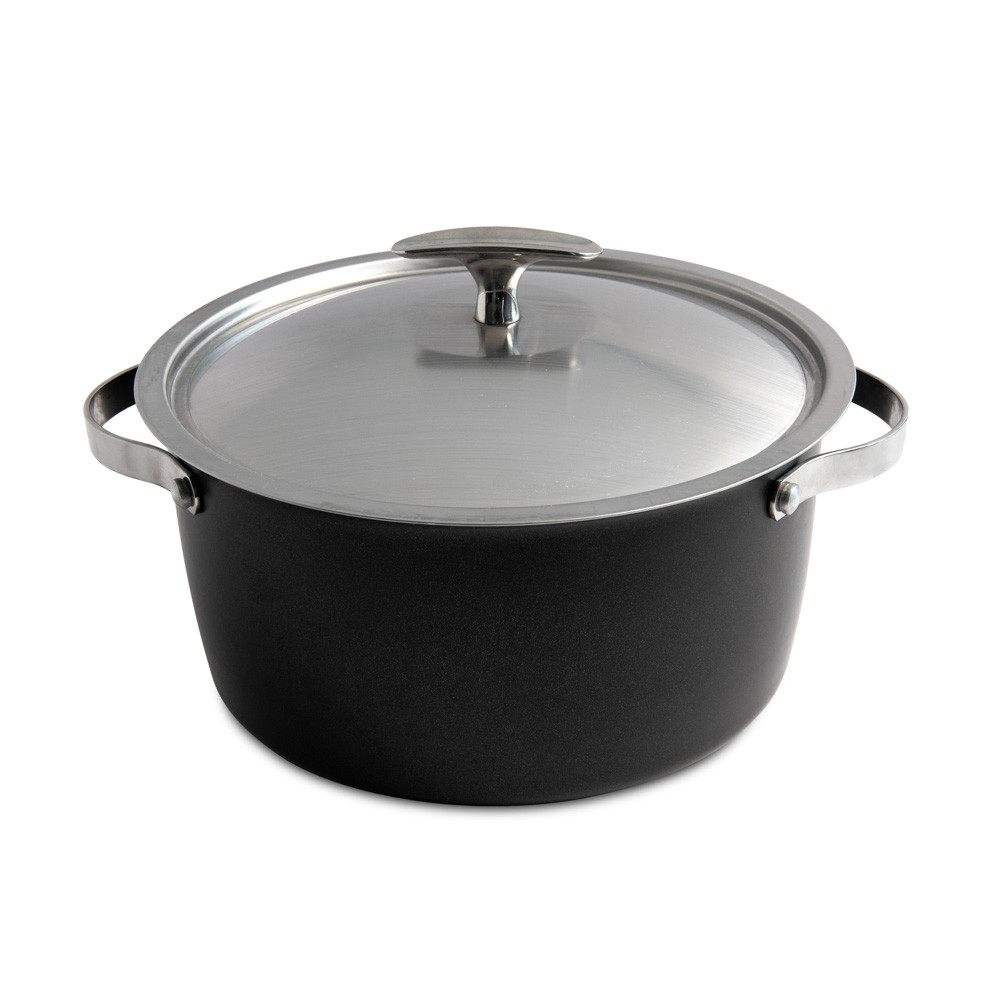
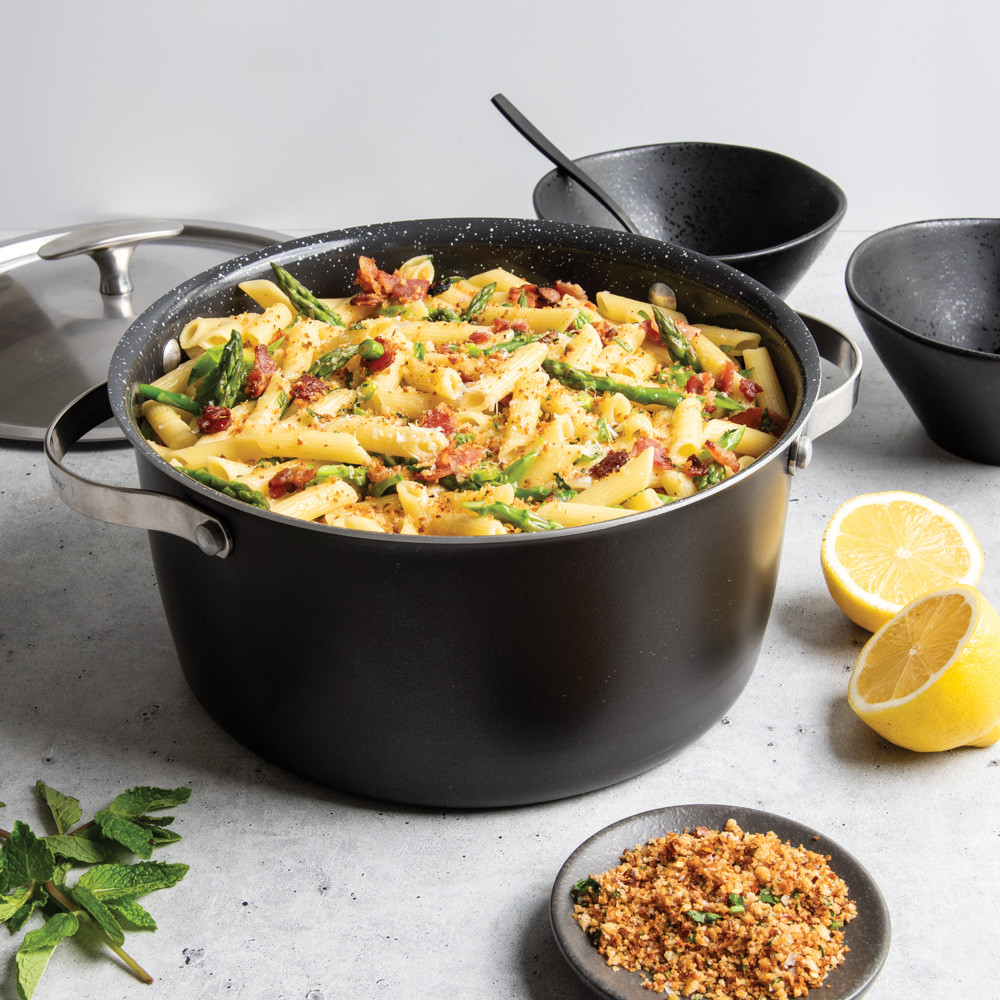
Basalt® Collection
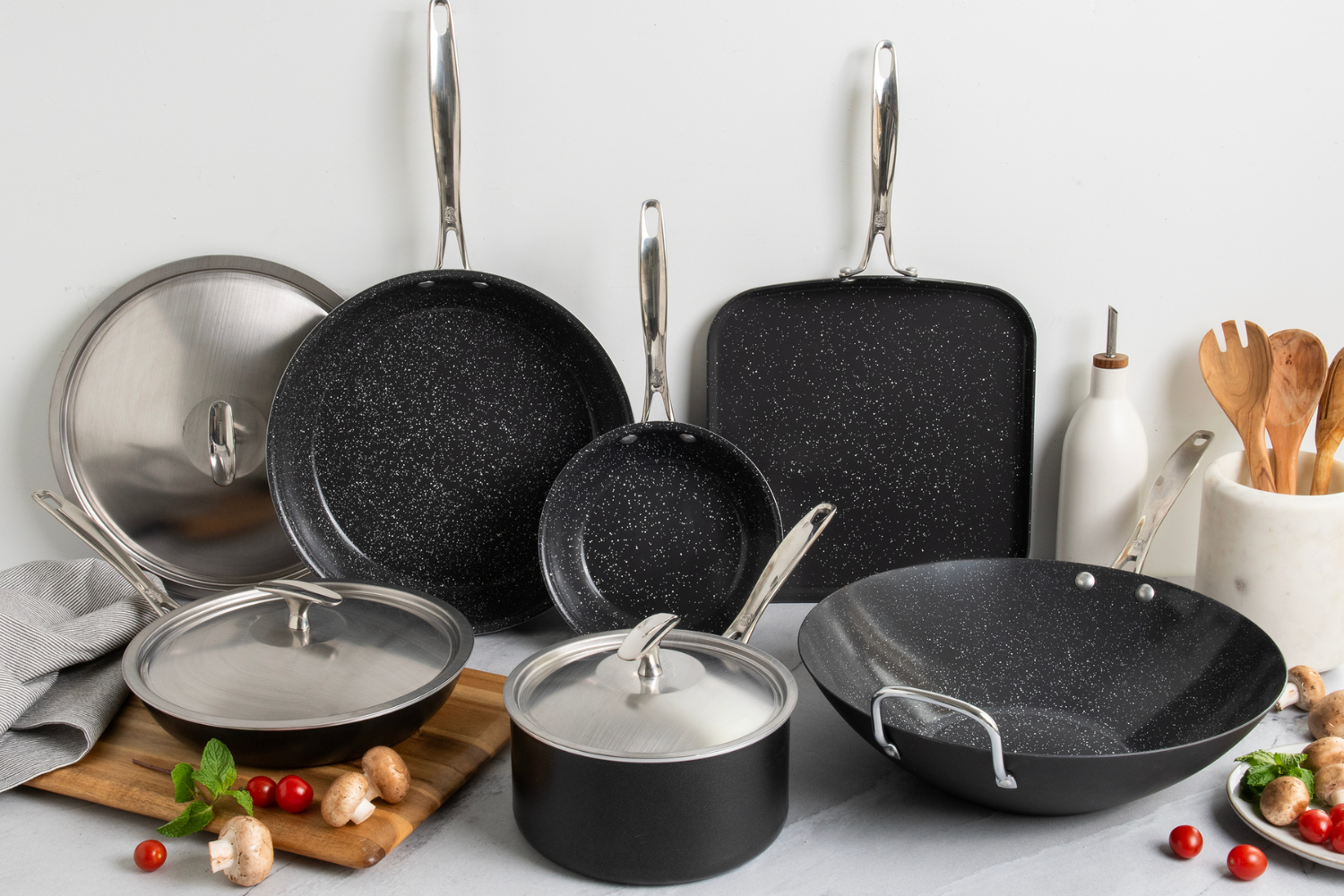
If durability is your top priority, the Basalt Collection is designed to deliver professional-level performance.
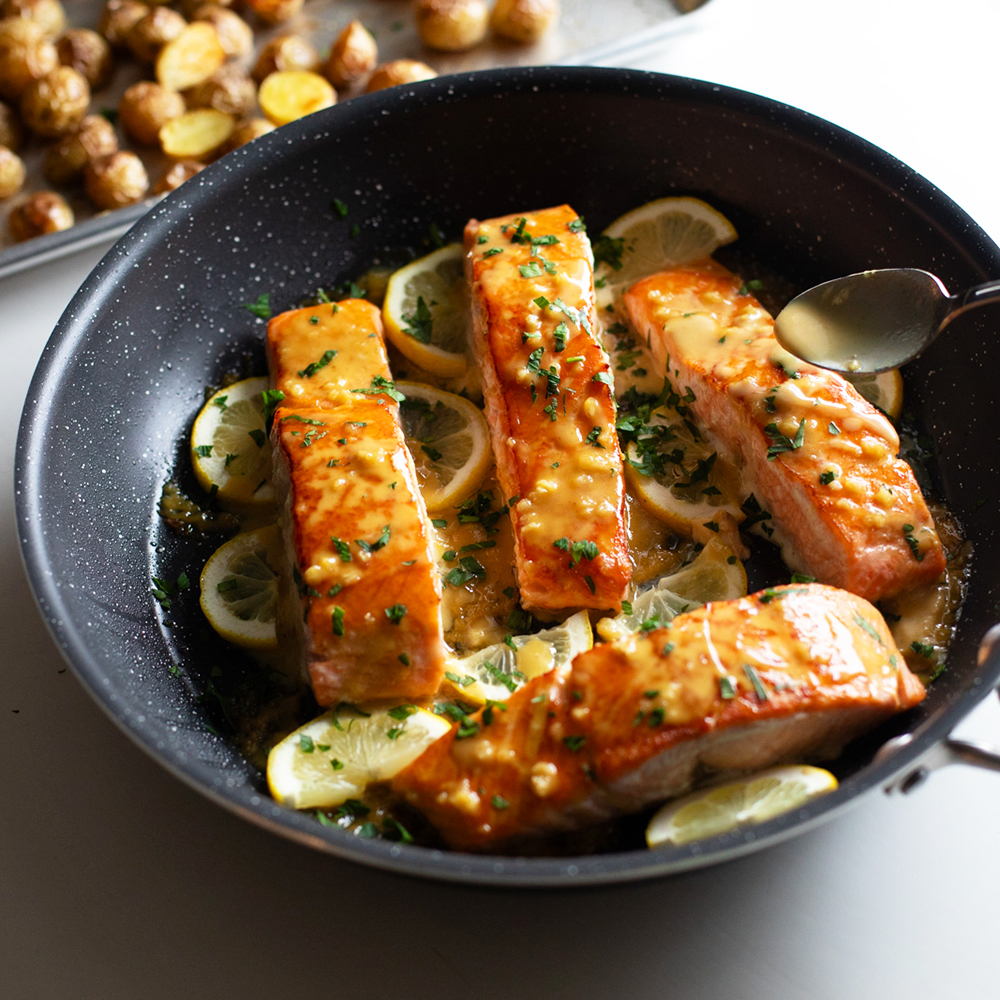
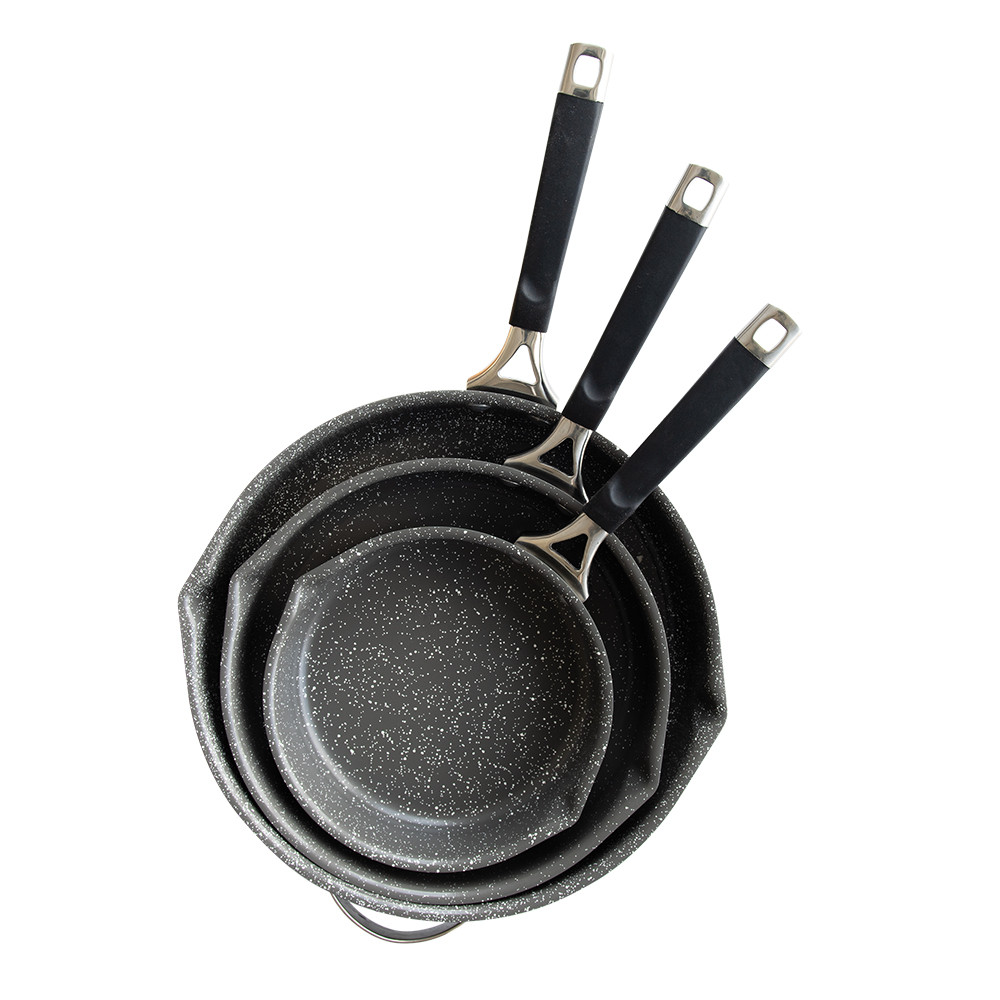
Constructed from heavy cast aluminum with a premium ceramic nonstick coating, these pans distribute heat evenly while standing up to everyday cooking. They’re an excellent choice for home cooks who regularly sear proteins, prepare one-pan meals or cook family dinners several nights a week.
The substantial construction also helps reduce hot spots often associated with lower-quality cookware.

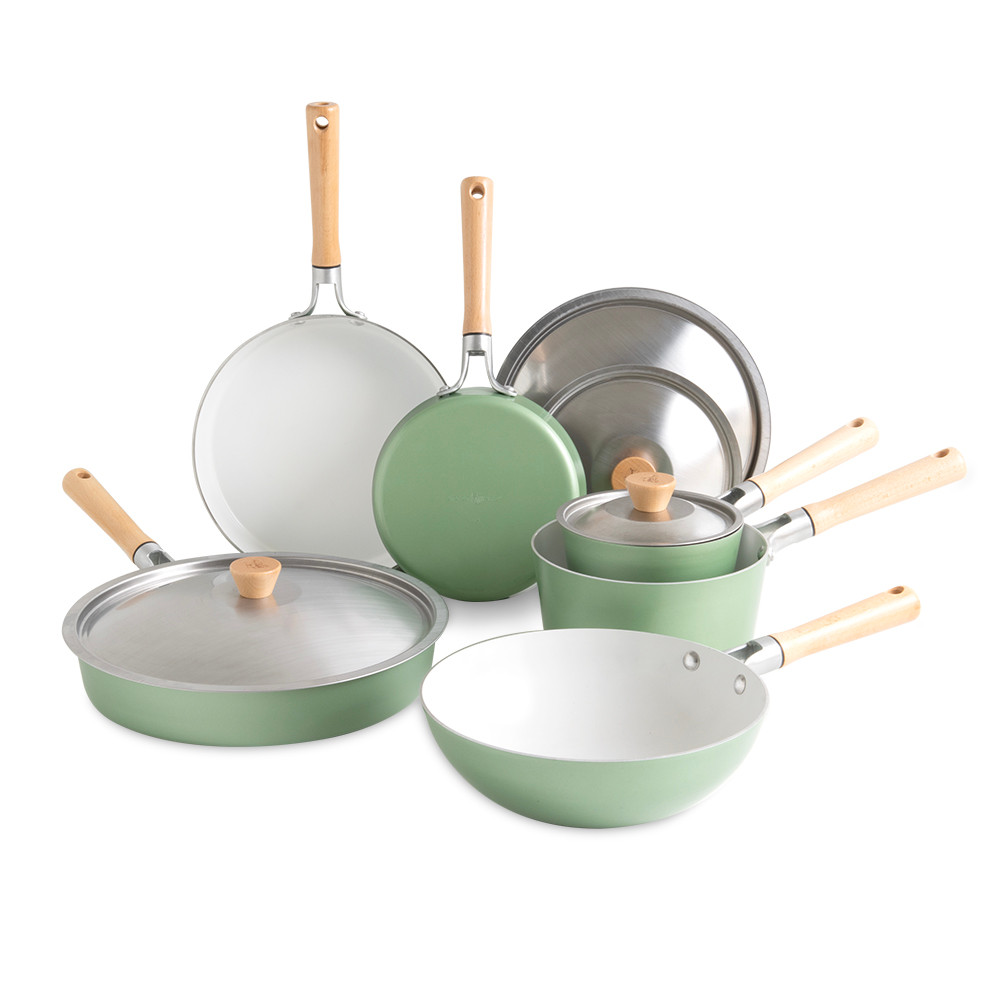
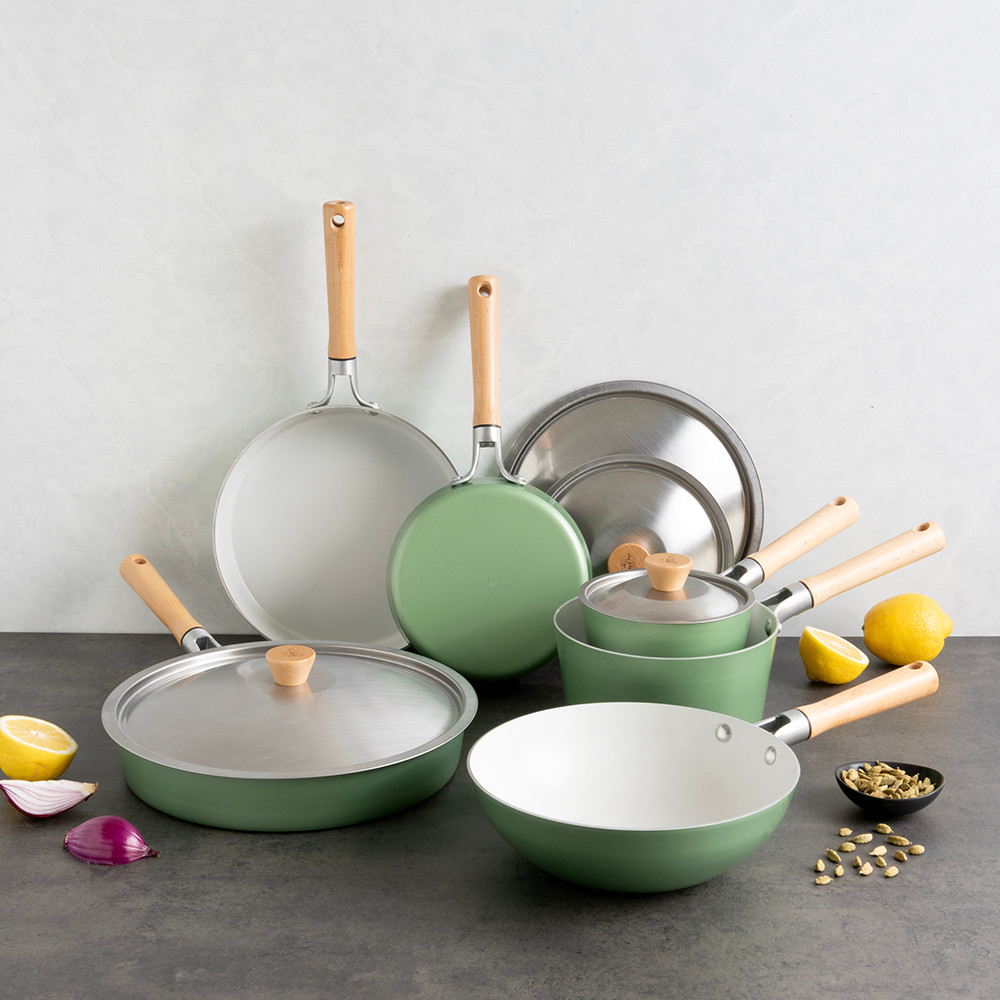
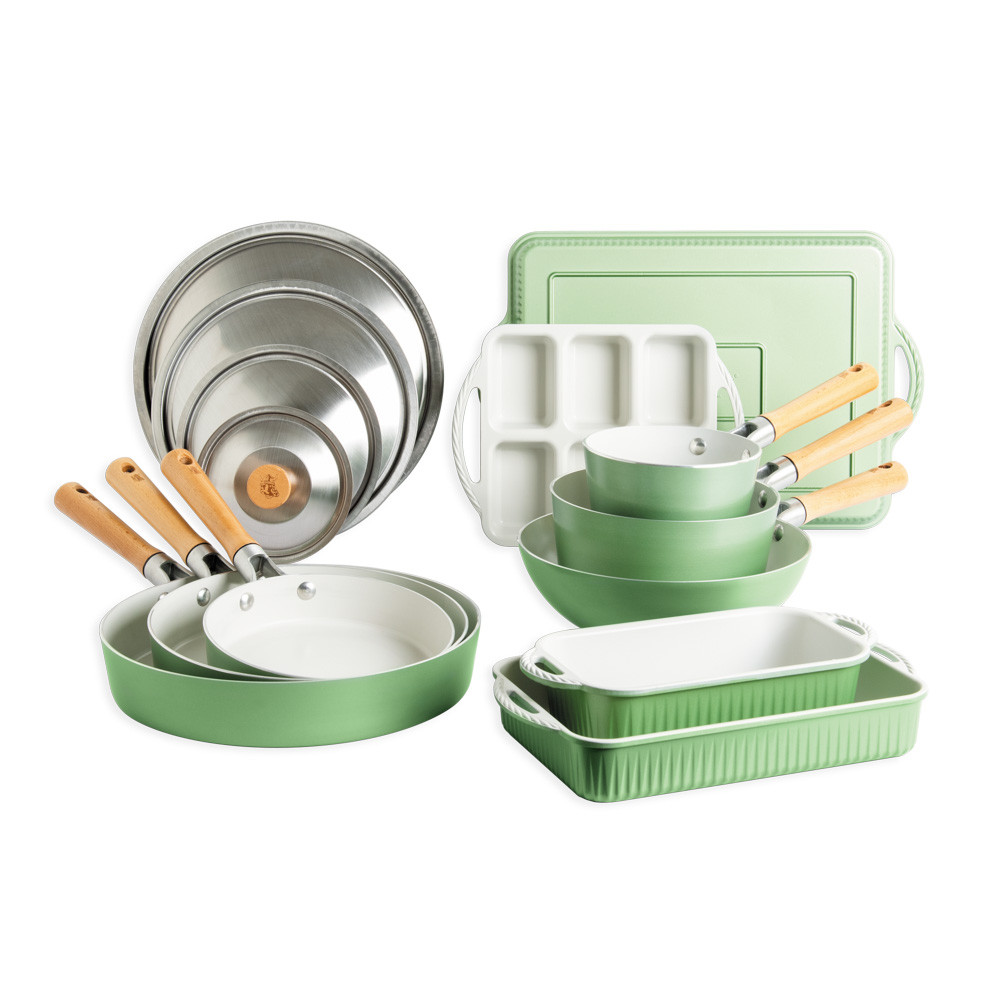
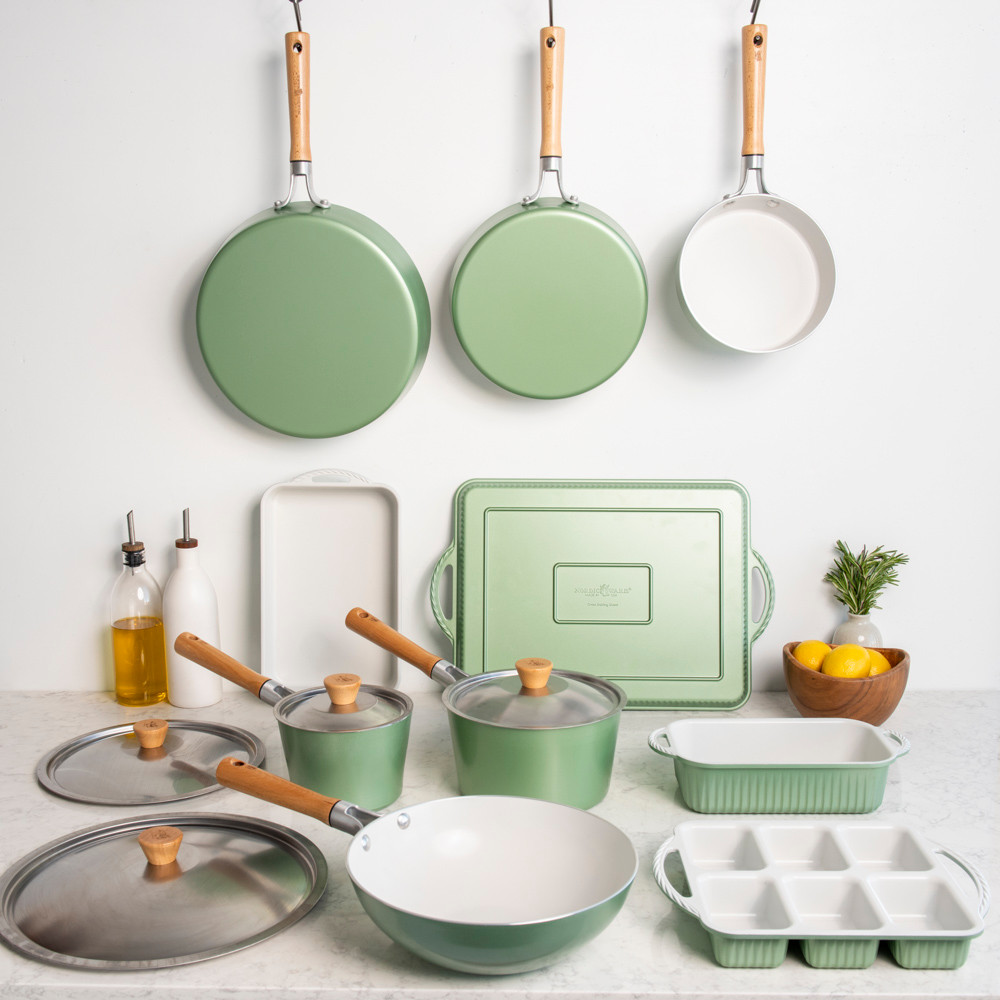
Cardamom™ Collection
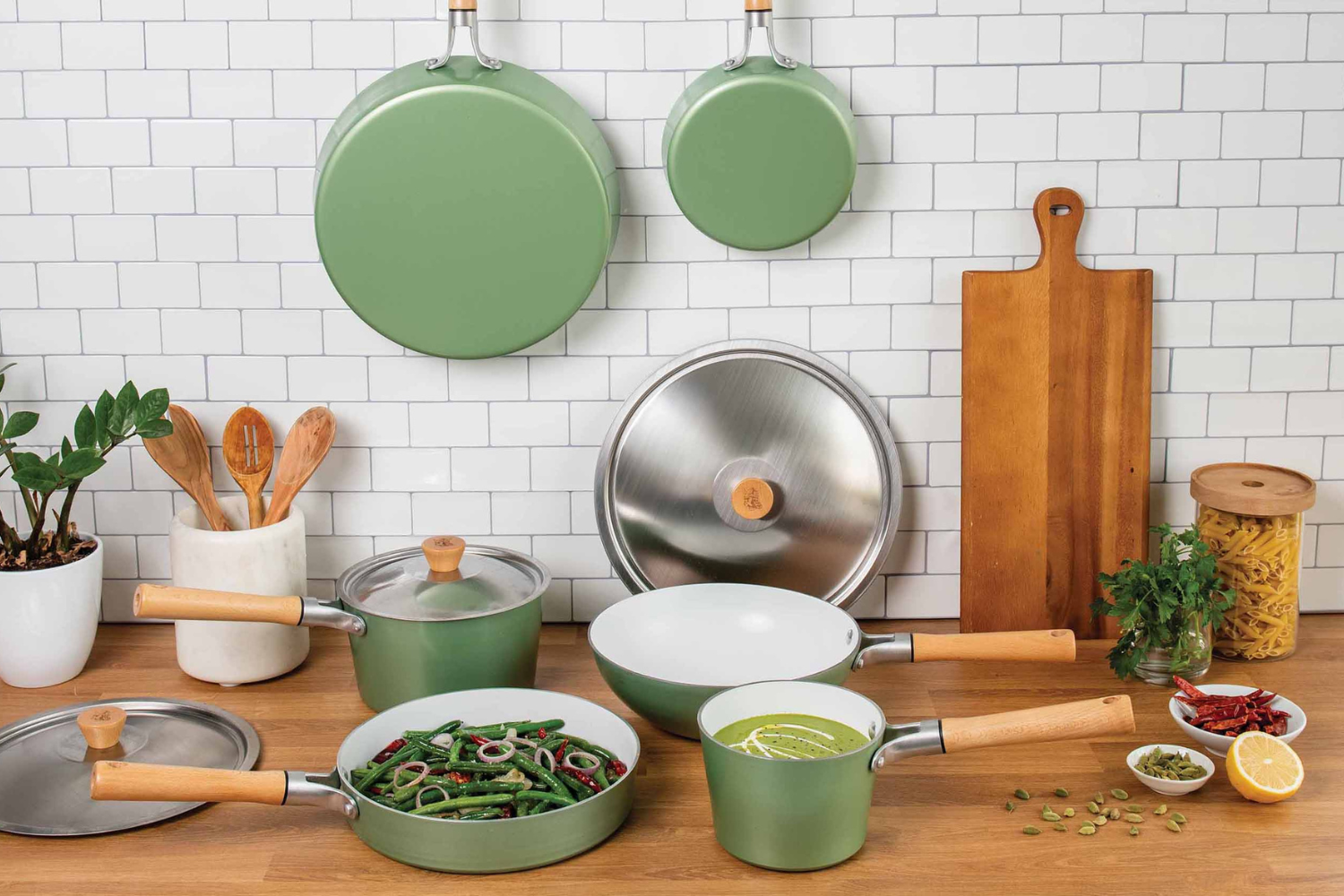
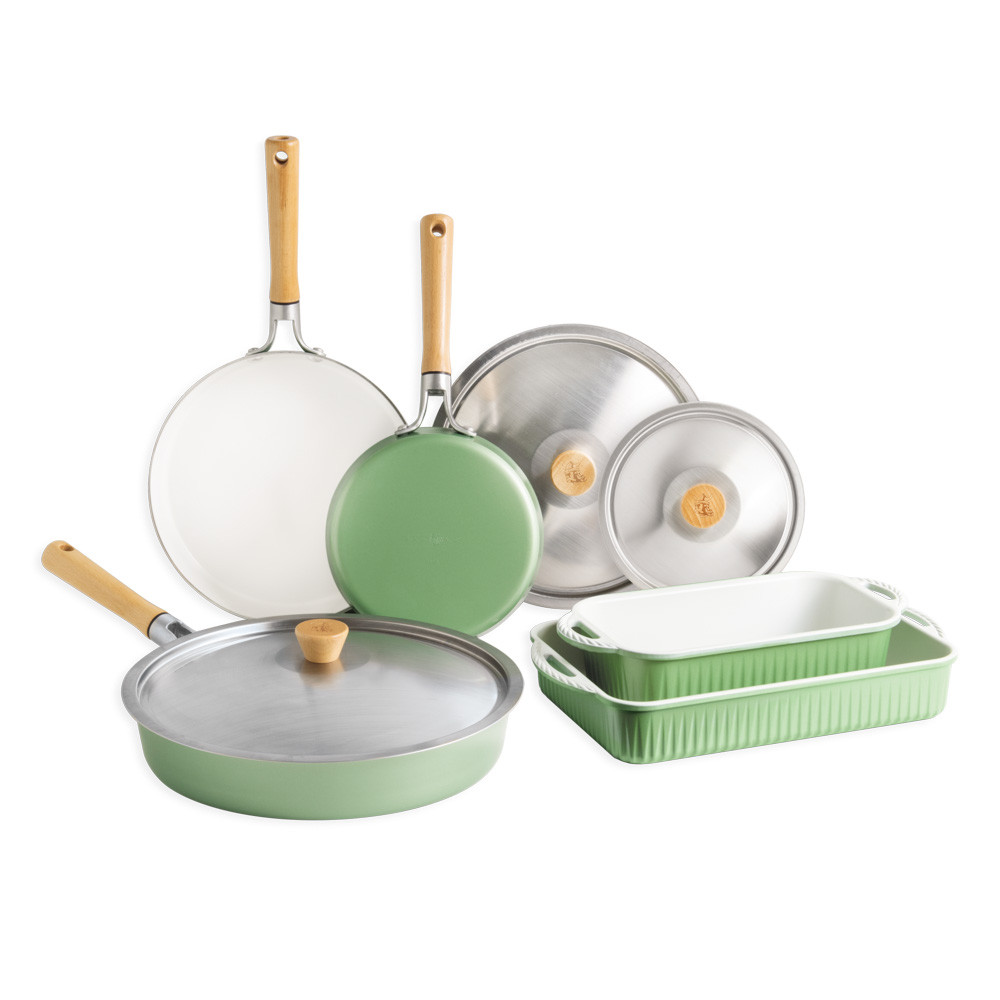
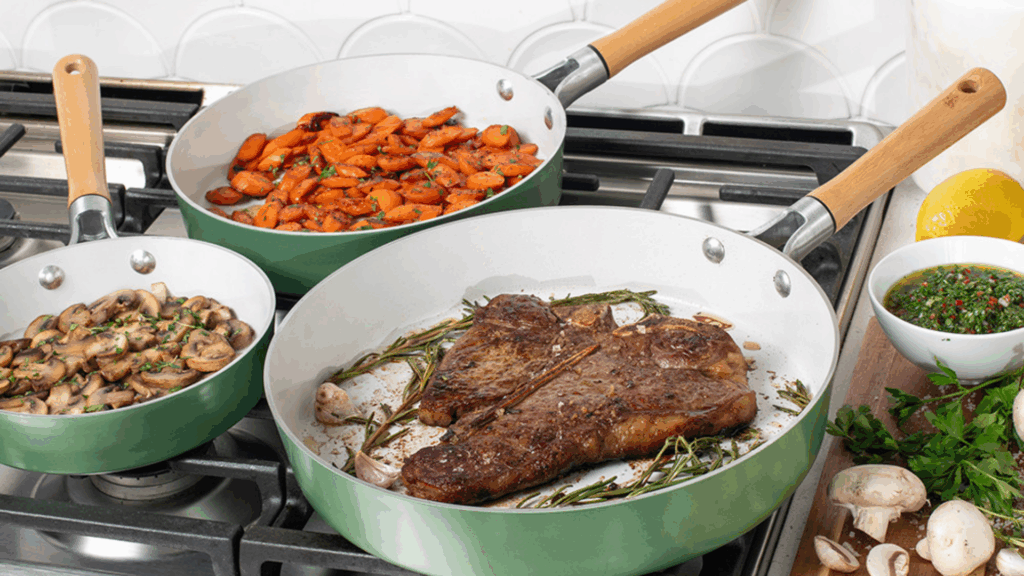
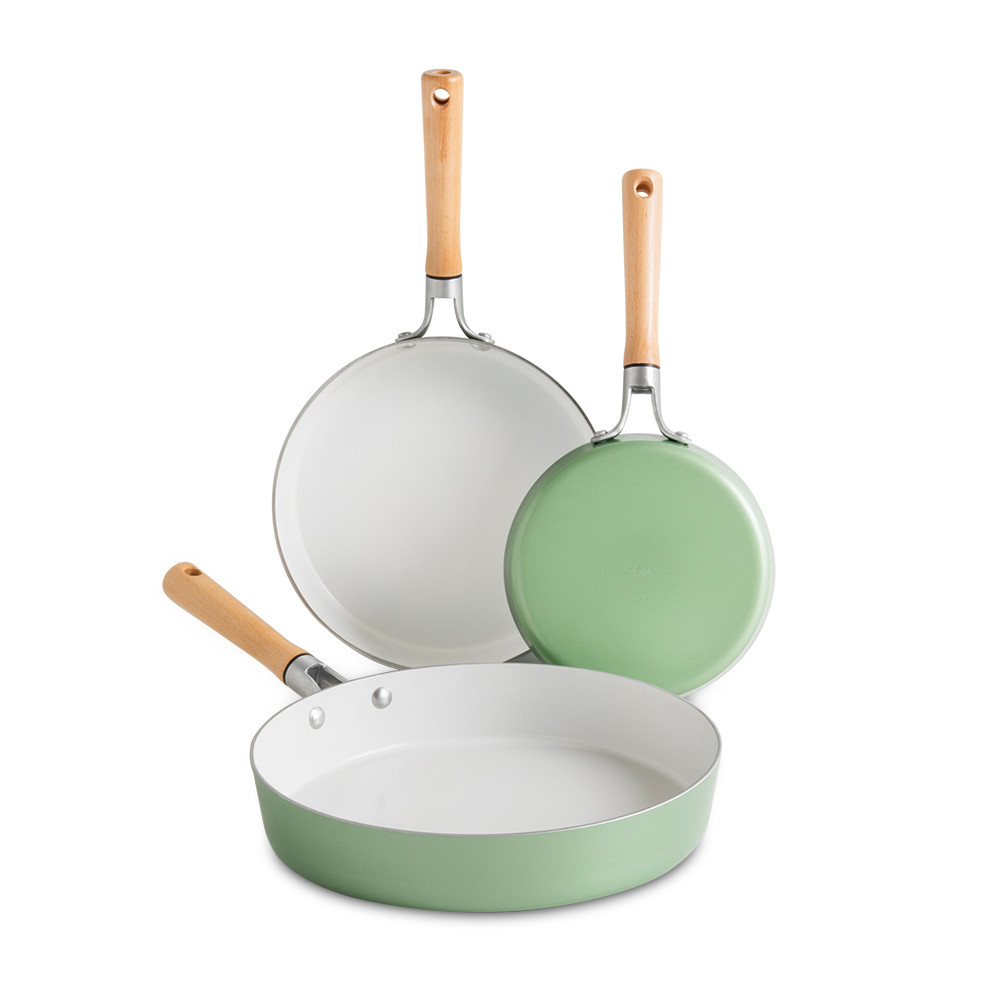
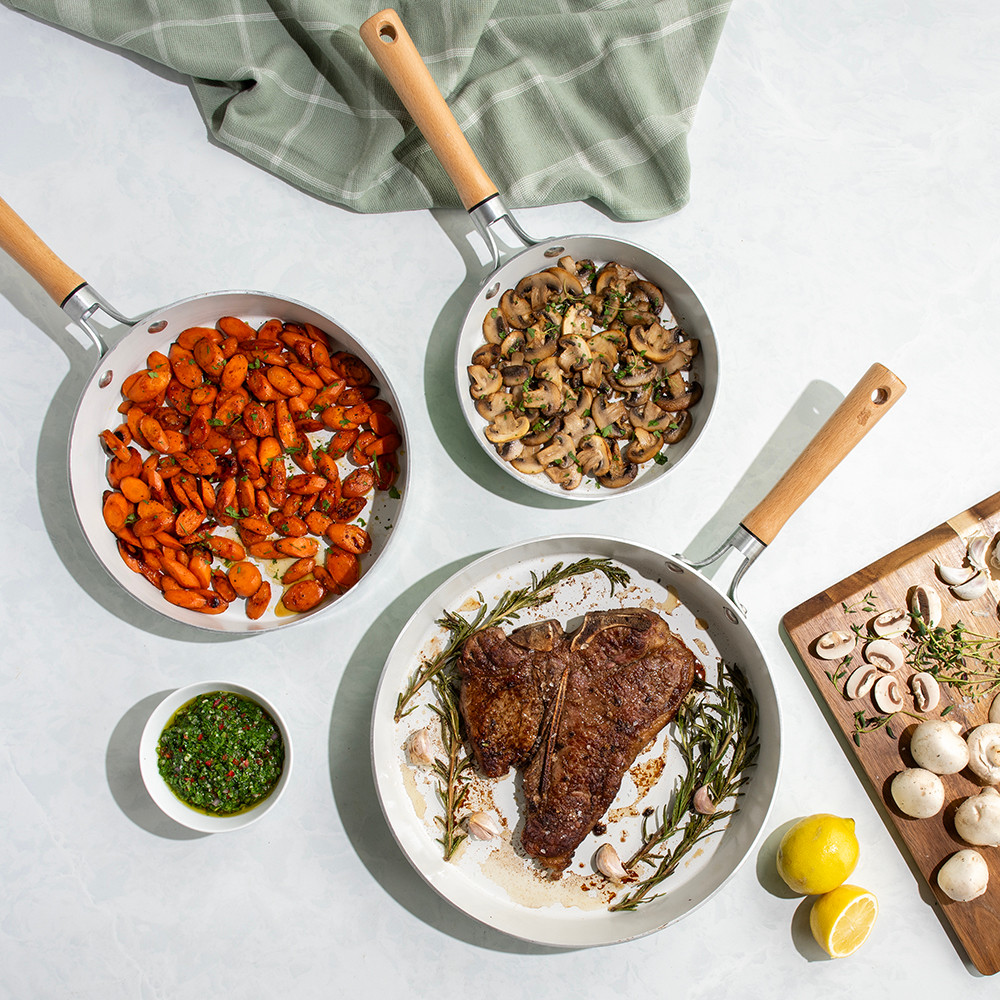
Inspired by one of the world’s most versatile spices, the Cardamom Collection combines Scandinavian-inspired design with the kind of everyday performance home cooks appreciate. Constructed from cast aluminum with a ceramic nonstick interior made without PFAS, it delivers quick, even heating and effortless food release for everything from morning eggs to weeknight stir-fries.
Beyond performance, Cardamom is designed to be displayed. Soft green finishes, authentic wood accents and sculptural details allow each piece to transition beautifully from stovetop or oven directly to the table. It’s cookware that works hard in the kitchen while adding warmth and personality to the dining experience.
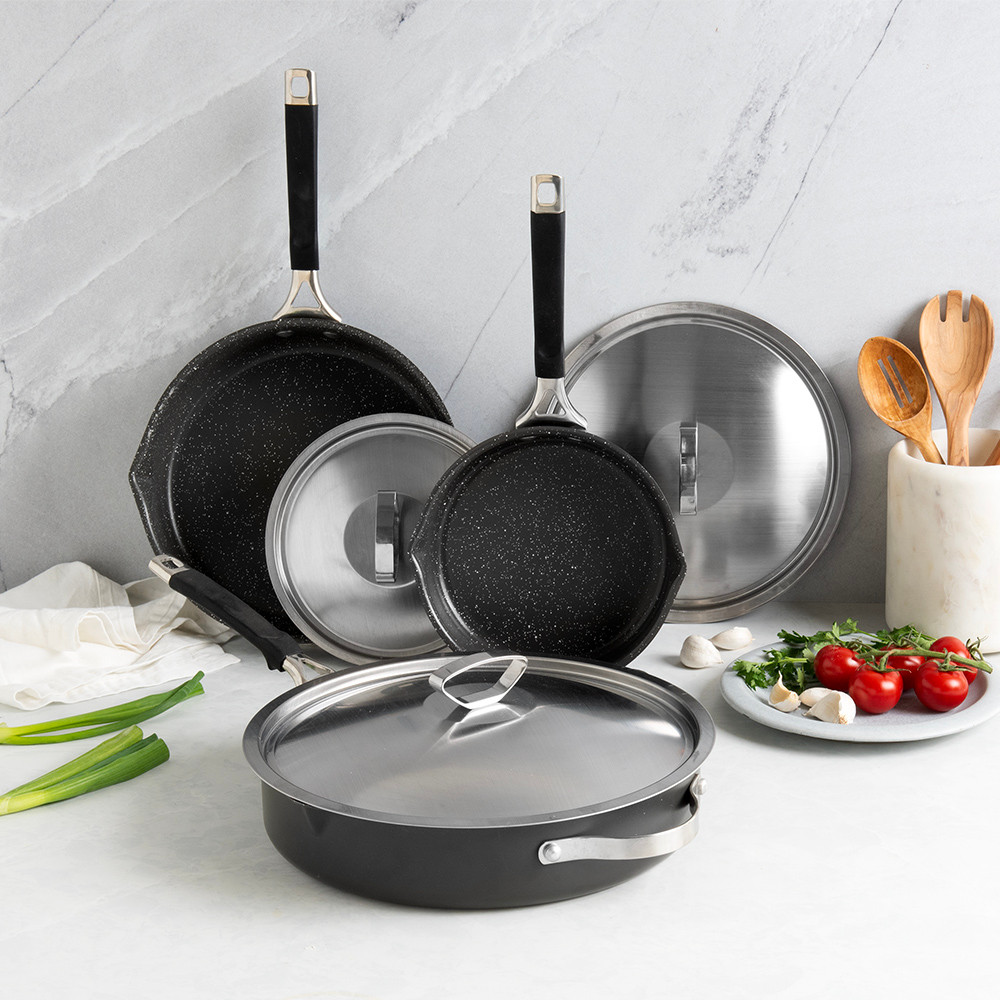
Verde Collection
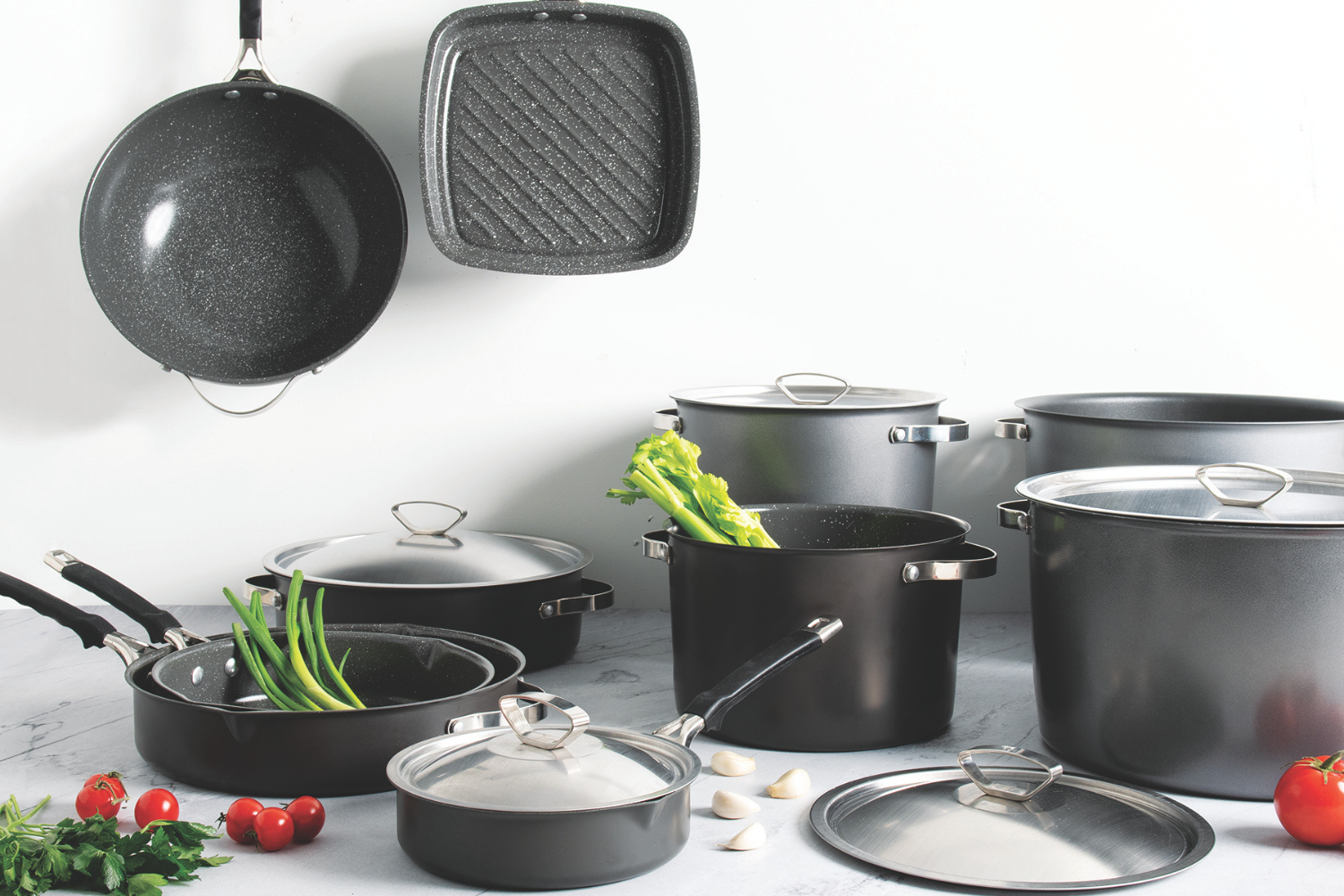
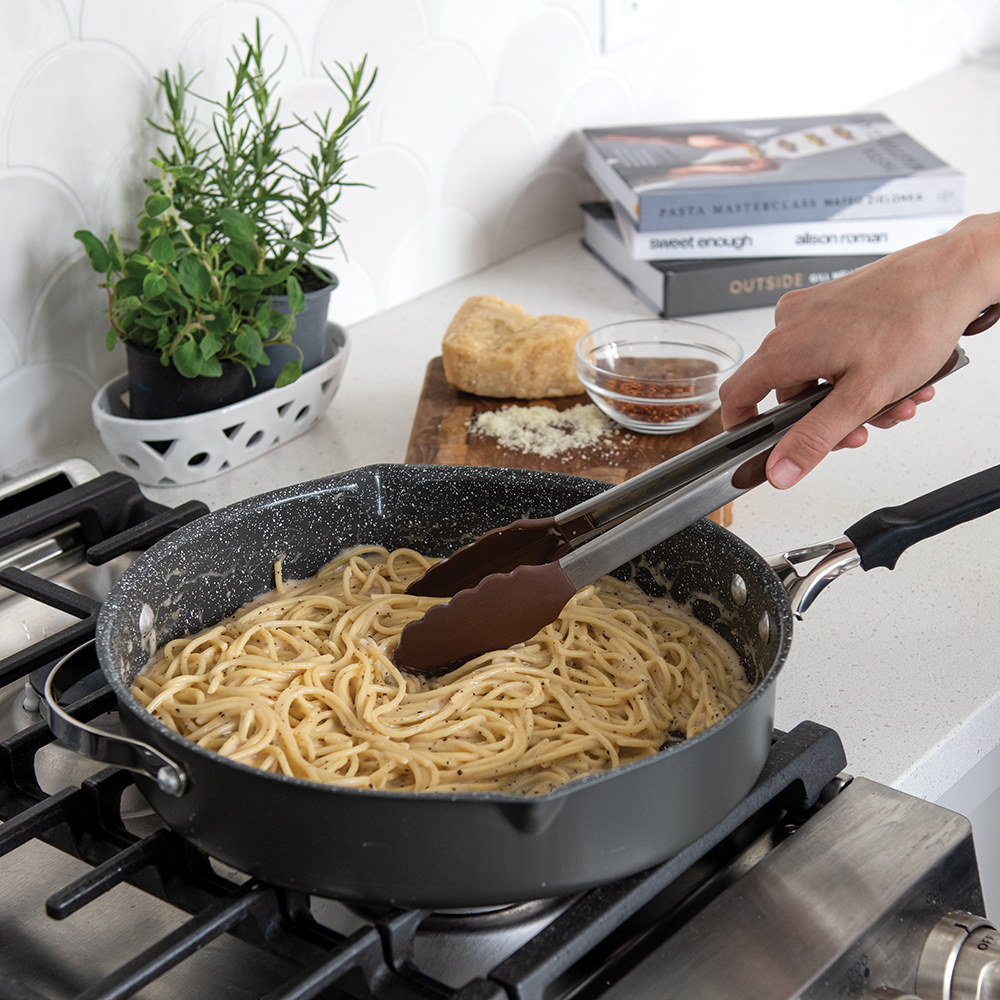
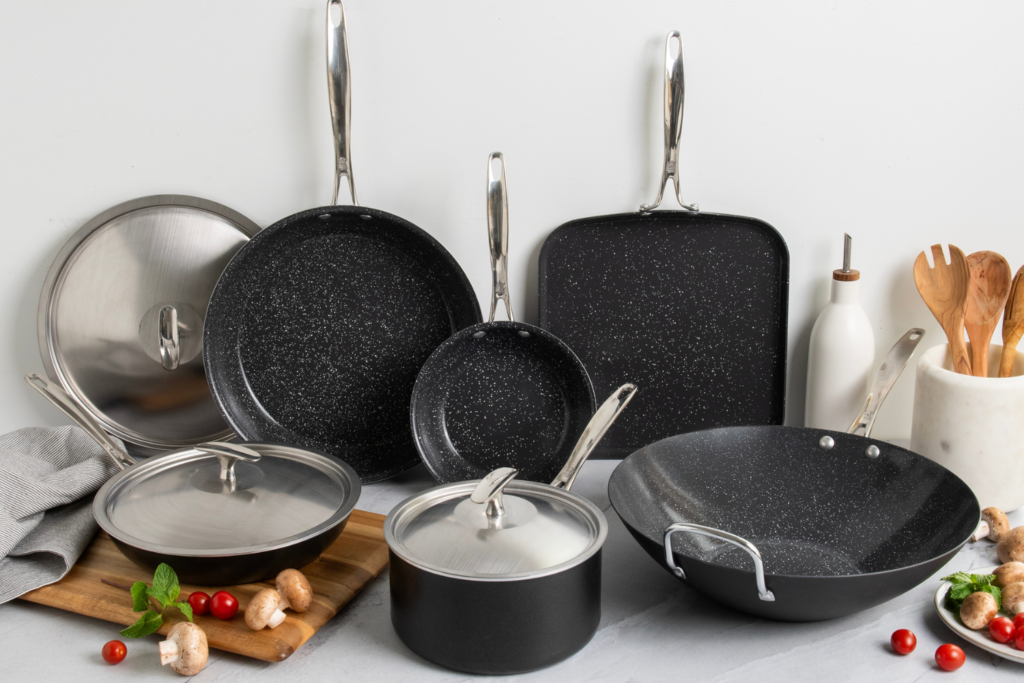
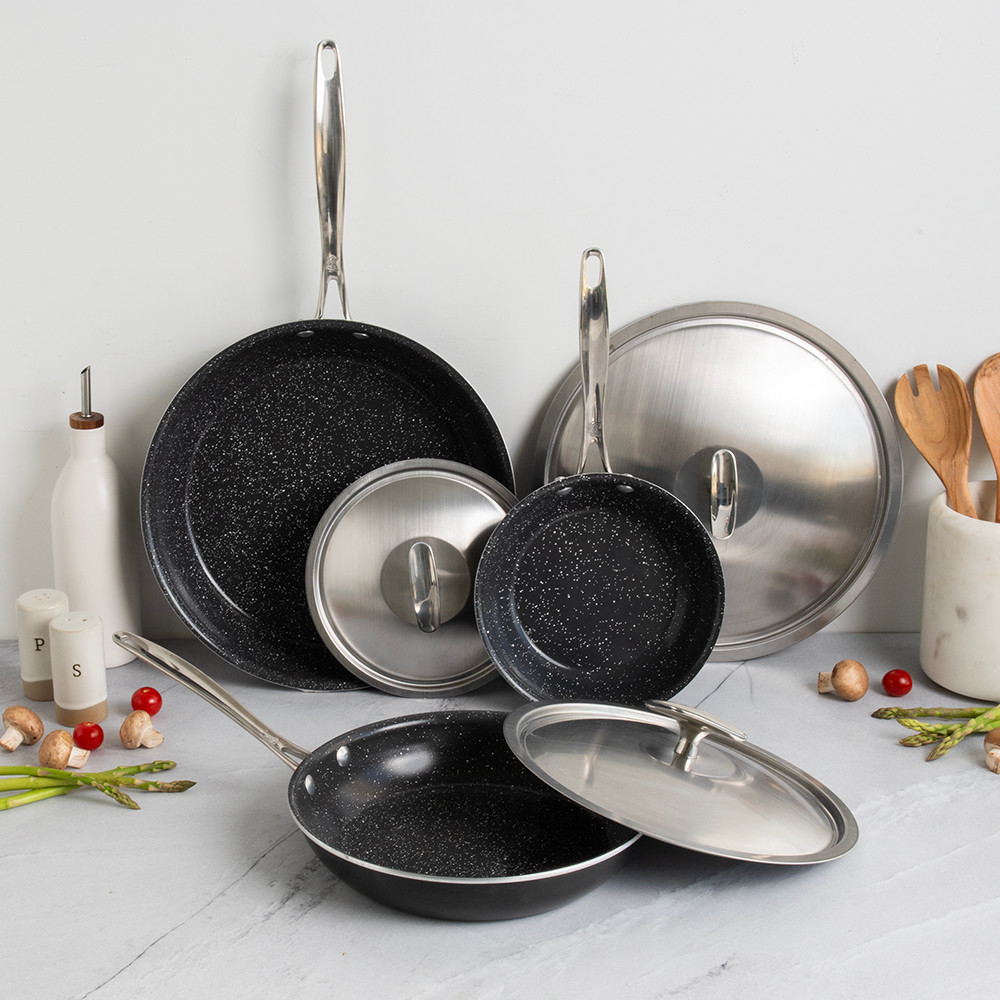
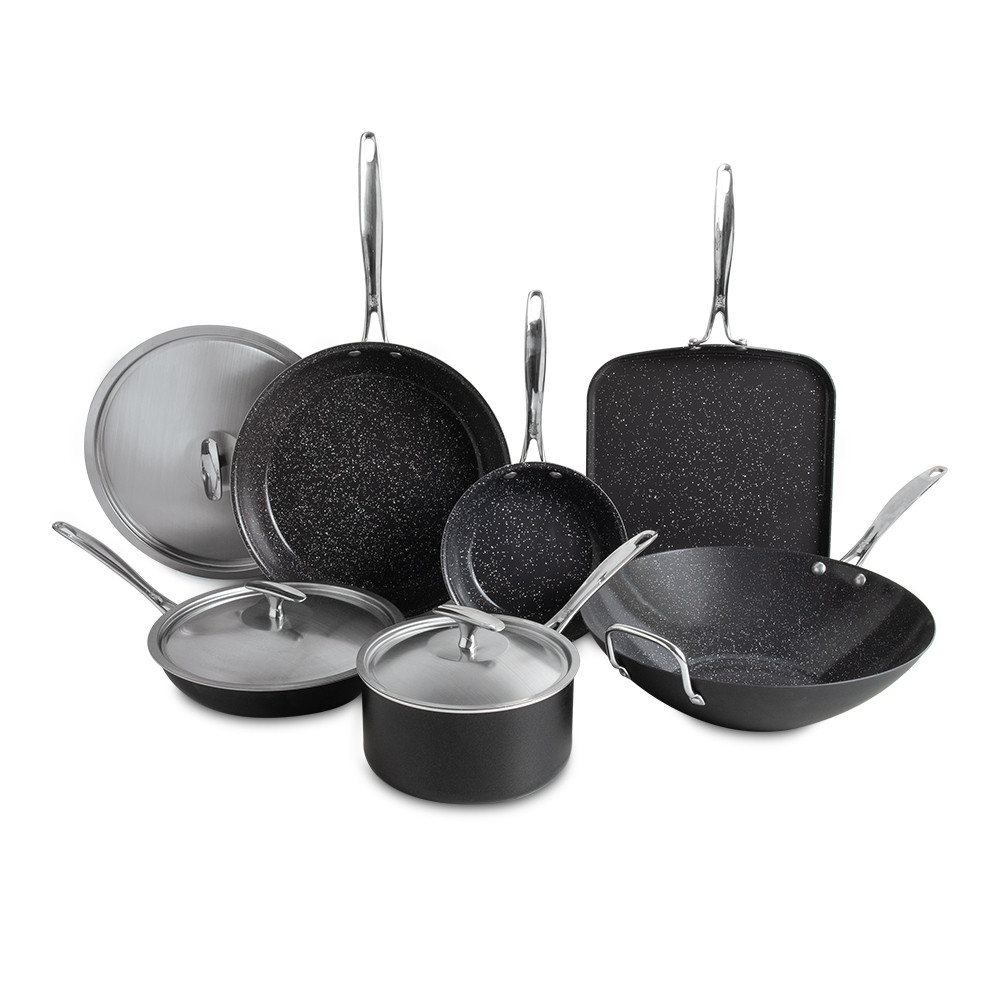
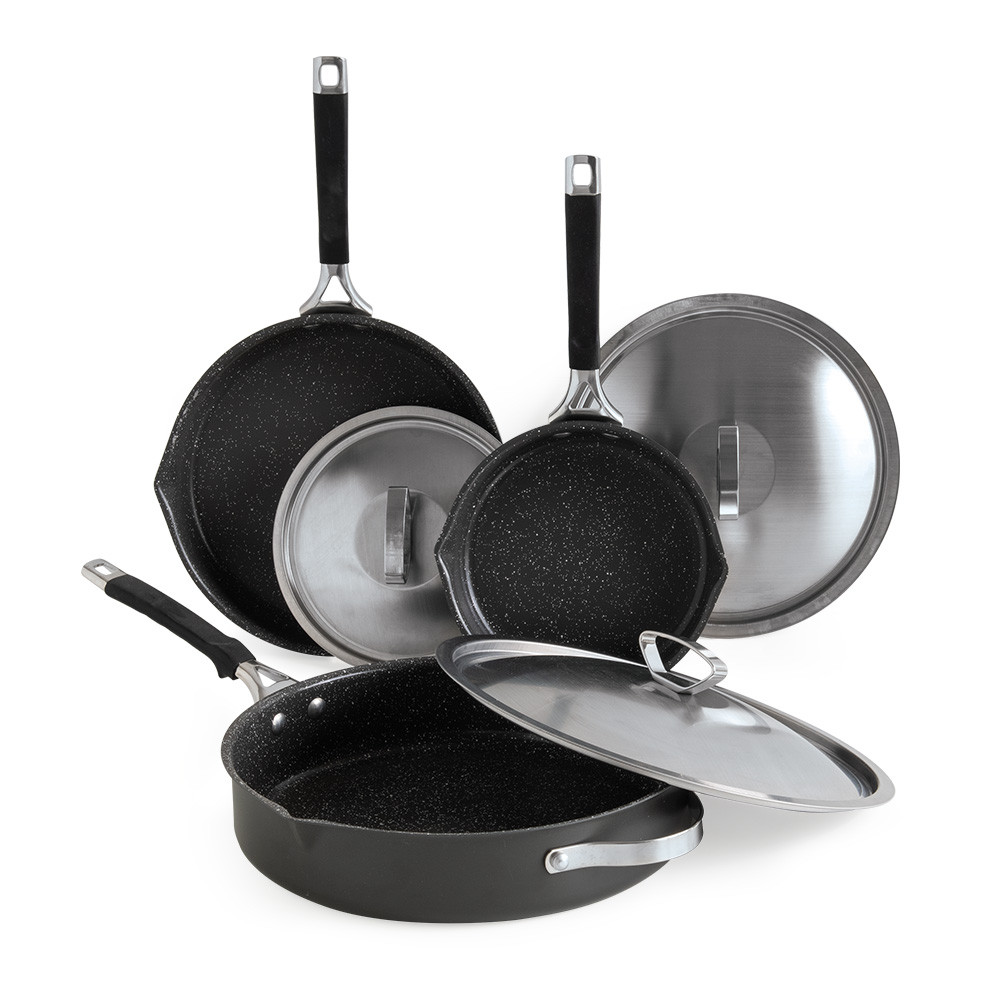
Designed for cooks who want professional performance with consciously chosen materials, the Verde Collection brings together aluminized steel construction and an advanced three-layer ceramic nonstick coating for exceptional durability and even heating.
Made without PFAS, PTFE or PFOA, Verde offers a cleaner approach to everyday cooking while delivering the responsiveness needed for gas stovetops. The cookware heats quickly, transitions seamlessly from stovetop to oven and features comfortable riveted stainless steel handles with silicone grips for added control.
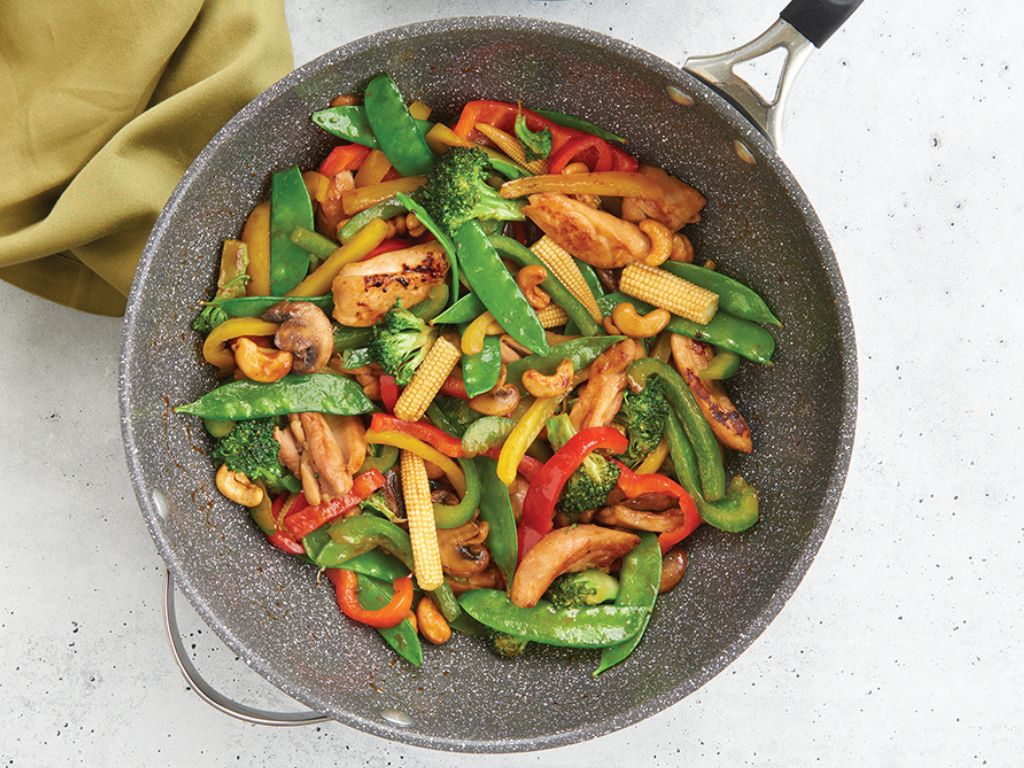
From high-sided skillets that excel at browning and searing to braisers, stockpots and a versatile wok, Verde is built to tackle everything from weeknight meals to ambitious weekend cooking—all while making cleanup refreshingly simple.
You are not logged in.
Log in | Create Account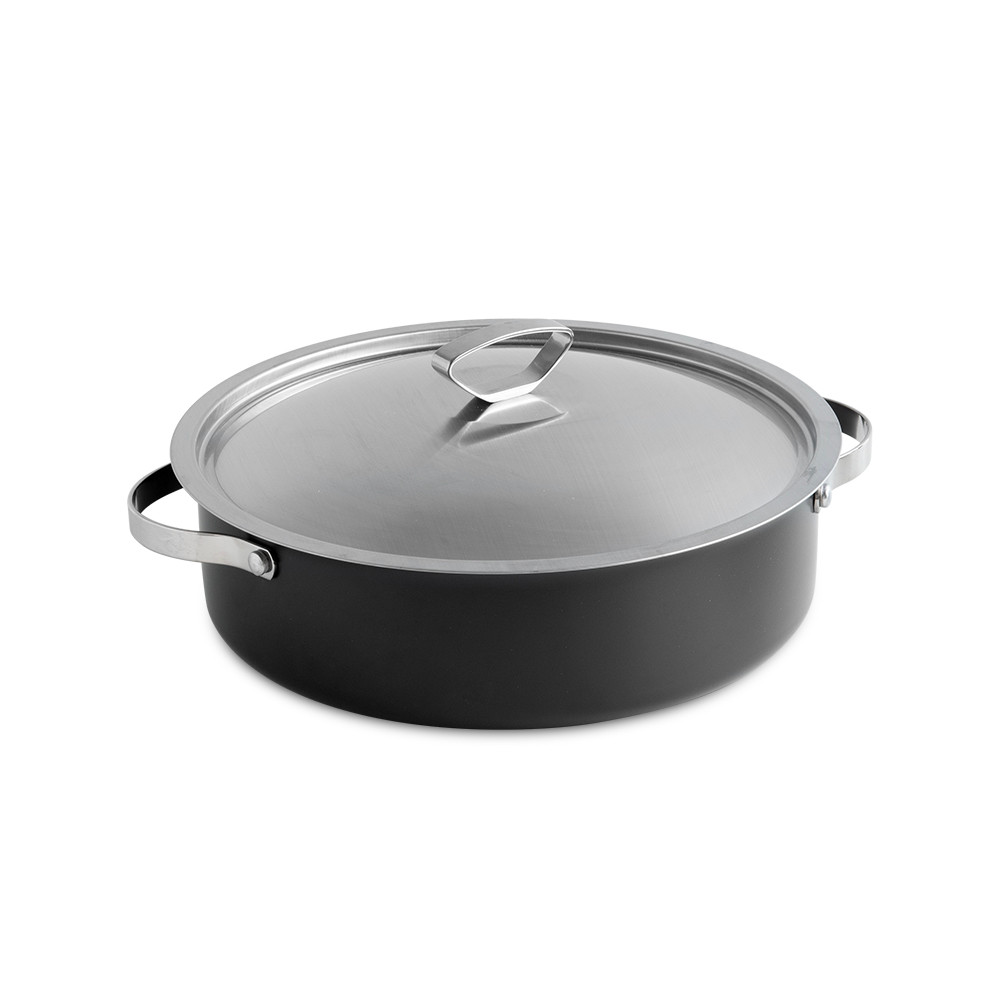
Expert Tips for Cooking on a Gas Stove
Even the best cookware performs better when paired with good cooking habits.
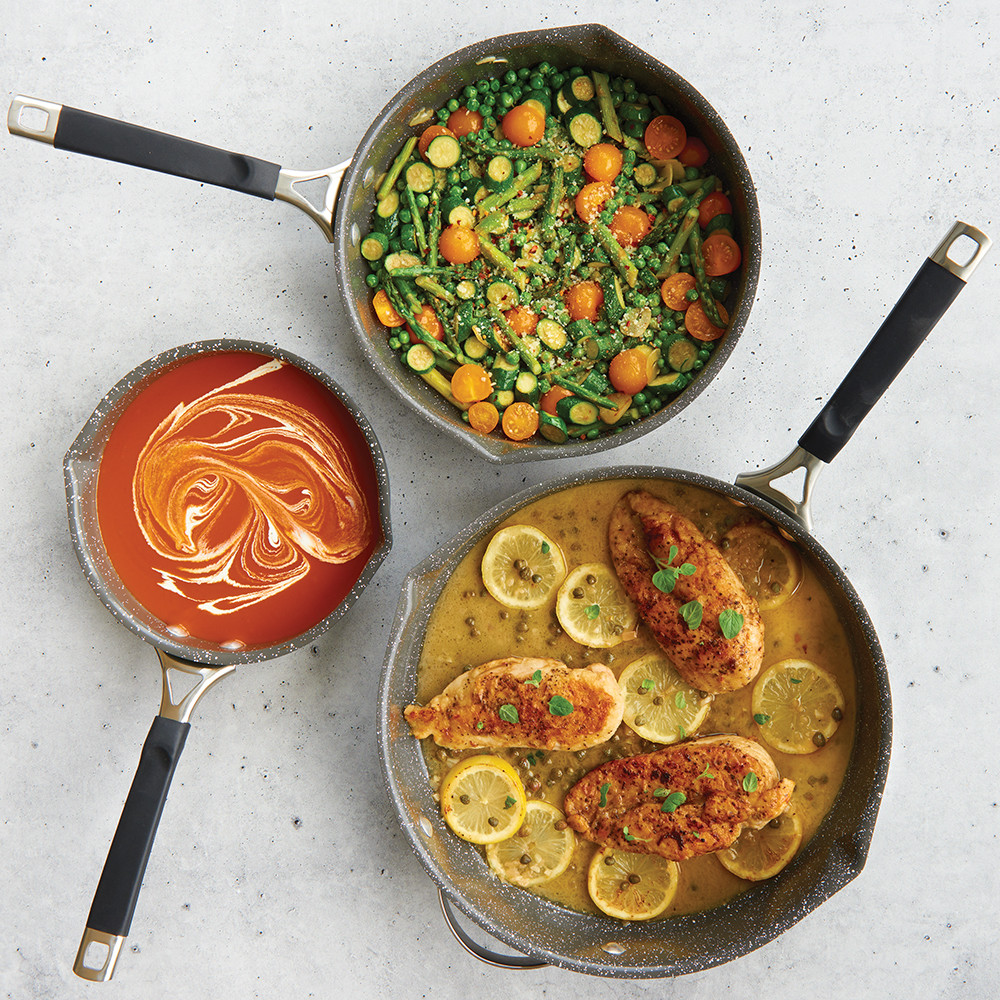
- Match the Flame to the Pan: A common mistake is allowing flames to extend well beyond the edges of the cookware. Instead, adjust the burner so the flame stays beneath the bottom of the pan. This helps improve efficiency while protecting cookware from unnecessary heat exposure.
- Preheat Before Adding Food: Allow your pan to heat gradually over medium heat before adding oil or ingredients. This creates a more even cooking surface and improves browning while reducing the chance of food sticking.
- Don’t Automatically Cook on High: Gas burners can become extremely hot very quickly. Medium heat is sufficient for most everyday cooking. Reserve high heat for boiling water or quickly searing meats.
- Use the Right Pan Size: Choose cookware that closely matches the size of your burner. A small pan on a large burner wastes energy and may overheat the sides of the cookware, while an oversized pan on a tiny burner can heat unevenly.
Care and Maintenance
Proper care helps your cookware maintain its appearance and performance for years.
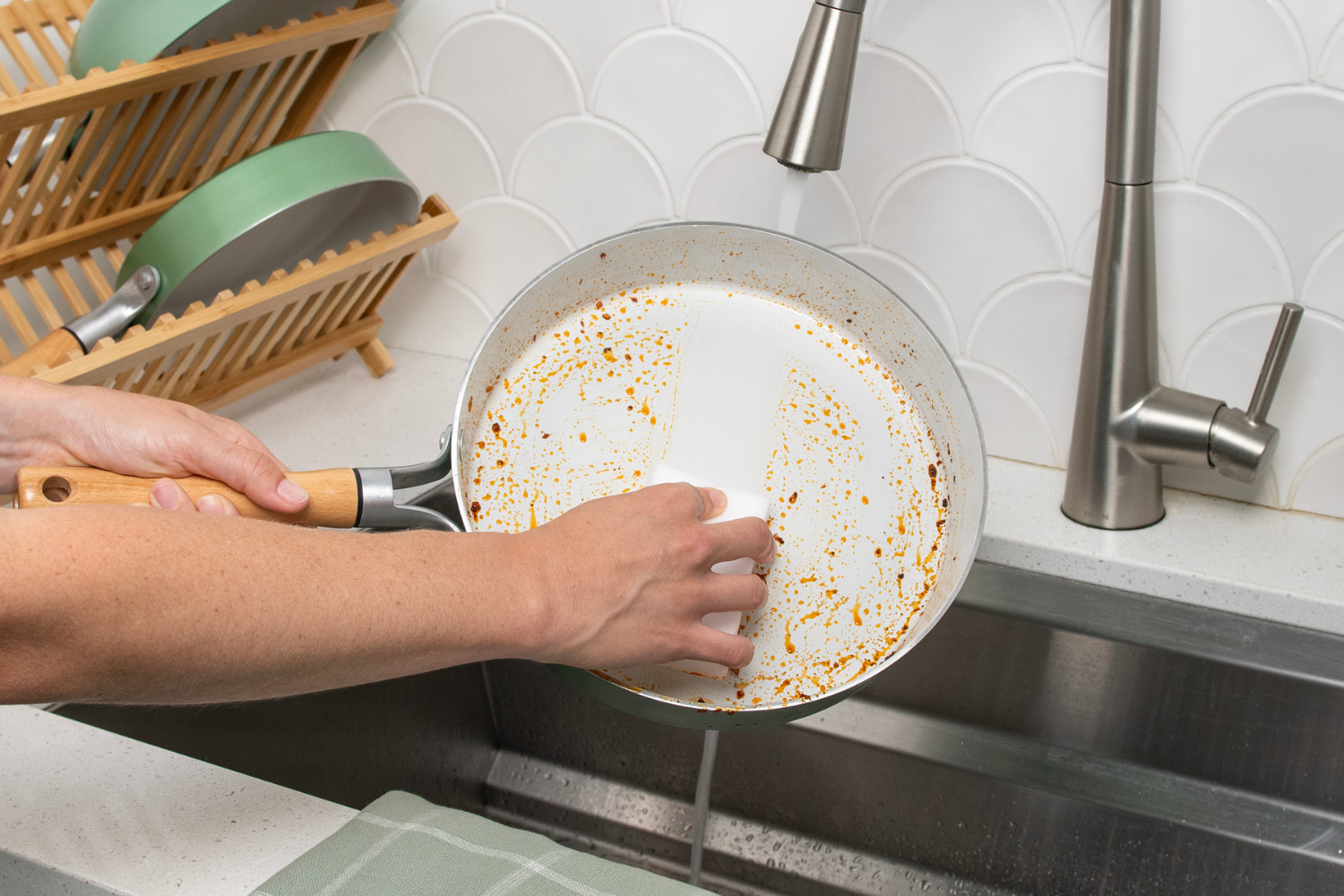
- Allow cookware to cool before washing to avoid unnecessary thermal shock, which can stress any cooking surface over time.
- Wash with warm, soapy water and use soft sponges rather than abrasive scrubbers to protect the ceramic coating.
- Wooden, nylon or silicone utensils are also good choices for preserving the cooking surface.
- With a little routine care, ceramic cookware can continue delivering dependable performance meal after meal.
Choosing Quality over Cost
It’s tempting to purchase inexpensive cookware, especially if you’re outfitting a new kitchen. But cookware is one of the hardest-working tools you’ll own.
Higher-quality cookware typically heats more evenly, lasts longer and delivers more consistent cooking results. It also reduces frustration—from uneven pancakes to burned sauces—making cooking more enjoyable overall.
Rather than replacing lower-quality pans every few years, investing in durable cookware often pays off over time through better performance and longer lifespan. Think of it as buying fewer pieces—but choosing better ones.
Final Thoughts
The best cookware for a gas stove ultimately comes down to how you like to cook.
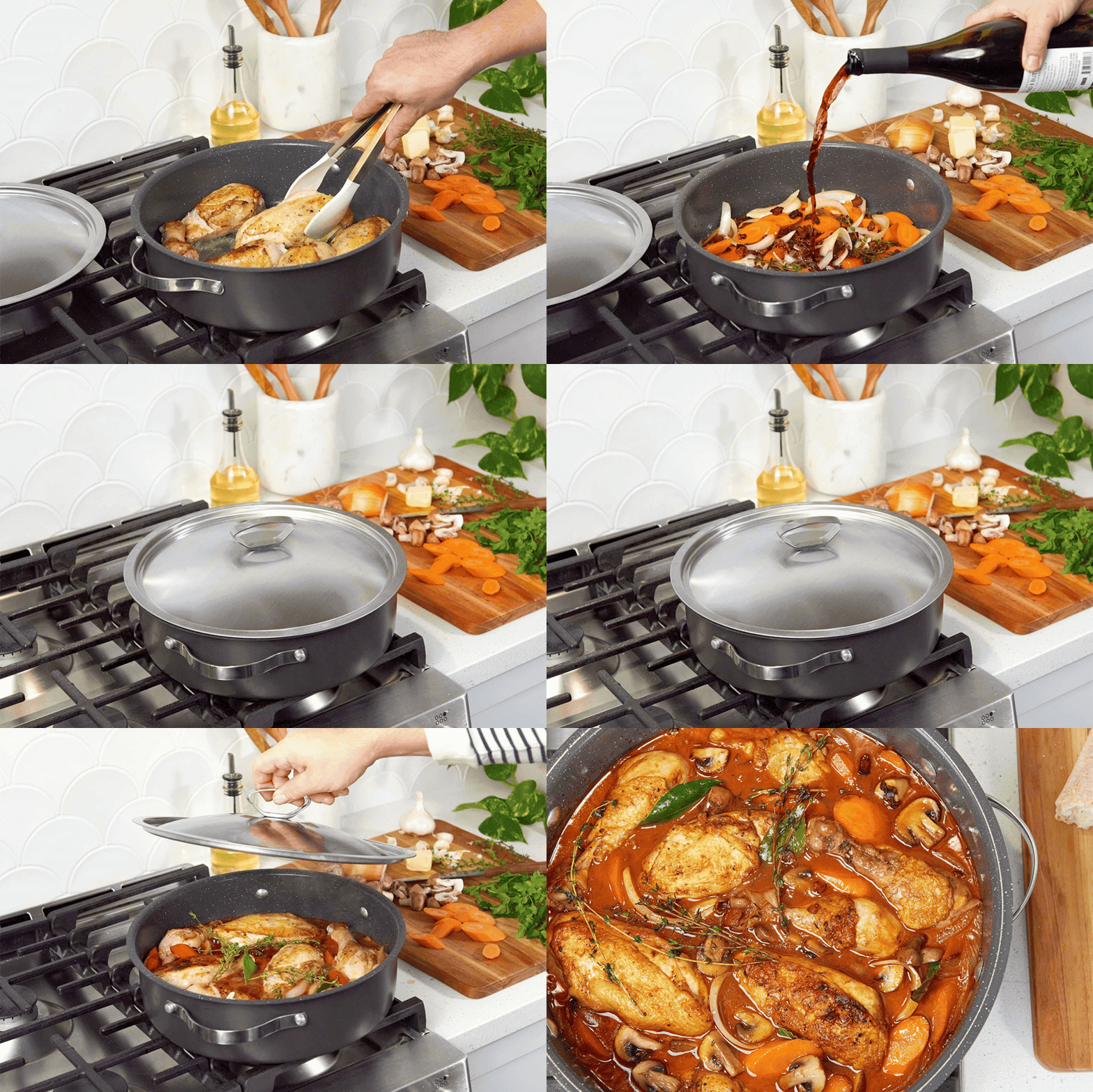
If you frequently prepare one-pan meals or sear meats, durable cast aluminum cookware provides excellent heat distribution and long-lasting performance. If quick cleanup and effortless food release are your priorities, ceramic nonstick cookware makes everyday cooking simple without sacrificing performance.
The good news is you don’t have to choose between function and convenience. Modern aluminum cookware with premium ceramic coatings offers responsive heating, even cooking and easy maintenance—all qualities that pair beautifully with the precision of a gas stove.
FAQ Section
Q: What kind of pots and pans are best for gas stoves?
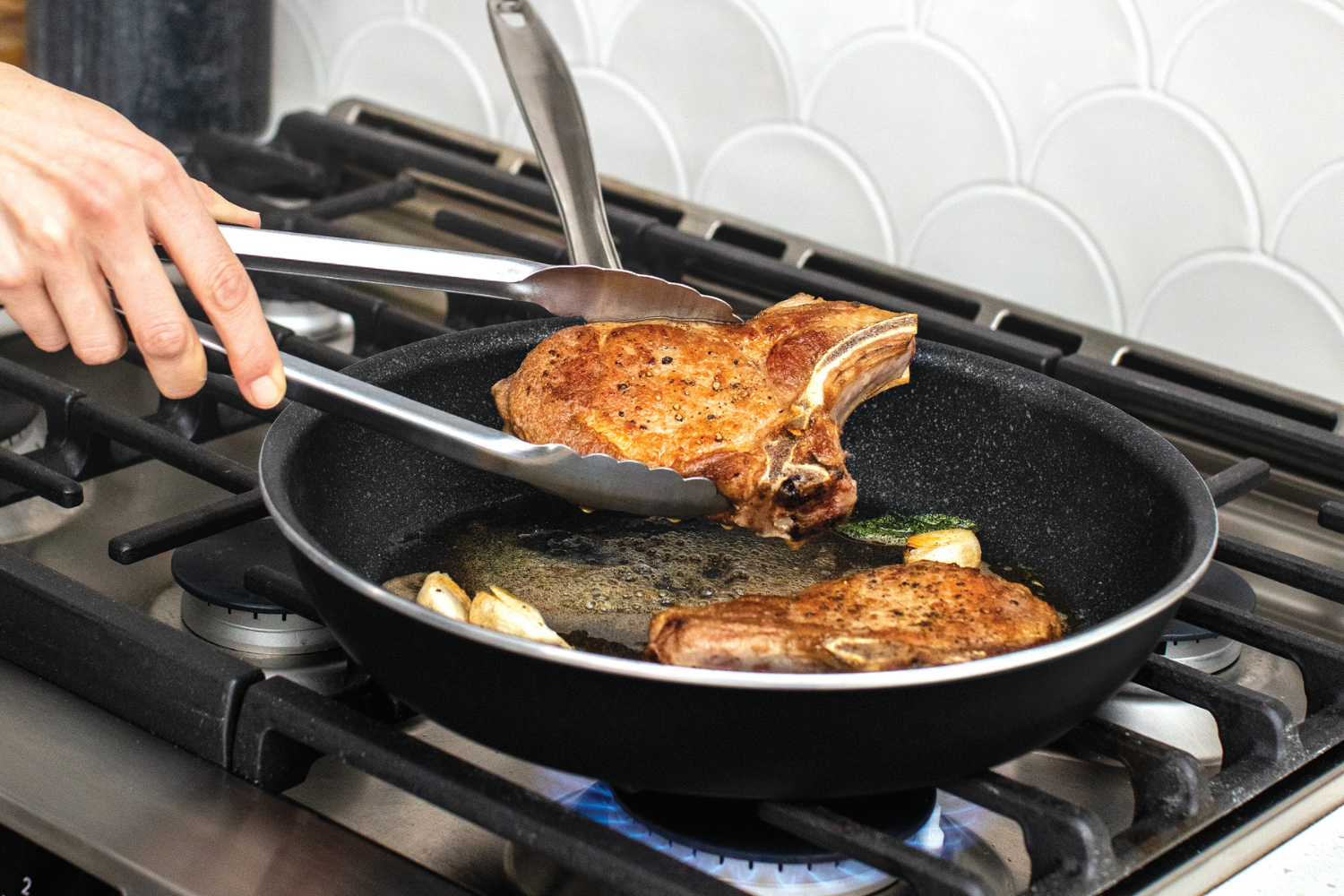
Cookware that heats evenly and responds quickly to changes in temperature performs best on gas stoves. Heavy-gauge aluminum cookware with a premium ceramic non-stick coating is an excellent choice because it distributes heat efficiently while standing up to direct flame.
Q: What materials are ideal for gas stoves?
Aluminum is one of the best materials for gas cooking thanks to its excellent heat conductivity. High-quality ceramic-coated aluminum cookware combines responsive heating with easy food release and straightforward cleanup.
Q: Can I use nonstick pans on a gas stove?
Absolutely. Quality ceramic cookware is designed to perform well on gas ranges, offering even heating, excellent food release and easy cleanup. Just be sure to avoid allowing flames to extend beyond the base of the pan.
Q: Are there cookware materials to avoid on gas stoves?
Very lightweight or thin cookware can develop hot spots or warp over time when exposed to direct flame. Choosing well-constructed cookware made from durable materials like heavy cast or spun aluminum helps ensure more consistent cooking and long-lasting performance.