How to Choose the Best Muffin Pan: Materials, Sizes, and What Really Matters
Table of Contents:
- Why Your Muffin Pan Matters
- Muffin Pan Materials: Pros and Cons
- Nonstick Coatings: What You Need to Know
- Muffin Pan Sizes and Cavity Volume
- Design Features That Improve Baking
- What to Bake in a Muffin Pan (Besides Muffins)
- Nordic Ware Muffin Pans: Our Approach to Better Baking
- Muffin Pan FAQs
- Care and Cleaning Tips
- Final Thoughts: Which Pan Fits Your Baking Style?
Why Your Muffin Pan Matters
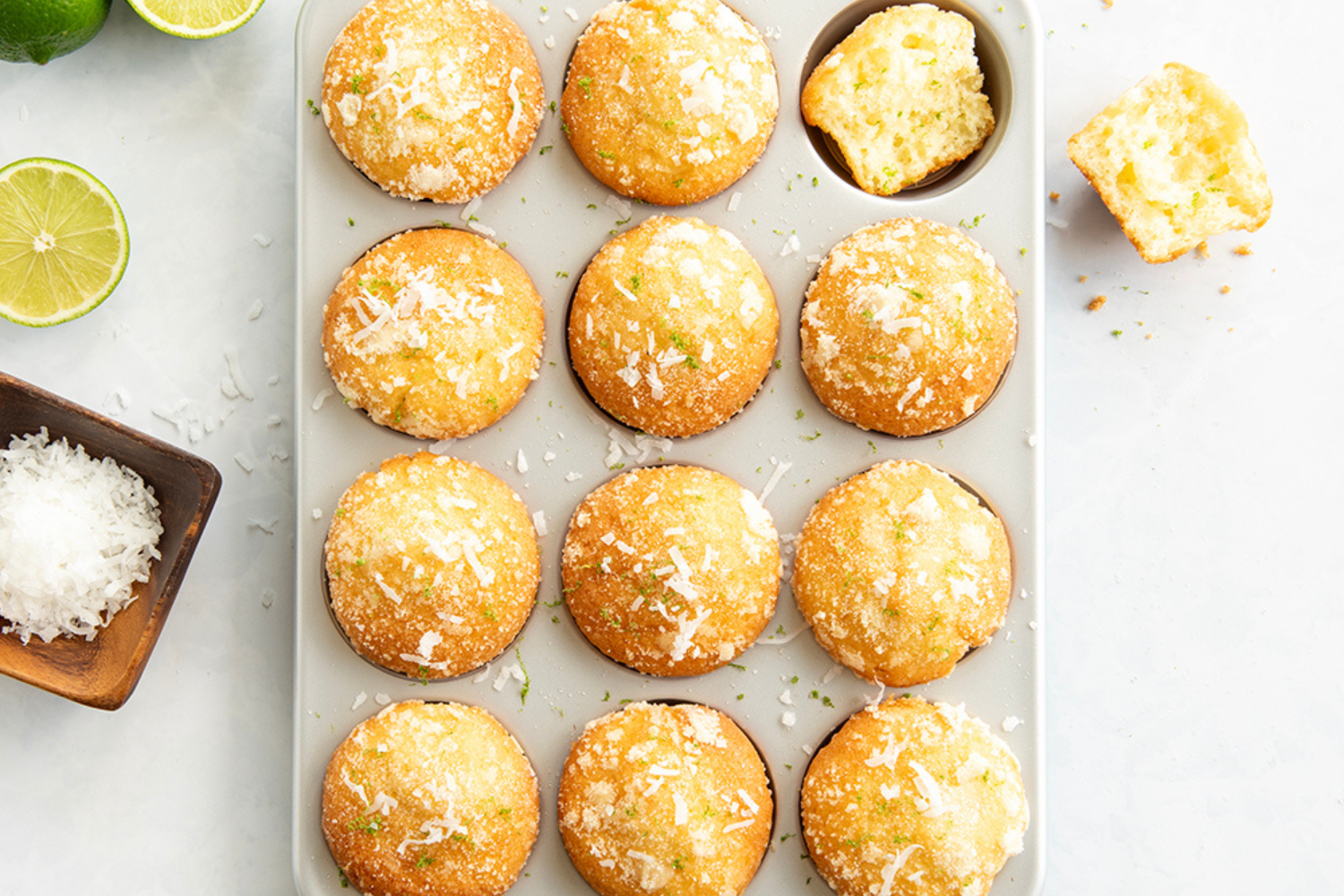
Let’s clear something up: The muffin pan is not just a passive bystander in your baking routine. It’s a full-on performance tool. The right pan controls how heat moves, which directly affects browning, rise, shape, and even how moist your muffins stay once they’re out of the oven. A flimsy pan? That’s how you end up with pale bottoms, domed disasters, or muffins that bake unevenly and stick like they’re holding a grudge. And don’t even get us started on warped pans that wobble every time you slide them onto the rack.
A high-quality muffin pan, on the other hand, shows up and does the work. It heats evenly, releases cleanly, and gives you consistent results batch after batch, no sacrificial muffins or aggressive scrubbing afterward. Better materials and construction also mean less waste (because you’re not rebaking failed batches) and more confidence when you’re baking for a crowd. In short, your recipe can only be as good as the pan backing it up.
What makes one muffin pan better than another?
- Even heat distribution for consistent browning
- Sturdy construction that resists warping
- Reliable nonstick performance for easy release and cleanup
- Thoughtful design that helps muffins rise tall, not sideways
Because when muffins are on the line, your pan shouldn’t be the weak link.
Muffin Pan Materials: Pros and Cons
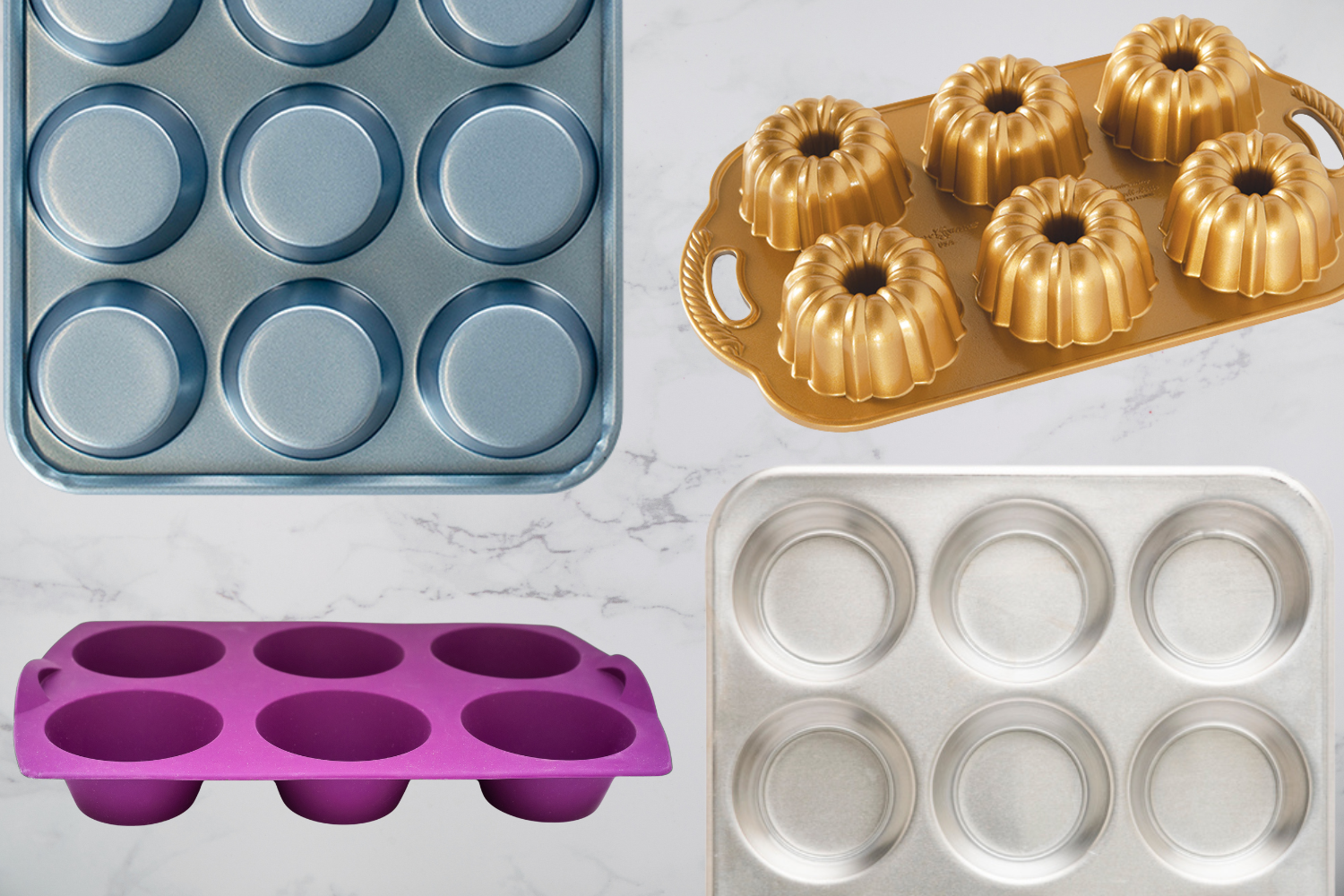
Not all muffin pans are created equal and no, this is not baking snobbery, it’s physics. The material your pan is made from affects how heat moves, how evenly your muffins bake, and whether you’re celebrating at the oven door or prying muffins out with a butter knife. Here’s the breakdown.
Aluminum Muffin Pans
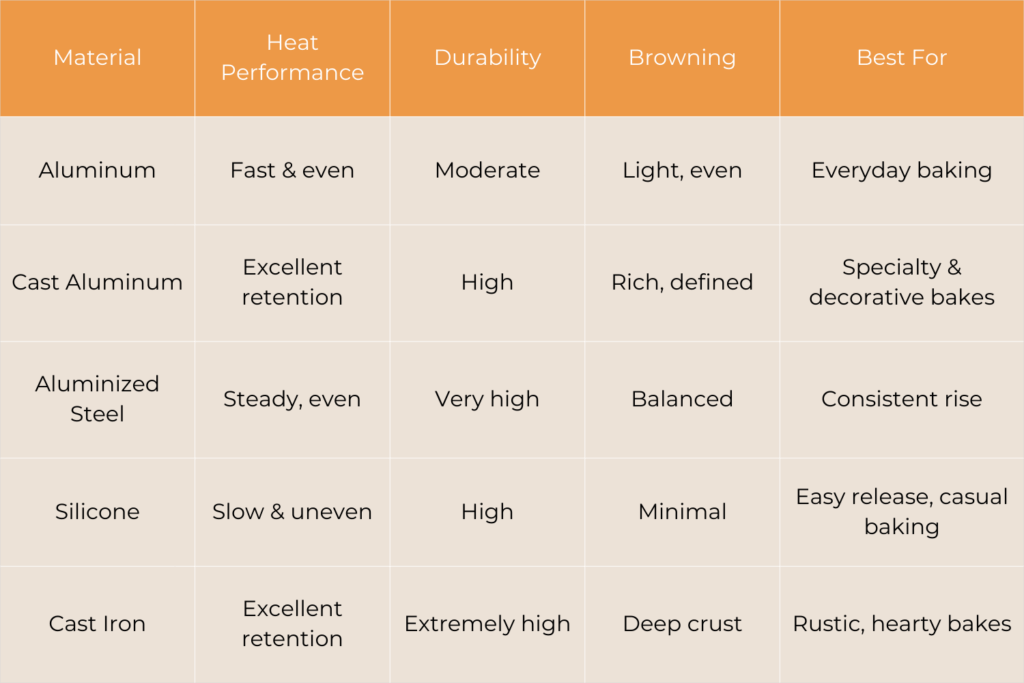
Aluminum is the overachiever of the bakeware world. It conducts heat quickly and evenly, which means reliable rise and consistent browning. It’s lightweight, responsive, and widely used by professional bakers who don’t have time for uneven results.
Cast Aluminum Muffin Pans (e.g., Nordic Ware Bundtlette® Pan)
Cast aluminum is aluminum’s glow-up. Thicker walls mean better heat retention and beautifully defined bakes, especially when paired with premium nonstick coatings. These pans are durable, warp-resistant, and ideal for decorative or specialty muffins where shape really matters.
Aluminized Steel Muffin Pans
If aluminum and steel had a very practical baby, this would be it. Aluminized steel is heavier and sturdier than aluminum alone, heats a bit more slowly, and promotes a steady, even rise. It’s often finished with nonstick coatings and holds its shape well under high heat.
Silicone
Flexible? Yes. Forgiving? Sure. Structurally supportive? Not really. Silicone is naturally nonstick but doesn’t brown well and tends to produce softer, paler muffins. It usually needs to sit on a sheet pan for stability. Otherwise, things can get… sloshy.
Cast Iron
Cast iron brings the drama (in a good way). Incredible heat retention and crust development, but it’s heavy, requires seasoning, and demands careful care. Less common for muffins, but beloved by bakers who want serious browning and don’t mind the maintenance.
Nonstick Coatings: What You Need to Know
Nonstick isn’t just about easy cleanup (though that’s a big win). It also affects release, browning, and how your muffins hold their shape. The key thing to know? Not all nonstick coatings are created equal. Look for a durable coatings that’s made without PFAS and won’t flake or fade after a few uses. Lighter-colored coatings generally promote better browning, while darker coatings tend to deliver a crispier exterior.
Nordic Ware uses proprietary, nonstick coatings made without PFAS designed to perform consistently over time, because a pan that works great for six months and then gives up is not actually a good pan.
Muffin Pan Sizes and Cavity Volume
Standard Muffin Pans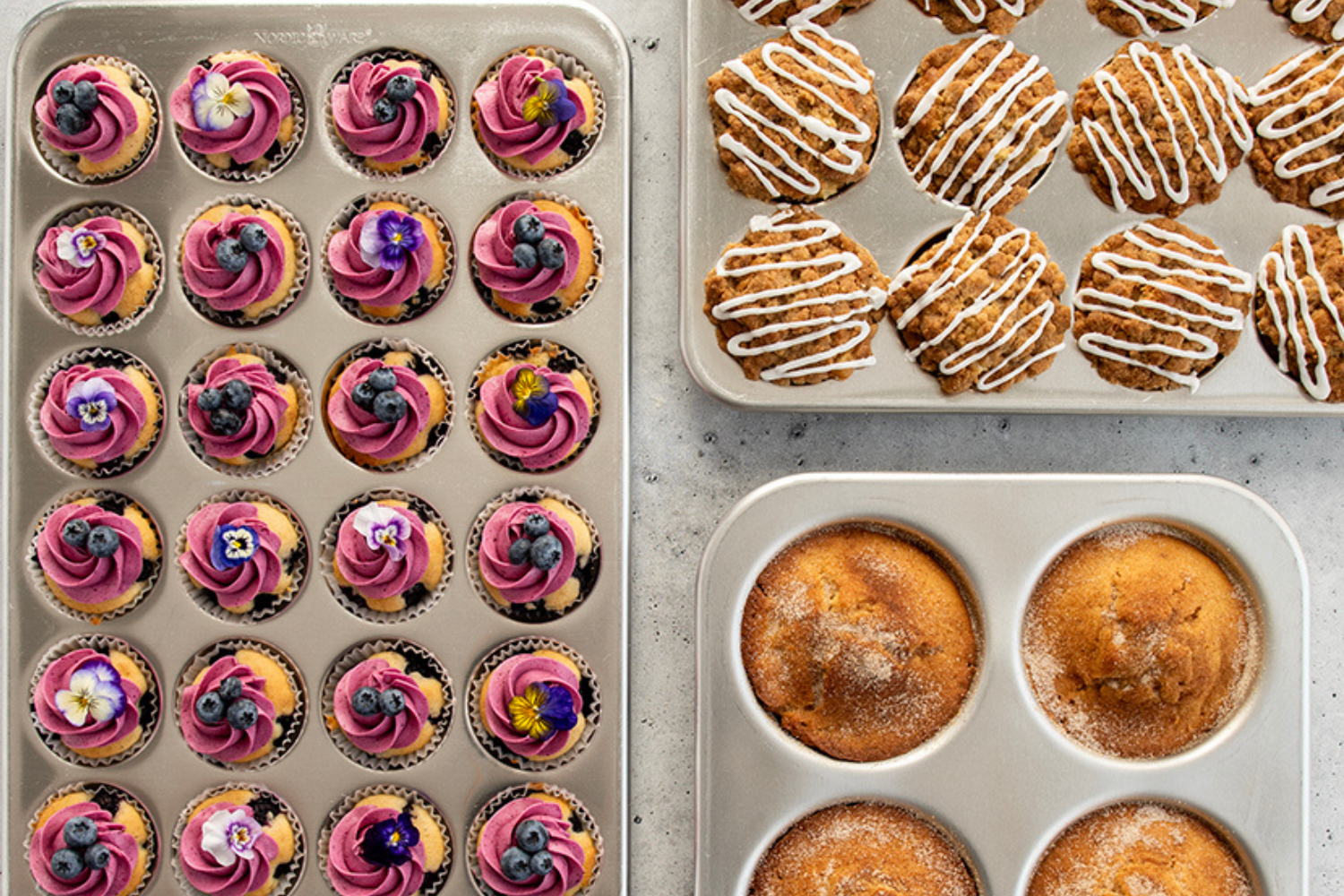
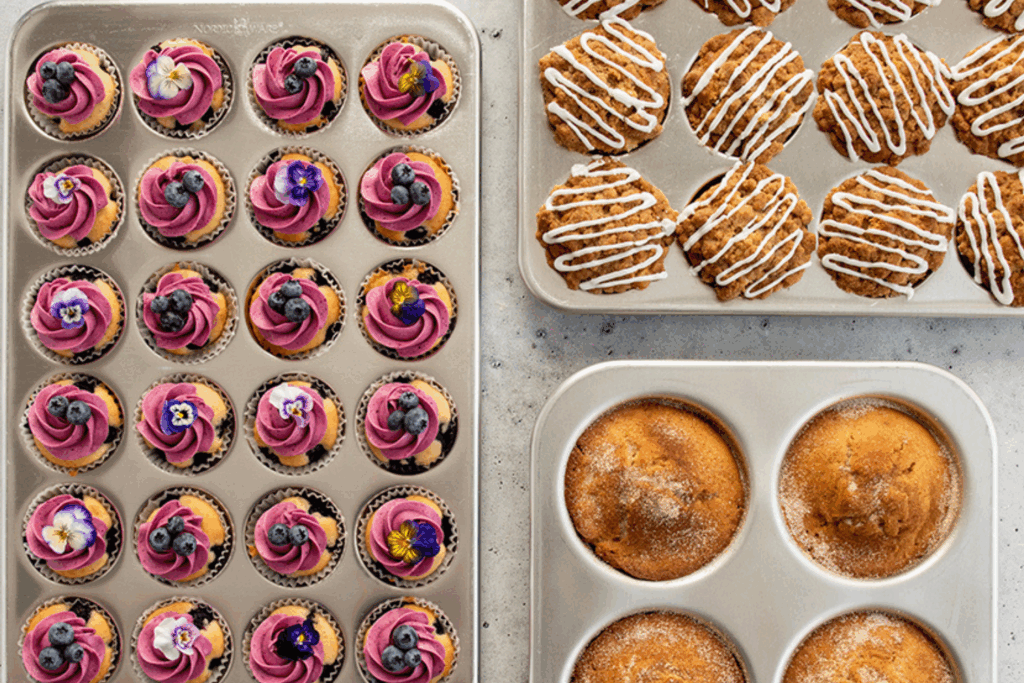
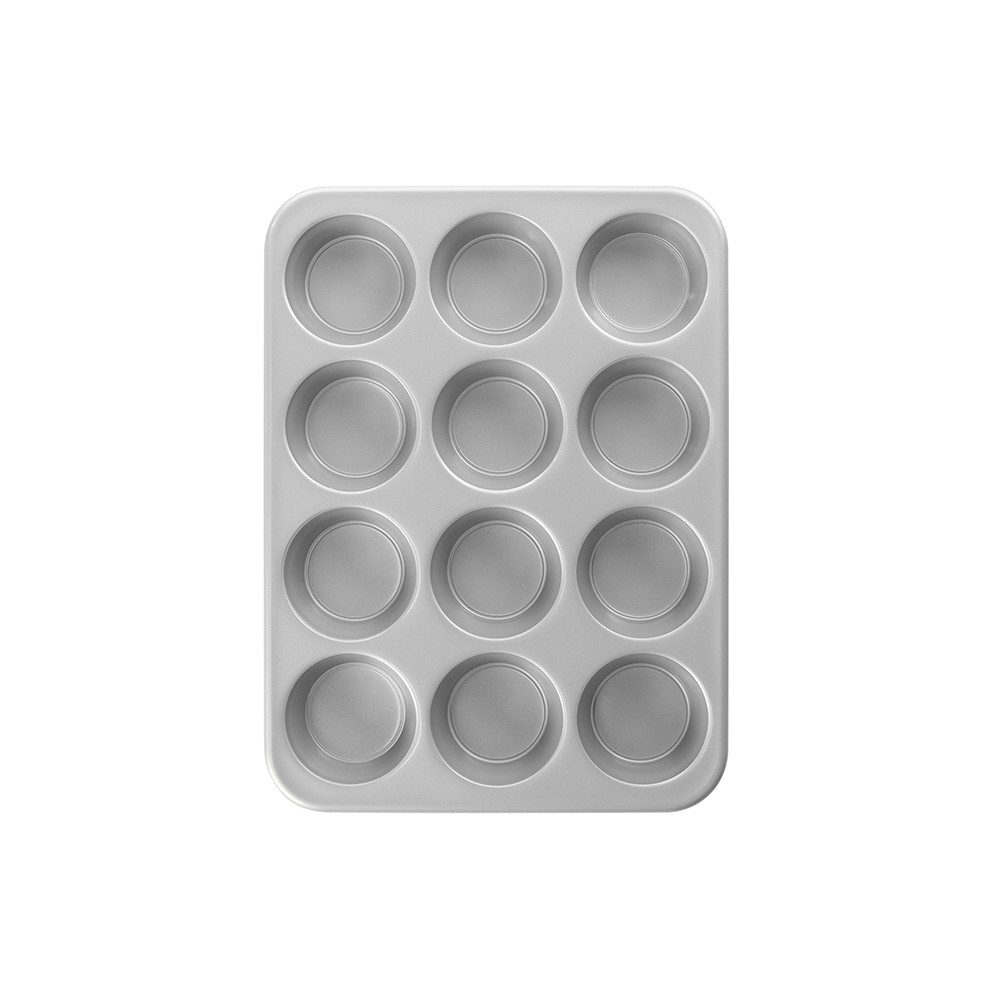
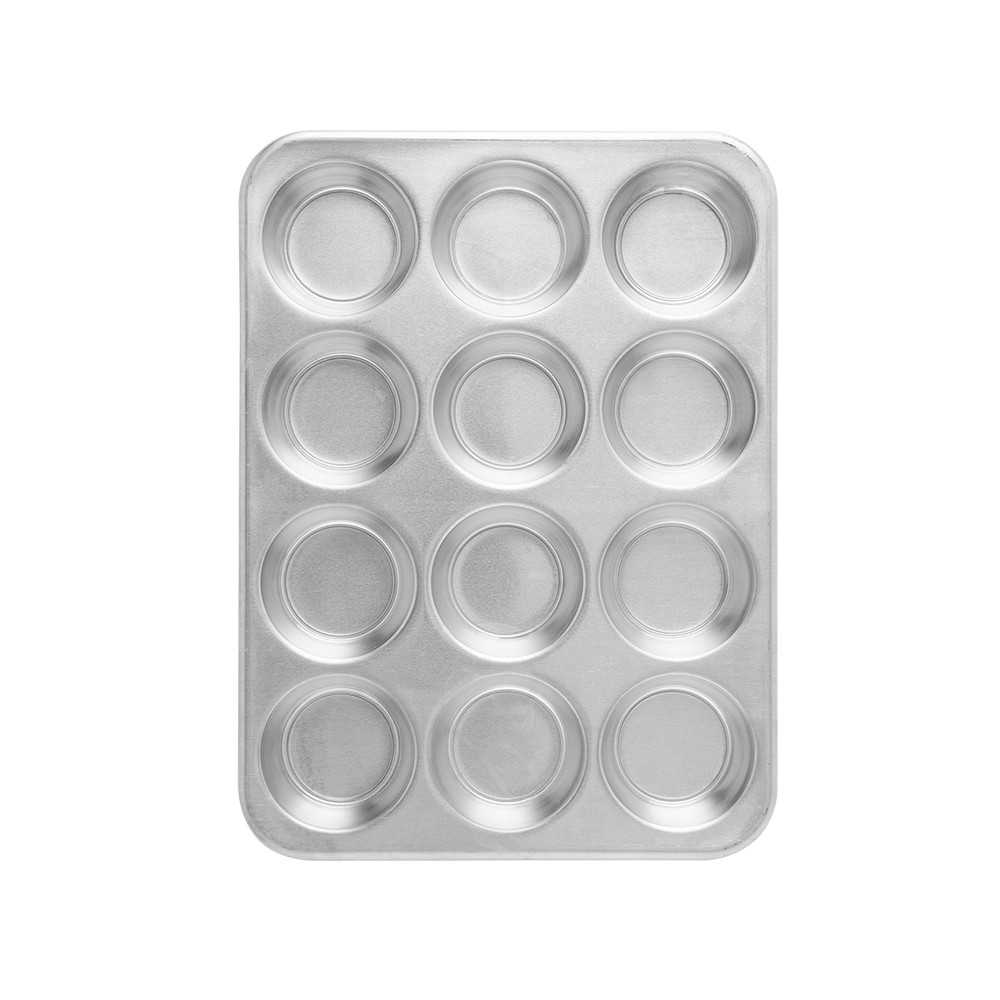
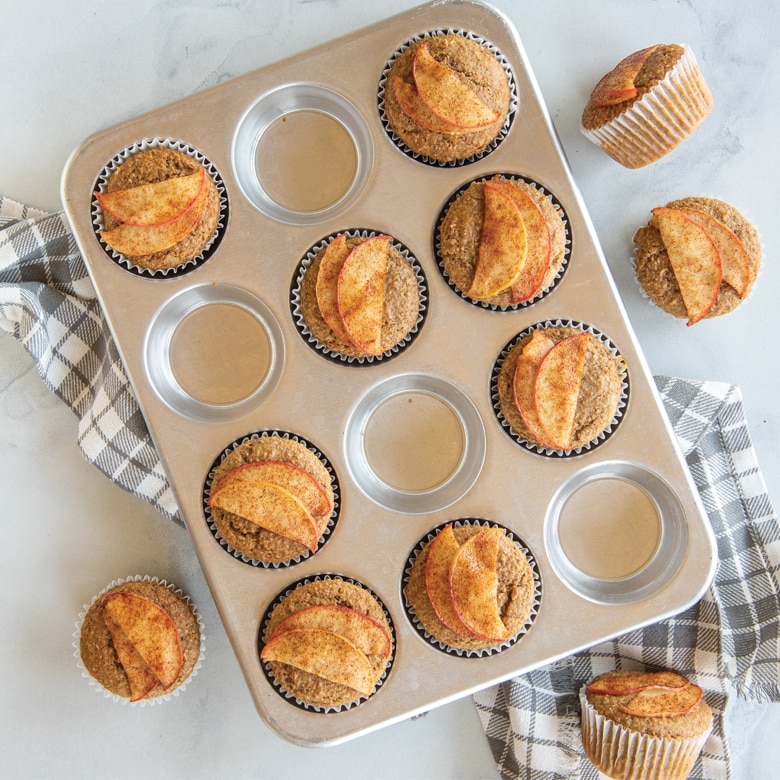
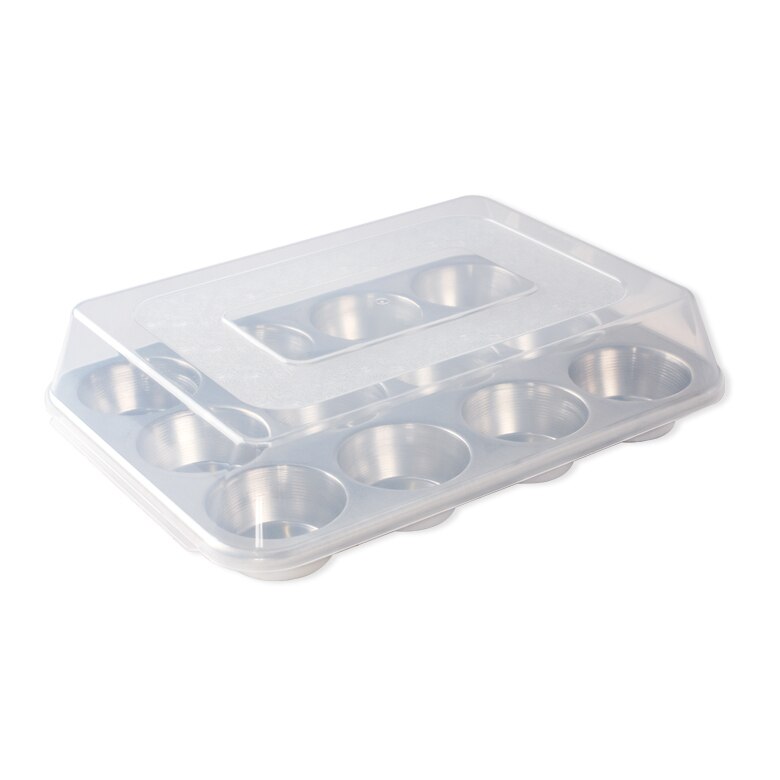
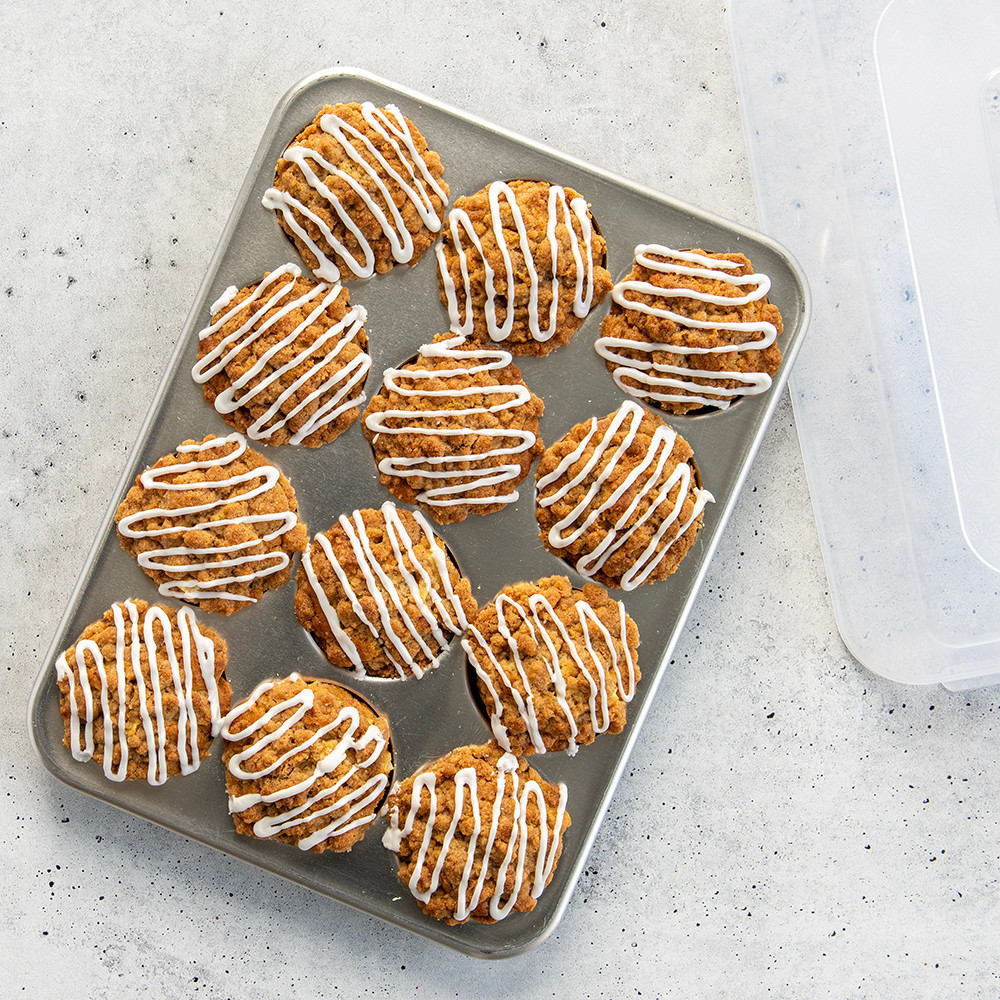
The classic. Typically 12 cavities, each holding about 100 ml. Most muffin and cupcake recipes are written for this size, making it the safest bet for everyday baking.

Mini Muffin Pans
Perfect for appetizers, kids’ snacks, party desserts, and anything you want to eat in two bites (or one, we won’t judge).
Product image gallery with 8 items. Use the thumbnail buttons below the main image to navigate between images and videos. Each thumbnail button is labeled with its content type and position. The main images can be zoomed by using the "View full size" link below each image. Use arrow keys to navigate when thumbnails have focus.
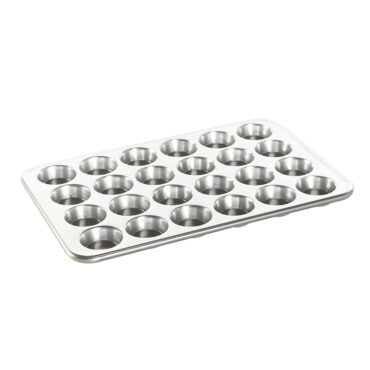
Product image 1 of 8: Nordic Ware natural aluminum petite muffin pan with 24 mini cavities, rectangular shape, light silver finish
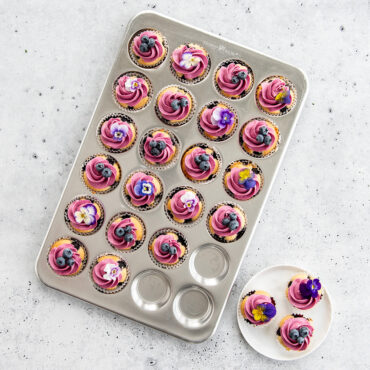
Product image 2 of 8: Nordic Ware aluminum 24-cavity petite muffin pan with small frosted cupcakes, natural finish
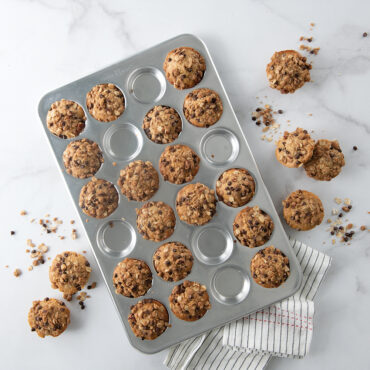
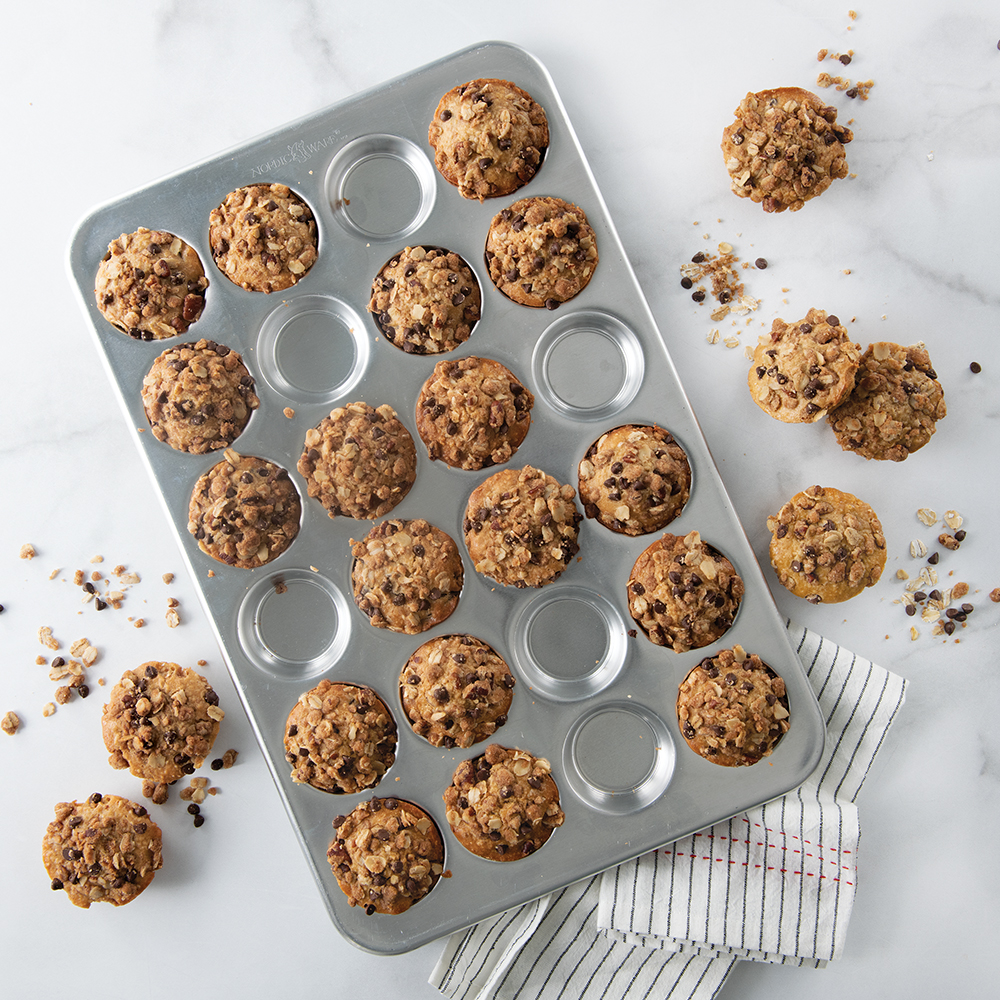
Product image 3 of 8: Nordic Ware aluminum 24-cavity petite muffin pan with golden brown mini muffins in natural silver finish
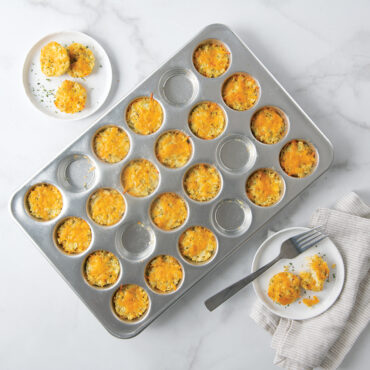
Product image 4 of 8: Nordic Ware aluminum 24-cavity petite muffin pan with golden baked egg bites, natural silver finish
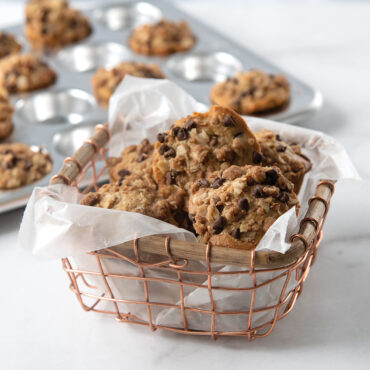
Product image 5 of 8: Nordic Ware aluminum 24-cavity petite muffin pan filled with golden baked granola muffins, natural finish
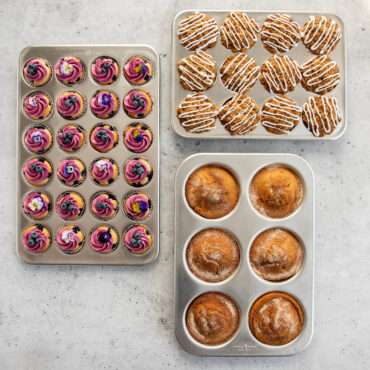
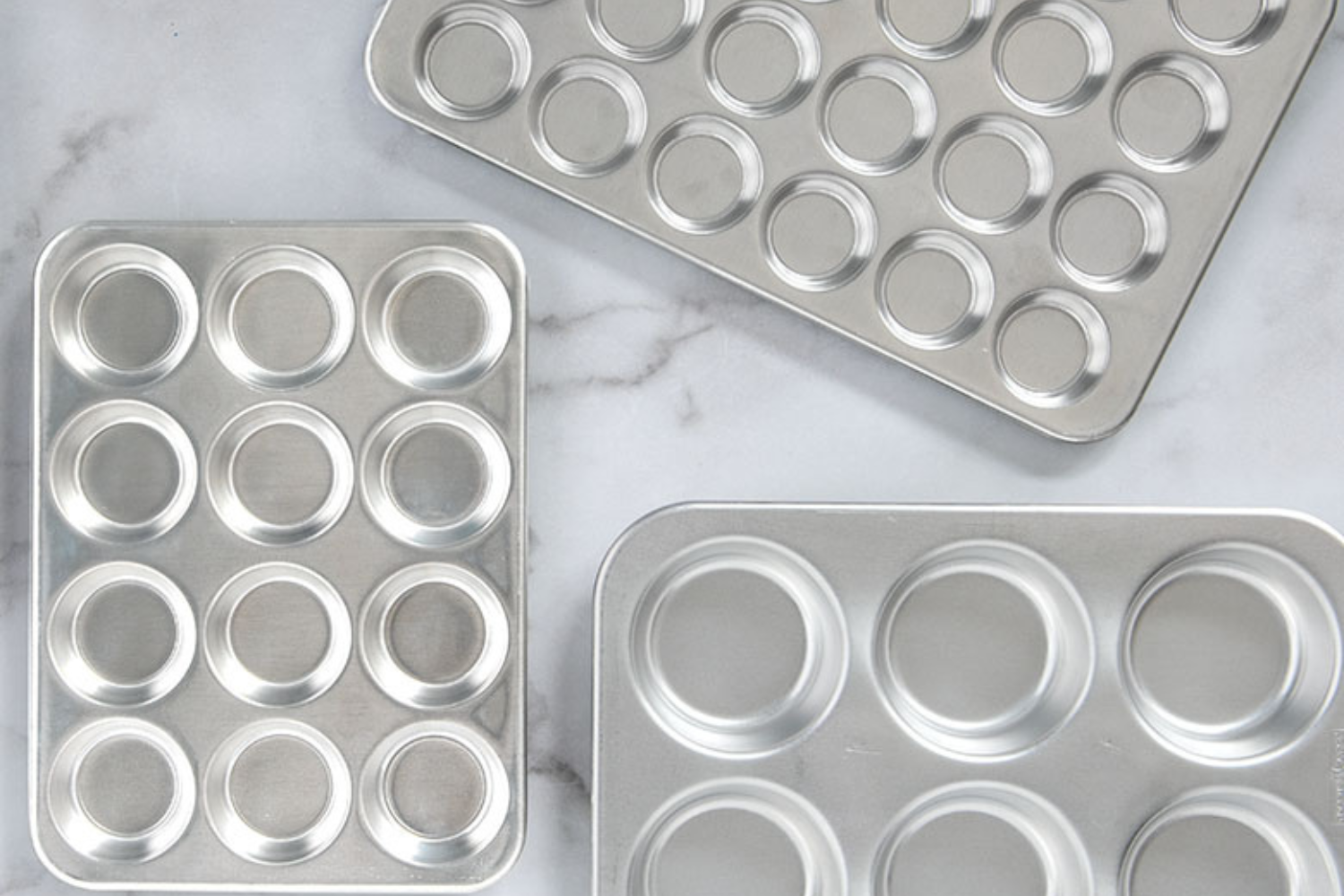
Product image 6 of 8: Three Nordic Ware Naturals aluminum muffin pans: 24-cavity petite, jumbo 6-cavity, and standard 12-cavity
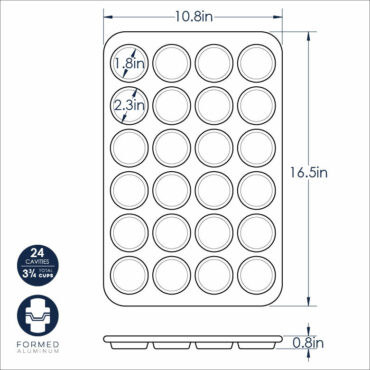
Product image 7 of 8: Nordic Ware Naturals aluminum 24-cavity petite muffin pan, rectangular with small round cups, natural silver finish
Thumbnail navigation: Use these buttons to view different product images and videos. Use arrow keys to navigate between thumbnails when focused.
Jumbo Muffin Pans
Bakery-style, show-stopping muffins. These require longer bake times and sometimes recipe adjustments, but the payoff is big, literally.
Product image gallery with 6 items. Use the thumbnail buttons below the main image to navigate between images and videos. Each thumbnail button is labeled with its content type and position. The main images can be zoomed by using the "View full size" link below each image. Use arrow keys to navigate when thumbnails have focus.
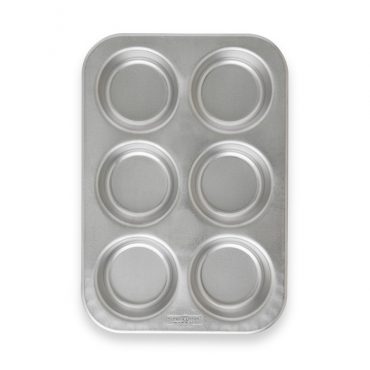
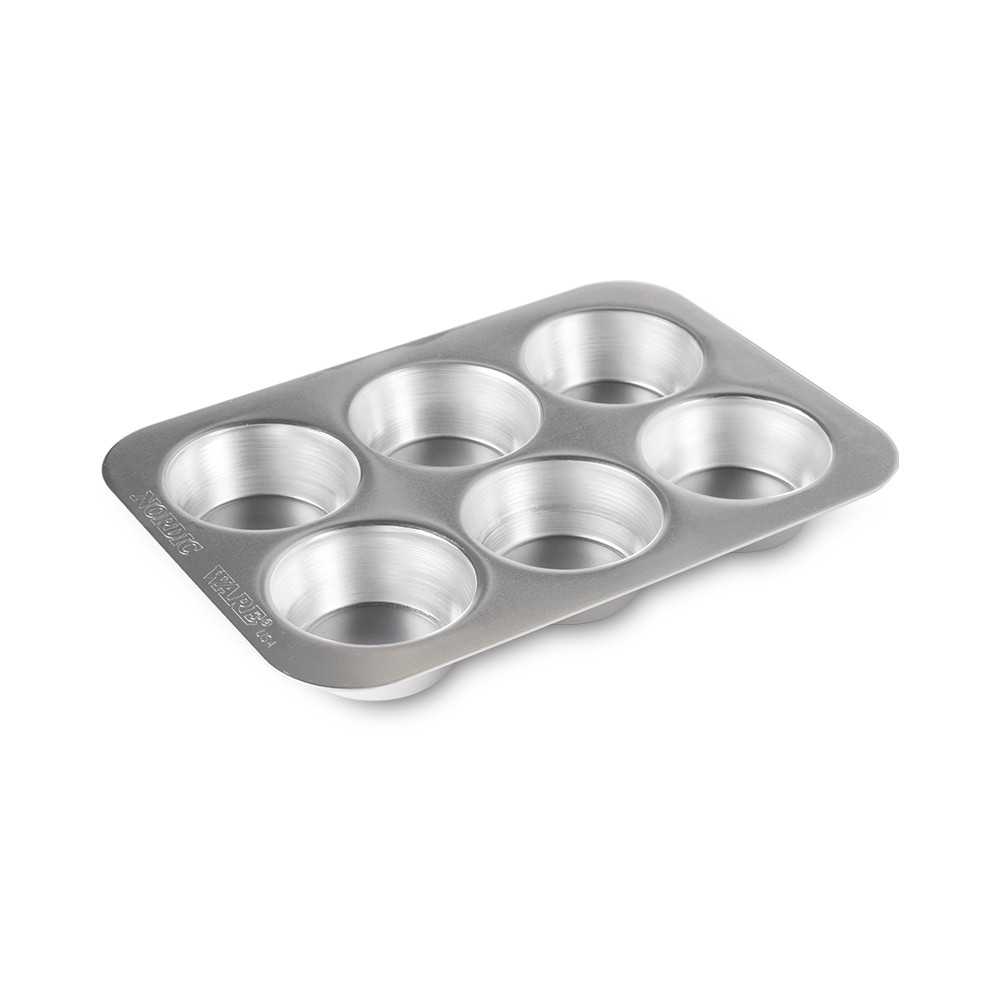
Product image 1 of 6: Nordic Ware Naturals aluminum jumbo muffin pan with 6 large cavities, natural silver finish, overhead view
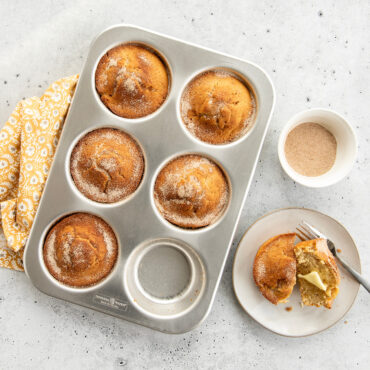
Product image 2 of 6: Nordic Ware Naturals aluminum jumbo muffin pan with 6 cavities containing golden-brown baked muffins
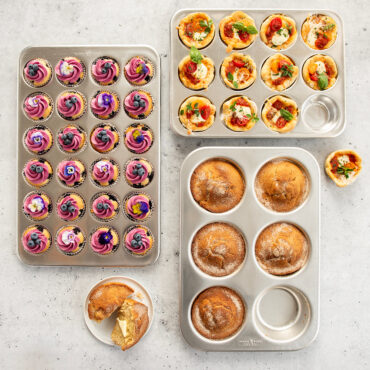
Product image 3 of 6: Three Nordic Ware aluminum muffin pans in natural silver finish: jumbo 6-cup, standard 12-cup, and mini 24-cup sizes
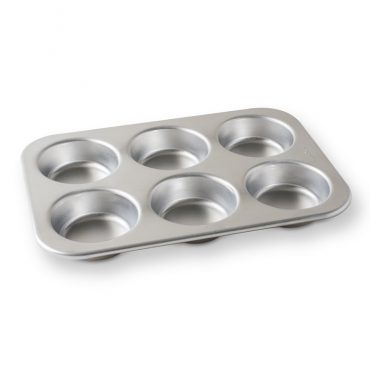
Product image 4 of 6: Nordic Ware Naturals aluminum jumbo muffin pan with 6 large cavities, natural silver finish
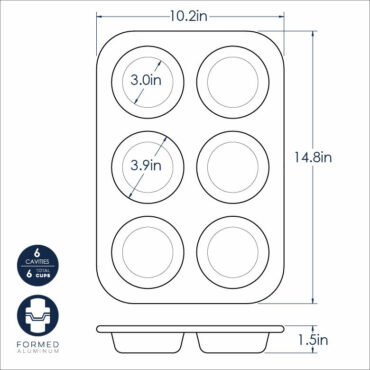
Product image 5 of 6: Nordic Ware Naturals aluminum jumbo muffin pan with 6 large cups, natural silver finish
Thumbnail navigation: Use these buttons to view different product images and videos. Use arrow keys to navigate between thumbnails when focused.
Watch the Volume
Here’s where things get sneaky: even among “standard” pans, cavity volume can range from 82 ml to 112 ml. Too small and batter overflows. Too big and muffins spread instead of rising.
The Nordic Ware Naturals® Muffin Pan clocks in around 82 ml, making it ideal for precision bakes where structure matters.
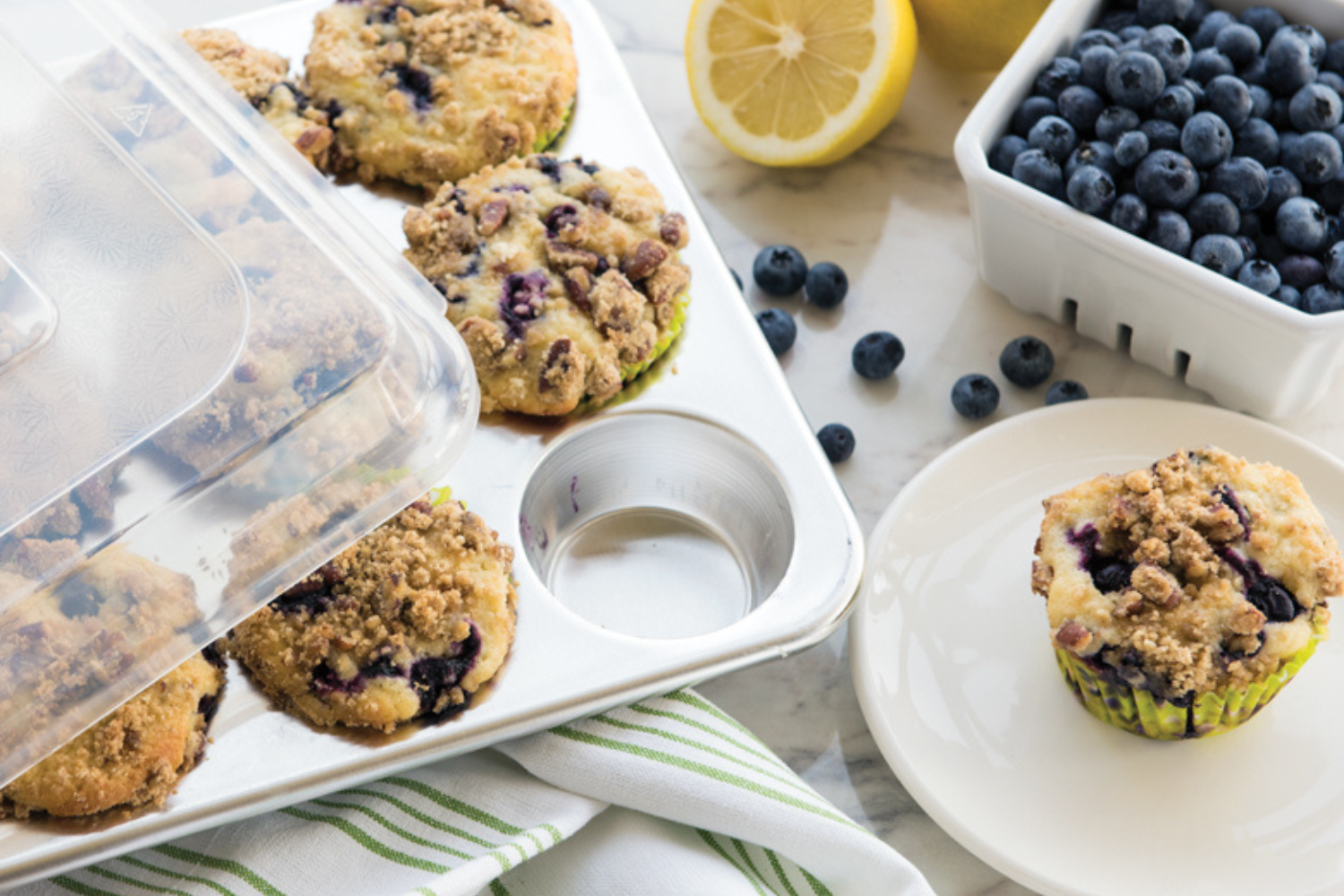
Design Features That Improve Baking
Small details make a big difference, especially when heat, weight, and hot batter are involved. Thoughtful pan design doesn’t just make baking easier; it directly affects safety, longevity, and how evenly your food bakes. These behind-the-scenes features are what separate a pan that lasts a season from one you’ll use for years.
- Extended Rims or Handles: Wide, reinforced rims give you something solid to grip when transferring a full pan in and out of a hot oven. This means better control, fewer spills, and less risk of burned fingers or tilted batter.
- Reinforced Edges: Warping isn’t just annoying, it disrupts heat flow and leads to uneven baking. Reinforced edges help pans hold their shape at high temperatures, keeping muffins level and baking results consistent over time.
- Sealed Crevices: Open seams are magnets for batter, grease, and moisture, which can lead to rust and stubborn buildup. Sealed crevices eliminate those hiding spots, making pans easier to clean and more durable in the long run.
- Even Wall Thickness: Uniform thickness ensures heat travels consistently from edge to center, so muffins rise evenly and bake through at the same rate. No overbaked edges, no underdone centers, just reliable results.
What to Bake in a Muffin Pan (Besides Muffins)
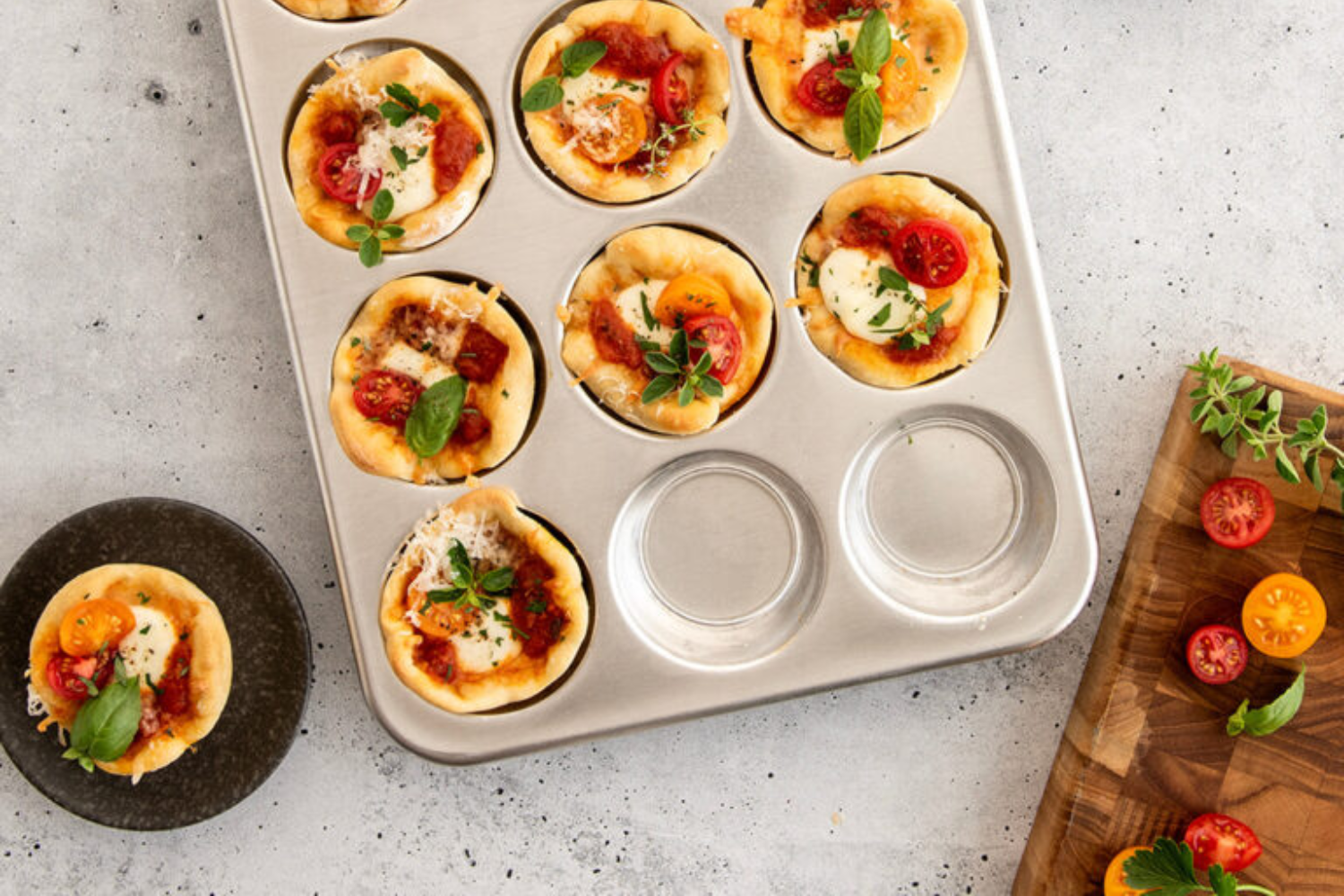
Muffin pans can handle more than muffins, and honestly, they’re tired of being underestimated. With perfectly portioned cavities and even heat, a good muffin pan is one of the most versatile tools in your kitchen. From savory breakfasts to single-serve dinners, it’s the quiet workhorse that deserves a lot more credit. Try these creative uses:
- Margherita Pizza Bites
- Frozen Yogurt and Fruit Granola Bites
- Creamy Apple Rose Tartlettes
- Almond Butter Granola Fall Bites
- Brownie Bites with Mint Drizzle
- Cheesy Egg Bites
- Cinnamon Monkey Bread Mini Bundts with Cream Cheese Glaze
- Single Serve No-Bake Special K Bars
Basically, if it fits and you can eat it with one hand, a muffin pan can probably handle it.
Nordic Ware Muffin Pans: Our Approach to Better Baking
At Nordic Ware, we design muffin pans with intention, not shortcuts. The Naturals® Muffin Pan is made from uncoated aluminum, lightweight, responsive, and proudly made in the USA. Our Cast Aluminum Bundtlette® and specialty muffin pans deliver intricate detail and rich browning you simply can’t fake.
We use nonstick coatings that are made without PFAS for easy release and long-term performance, and every pan is designed for everyday use, not just special occasions. Add responsible manufacturing and sustainability-minded practices, and you’ve got bakeware that earns its place in your kitchen.
Muffin Pan FAQs
Do I need paper liners?
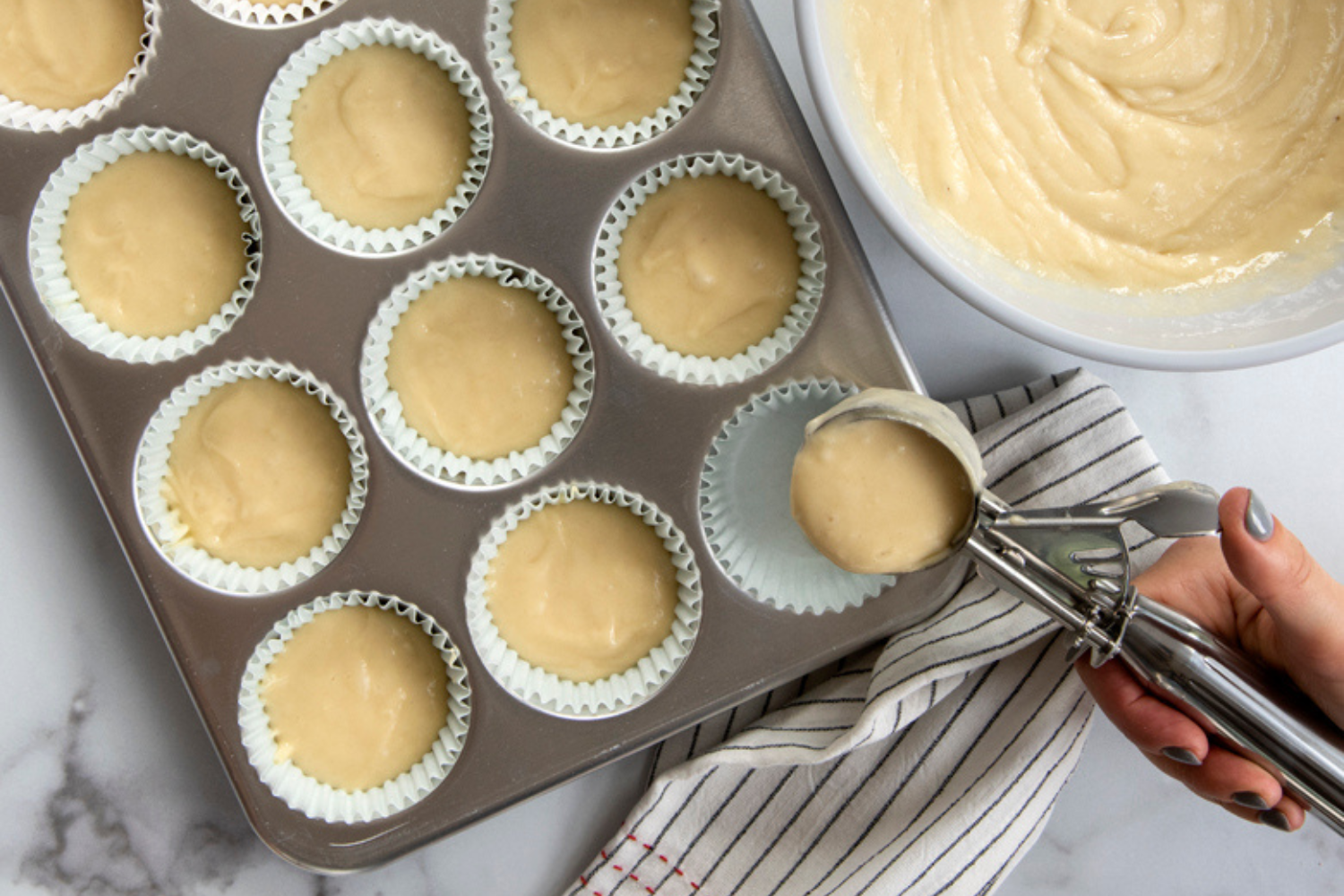
Short answer: No, but they can be nice. Paper liners are great for presentation, easy transport, and quick cleanup, especially if you’re baking for a party or sale. That said, a high-quality nonstick muffin pan is designed to release baked goods cleanly on its own. If you skip liners, just lightly grease the pan and enjoy better browning along the sides and bottom (liners can actually insulate your muffins and soften the crust).
What size muffin pan should I use?
Most muffin and cupcake recipes are written for standard pans with about 100 ml per cavity. Using a pan that’s significantly smaller can cause batter to overflow, while larger cavities can lead to flatter, squat muffins that don’t rise properly. If you bake often, it’s worth checking your pan’s volume, as consistency here means predictable results every time.
Why are my muffins sticking?
Sticking usually isn’t user error, as it’s a combination of factors. Insufficient greasing is the most common culprit, especially with sugary batters that caramelize as they bake. Worn or damaged nonstick coatings can also lose their release power over time. Another sneaky issue? Batter overflow that bakes onto the rim and glues the muffin in place. A light grease, proper fill level, and a well-maintained pan make all the difference.
Can muffin pans go in the dishwasher?
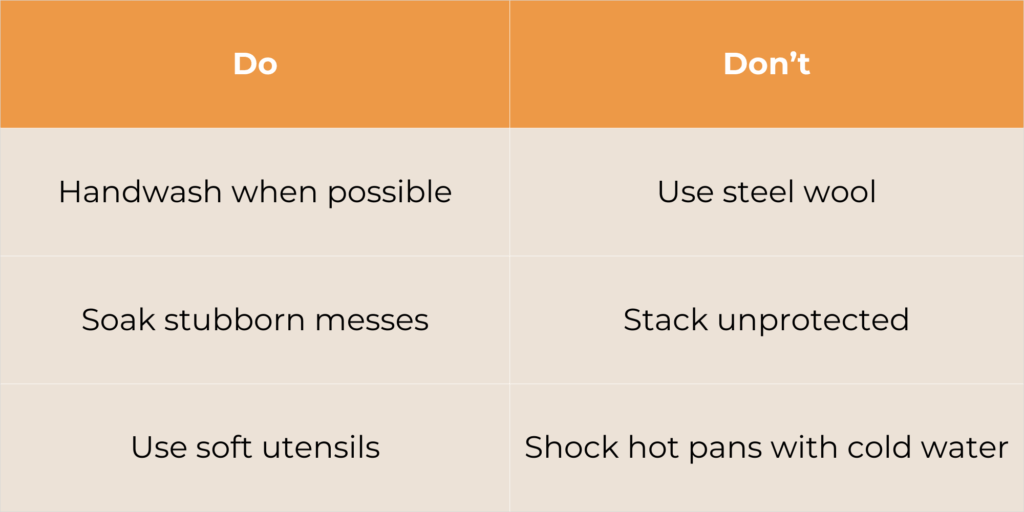
Some muffin pans are labeled dishwasher-safe, but handwashing is always the safest bet especially for nonstick or aluminum pans. Dishwasher detergents are harsh and can dull finishes or shorten the lifespan of coatings over time. A quick soak and gentle sponge usually does the job, and your pan will thank you by performing better for longer.
Care and Cleaning Tips for Muffin Pans
A little care goes a long way in keeping your muffin pans clean:
- Let pans cool before washing
- Use a soft sponge; avoid metal utensils
- Soak to release baked-on sugar or batter
- Avoid dishwasher detergents unless labeled dishwasher-safe
- Store carefully to prevent scratches
Final Thoughts: Which Pan Fits Your Baking Style?
Choose your pan based on what you bake most: classic muffins, cupcakes, savory bakes, or a little of everything. A standard 12-cup pan plus one mini or specialty pan offers serious flexibility. And when it comes to value, quality materials and smart design always win in the long run.
Because great muffins don’t just happen. They’re engineered.
Shop Nordic Ware’s collection of muffin pans here.